Salicylic Acid for Oily Indian Skin: Your Questions Answered

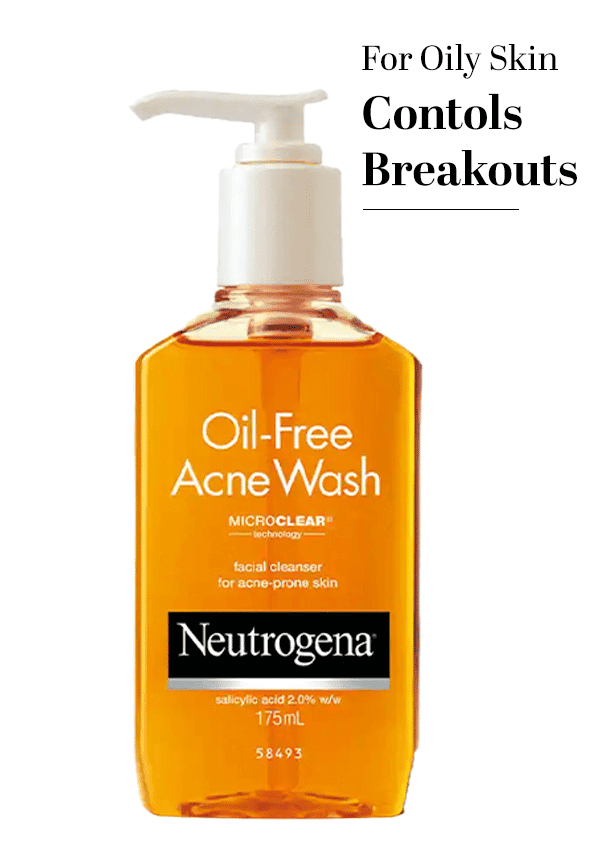
Oil Free Acne Wash For Acne Prone Skin With Salicylic Acid
You've been dealing with oily skin for years, and every time you scroll through skincare content, salicylic acid comes up as the holy grail. But here's the thing—you're not sure what concentration to start with, especially with Indian skin that can be sensitive to over-exfoliation. The humidity doesn't help either, and you're tired of products that promise the world but leave you with irritation or, worse, more breakouts. Real talk: finding the right salicylic acid concentration for your skin type isn't guesswork—it's about understanding what works for oily Indian skin specifically.
When it comes to salicylic acid for oily skin, concentration matters more than you might think. This beta-hydroxy acid (BHA) works differently from other exfoliants because it's oil-soluble, meaning it can penetrate deep into your pores where sebum and dead skin cells love to party together. For Indian skin, which often deals with higher humidity levels and pollution, this deep-cleaning action is exactly what's needed.
The magic happens when salicylic acid dissolves the bonds between dead skin cells and helps regulate oil production. But here's where it gets interesting for our skin—Indian skin types often have more melanin, which means we need to be extra careful about post-inflammatory hyperpigmentation. Too high a concentration too quickly can lead to irritation that leaves dark spots behind.
Your pores produce sebum naturally, but when you add humidity, pollution, and stress to the mix, they can go into overdrive. Salicylic acid works by gently dissolving the keratin plugs that block your pores, allowing trapped oil and bacteria to surface and clear out. Unlike physical scrubs that can irritate already inflamed skin, this chemical exfoliant works at a cellular level.
What makes this particularly relevant for Indian climates is that our skin often produces more oil in response to environmental stressors. The BHA action helps normalise this response over time, leading to less reactive, more balanced skin.
0.5-1% concentration is perfect if you're new to chemical exfoliants or have sensitive oily skin. Many cleansers contain this percentage, making it an easy way to introduce the ingredient into your routine. You'll find this concentration gentle enough for daily use while still providing noticeable pore-clearing benefits.
2% concentration is the gold standard for most oily and acne-prone skin types. This is where you'll see significant improvements in blackheads, whiteheads, and overall skin texture. Most salicylic acid serums and targeted treatments contain this percentage.
Living in India means your skin faces unique challenges that affect how you should approach salicylic acid concentration. The combination of heat, humidity, and pollution creates a perfect storm for clogged pores, but it also means your skin might be more sensitive to aggressive treatments.
For most Indian skin types, starting with 1% and gradually working up to 2% gives you the best results without the risk of irritation. Your skin needs time to build tolerance, especially if you're dealing with the added stress of air conditioning, which can dehydrate your skin while leaving it oily on the surface.
Monsoon season brings its own set of challenges—increased humidity can make your skin feel greasier, but it also means better hydration levels. During these months, you might find that a lower concentration works better, as your skin is already dealing with environmental stress.
Summer heat can make higher concentrations feel more irritating, while winter might allow you to use stronger formulations. The key is listening to your skin and adjusting accordingly. Many people find that 1.5% works perfectly year-round, giving them consistent results without seasonal irritation.
One of the biggest concerns with exfoliating oily skin is the risk of post-inflammatory hyperpigmentation. Melanin-rich skin can develop dark spots more easily when irritated, which is why gradual introduction is crucial. Starting with lower concentrations and building up slowly helps prevent this issue.
The good news is that salicylic acid benefits for skin include helping to fade existing dark spots over time, as the gentle exfoliation encourages cell turnover and reveals fresher skin underneath.
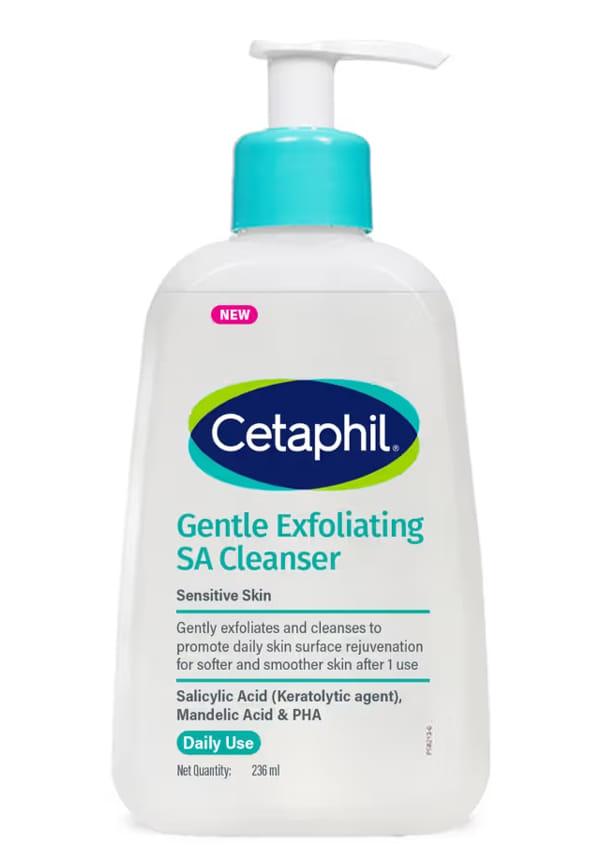
Gentle Daily Exfoliating Cleanser With Salicylic Acid For Oily Acne Prone Skin
The biggest mistake people make is jumping straight into daily use with a high concentration. Your skin needs time to adjust, and patience here pays off with better long-term results and fewer side effects.
Start by using your chosen salicylic acid product 2-3 times per week in the evening. Pay attention to how your skin responds—some mild tingling is normal, but persistent redness or irritation means you need to slow down. After 2-3 weeks of consistent use without irritation, you can gradually increase frequency.
Patch testing isn't just for sensitive skin—it's smart skincare. Apply a small amount of the product to your inner arm and wait 24 hours to see if any reaction occurs. This simple step can save you from a face full of irritation.
When you're ready to start, choose either morning or evening application, not both. Evening is often better because it gives your skin time to recover overnight, and you won't have to worry about sun sensitivity during the day.
Apply salicylic acid to clean, dry skin before any moisturisers or oils. If you're using a serum, a few drops are enough to cover your entire face—more isn't better with chemical exfoliants. Follow with a gentle moisturiser to prevent dryness, and always use SPF during the day.
Timing matters too. If you're using other active ingredients like niacinamide or retinol, space them out to avoid irritation. Many people find alternating nights works well for building a comprehensive routine.
The benefits go far beyond just clearing current breakouts. Regular use of salicylic acid for oily skin helps prevent future congestion by keeping pores clear and reducing the buildup of dead skin cells that can trap oil and bacteria.
You'll notice smoother skin texture within the first few weeks, as the gentle exfoliation reveals fresher skin. Blackheads become less noticeable, and your skin's overall appearance improves as pores appear smaller and less congested.
In the first 2-4 weeks, you'll see improvements in skin texture and a reduction in visible blackheads. Your skin might purge slightly as trapped congestion comes to the surface, but this is normal and temporary.
Long-term benefits include better oil balance, fewer breakouts, and improved skin tone. Many users find that their skin becomes less reactive over time, with fewer sudden breakouts and better tolerance for other skincare ingredients.
Unlike physical scrubs that can irritate inflamed skin, salicylic acid provides gentle, consistent exfoliation. This helps other products in your routine absorb better, making your entire skincare regimen more effective.
The key is consistency rather than intensity. Regular use of a moderate concentration gives better results than occasional use of a high concentration that irritates your skin.
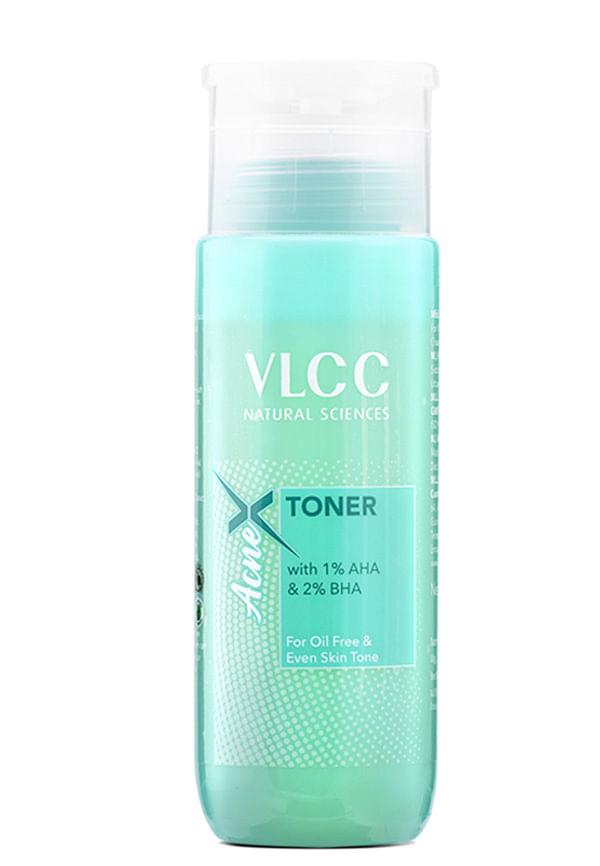
AcneX Face wash with 2% Salicylic Acid + Toner For Oily Free Skin Tone
Not all salicylic acid products are created equal. The concentration is important, but so is the formulation, pH level, and additional ingredients that can either enhance or diminish its effectiveness.
Look for products with a pH between 3-4 for optimal effectiveness. Higher pH levels can reduce the acid's ability to exfoliate, while lower pH can be unnecessarily irritating. Many brands now list pH levels on their packaging or websites.
Cleansers with 0.5-1% salicylic acid are perfect for daily use and provide gentle, consistent exfoliation. They're less likely to cause irritation since they're rinsed off, making them ideal for beginners or those with sensitive skin.
Serums typically contain 1-2% and provide more targeted treatment. These stay on your skin longer, allowing for deeper penetration and more noticeable results. Spot treatments may contain up to 2% for addressing active breakouts directly.
Complementary ingredients like niacinamide can help reduce irritation while providing additional oil-control benefits. Hyaluronic acid helps maintain hydration, which is crucial when using exfoliating acids.
Avoid products that combine salicylic acid with other strong actives like glycolic acid or retinol in the same formulation, as this can increase irritation risk. It's better to use these ingredients separately or on alternating days.
The most common mistake is using too much too soon. Your skin needs time to build tolerance, and rushing the process often leads to irritation, redness, and sometimes even more breakouts as your skin becomes inflamed.
Another frequent error is not using moisturiser after salicylic acid application. Even oily skin needs hydration, and skipping moisturiser can actually trigger more oil production as your skin tries to compensate for dryness.
Signs of over-exfoliation include persistent redness, increased sensitivity, and paradoxically, more breakouts. If you notice these symptoms, reduce frequency or switch to a lower concentration until your skin recovers.
Remember that 2% is the maximum recommended concentration for home use. Higher percentages should only be used under professional supervision and are typically reserved for in-office treatments.
If you experience dryness, reduce application frequency and ensure you're using a good moisturiser. Sun sensitivity is increased when using any exfoliating acid, so daily SPF becomes non-negotiable.
Consult a dermatologist if you experience persistent irritation, worsening acne, or any signs of allergic reaction. They can help adjust your routine or recommend alternative treatments.
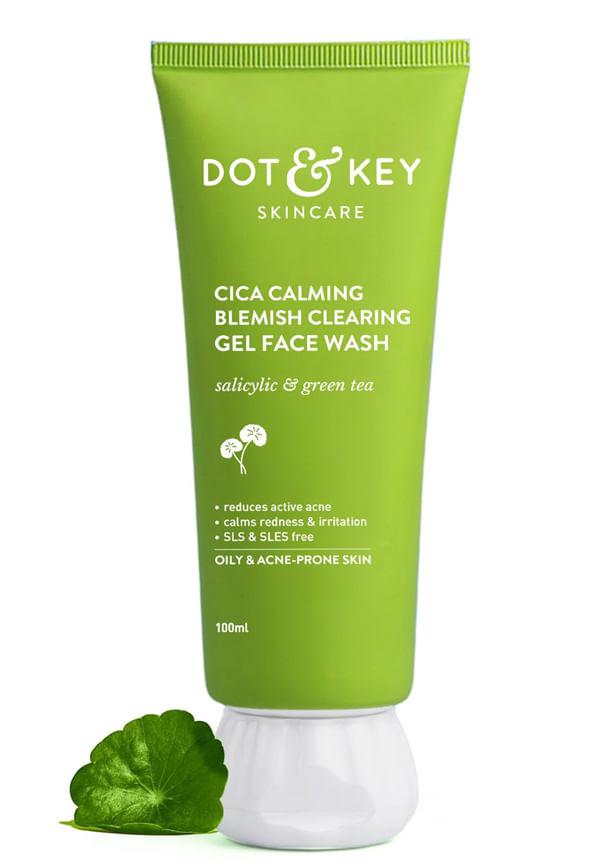
Cica 2% Salicylic Acid Face Wash For Oily, Acne Prone Skin, With Green Tea
For most oily Indian skin types, 1-2% concentration works best. Start with 1% if you're new to chemical exfoliants, and gradually work up to 2% as your skin builds tolerance. The key is consistent use rather than high concentration.
Yes, 2% salicylic acid can be safe for daily use on oily skin, but start slowly. Begin with 2-3 times per week and gradually increase frequency as your skin adjusts. Always follow with moisturiser and use SPF during the day.
Absolutely. Start with 0.5-1% concentration in a gentle cleanser format. This provides benefits without overwhelming sensitive skin. You can always increase concentration later as your skin builds tolerance.
Most people notice improvements in skin texture within 2-3 weeks of consistent use. Significant changes in acne and blackheads typically appear after 6-8 weeks of regular application.
Evening application is generally recommended, as it allows your skin to recover overnight and reduces sun sensitivity concerns. If you prefer morning use, ensure you apply SPF diligently throughout the day.
Yes, these ingredients work well together. Niacinamide can actually help reduce potential irritation from salicylic acid while providing additional oil-control benefits. You can use them in the same routine or look for products that contain both.
Purging is normal and usually lasts 4-6 weeks. Continue with your routine but reduce frequency if irritation occurs. The purging should gradually improve as your skin adjusts to the treatment.
Some initial dryness is normal as your skin adjusts. Combat this by using a good moisturiser after application and reducing frequency if dryness persists. Your skin should adapt within a few weeks.
Finding the right salicylic acid concentration for your oily skin is a journey, not a destination. What works for your friend might not work for you, and that's perfectly normal. The key is starting slowly, being consistent, and listening to your skin's needs as they change with seasons, stress levels, and life circumstances.
Remember that skincare for oily skin isn't about stripping away every drop of oil—it's about finding balance. Salicylic acid helps achieve this balance by keeping pores clear and oil production regulated, leading to healthier, more comfortable skin over time.
If you're curious about trying different salicylic acid formulations but not ready to commit to full-size products, Smytten offers minis from trusted brands that let you test what works for your skin before investing in larger sizes. With over 28 million users discovering their perfect products through trials, it's a smart way to build your ideal routine without the guesswork.
