Salicylic Acid FAQ: Using It Without Irritation


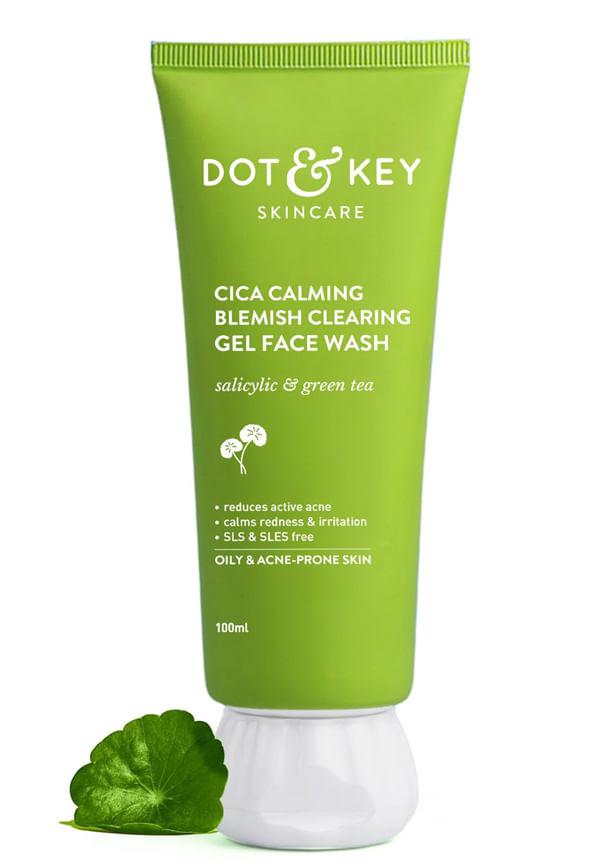
Cica 2% Salicylic Acid Face Wash For Oily, Acne Prone Skin, With Green Tea
You've heard the buzz about salicylic acid for clearing breakouts and unclogging pores, but every time you try it, your skin turns red and angry? You're not alone. Many people experience irritation when they first introduce this powerful BHA into their routine, especially those with sensitive skin. The good news is that with the right approach, you can absolutely use salicylic acid without the drama. It's all about understanding your skin's limits, starting slowly, and knowing which ingredients play nicely together. Let's dive into everything you need to know about using salicylic acid safely and effectively.
Salicylic acid is a beta hydroxy acid (BHA) that works differently from other exfoliating acids. Unlike AHAs that work on the skin's surface, salicylic acid is oil-soluble, which means it can penetrate deep into your pores to dissolve the gunk that causes blackheads and breakouts. This is precisely why it's so effective for acne-prone skin.
The salicylic acid benefits are impressive: it unclogs pores, reduces inflammation, helps with post-acne marks, and gives you that smooth, refined skin texture we all want. It's particularly brilliant for those stubborn blackheads on your nose and the congestion that builds up around your T-zone. Many people also find it helps with rough, bumpy skin texture and even some types of hyperpigmentation.
But here's where things get tricky. Salicylic acid side effects can include dryness, redness, peeling, and that uncomfortable stinging sensation when you first apply it. Your skin might feel tight or look a bit inflamed, especially in the first few weeks of use. This happens because salicylic acid is essentially dissolving the bonds between dead skin cells, speeding up your skin's natural exfoliation process.
Sensitive skin types react more intensely because their skin barrier is often more delicate and reactive to active ingredients. If you've ever had reactions to fragrances, harsh cleansers, or even certain fabrics, you're likely in the sensitive skin camp. The key difference between normal adjustment (often called purging) and actual irritation is timing and severity. Purging typically happens in areas where you normally break out and should improve within 4-6 weeks. True irritation appears as widespread redness, burning, or reactions in areas where you don't usually have skin issues.
Before you even think about applying salicylic acid for sensitive skin, you need to do a proper patch test. Choose a small area on your inner arm or behind your ear, apply a tiny amount of the product, and wait 48-72 hours. If you see any redness, swelling, or irritation, that product isn't for you.
How do you know if you have sensitive skin? Look for these signs: your skin reacts to new products easily, you experience stinging with certain ingredients, you have conditions like rosacea or eczema, or your skin feels tight and uncomfortable after cleansing. If any of these sound familiar, you'll need to be extra cautious with active ingredients.
There are times when you should avoid salicylic acid completely. If you're pregnant or breastfeeding, have active wounds or cuts on your face, are using prescription retinoids, or have extremely compromised skin barrier function, it's best to skip it entirely. Always consult with a dermatologist if you're unsure.
For beginners, especially those with sensitive skin, start with the lowest concentration possible. Look for products with 0.5% salicylic acid rather than jumping straight to 2%. Your skin needs time to build tolerance, and there's no rush. Remember, salicylic acid precautions also include sun protection. This ingredient can make your skin more photosensitive, so daily SPF isn't optional—it's essential.
Getting your salicylic acid application technique right can make the difference between clear skin and irritated skin. Start with completely clean, dry skin. Any residual moisture can increase penetration and potentially cause irritation, so wait a few minutes after cleansing before applying your salicylic acid product.
When applying, less is definitely more. Use a thin, even layer and avoid the delicate eye area completely. If you're using a serum, 2-3 drops should cover your entire face. For toners, a few drops on a cotton pad or your palms will do. Don't rub vigorously—gentle patting motions work best.
Timing matters enormously. Many people wonder whether to use salicylic acid in the morning or evening. For sensitive skin, evening application is generally better because you're not immediately exposing your freshly exfoliated skin to UV rays and environmental stressors. Plus, your skin does most of its repair work overnight, so it can better handle the exfoliation process.
Here's a crucial salicylic acid tip: start with just 2-3 times per week, not daily. Many people make the mistake of using it every day from the start, which almost guarantees irritation. Begin with Monday, Wednesday, Friday applications, and only increase frequency once your skin shows no signs of irritation for at least two weeks.
Product format matters too. Cleansers are the gentlest option because they're rinsed off, making them perfect for beginners. Leave-on serums and toners are more potent but also more likely to cause irritation. If you're just starting out, consider a salicylic acid cleanser first, then graduate to leave-on products once your skin builds tolerance.
If you're particularly worried about irritation, try the buffer method. Apply a thin layer of gentle moisturiser first, wait for it to absorb, then apply your salicylic acid product. This creates a protective barrier that slows down penetration without completely blocking the benefits.
Creating a salicylic acid skincare routine that works requires careful planning and patience. Your morning routine should focus on protection and hydration. Start with a gentle, non-stripping cleanser, follow with a hydrating serum or moisturiser, and always finish with broad-spectrum SPF 30 or higher.
Your evening routine is where the magic happens. Begin with the same gentle cleanser to remove makeup and daily grime. If it's a salicylic acid night, apply your BHA product to clean, dry skin, wait 10-15 minutes for it to work, then follow with a nourishing moisturiser. This waiting period is crucial—it allows the acid to do its job without being immediately diluted by other products.
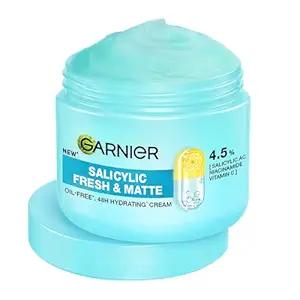
The Garnier Fresh & Matte Salicylic Acid Sorbet Moisturiser Cream is an excellent example of how salicylic acid can be formulated for daily use without causing irritation. This lightweight moisturiser combines the pore-clearing benefits of salicylic acid with hydrating ingredients, making it perfect for those who want the benefits of BHA in a gentle, everyday format. It's particularly good for oily and combination skin types who need oil control without the dryness that often comes with traditional salicylic acid products.
Product layering order follows the general rule of thinnest to thickest consistency. After cleansing, apply your salicylic acid product first (if it's a serum or toner), then any hydrating serums, and finish with moisturiser. If you're using multiple active ingredients, alternate nights rather than layering them together.
Frequency scheduling is personal and depends on your skin's tolerance. Some people can eventually use salicylic acid daily, while others find 3-4 times per week is their sweet spot. Pay attention to how your skin feels and looks—if you notice persistent dryness, redness, or increased sensitivity, scale back the frequency.
Knowing which soothing ingredients for salicylic acid to pair with your BHA can help reduce salicylic acid redness and make the experience much more comfortable. Hydrating ingredients are your best friends here. Hyaluronic acid is brilliant because it can hold up to 1000 times its weight in water, providing intense hydration without any heaviness or greasiness.
Niacinamide is another superstar ingredient that works beautifully with salicylic acid. It helps reduce inflammation, strengthens the skin barrier, and can actually help minimise the irritation that sometimes comes with BHA use. Many people find that using a niacinamide serum on their non-salicylic acid nights helps keep their skin calm and balanced.
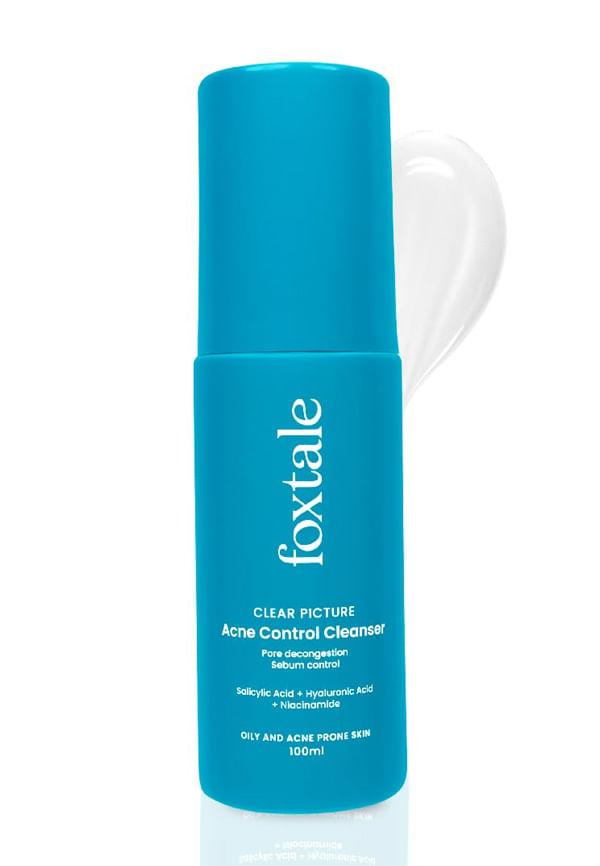
Acne Control Cleanser with Salicylic Acid || Hyaluronic Acid and Niacinamide
Centella asiatica and allantoin are gentle anti-inflammatory ingredients that can help soothe any redness or irritation. Look for these in your moisturisers or serums. Ceramides and squalane are excellent for barrier repair, helping to strengthen your skin's natural protective function so it can better handle active ingredients.
However, there are some ingredient combinations to avoid. Don't use salicylic acid with retinol or vitamin C on the same night, as this can increase irritation significantly. Other acids like glycolic or lactic acid should also be used on alternate nights. The goal is to give your skin time to recover between active ingredient applications.
If your skin does become irritated, have a recovery routine ready. Stop using the salicylic acid temporarily, focus on gentle cleansing, use a hydrating serum with hyaluronic acid, apply a barrier-repairing moisturiser, and don't forget your SPF during the day.
Sometimes, despite your best efforts, traditional salicylic acid just doesn't work for your skin. That's where salicylic acid alternatives come in handy. Betaine salicylate is a gentler cousin of salicylic acid that provides similar pore-clearing benefits with less potential for irritation. It's derived from sugar beets and tends to be much kinder to sensitive skin.
Willow bark extract is the natural precursor to salicylic acid and offers mild exfoliating benefits without the intensity of synthetic BHA. It's perfect for those who want some pore-clearing action but can't handle stronger acids.
If you're open to trying AHAs instead, lactic acid and mandelic acid are much gentler options. Lactic acid is derived from milk and provides gentle exfoliation while also offering some hydrating benefits. Mandelic acid has the largest molecular size of all the AHAs, which means it penetrates slowly and is less likely to cause irritation.
Enzyme-based exfoliants are another excellent alternative. These use fruit enzymes like papaya or pineapple to gently dissolve dead skin cells without the potential irritation of acids. They're particularly good for sensitive skin types who still want some exfoliation benefits.
For those who prefer non-chemical options, very gentle physical exfoliation with a soft cloth or extremely fine scrub particles can help with surface texture, though it won't provide the deep pore-clearing benefits of salicylic acid.
Stop using the product immediately and focus on gentle, soothing skincare. Cleanse with lukewarm water and a mild cleanser, apply a hydrating serum with hyaluronic acid, and use a gentle moisturiser with ceramides or centella asiatica. Avoid all active ingredients until your skin calms down, which usually takes 3-7 days. If irritation persists beyond a week, consult a dermatologist.
Start with 2-3 times per week, preferably on alternate days like Monday, Wednesday, and Friday. Use this frequency for at least 2-3 weeks before considering increasing usage. Some people find their sweet spot is 3-4 times per week, while others can eventually use it daily. Listen to your skin and adjust accordingly.
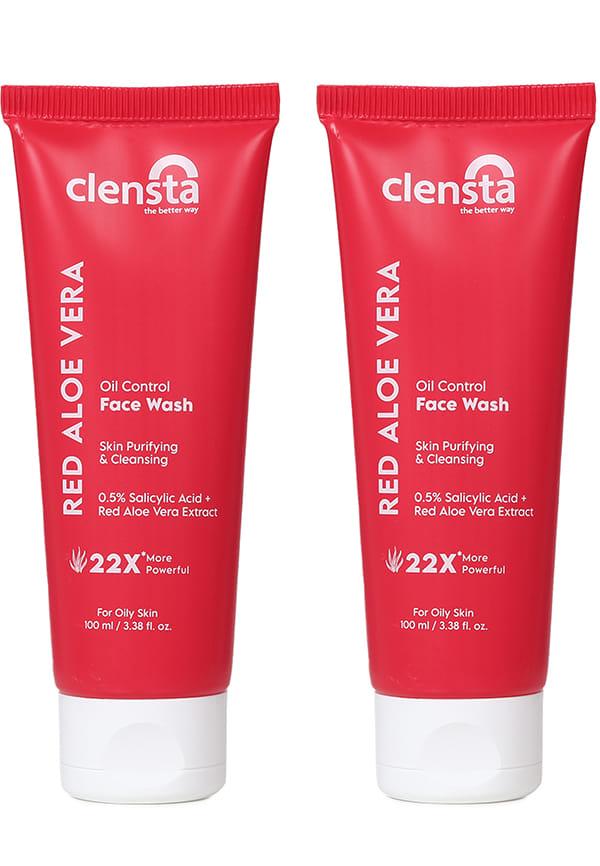
Red Aloe Vera Oil Control Face Wash | Refreshing Gentle Skin Cleanser With 0.5% Salicylic Acid
Yes, but you'll need to be extra careful about hydration and barrier protection. Choose lower concentrations (0.5-1%), use it less frequently (2-3 times per week maximum), and always follow with a rich, nourishing moisturiser. Consider using the buffer method by applying moisturiser before your salicylic acid product to reduce potential dryness.
For most people, especially those with sensitive skin, evening application is better. This gives your skin time to recover overnight and reduces the risk of sun sensitivity. If you do use it in the morning, make sure to apply a broad-spectrum SPF 30 or higher, as salicylic acid can increase photosensitivity.
Most people start seeing improvements in skin texture and reduced blackheads within 2-4 weeks of consistent use. For acne improvements, it may take 6-8 weeks to see significant changes. Remember that some initial purging is normal in the first 4-6 weeks, especially in areas where you typically break out.
Yes, these two ingredients work beautifully together. Niacinamide can actually help reduce the potential irritation from salicylic acid while providing additional pore-refining and anti-inflammatory benefits. You can use them in the same routine—apply salicylic acid first, wait 10-15 minutes, then apply your niacinamide product.
Beginners should start with 0.5-1% salicylic acid, especially if you have sensitive or dry skin. You can find effective products in this range that will give you benefits without overwhelming your skin. Only consider moving up to 2% concentrations after your skin has built tolerance over several months.
Using salicylic acid without irritation is absolutely possible with the right approach and patience. The key is starting slowly, choosing appropriate concentrations, and supporting your skin with gentle, hydrating ingredients. Remember that everyone's skin is different, and what works for your friend might not work for you—and that's perfectly normal.
Building tolerance takes time, usually 4-8 weeks, so don't get discouraged if you don't see immediate results or if your skin needs a slower introduction period. Focus on consistency rather than intensity, and always prioritise your skin's comfort over quick results.
The beauty of modern skincare is that there are options for everyone. Whether you find success with traditional salicylic acid, need to explore gentler alternatives, or discover that your skin prefers a combination approach, there's a solution that will work for your unique skin needs. Smytten's curated selection includes various salicylic acid formulations from trusted brands, making it easier to find the right fit for your skin type and concerns. If you're curious about trying different formulations but not ready to commit to full-size products, exploring minis can be a smart way to test what works best for your skin before making a larger investment.
