Retinol Skincare India FAQ: Your Guide to Starting

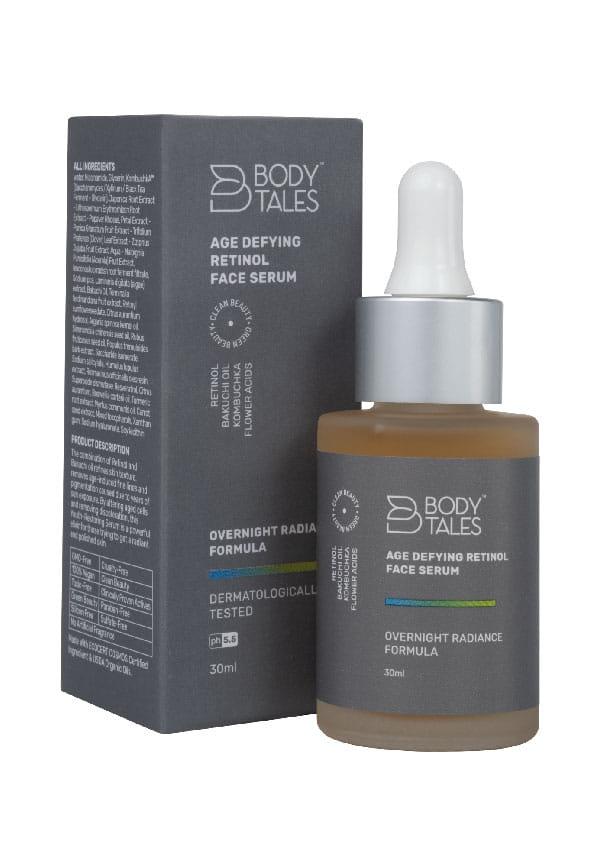
Age Defying Retinol Face Serum
You've been scrolling through skincare content for months, watching everyone rave about retinol's anti-aging magic. But here's the thing that's probably keeping you up at night: when exactly should you start using it? If you're in your early twenties, is it too soon? If you're hitting thirty, have you missed the boat? And with India's unpredictable climate throwing curveballs at your skin year-round, the timing feels even trickier. Let's sort through the noise and get you the real answers about introducing retinol into your routine.
Think of retinol as your skin's personal trainer. It's a vitamin A derivative that works at the cellular level, essentially teaching your skin cells to behave like younger versions of themselves. The science is fascinating: retinol speeds up cell turnover, which means your skin sheds old, damaged cells faster and replaces them with fresh, healthy ones.
The retinol benefits for skin are genuinely impressive. It boosts collagen production, which keeps your skin plump and bouncy. It helps fade dark spots and evens out skin tone. For many people, it's also brilliant at managing acne by preventing pores from getting clogged. What makes retinol particularly interesting for Indian skin is how well it handles our diverse climate challenges - from monsoon humidity to harsh summer sun.
Here's where it gets specific to our skin concerns: Indian skin often deals with hyperpigmentation from sun exposure, pollution-induced dullness, and hormonal changes. Retinol addresses all of these by promoting faster cell renewal and encouraging your skin to produce more even-toned, healthy cells.
The difference between retinol and prescription retinoids matters too. Over-the-counter retinol is gentler and more forgiving, making it perfect for beginners. Prescription options like tretinoin are stronger but require dermatologist supervision. For most people starting their anti-aging journey, retinol hits that sweet spot of effectiveness without overwhelming your skin.
The question everyone asks: what's the best age to start retinol? The honest answer is that it depends on what you're trying to achieve. Prevention and treatment have different timelines, and your skin's needs matter more than the number on your birthday cake.
In your late teens and early twenties, retinol can be incredibly helpful for acne management. If you're dealing with persistent breakouts, clogged pores, or post-acne marks, retinol might be worth considering from age 18 onwards. The key is starting slowly and focusing on the lowest concentration possible.
Your mid-twenties often bring the first signs of environmental damage - maybe some uneven skin tone from all those college years without proper SPF, or the beginning of fine lines around your eyes. This is when retinol shifts from being purely about acne to being about prevention. Starting retinol for beginners at this stage means you're getting ahead of visible aging rather than playing catch-up later.
By your thirties, retinol becomes more about targeted treatment. Fine lines, deeper pigmentation, and loss of firmness are common concerns that retinol addresses beautifully. But here's the thing - it's never too late to start. Your skin will still benefit from retinol whether you begin at 25 or 45.
For the 18-22 age group, retinol for acne is often the primary goal. Your skin is still quite resilient, but it's also more reactive. Starting with a 0.25% concentration once or twice a week is usually plenty. Focus on consistency rather than intensity.
The 23-29 crowd often sees the best preventive results. Your skin is mature enough to handle retinol well, but young enough that you're preventing damage rather than reversing it. This is when you can gradually work up to using retinol every other night or even nightly if your skin tolerates it well.
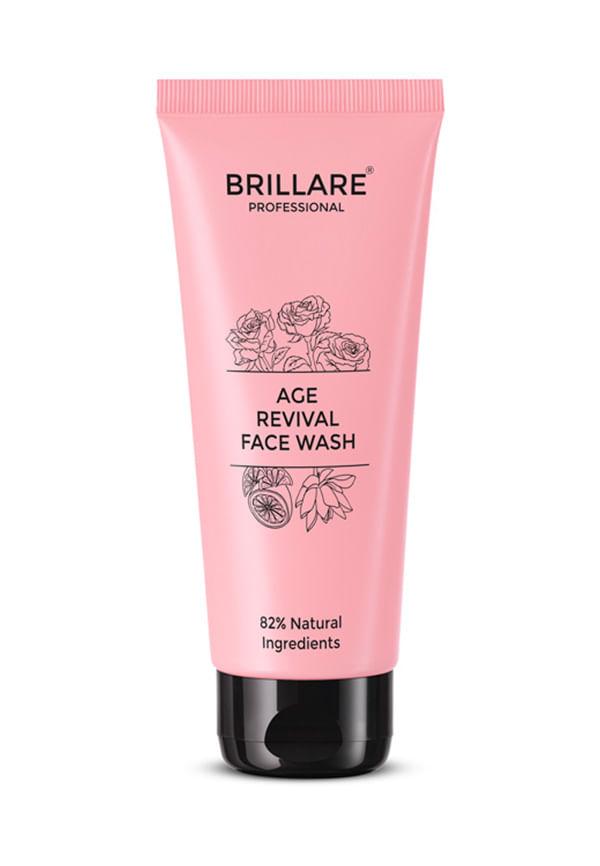
Age Revival Face Wash For Aging Skin
For those 30 and above, retinol becomes part of a comprehensive anti-aging skincare routine. You might start with higher concentrations or combine retinol with other active ingredients like niacinamide or peptides for enhanced results.
Starting retinol doesn't have to feel overwhelming. The key is understanding how to use retinol in a way that works with your skin, not against it. Think of it as introducing a new friend to your existing friend group - you want everyone to get along.
The golden rule for beginners is the sandwich method: apply your retinol between two layers of moisturiser. This buffers the ingredient and reduces the chance of irritation while still allowing it to work effectively. Start with the lowest concentration you can find - usually 0.25% or 0.3% - and use it just once a week for the first month.
Your evening routine becomes crucial when you introduce retinol. After cleansing, apply a thin layer of moisturiser, then your retinol, then another layer of moisturiser. This technique is particularly helpful for Indian skin, which often needs extra hydration to combat environmental stressors like pollution and air conditioning.
Building an anti-aging skincare routine around retinol means thinking about your other products too. Niacinamide works beautifully with retinol - use it in the morning while retinol stays in your evening routine. Hyaluronic acid becomes your best friend for maintaining hydration. And SPF? Non-negotiable, especially since retinol can increase sun sensitivity.
Your evening routine should look something like this: gentle cleanser, wait for skin to dry completely, apply moisturiser, wait 10-15 minutes, apply retinol, wait another 10 minutes, then seal with another layer of moisturiser. The waiting periods matter - they prevent the retinol from being too aggressive.
Layering with other ingredients requires some strategy. Avoid using retinol on the same night as AHAs or BHAs initially. Vitamin C stays in your morning routine. Niacinamide can actually help reduce retinol irritation, so it's worth incorporating into your morning routine if you're not using it already.
Let's talk about the elephant in the room: retinol side effects. The most common ones are dryness, redness, peeling, and increased sensitivity to the sun. In India's climate, these can feel more intense because of factors like humidity changes, pollution, and intense UV exposure.
During monsoon season, your skin might feel more sensitive overall, which can make retinol irritation worse. This is when you might want to reduce frequency or take a short break. Summer brings its own challenges - the combination of retinol and sun exposure requires serious SPF commitment. We're talking SPF 30 minimum, reapplied every two hours if you're outdoors.
Winter is often the best time to introduce retinol because there's less sun exposure and your skin tends to be less reactive. However, the dry air means you'll need to amp up your moisturising game significantly.
If you experience irritation, don't panic. Reduce frequency, increase moisturiser, and give your skin time to adjust. Sometimes taking a few days off and then reintroducing retinol more slowly is exactly what your skin needs.
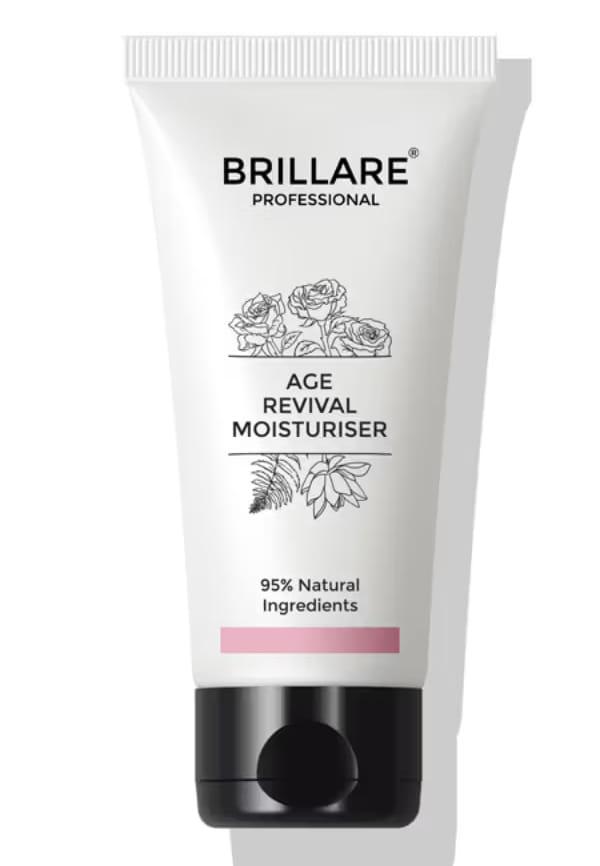
Age Revival Moisturiser For Aging Skin
A successful retinol routine isn't just about the retinol itself - it's about creating a supportive environment for your skin. Your morning routine becomes your skin's shield against environmental damage, while your evening routine focuses on repair and renewal.
Morning essentials include a gentle cleanser, niacinamide serum for oil control and pore refinement, a hydrating moisturiser, and broad-spectrum SPF. The niacinamide is particularly brilliant for Indian skin because it helps control excess oil while strengthening your skin barrier.
Evening is when retinol takes centre stage. After cleansing, you might use a hydrating toner, apply your retinol (with the sandwich method), and finish with a nourishing night moisturiser. Some people like to add a facial oil as the final step for extra hydration.
Complementary ingredients that work well with retinol include hyaluronic acid for hydration, ceramides for barrier repair, and peptides for additional anti-aging benefits. What you want to avoid initially are other strong actives like glycolic acid or salicylic acid on the same night as retinol.
Monsoon season often means reducing retinol frequency because your skin might be more sensitive due to humidity changes. Focus on maintaining your routine rather than pushing for faster results during this time.
Summer requires the most careful approach. Your SPF game needs to be absolutely on point, and you might find that using retinol every other night works better than nightly application. The heat can make your skin more reactive, so listen to what it's telling you.
Winter is often when you can be most consistent with retinol. The cooler weather and reduced sun exposure create ideal conditions for introducing or increasing your retinol usage.
There's no single perfect age, but most dermatologists suggest considering retinol from your early twenties onwards. If you're dealing with acne, you might benefit from it as early as 18. For anti-aging purposes, starting in your mid-twenties gives you the best preventive results. The key is matching retinol to your skin concerns rather than your age.
Absolutely not. Starting retinol at 25 is actually ideal timing for many people. Your skin is mature enough to handle it well, and you're getting ahead of visible aging signs. The benefits of retinol include both prevention and treatment, so you'll see results regardless of when you start.
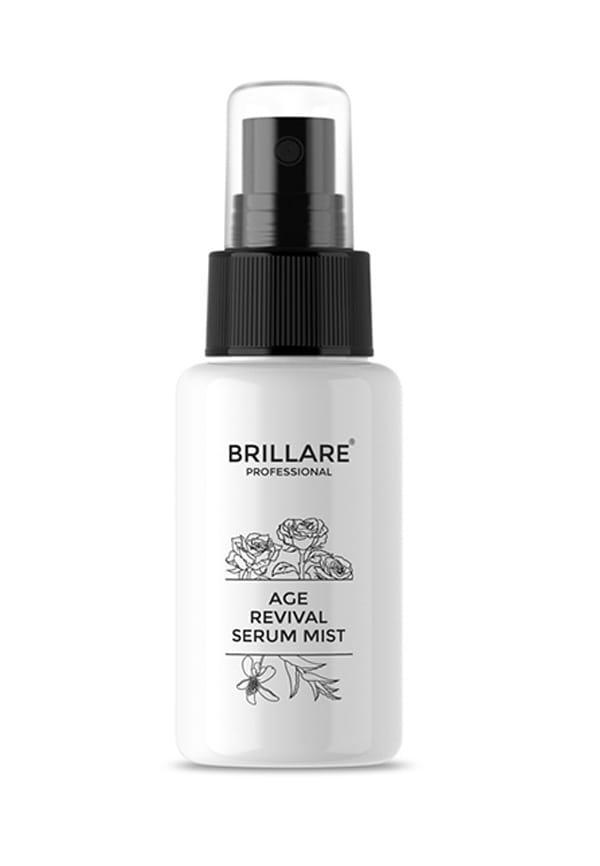
Age Revival Face Toner For Ageing Skin
Traditional alternatives include bakuchiol, a plant-based retinol alternative that's gentler on sensitive skin. Vitamin C serums, niacinamide, and peptides also offer anti-aging benefits. Many people combine these with retinol rather than using them as complete replacements.
This refers to a gradual introduction method: use retinol once in the first week, twice in the second week, and three times in the third week. This helps your skin build tolerance slowly and reduces the risk of irritation.
Yes, but with extra precautions. Retinol increases sun sensitivity, so rigorous SPF use is essential. You might want to reduce frequency during peak summer months and always reapply sunscreen if you're spending time outdoors.
Niacinamide pairs beautifully with retinol and can actually help reduce irritation. Hyaluronic acid provides essential hydration. Avoid mixing retinol with vitamin C, AHAs, or BHAs initially. Layer these ingredients at different times of day instead.
Start with the lowest concentration available, usually 0.25% to 0.3%. Many people see excellent results at these levels, and you can always increase concentration later if needed. It's better to start gentle and build up than to overwhelm your skin initially.
Most people notice smoother skin texture within 4-6 weeks. For anti-aging benefits like reduced fine lines and improved skin tone, expect to wait 3-6 months of consistent use. Patience is key with retinol - the results build gradually but they're worth the wait.
Starting retinol doesn't have to feel like solving a complex equation. The truth is, the best time to start is when you feel ready to commit to consistent use and proper sun protection. Whether you're 22 and dealing with post-acne marks or 35 and noticing your first fine lines, retinol can be a valuable addition to your routine.
The key is starting slowly, listening to your skin, and adjusting based on how you respond. Indian skin has its own unique needs, from managing humidity changes to protecting against intense UV exposure, and your retinol routine should reflect that.
Remember that skincare is personal. What works for your friend might not work for you, and that's completely normal. Focus on finding products and routines that make your skin feel healthy and comfortable. With over 28 million users exploring different skincare options, platforms like Smytten make it easier to discover what works for your unique skin needs before committing to full-size products.
