Retinol Skin Purging FAQ: What It Is & How Long It Lasts


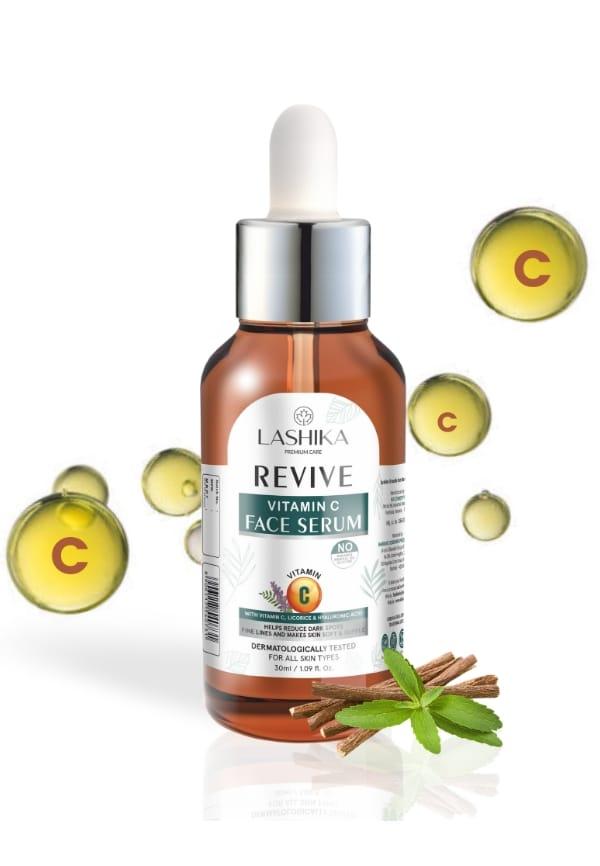
Revive Vitamin C Face Serum
You've just started using retinol, and suddenly your skin looks worse than before. Small bumps are appearing where you usually break out, and you're wondering if you've made a terrible mistake. Before you bin that bottle, take a breath. What you're experiencing might be completely normal—and actually a sign that your retinol is working. This phenomenon, called skin purging, confuses many people who are new to retinoids. Understanding why it happens and how long it lasts can help you push through this temporary phase to reach the clearer skin on the other side.
Retinol skin purging is your skin's natural response to increased cell turnover. When you introduce retinol into your routine, it accelerates the rate at which your skin sheds dead cells and produces new ones. This process brings existing congestion—microcomedones that were forming beneath the surface—up to the visible layer of your skin more quickly than usual. Think of it like deep-cleaning a messy room. Before it looks tidy, you have to pull everything out of the cupboards and drawers. Your skin is doing something similar, except instead of old clothes and forgotten items, it's bringing up trapped oil, dead skin cells, and bacteria that were already there.
Normally, your skin follows a 28-day renewal cycle. Retinoids can speed this up significantly, sometimes cutting the cycle in half. This acceleration happens because retinol converts to retinoic acid in your skin, which binds to specific receptors in your cells. These receptors then trigger faster production of new skin cells whilst encouraging the old ones to shed more rapidly. The difference between retinol, retinoids, and tretinoin lies in their strength and how directly they work. Tretinoin is the active form that your skin uses, whilst retinol needs to be converted first. This conversion process makes retinol gentler but also means purging might take slightly longer to appear compared to prescription retinoids.
During purging, you'll typically see an increase in blackheads, whiteheads, and small bumps. These usually appear in areas where you normally experience breakouts—your T-zone, jawline, or wherever your skin tends to be most congested. The blemishes are generally smaller and less inflamed than typical acne spots. Most people notice purging begins around the second to fourth week of consistent retinol use. The timeline varies depending on how often you're using the product and your skin's natural renewal rate.
Distinguishing between retinol purging vs breakout is crucial for deciding whether to continue with your routine or stop. The key lies in timing, location, and the type of blemishes you're seeing.
Purging typically starts 2-4 weeks after beginning retinol and occurs in areas where you usually experience congestion. If you normally get spots along your jawline, that's where you'll see purging. If your forehead is usually clear but suddenly develops bumps after starting retinol, that's more likely an adverse reaction. The blemishes during purging are predominantly comedones—blackheads and whiteheads—rather than large, inflamed cysts. They also tend to resolve more quickly than regular breakouts, often clearing within a week or two.
Stop using retinol immediately if you experience severe redness, burning, or peeling that doesn't improve with moisturiser. Allergic reactions to retinol can include widespread irritation, rash-like bumps in areas that don't usually break out, or persistent stinging. If you're seeing large, painful cysts in new areas of your face, or if your skin feels constantly raw and sensitive, these are signs that retinol might not be suitable for you at this concentration or frequency.
The question "how long does skin purging last" doesn't have a one-size-fits-all answer, but most people can expect it to resolve within 4-6 weeks. This timeframe aligns with one complete skin cell cycle, allowing your skin to fully adjust to the increased turnover rate.
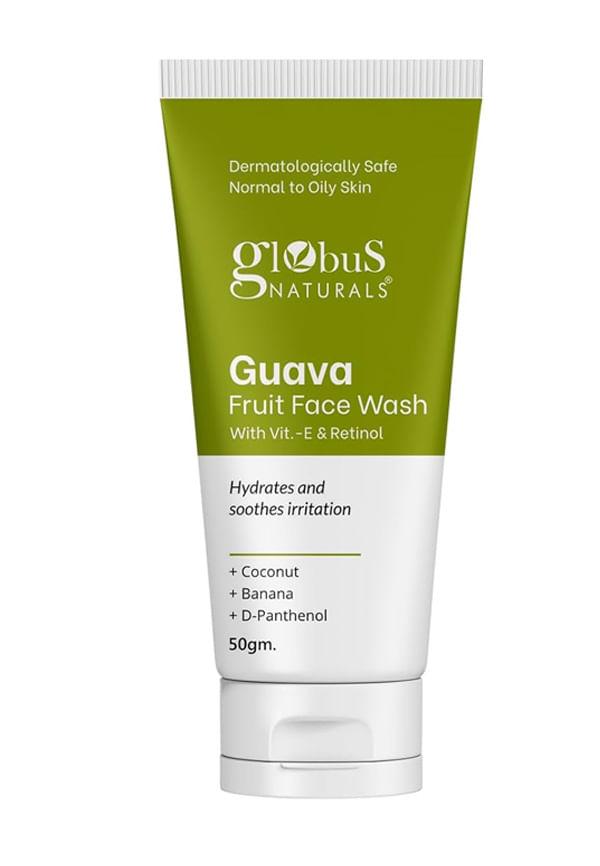
Guava Fruit Face Wash with Vitamin E & Retinol
For most people using over-the-counter retinol products, purging peaks around week 3-4 and then gradually improves. By week 6, you should notice your skin starting to look clearer than when you began. The strength of your retinol product and how often you use it can influence this timeline. If you're using a lower concentration (0.25-0.5%) and applying it just once or twice weekly, purging might be milder but could last slightly longer. Higher concentrations used more frequently typically produce more intense but shorter purging periods.
Some people experience purging for 8-12 weeks, particularly those with severe acne or naturally slower skin turnover. If you have a lot of existing congestion, it simply takes longer for all of it to work its way to the surface. Age can also play a role—as we get older, our natural cell turnover slows down, which might extend the purging period.
Understanding skin purging causes helps you feel more confident about pushing through this challenging phase. The primary reason retinol causes purging is its effect on your skin's natural exfoliation process.
Retinol works by increasing the rate of desquamation—the process by which dead skin cells shed from the surface. Simultaneously, it stimulates the production of new cells in the deeper layers of your skin. This double action means that existing microcomedones (tiny blocked pores that aren't yet visible) get pushed to the surface more quickly. Your skin also goes through an adaptation period where it learns to handle the increased activity. During this time, your skin barrier might be slightly compromised, making it more reactive and prone to showing every bit of congestion.
Your previous skincare routine can influence how much purging you experience. If you've been using products that don't encourage regular exfoliation, you might have more built-up congestion that needs to surface. Similarly, if you have naturally oily skin or live in a humid climate, you might experience more pronounced purging.
Treating skin purging isn't about stopping the process—it's about supporting your skin through it. The key is maintaining a gentle, consistent routine that doesn't add unnecessary stress to your already-working-hard skin.
If you're just starting retinol, follow a gradual introduction schedule. Begin with once weekly application for the first week, then twice weekly for the second week, and three times weekly for the third week. Only increase to daily use once your skin shows no signs of excessive irritation. This slow introduction can help minimise the severity of purging whilst still allowing your skin to adapt to the increased cell turnover.
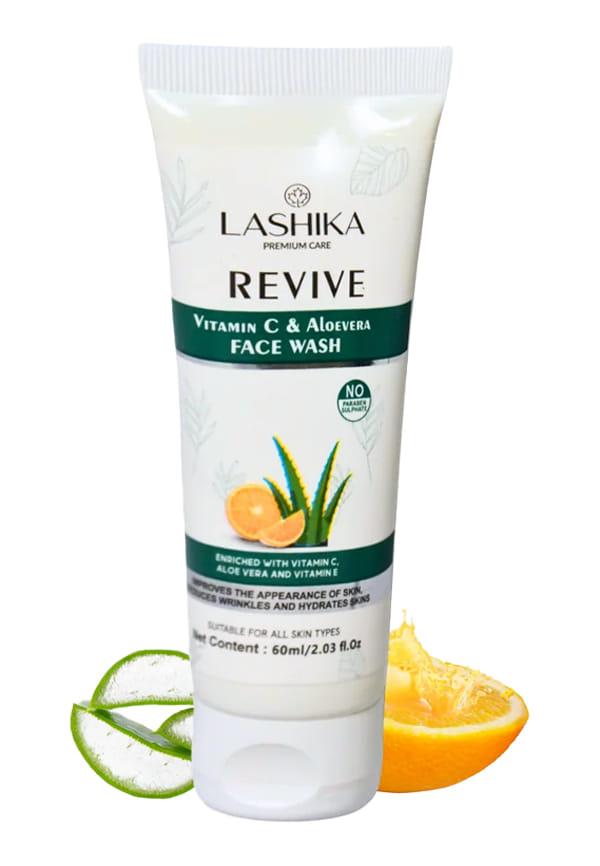
Revive Vitamin C Face Wash
During purging, your skin needs extra hydration and gentle care. Use a mild, non-foaming cleanser and follow with a simple, fragrance-free moisturiser. Niacinamide can be particularly helpful during this period as it helps regulate oil production and has anti-inflammatory properties. Sun protection becomes even more critical when using retinol, as your newly formed skin cells are more vulnerable to UV damage. Use a broad-spectrum SPF of at least 30 every day, even when staying indoors.
Navigating purging successfully requires patience and restraint. Your instinct might be to add more products or treatments, but less is definitely more during this period.
Maintain your routine consistently. Stopping and starting retinol will only prolong the adaptation process. Take progress photos weekly so you can see improvements that might not be obvious day-to-day. Keep your routine simple—cleanser, moisturiser, SPF during the day, and retinol at night. Stay hydrated and get adequate sleep, as these factors support your skin's natural healing and renewal processes.
Resist the urge to pick at purging spots or use harsh scrubs. Over-exfoliating will only irritate your skin further and potentially lead to scarring. Don't add new active ingredients like AHAs, BHAs, or vitamin C during the purging phase—your skin has enough to deal with. Avoid clay masks or other drying treatments that might seem like they'll help with the increased oiliness but will actually compromise your skin barrier.
Whilst purging is normal, there are times when professional guidance becomes necessary. Knowing when to reach out can save your skin from unnecessary damage.
If purging continues beyond 12 weeks without any improvement, it's time to consult a dermatologist. Similarly, if you develop severe irritation, persistent pain, or notice your acne spreading to areas that were previously clear, professional assessment is needed. Worsening of existing acne or the development of cystic lesions during purging might indicate that retinol isn't the right treatment for your skin type or that you need a different approach.
Dermatologists can prescribe stronger retinoids like tretinoin or adapalene, which might be more effective for severe acne. They can also recommend combination therapies that include antibiotics or other acne treatments to help manage the purging process more comfortably.
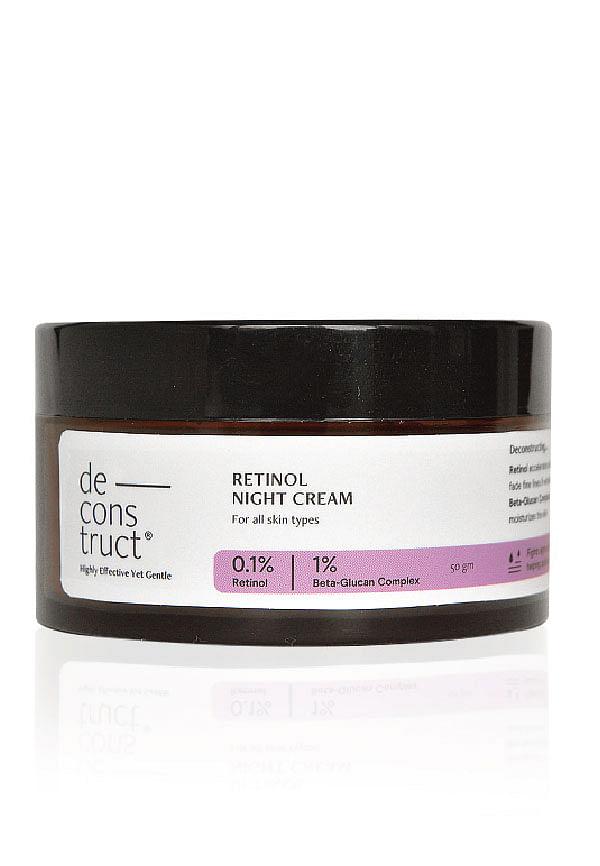
Retinol night cream - 0.1% Retinol + 1% Beta-Glucan Complex
For most people, retinol purging lasts 4-6 weeks, which corresponds to one complete skin cell cycle. Some individuals with severe acne or slower skin turnover may experience purging for 8-12 weeks. The duration depends on factors like your skin type, the concentration of retinol you're using, and how much existing congestion needs to surface.
Purging typically begins within 2-4 weeks of starting retinol, not immediately. This delay occurs because it takes time for the accelerated cell turnover to bring existing congestion to the surface. If you see breakouts in the first week, they're more likely related to other factors or product sensitivity rather than true purging.
Before purging, you might have relatively clear skin with hidden microcomedones forming beneath the surface. During purging, you'll see an increase in blackheads, whiteheads, and small bumps, primarily in areas where you usually experience breakouts. After the purging phase, your skin should appear clearer, smoother, and more refined than before you started retinol.
Yes, continuing retinol during purging is typically recommended, as stopping can reset the adaptation process and prolong the overall timeline. However, you should monitor your skin for signs of excessive irritation and adjust the frequency if needed. If purging becomes severe or painful, consult a dermatologist for guidance.
Retinoid purging occurs in areas where you normally break out and consists mainly of non-inflammatory comedones (blackheads and whiteheads). Regular breakouts can appear in new areas and often include inflammatory lesions like papules and cysts. Purging also tends to resolve more quickly than typical breakouts.
Absolutely. Moisturising is crucial during purging as retinol can cause dryness and irritation. Use a gentle, non-comedogenic moisturiser to support your skin barrier whilst it adapts to the increased cell turnover. Proper hydration can actually help minimise purging severity.
Yes, you can wear makeup during purging, but choose non-comedogenic formulas that won't clog your pores further. Be gentle when removing makeup and avoid products with harsh ingredients that might irritate your already-sensitive skin.
Retinol purging can feel discouraging when you're hoping for immediate skin improvements, but understanding that it's a normal part of the process helps you stay committed to your routine. Remember that purging is actually a positive sign—it means your retinol is working to clear out existing congestion and accelerate skin renewal. The key to successfully navigating purging lies in patience, consistency, and gentle care. Keep your routine simple, protect your skin from the sun, and resist the urge to add more products or treatments during this sensitive period. Most importantly, trust the process and give your skin the time it needs to adapt. If you're curious about trying retinol but want to test how your skin responds before committing to a full-size product, Smytten offers trial sizes from trusted skincare brands. With over 28 million users discovering products through curated trial packs, it's a smart way to explore retinol options and find what works best for your skin. After all, when it comes to skincare, why settle for 'maybe' when you can try it all?
