Retinol for Wrinkles & Indian Skin: Your FAQ Answered

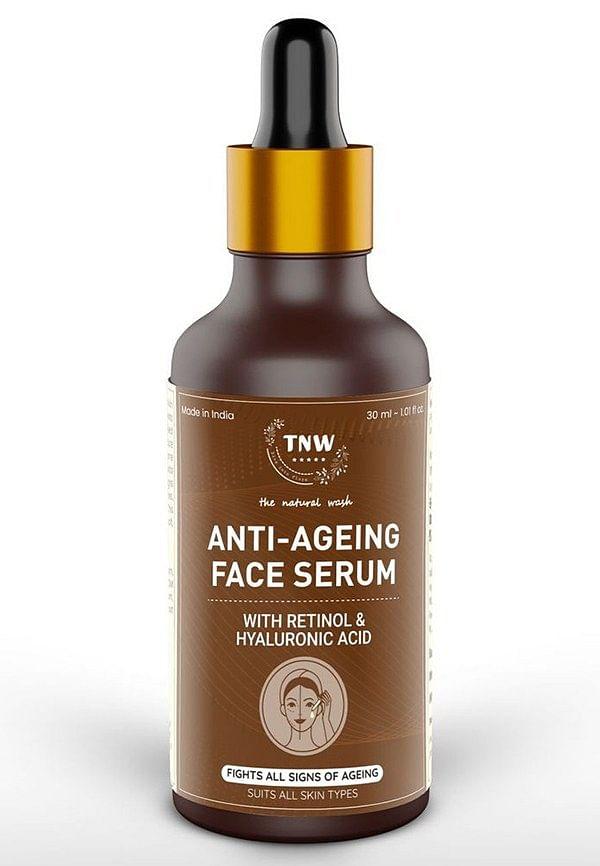
Retinol Serum for Face with Hyaluronic acid for Spotless Glowing Skin Help Reducing Wrinkles & Fines Lines| Made in India Antiaging Serum (No Chemica
You've been hearing about retinol everywhere—from your dermatologist to that friend who suddenly has glowing skin. But as someone with Indian skin, you're wondering: does retinol actually work for wrinkles, and more importantly, is it safe for your skin type? With our melanin-rich skin and unique climate challenges, it's natural to have questions. Let's dive into everything you need to know about retinol, from how it fights wrinkles to whether it's the right choice for Indian skin.
Retinol is a derivative of vitamin A that works at the cellular level to transform your skin. Think of it as a gentle nudge that encourages your skin cells to behave like younger versions of themselves. When you apply retinol, it penetrates deep into your skin and binds to specific receptors in your cells, kickstarting a cascade of beneficial changes.
The magic happens through three key mechanisms. First, retinol stimulates collagen production—that essential protein that keeps your skin plump and firm. As we age, collagen production naturally slows down, leading to fine lines and wrinkles. Retinol essentially tells your skin to ramp up collagen synthesis again.
Second, it accelerates cell turnover. Your skin naturally sheds old cells and creates new ones, but this process slows with age. Retinol speeds things up, revealing fresher, smoother skin underneath. Finally, retinol acts as an antioxidant, neutralising free radicals that contribute to premature ageing.
Here's where it gets interesting. Retinoids is the umbrella term for all vitamin A derivatives, while retinol is just one type. Over-the-counter retinol is gentler and requires conversion in your skin to become active. Prescription retinoids like tretinoin are already in their active form, making them more potent but potentially more irritating.
For most people starting their anti-aging skincare journey, retinol is the perfect entry point. It's effective enough to deliver real results but gentle enough for regular use.
While wrinkles might be your primary concern, retinol is like that overachiever friend who excels at everything. The benefits extend far beyond just smoothing fine lines, making it a worthwhile addition to your routine for multiple skin concerns.
The most noticeable change you'll see is in fine lines and wrinkles reduction. Those little lines around your eyes and mouth start to soften after consistent use. Your skin texture improves dramatically—think smoother, more refined surface that catches light beautifully.
Enhanced collagen synthesis means your skin becomes more resilient and bouncy over time. You'll also notice improved blood circulation, giving you that healthy, natural glow that no highlighter can replicate.
Real talk: retinol is brilliant for hyperpigmentation and dark spots. If you're dealing with post-acne marks or sun damage, retinol helps fade these over time by encouraging faster cell turnover. Your pores appear smaller and less congested, and even old acne scars start to improve with consistent use.
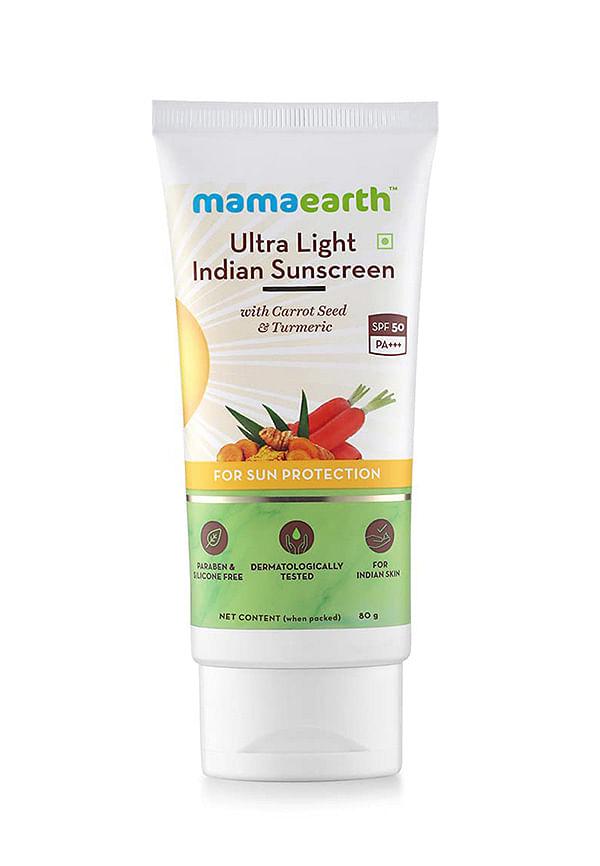
Ultra Light indian Sunscreen
The overall skin tone evening effect is particularly beneficial for Indian skin, where uneven pigmentation can be a common concern.
This is probably your biggest question, and the answer is a reassuring yes—with some important considerations. Indian skin has unique characteristics that actually work in our favour when using retinol, but understanding these nuances helps you use it more effectively.
Our melanin-rich skin provides natural protection against UV damage, which is brilliant because retinol increases photosensitivity. However, this same melanin can make us more prone to post-inflammatory hyperpigmentation if we're not careful with introduction.
The heat and humidity in most Indian cities can affect how your skin responds to retinol. You might find your skin feels more sensitive during monsoons or extremely hot weather. This doesn't mean you can't use retinol—it just means being more mindful of timing and formulation.
Always start with a patch test. Apply a tiny amount behind your ear or on your inner wrist and wait 24-48 hours. If there's no irritation, you're good to go. Begin with the lowest concentration available—usually 0.25% or 0.3%—and use it just once a week initially.
In our climate, consider using retinol during cooler months or in air-conditioned environments when possible. And this cannot be stressed enough: SPF is non-negotiable when using retinol. Your skin becomes more photosensitive, making sun protection absolutely crucial.
Let's be honest about what to expect. Retinol side effects are common, especially in the beginning, but they're usually temporary and manageable. Understanding what's normal versus what's concerning helps you navigate this phase confidently.
Initial skin irritation and redness are completely normal—your skin is adjusting to increased cell turnover. You might experience dryness and peeling, particularly around your nose and mouth. This isn't damage; it's your skin shedding old cells faster than usual.
Increased photosensitivity means your skin burns more easily, which is why SPF becomes your best friend. Some people experience a "purging" period where existing breakouts come to the surface faster. This typically lasts 4-6 weeks and is actually a good sign that the retinol is working.
If you have retinol for sensitive skin concerns, start even slower. Use a lower concentration and apply it every third night initially. Always follow with a gentle, hydrating moisturiser to combat dryness.
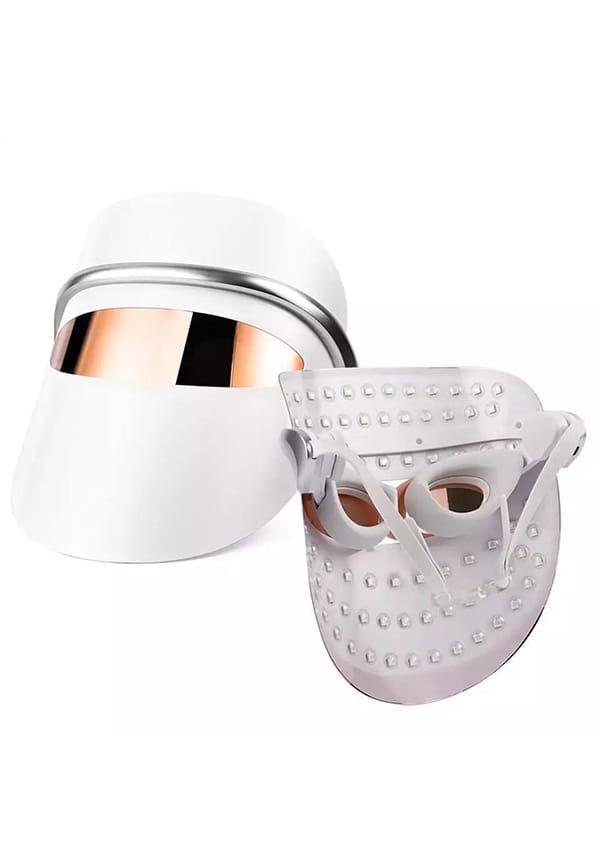
Advanced LED Light Therapy Face Mask DIY Reduces Wrinkles, Anti Aging
Consider the "sandwich method"—apply moisturiser, then retinol, then more moisturiser. This buffers the retinol and reduces irritation while maintaining effectiveness. If irritation persists beyond 6-8 weeks or becomes severe, consult a dermatologist.
With countless options available, choosing the right retinol product can feel overwhelming. The key is matching the product to your skin's current needs and tolerance level, rather than jumping straight to the strongest option.
For beginners, start with 0.25-0.5% concentration. If you've been using retinol for months without irritation, you can consider moving up to 1%. Best retinol serums often come in lightweight formulations that absorb quickly, but creams work well for drier skin types.
Look for products with additional beneficial ingredients like niacinamide for soothing, or hyaluronic acid for hydration. Avoid products that combine retinol with other strong actives like AHAs or BHAs initially—your skin needs time to adjust.
Always apply retinol to clean, dry skin. Wait about 20-30 minutes after cleansing to ensure your skin is completely dry—wet skin can increase absorption and potentially cause irritation. Start with a pea-sized amount for your entire face.
Apply retinol before moisturiser but after any lightweight serums. Use it only at night—retinol breaks down in sunlight and increases photosensitivity. Store your retinol in a cool, dark place to maintain its potency.
Retinol safety isn't just about skin type—age and life stage play important roles too. Understanding when and how to incorporate retinol ensures you get the best results while minimising risks.
In your twenties and thirties, retinol works brilliantly for prevention. You're building good habits and maintaining collagen production before significant decline begins. This is also when retinol can help with acne and post-acne marks.
If you're in your forties or beyond, don't worry—it's definitely not too late. Retinol can still stimulate collagen production and improve existing signs of ageing. You might need to be more patient with results and gentler with introduction, but the benefits are absolutely achievable.
Avoid retinol during pregnancy and breastfeeding—vitamin A derivatives can potentially harm developing babies. Don't combine retinol with other strong actives like glycolic acid or salicylic acid initially. If you're using prescription medications or have skin conditions like eczema or rosacea, consult your dermatologist first.
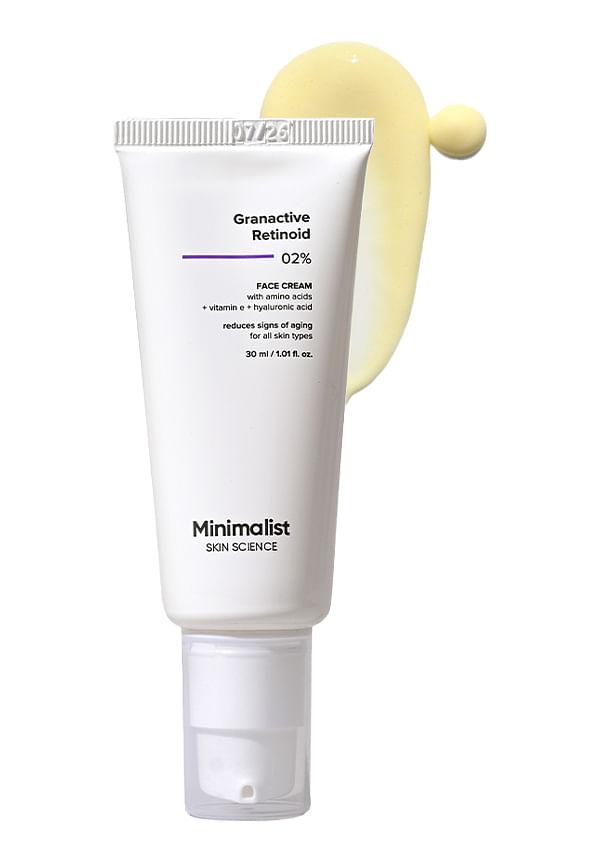
2% Retinoid Anti Ageing Night Cream For Wrinkles & Fine Lines
Some medications increase photosensitivity, making the combination with retinol potentially problematic. Always inform your dermatologist about all skincare products you're using.
Absolutely. Indian skin can safely use retinol with proper introduction and sun protection. Our natural melanin provides some UV protection, but retinol still increases photosensitivity. Start slowly, use SPF religiously, and listen to your skin. Many dermatologists in India regularly recommend retinol for various skin concerns, from acne to anti-ageing.
The main disadvantages include initial irritation, increased sun sensitivity, and the need for consistent use to maintain results. Retinol also requires patience—results typically take 12-16 weeks to become noticeable. It's not suitable during pregnancy, and some people with very sensitive skin may never tolerate it well. The purging phase can be discouraging, though it's temporary.
Most people notice smoother texture within 4-6 weeks, but significant wrinkle reduction takes 3-6 months of consistent use. Hyperpigmentation improvements may be visible around 8-12 weeks. Remember, retinol is a marathon, not a sprint—consistent use over time delivers the best results.
Yes, but timing matters. Niacinamide pairs beautifully with retinol and can help reduce irritation. Hyaluronic acid is excellent for hydration. Avoid using retinol with AHAs, BHAs, or vitamin C in the same routine initially. Once your skin adjusts, you might be able to alternate these ingredients on different nights.
Not necessarily. The active ingredient—retinol—is the same regardless of price. More expensive products might have better packaging to preserve stability, additional beneficial ingredients, or more elegant textures, but affordable options can be just as effective. Focus on concentration, formulation stability, and how your skin responds rather than price alone.
Retinol is genuinely effective for reducing wrinkles and is safe for Indian skin when used correctly. Start slowly, prioritise sun protection, and be patient with results. The initial adjustment period is normal and temporary—most people find their skin adapts beautifully within 6-8 weeks.
Your skin's response to retinol is individual, so what works for your friend might need adjustment for you. Pay attention to how your skin feels and looks, and don't hesitate to modify your routine accordingly. Whether you're dealing with early signs of ageing or more established wrinkles, retinol can be a valuable addition to your skincare routine.
If you're curious about trying retinol but want to test different formulations first, platforms like Smytten let you explore minis from various brands before committing to full sizes. With over 28 million users discovering products through trials, it's a smart way to find what works for your unique skin needs. After all, when it comes to skincare, why settle for maybe when you can find what truly works for you?
