Preventative vs Corrective Skincare India: Your Questions Answered


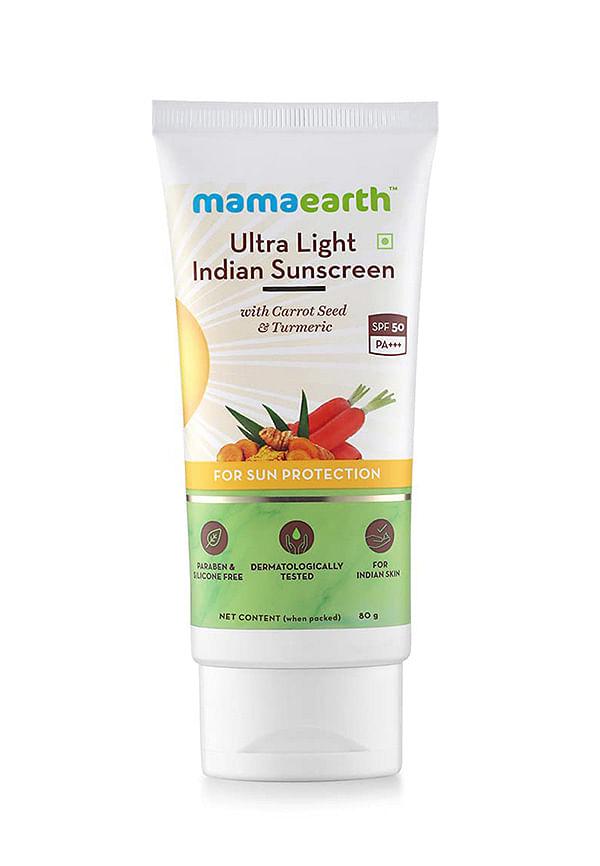
Ultra Light indian Sunscreen
Ever stood in front of your bathroom mirror wondering whether you should be preventing future skin damage or fixing what's already there? You're not alone. The skincare world loves throwing around terms like preventative and corrective, but what do they actually mean for your skin? And more importantly, which approach should you be focusing on right now?
If you've been scrolling through endless skincare advice online, you've probably noticed that some routines focus on protection whilst others promise to reverse damage. The truth is, both approaches have their place in a well-rounded skincare routine. Understanding the difference between preventative and corrective skincare can help you make smarter choices about where to invest your time, money, and energy.
Think of preventative skincare as your skin's daily insurance policy. It's the approach that focuses on protecting your skin from damage before it happens, rather than waiting to treat problems after they've appeared. This strategy is all about maintaining healthy skin function and creating barriers against environmental aggressors like UV rays, pollution, and free radicals.
The beauty of preventative skincare lies in its simplicity and long-term effectiveness. By consistently using gentle, protective products, you're essentially slowing down the natural ageing process and reducing the likelihood of developing serious skin concerns later on.
Preventative skincare is built on the principle that it's easier to maintain healthy skin than to repair damaged skin. This approach focuses on strengthening your skin barrier, providing adequate hydration, and protecting against external damage. The goal isn't to dramatically transform your skin overnight, but to keep it functioning optimally for years to come.
The advantages of starting a preventative routine early are significant. First, it's generally more cost-effective than corrective treatments. A good SPF and moisturiser cost far less than professional treatments for sun damage or anti-ageing procedures. Additionally, preventative care helps maintain your skin's natural resilience, making it better equipped to handle environmental stressors and hormonal changes.
Living in India means dealing with intense UV exposure, high humidity, and pollution levels that can wreak havoc on your skin. Your preventative arsenal should include a broad-spectrum SPF 30+ that you reapply throughout the day, especially during those scorching summer months. A gentle cleanser that removes pollutants without stripping your skin is equally important, along with a lightweight moisturiser that won't feel heavy in humid conditions.
Corrective skincare takes a more targeted approach, focusing on treating visible skin concerns that have already developed. This strategy uses active ingredients and concentrated formulations to address specific issues like hyperpigmentation, fine lines, acne scars, or uneven texture. Unlike preventative care, corrective skincare aims for visible improvements in existing skin conditions.
The corrective approach often requires more patience and careful product selection, as you're working to reverse or minimise damage that has already occurred. This type of skincare typically involves stronger active ingredients and may require a gradual introduction to avoid irritation.
Corrective skincare is essentially problem-solving for your skin. It involves identifying specific concerns and using targeted treatments to address them. This might mean using retinol for fine lines, niacinamide for enlarged pores, or chemical exfoliants for rough texture. The key is using ingredients that can actually change your skin's appearance over time.
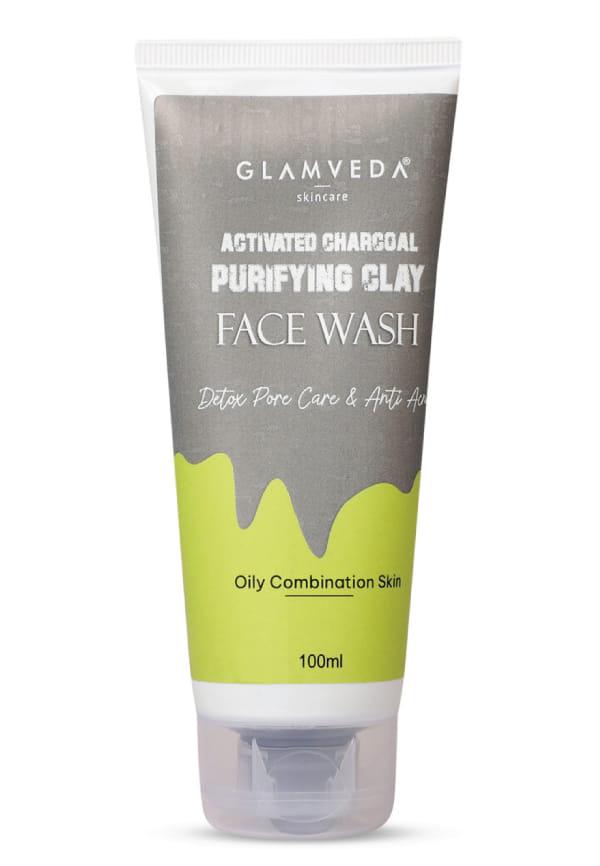
Activated Charcoal Clay Face Wash, Fights Pollution and Acne, Oil Control
Indian skin faces unique challenges that often require corrective intervention. Post-inflammatory hyperpigmentation from acne or minor injuries is incredibly common, especially in deeper skin tones. Sun damage from years of intense UV exposure can manifest as dark spots, uneven tone, and premature ageing. Many people also deal with acne scars, melasma triggered by hormonal changes, and texture issues from environmental factors.
The world of corrective skincare is rich with proven active ingredients. Retinoids remain the gold standard for anti-ageing, working to increase cell turnover and stimulate collagen production. AHAs and BHAs help resurface the skin and improve texture, whilst peptides support skin repair processes. For pigmentation concerns, ingredients like kojic acid, arbutin, and vitamin C can help fade dark spots over time.
Understanding the fundamental differences between these two approaches can help you determine which strategy suits your current skin needs. The timing, cost implications, and product formulations vary significantly between preventative and corrective skincare, and knowing these distinctions can guide your routine decisions.
The most obvious difference lies in timing. Preventative skincare is proactive - you're taking action before problems appear. This approach is ideal for younger skin or anyone looking to maintain their current skin condition. Corrective skincare, on the other hand, is reactive. You're responding to existing concerns and working to improve them. Most dermatologists recommend starting preventative measures in your early twenties, whilst corrective treatments can begin whenever specific concerns arise.
From a financial perspective, preventative skincare typically requires a smaller upfront investment but consistent long-term spending. A good cleanser, moisturiser, and SPF might cost you ₹3,000-5,000 initially, with regular repurchases needed. Corrective skincare often involves higher-priced serums, treatments, and potentially professional procedures. However, the long-term cost of prevention is usually lower than the expense of correcting significant damage later.
Preventative products tend to be gentler and focus on maintenance rather than transformation. They often contain lower concentrations of active ingredients and emphasise hydration and protection. Corrective products typically feature higher concentrations of actives and are formulated to create visible changes in your skin. This means they may cause initial irritation as your skin adapts to stronger ingredients.
Your skincare needs evolve as you age, and the balance between preventative and corrective care shifts accordingly. Understanding what to focus on at different life stages can help you make the most of your skincare routine and budget.
Your twenties are the perfect time to establish a solid preventative routine. Your skin is still producing plenty of collagen and has good natural repair mechanisms, so focus on protecting what you have. Daily SPF is non-negotiable, especially in India's intense sun. A gentle cleanser and lightweight moisturiser form the foundation, with perhaps a vitamin C serum for antioxidant protection. This is also when you should start paying attention to your skin's responses to different products and environmental factors.
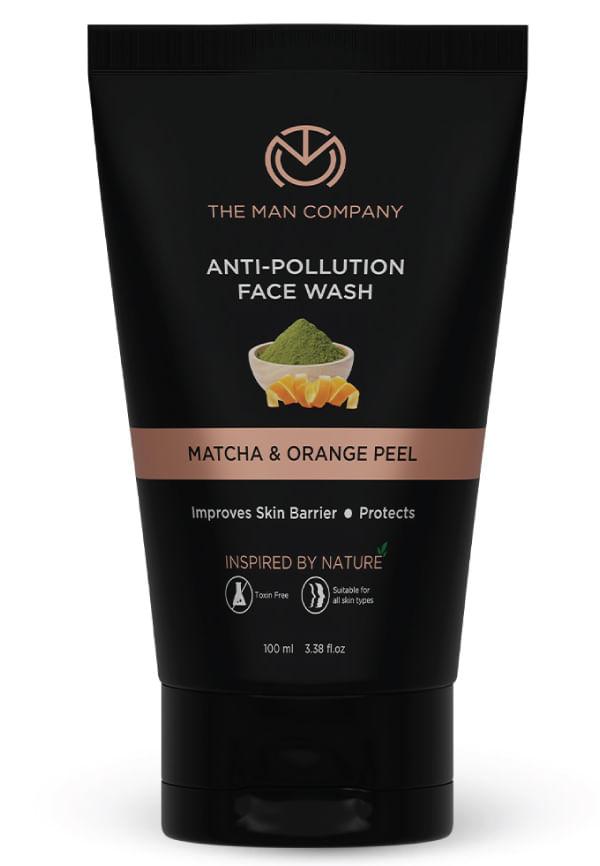
Anti pollution Face Wash
The thirties often bring the first signs of ageing and may coincide with hormonal changes, especially for women dealing with pregnancy or career stress. This is when a balanced approach works best - maintaining your preventative routine whilst introducing gentle corrective measures. You might add a low-strength retinol or start using chemical exfoliants once or twice a week. The key is gradual introduction and listening to your skin's needs.
As you enter your forties, corrective skincare often becomes more important, though prevention remains crucial. This is when you might invest in stronger retinoids, peptide serums, or professional treatments. However, don't abandon your SPF and moisturiser - they're still your best defence against further damage. Many people find that combining professional treatments with a solid at-home routine gives the best results.
Creating a routine that works for your specific skin type, concerns, and lifestyle requires honest assessment and patience. The Indian climate adds another layer of complexity, as humidity, pollution, and intense UV exposure all impact how products perform on your skin.
Start by taking a realistic look at your skin. Do you have existing concerns that need addressing, or is your skin relatively healthy and in need of protection? Consider your age, lifestyle, and family history of skin issues. If you're dealing with active acne, significant sun damage, or other visible concerns, corrective measures might take priority. If your skin is generally healthy, focus on prevention with selective corrective treatments.
Most effective routines combine both approaches. Your morning routine should emphasise protection - gentle cleanser, antioxidant serum, moisturiser, and SPF. Evening routines can focus more on correction and repair - perhaps a retinol serum, peptides, or exfoliating acids. Weekly treatments like masks or professional-grade exfoliants can provide additional corrective benefits without daily irritation.
The enthusiasm for results can lead to over-exfoliation, especially in humid climates where your skin might already be stressed. Many people also underestimate the importance of indoor sun protection - those UV rays come through windows too. Another common mistake is introducing too many active ingredients at once, which can compromise your skin barrier and lead to irritation or breakouts.
Deciding between professional treatments and at-home care depends on your specific concerns, budget, and time availability. Both have their place in a comprehensive skincare strategy, and understanding when to seek professional help can save you time and prevent potential skin damage from inappropriate self-treatment.
Severe acne, deep acne scars, and significant pigmentation issues often require professional intervention. A qualified dermatologist can prescribe stronger treatments and perform procedures that aren't available for home use. If you've been dealing with persistent skin issues despite a good routine, or if you're considering stronger treatments like prescription retinoids, professional guidance is invaluable.
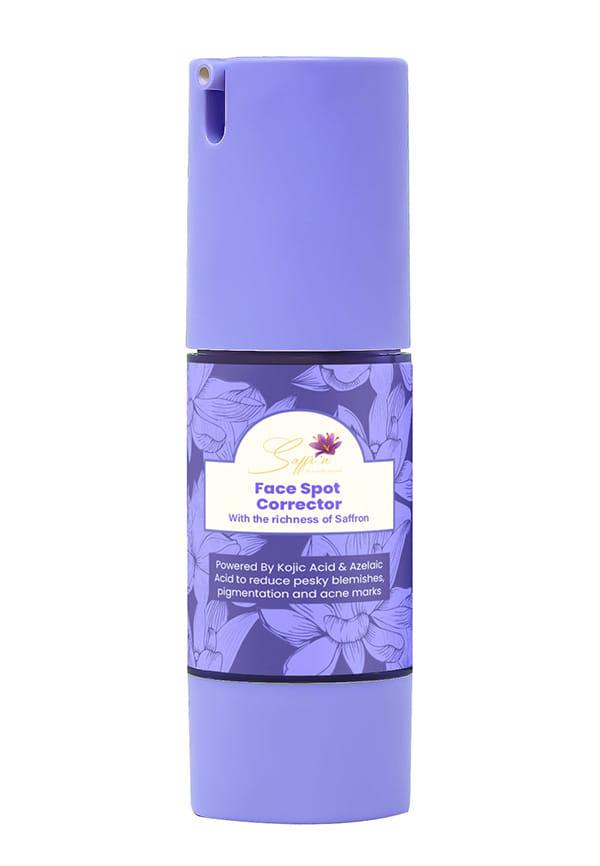
Face Spot Corrector
Many corrective treatments can be effectively done at home with the right products and patience. Over-the-counter retinoids, chemical exfoliants, and targeted serums can address many common concerns. The key is starting slowly, being consistent, and knowing when to step back if irritation occurs. At-home treatments work best when combined with a solid preventative routine.
Absolutely, and this is often the most effective approach. The key is proper layering and timing. Use gentler, preventative products like moisturiser and SPF daily, whilst introducing corrective treatments gradually. Start with one active ingredient and allow your skin to adjust before adding others. Morning routines typically focus on protection, whilst evening routines can emphasise correction and repair.
There's no magic number, as it depends on your individual skin concerns rather than age alone. Some people need corrective treatments for acne in their teens, whilst others might not require them until their thirties or forties. The key is addressing concerns as they arise whilst maintaining preventative measures. If you're unsure, consulting with a dermatologist can help you determine the right timing for your skin.
Preventative skincare results are often subtle and long-term - you might not notice dramatic changes, but your skin will age more slowly and maintain better health over time. Corrective treatments typically show initial results within 4-6 weeks, with more significant improvements appearing after 3-6 months of consistent use. Patience is crucial, as skin cell turnover takes time and rushing the process often leads to irritation.
Both approaches are important for Indian skin, but the specific products and ingredients might vary. The intense UV exposure in India makes preventative care absolutely crucial, regardless of your skin tone. For corrective care, people with deeper skin tones need to be particularly careful with ingredients that might cause post-inflammatory hyperpigmentation. Gentle, consistent approaches often work better than aggressive treatments in the Indian climate.
Preventative skincare can help slow further damage and support your skin's natural repair processes, but it's not designed to reverse significant existing damage. If you have visible concerns like deep wrinkles, significant sun damage, or acne scars, you'll likely need corrective treatments to see meaningful improvement. However, maintaining preventative care alongside corrective treatments helps protect your investment and prevents new damage from occurring.
The choice between preventative and corrective skincare isn't really a choice at all - the most effective approach combines both strategies based on your individual needs, age, and skin concerns. Understanding these differences empowers you to make informed decisions about your routine and helps you set realistic expectations for results.
Remember that skincare is a marathon, not a sprint. Whether you're focusing on prevention or correction, consistency matters more than perfection. Your skin's needs will evolve over time, and your routine should adapt accordingly. The key is starting where you are, with what you have, and building sustainable habits that support your skin's long-term health.
For those curious about trying new products without committing to full sizes, platforms like Smytten offer an excellent way to explore different brands and formulations. With access to minis from trusted brands and the ability to test products before investing in full-size versions, you can discover what works for your unique skin needs without the guesswork. After all, the best skincare routine is the one you'll actually stick to, and finding products you genuinely love makes that consistency so much easier.
