Pigmentation Remove Treatment FAQ: Your Questions Answered


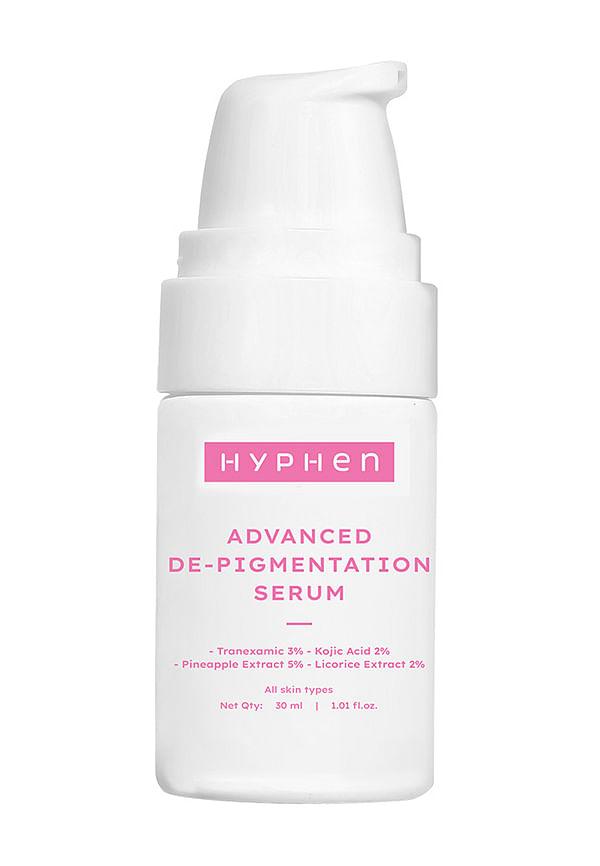 30 ml
30 mlAdvanced De-Pigmentation Serum For Hyperpigmentation, Melasma, Dark Spots & Scars
Dealing with pigmentation can feel like an uphill battle, especially when you're not sure which treatment actually works. Whether you're struggling with stubborn melasma, post-acne dark spots, or sun damage that's overstayed its welcome, finding the right pigmentation remove treatment doesn't have to be overwhelming. Let's dive into the most common questions about tackling uneven skin tone and get you the answers you need to make informed decisions about your skincare journey.
Before jumping into treatments, it's worth understanding what you're actually dealing with. Pigmentation isn't just one thing—it's an umbrella term for various skin discoloration issues that can pop up for different reasons.
Your skin produces melanin as a natural defence mechanism, but sometimes this process goes a bit haywire. Here's what typically triggers excess pigment production:
Sun damage and UV exposure: The most common culprit behind age spots and general skin discoloration
Hormonal changes: Pregnancy, birth control pills, and hormone replacement therapy can trigger melasma
Post-inflammatory hyperpigmentation: Dark marks left behind after acne, cuts, or other skin injuries
Ageing and genetics: Some people are simply more prone to developing pigmentation issues over time
Not all dark spots are created equal. Identifying your specific type helps determine the best approach for treatment:
Melasma: Symmetrical brown patches, often on the face, triggered by hormones
Age spots: Flat brown spots that appear on sun-exposed areas like hands and face
Post-acne marks: Dark spots left behind after breakouts heal
Sun spots: Similar to age spots but specifically caused by UV damage
Real talk—there's no one-size-fits-all answer here. The best hyperpigmentation treatment depends on your skin type, the depth of pigmentation, and your budget. Let's break down your options.
If you're looking for faster, more dramatic results, professional treatments might be your best bet:
Laser therapy: Targets pigment cells directly, great for stubborn spots
Chemical peels: Remove damaged skin layers to reveal brighter skin underneath
IPL (Intense Pulsed Light): Uses light energy to break down pigment clusters
Microneedling with serums: Creates micro-channels for better product absorption
For those who prefer a gentler approach or want to maintain professional treatment results, topical solutions offer excellent options:
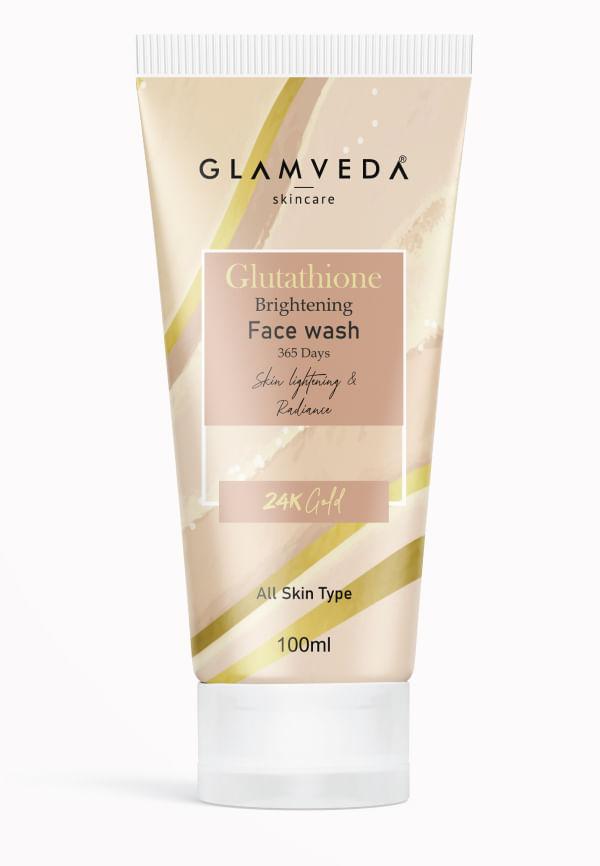 100 ml
Glutathione 24 k Gold Face Wash Reduce Dark spots & Pigmentation, Lightens skin Complexion
Prescription-strength ingredients: Hydroquinone, tretinoin, and kojic acid combinations
Over-the-counter formulas: Vitamin C, niacinamide, and alpha hydroxy acids
Combination therapy: Using multiple ingredients together for enhanced results
This is probably the question everyone wants answered, and honestly, it's complicated. While many pigmentation issues can be significantly reduced or even eliminated, "permanent" removal isn't always realistic.
Most successful pigmentation treatments offer long-term reduction rather than permanent removal. Here's what you can realistically expect:
Significant lightening: Most treatments can reduce pigmentation by 70-90%
Maintenance required: Regular skincare and sun protection are essential
Prevention is key: Stopping new pigmentation is easier than removing existing spots
Several factors influence how well your skin responds to pigment reduction treatments:
Pigmentation depth: Surface-level spots respond better than deep pigmentation
Skin type: Some skin tones are more prone to post-treatment pigmentation
Consistency: Regular treatment and proper aftercare make all the difference
Sun protection: UV exposure can undo months of progress in days
Choosing between professional and at-home treatments often comes down to budget, time, and how quickly you want results. Both approaches have their place in a comprehensive skin brightening treatment plan.
Professional treatments typically offer faster, more dramatic results but require a bigger investment:
Laser treatments: Can target specific spots with precision, results visible in 2-4 sessions
Professional chemical peels: Deeper penetration than at-home options, faster results
Combination approaches: Many dermatologists combine treatments for optimal results
At-home treatments take longer but offer more affordable, gentle options for uneven skin tone correction:
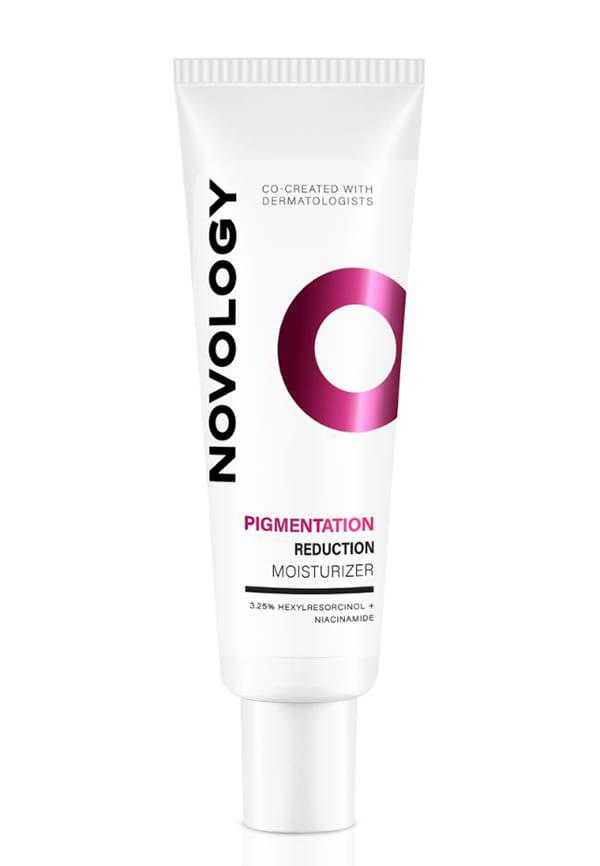 50 g
50 gPigmentation Moisturiser, Face Cream for Hyperpigmentation & Dark Spots
Vitamin C serums: Antioxidant protection plus gradual brightening
Retinol products: Accelerate cell turnover for fresher, more even skin
AHA/BHA exfoliants: Remove dead skin cells and improve product absorption
With so many skin lightening products on the market, finding the right one can feel overwhelming. The key is understanding which active ingredients actually work and how to use them safely.
Focus on products containing these evidence-based ingredients for melasma treatment and general pigmentation concerns:
Vitamin C: Antioxidant that inhibits melanin production
Niacinamide: Reduces inflammation and regulates pigment transfer
Kojic acid: Natural skin brightener derived from fungi
Alpha arbutin: Gentle alternative to hydroquinone
Azelaic acid: Anti-inflammatory with pigment-reducing properties
Even the best dark spot corrector won't work if you're not using it properly:
Start slowly: Introduce new products gradually to avoid irritation
Layer correctly: Apply thinnest to thickest consistency
Be consistent: Daily use is more effective than sporadic application
Protect during the day: Always follow with SPF 30 or higher
When exploring pigmentation treatments, having access to trial sizes can be incredibly helpful. Smytten connects you with over 1,500 trusted skincare brands, letting you try products before committing to full-size purchases. With curated trial packs available for just ₹249, you can explore different sun spot treatment options and find what works best for your skin without the financial risk.
Patience is absolutely essential when it comes to pigmentation removal. Understanding realistic timelines helps set proper expectations and prevents disappointment along the way.
Here's what you can generally expect from different approaches:
Topical treatments: 6-12 weeks for noticeable improvement, 3-6 months for significant results
Chemical peels: 4-6 sessions spaced 2-4 weeks apart
Laser treatments: 3-5 sessions with 4-6 week intervals
Combination therapy: Faster results, typically 8-12 weeks
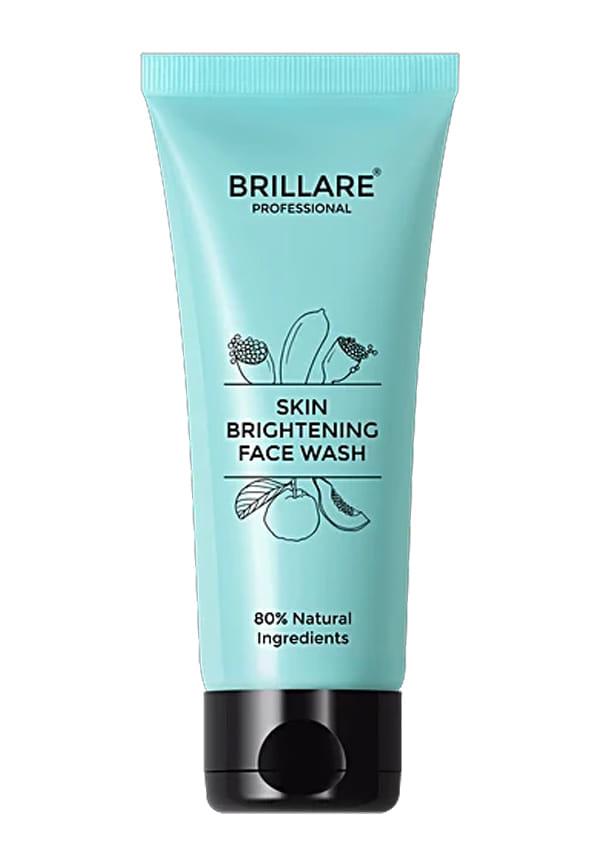 100 ml
Skin Brightening Face Wash For Reducing Pigmentation
Successful pigmentation treatment doesn't end when your spots fade. Long-term maintenance is crucial for preventing new pigmentation:
Daily SPF: Non-negotiable for preventing new sun damage
Gentle skincare routine: Avoid harsh scrubs that can trigger inflammation
Regular maintenance treatments: Monthly or quarterly touch-ups as needed
Antioxidant protection: Vitamin C and other antioxidants help prevent future damage
Most people see initial improvements in 4-6 weeks with consistent treatment, but significant results typically take 3-6 months. Professional treatments may show faster results, while at-home options require more patience.
Topical treatments are generally painless, though some may cause mild tingling. Professional treatments like laser therapy can cause discomfort similar to a rubber band snapping against skin, but most people find it tolerable.
Melasma is hormone-triggered and often requires more aggressive treatment combinations. It's also more likely to return, especially during pregnancy or with hormone changes, making ongoing maintenance crucial.
Yes, especially if you don't protect your skin from UV exposure. Hormonal pigmentation like melasma is particularly prone to returning. Consistent sun protection and maintenance treatments help prevent recurrence.
People with lighter skin tones typically see better results with fewer side effects. Those with darker skin need specialised lasers to avoid post-treatment pigmentation. A dermatologist consultation is essential for proper assessment.
Daily broad-spectrum SPF 30+, protective clothing, seeking shade during peak hours, and maintaining a gentle skincare routine with antioxidants are your best defence against new pigmentation.
Tackling pigmentation requires patience, consistency, and often a combination of approaches. Whether you choose professional treatments, at-home solutions, or a mix of both, the key is finding what works for your skin type and lifestyle. Remember that prevention is always easier than treatment, so investing in good sun protection now will save you time and money later.
With platforms like Smytten offering trial-sized products from trusted brands, you can explore different pigmentation treatments without committing to full-size purchases. This approach lets you test various formulations and find your perfect match before investing in a complete skincare routine. After all, why settle for maybe when you can try it all and find what actually works for your unique skin needs?
