Pigmentation FAQ: Natural Ways to Fade Dark Spots & Even Skin Tone


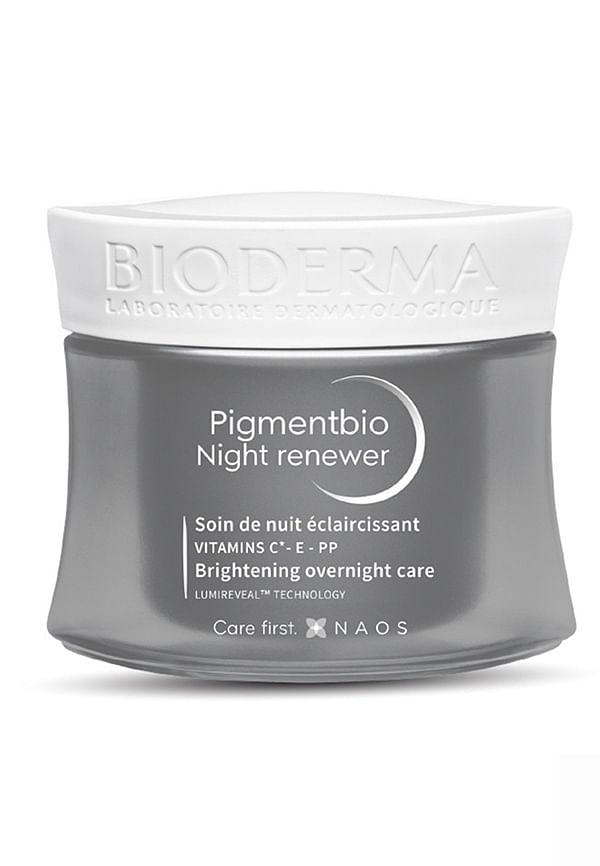 50 ml
50 mlPigmentbio Night Renewer Brightening Overnight Cream for Dark Spots, Sensitive Skin
You've been staring at those stubborn dark spots in the mirror again, haven't you? Whether it's leftover marks from last summer's breakouts or patches that appeared seemingly overnight, facial pigmentation can feel like an unwelcome guest that's overstayed its welcome. The good news? Your kitchen cupboard might hold more solutions than you think. While dramatic overnight transformations are the stuff of social media myths, consistent natural treatments can genuinely help fade dark spots and even your skin tone over time.
Hyperpigmentation is essentially your skin's overenthusiastic response to various triggers. When melanocytes (the cells that produce melanin) go into overdrive, they create those darker patches that seem to highlight every imperfection. Understanding what you're dealing with makes all the difference in choosing the right approach. The most common types include post-inflammatory hyperpigmentation (those marks left behind after spots heal), melasma (often triggered by hormonal changes), and age spots (thanks to years of sun exposure). Each type responds differently to treatment, which is why patience and consistency matter more than quick fixes. Natural remedies work because they gently inhibit melanin production whilst encouraging healthy skin cell turnover. Unlike harsh chemical treatments that can sometimes worsen pigmentation through irritation, natural ingredients work with your skin's healing processes. The key is understanding that skin discoloration remedies require time – typically 6-12 weeks for noticeable results. Your skin renews itself approximately every 28 days, which means any treatment needs at least two full cycles to show meaningful change. This timeline isn't a limitation; it's your skin protecting itself whilst gradually revealing a more even tone.
Not all natural ingredients are created equal when it comes to tackling pigmentation. These eight have genuine scientific backing for their ability to help reduce melanin production and support skin renewal. Aloe vera contains aloin, a compound that research shows can help with depigmentation. Fresh aloe gel applied directly to dark spots twice daily provides gentle, consistent treatment without irritation. It's particularly effective for newer pigmentation marks. Turmeric brings powerful antioxidant and anti-inflammatory properties to the table. Curcumin, its active compound, helps prevent further pigmentation whilst supporting the fading of existing spots. Mix a pinch of turmeric powder with honey for a gentle weekly treatment. Apple cider vinegar contains acetic acid, which provides gentle exfoliation to help remove pigmented skin cells. Always dilute it 1:3 with water, and never use it undiluted on your face. Start with once weekly application to test your skin's tolerance. Potato juice might sound unusual, but it contains catecholase, an enzyme that can help lighten dark spots. Grate a fresh potato, extract the juice, and apply it to affected areas for 15 minutes before rinsing. Lemon juice provides vitamin C for brightening, but it requires careful handling. The citric acid can make your skin photosensitive, so only use it in evening routines and always follow with SPF the next day. Dilute with equal parts water for safety. Green tea offers antioxidants that help prevent further pigmentation damage. Brew a strong cup, let it cool, and use it as a gentle toner or compress. The polyphenols help protect against environmental damage that worsens pigmentation. Licorice root extract contains glabridin, a natural skin lightening compound that's gentler than many synthetic alternatives. Look for pure licorice root powder to mix into face masks. Black tea water has shown promise in research for melanin reduction. Steep black tea for 10 minutes, cool completely, and use as a daily toner for gradual brightening effects.
Creating effective DIY skin lightening treatments is about combining complementary ingredients safely. These recipes focus on gentle, consistent action rather than aggressive results. The turmeric and honey mask combines anti-inflammatory turmeric with moisturising honey. Mix half a teaspoon of turmeric powder with two tablespoons of raw honey. Apply for 15 minutes, then rinse with lukewarm water. Use weekly to avoid staining. For sensitive skin, an aloe vera overnight spot treatment works beautifully. Extract fresh aloe gel and apply directly to dark spots before bed. The slow, gentle action works whilst you sleep without causing irritation. A potato and lemon brightening mask combines the lightening properties of both ingredients. Grate half a potato, extract the juice, and mix with a few drops of lemon juice. Apply for 10 minutes maximum, then rinse thoroughly. Green tea compresses work well for larger areas of uneven skin tone. Soak cotton pads in cooled green tea and place on affected areas for 10 minutes. This method is particularly soothing for inflamed or irritated pigmentation.
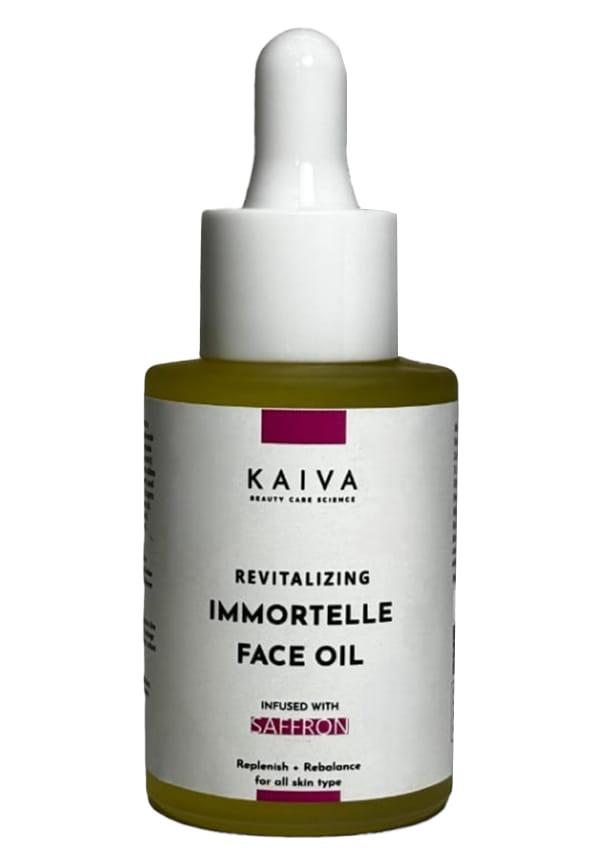 30 ml
30 mlImmortelle Face Oil | Helps Reduce Dark Spots & Pigmentation
The most effective natural remedies for pigmentation extend beyond topical treatments. Your daily habits play a crucial role in both preventing new dark spots and helping existing ones fade. Sun protection isn't negotiable when treating pigmentation. UV exposure can darken existing spots and create new ones faster than any treatment can fade them. Apply SPF 30 or higher every morning, regardless of weather, and reapply every two hours when outdoors. Your diet directly impacts your skin's ability to repair and protect itself. Vitamin C-rich foods like oranges, strawberries, and bell peppers support collagen production and natural skin brightening. Vitamin E sources such as almonds and sunflower seeds help protect against oxidative damage that worsens pigmentation. Hydration affects how efficiently your skin can shed pigmented cells and regenerate healthy ones. Aim for 8-10 glasses of water daily, supplemented with hydrating foods like cucumbers and watermelon. Sleep quality directly impacts skin regeneration. During deep sleep, your skin repairs damage and produces new cells. Poor sleep can slow the fading process and make pigmentation more noticeable. Stress management matters more than you might think. Chronic stress can trigger hormonal changes that worsen conditions like melasma. Regular exercise, meditation, or simply taking time for activities you enjoy can support your skin's healing process. Gentle skincare routines prevent the inflammation that can worsen pigmentation. Avoid harsh scrubbing, which can irritate dark spots and make them darker. Instead, use gentle, circular motions when cleansing and always pat your skin dry.
Natural doesn't automatically mean safe for everyone. Proper patch testing and safety awareness prevent turning a pigmentation problem into an irritation disaster. Always perform a patch test 24-48 hours before trying any new treatment. Apply a small amount to your inner wrist or behind your ear, cover with a plaster, and wait. Look for redness, itching, burning, or swelling. If any reaction occurs, don't use the ingredient on your face. Certain natural ingredients increase photosensitivity, making your skin more vulnerable to sun damage. Lemon juice, apple cider vinegar, and some essential oils fall into this category. Use these only in evening routines and be extra diligent with morning SPF application. Watch for signs that a treatment isn't suitable for your skin. Increased redness, burning sensations, or new dark spots appearing are signals to stop immediately. Sometimes skin needs time to adjust, but persistent irritation means the treatment isn't right for you. Pregnancy and breastfeeding require extra caution with natural treatments. Some ingredients that are safe normally might not be appropriate during these times. When in doubt, consult your healthcare provider. Be mindful of interactions with other skincare products. If you're using prescription treatments or active ingredients like retinoids, introduce natural remedies slowly and consider spacing them apart in your routine.
Managing expectations is crucial for success with home remedies for dark spots. Understanding the natural progression helps you stay consistent when results aren't immediately visible. During weeks 1-2, don't expect visible changes in pigmentation. Your skin is adjusting to new treatments, and you might notice improved texture or reduced inflammation. This foundation work is essential for later improvements. Weeks 3-4 often bring subtle changes that are more noticeable to you than others. Skin texture typically improves first, followed by a slight reduction in the intensity of newer dark spots. By weeks 6-8, you should see the first real signs of lightening, particularly in post-inflammatory hyperpigmentation from recent breakouts. Older, deeper pigmentation takes longer to respond. Weeks 10-12 mark the point where others might start noticing improvements in your overall skin tone evenness. This is when consistency really pays off, and you'll likely feel motivated to continue. Beyond three months, continued gradual improvement is normal and expected. Some deeper pigmentation can take 6-12 months to significantly fade with natural treatments alone. Remember that "remove pigmentation in 7 days" promises are unrealistic and often lead to disappointment or skin damage from overly aggressive treatments. Slow, steady progress is not only safer but often more lasting.
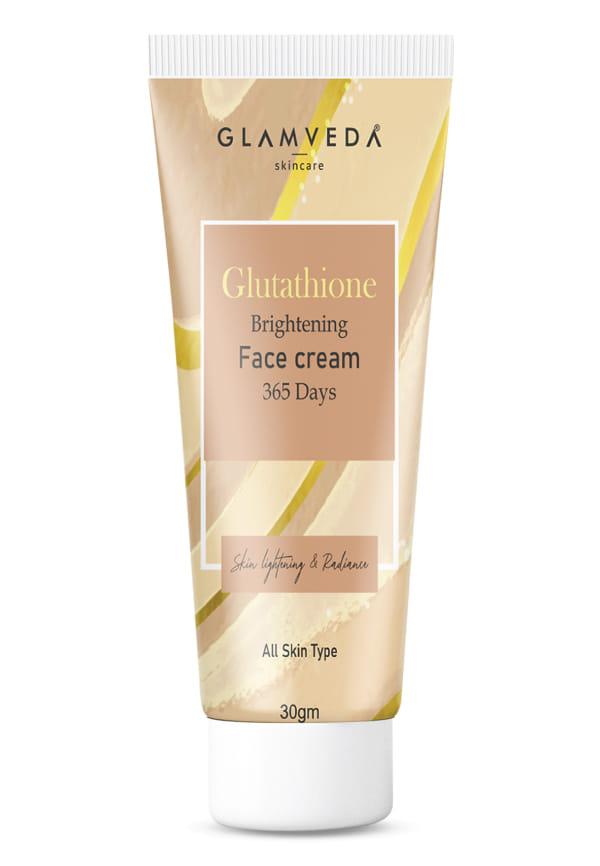 30 gm
30 gmGlutathione Brightening Face Cream Reduce Dark spots & Age spots with Vitamin C
Start with gentle, proven ingredients like aloe vera, turmeric, or diluted apple cider vinegar. Consistency matters more than intensity – apply chosen treatments daily or as directed, always patch test first, and protect your skin with SPF during the day. Combine topical treatments with a healthy diet rich in antioxidants and adequate hydration for best results.
Whilst no food directly removes pigmentation, certain nutrients support your skin's natural healing process. Vitamin C-rich foods like citrus fruits, berries, and leafy greens help with collagen production and natural brightening. Vitamin E from nuts and seeds protects against further damage. Omega-3 fatty acids from fish and flaxseeds help reduce inflammation that can worsen pigmentation.
No, permanent pigmentation removal in a week isn't possible with any safe method, natural or otherwise. Skin cell turnover takes approximately 28 days, so visible improvements typically begin around 6-8 weeks with consistent treatment. Claims of overnight or weekly results often involve harsh treatments that can damage your skin or worsen pigmentation.
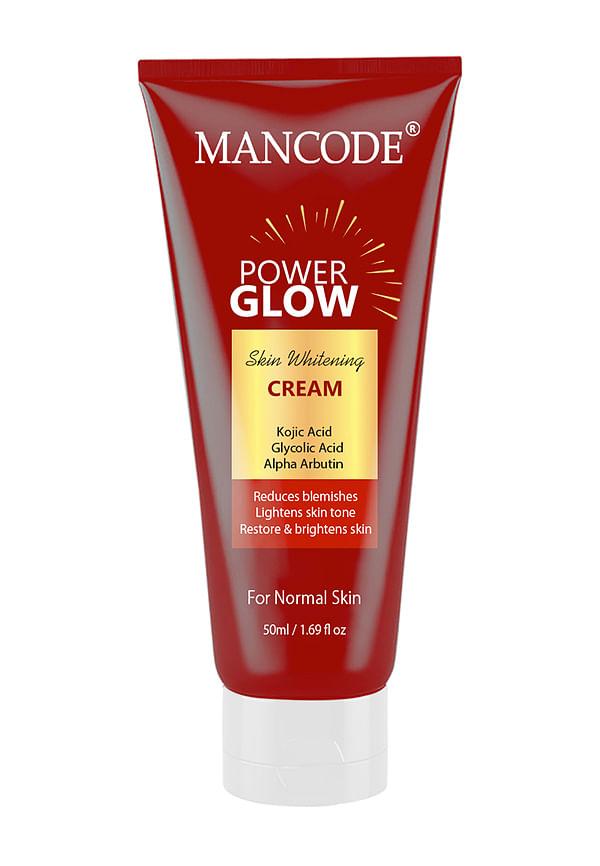 50 ml
50 mlPower Glow Skin Whitening Cream Reduces Dark Spots
While you can't remove pigmentation in 3 days, you can improve overall skin appearance through gentle exfoliation with a honey and oatmeal scrub, intensive hydration with aloe vera gel, and ensuring adequate sleep and water intake. These steps can make existing pigmentation less noticeable by improving skin texture and radiance.
Sensitive skin should avoid undiluted lemon juice, raw apple cider vinegar, and essential oils applied directly to the face. Baking soda scrubs and harsh physical exfoliants can also worsen pigmentation through irritation. Stick to gentle options like aloe vera, green tea, and diluted honey-based treatments.
Yes, if used incorrectly. Over-exfoliation, using photosensitising ingredients without proper sun protection, or applying treatments that irritate your skin can darken existing spots or create new ones. This is why patch testing and gradual introduction of new treatments is essential.
Treating pigmentation naturally requires patience, consistency, and realistic expectations. The journey to more even skin tone isn't always linear – some weeks you'll see progress, others might feel stagnant. This is completely normal and doesn't mean your chosen treatments aren't working. The most successful approach combines gentle topical treatments with lifestyle changes that support overall skin health. Remember that preventing new pigmentation through diligent sun protection is just as important as treating existing spots. If you're curious about trying professional skincare products alongside your natural routine, platforms like Smytten offer access to curated selections from trusted brands. With over 28 million users discovering products through trial sizes, it's a practical way to test ingredients like niacinamide or vitamin C serums before committing to full-size purchases. The platform's cashback system makes exploring new products more affordable whilst you continue your natural treatment journey. Your skin's individual response to treatment will be unique. What works wonderfully for a friend might not suit your skin type or pigmentation pattern. Stay curious, be gentle with yourself and your skin, and remember that the goal isn't perfection – it's healthy, comfortable skin that makes you feel confident.
