Physical vs. Chemical Exfoliant for Indian Skin: FAQ


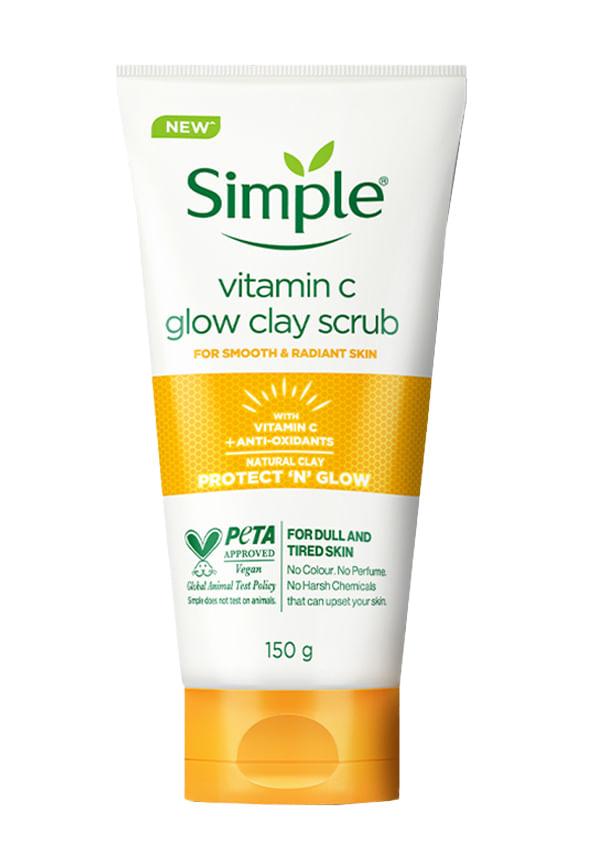
Protect N Glow Vitamin C Glow Clay Scrub
Ever wondered why your skin feels rough despite regular cleansing, or why your serums don't seem to penetrate as well as they should? The answer often lies in dead skin cell buildup, something that affects Indian skin uniquely due to our climate, pollution levels, and melanin-rich complexion. Exfoliation for skin becomes crucial, but choosing between physical and chemical methods can feel overwhelming. Let's break down exactly what works best for Indian skin and why.
Exfoliation is the process of removing dead skin cells from the surface of your skin, revealing the fresh, healthy cells underneath. For Indian skin, this process is particularly important because melanin-rich skin tends to hold onto dead cells longer, leading to a dull, uneven complexion. Our skin naturally sheds dead cells every 28 days, but factors like pollution, humidity, and sun exposure can slow this process down. When dead cells accumulate, they create a barrier that prevents your skincare products from working effectively. This is why your expensive vitamin C serum might not be giving you the glow you expected. Indian skin exfoliation addresses specific concerns that are common in our skin tones. Hyperpigmentation, acne marks, and uneven texture are more noticeable on darker skin because of how melanin responds to inflammation and sun damage. Regular, gentle exfoliation helps accelerate cell turnover, gradually fading these marks and revealing brighter skin. The key difference for Indian skin is that we need to be more cautious about inflammation. Any aggressive exfoliation can trigger post-inflammatory hyperpigmentation, making dark spots worse rather than better. This is why understanding the difference between physical exfoliant and chemical exfoliant methods is crucial for our skin.
Physical exfoliants work through manual scrubbing action. Think face scrubs with granules, cleansing brushes, or even washcloths. These products physically buff away dead skin cells through friction. For Indian skin, physical exfoliation can provide immediate results. You'll notice smoother texture right after use, and your skin might look brighter temporarily. The mechanical action also boosts circulation, giving you that healthy flush. However, physical exfoliation comes with significant risks for melanin-rich skin. The scrubbing action can create micro-tears in the skin, especially if you're using products with harsh granules like crushed walnut shells or apricot kernels. These tiny injuries can trigger inflammation, leading to dark spots that take months to fade.
If you prefer physical exfoliation, opt for gentle options like rice powder, oatmeal-based scrubs, or soft silicone brushes. Use light pressure and limit physical exfoliation to once a week maximum. Always follow up with a soothing moisturiser and never skip SPF the next day.
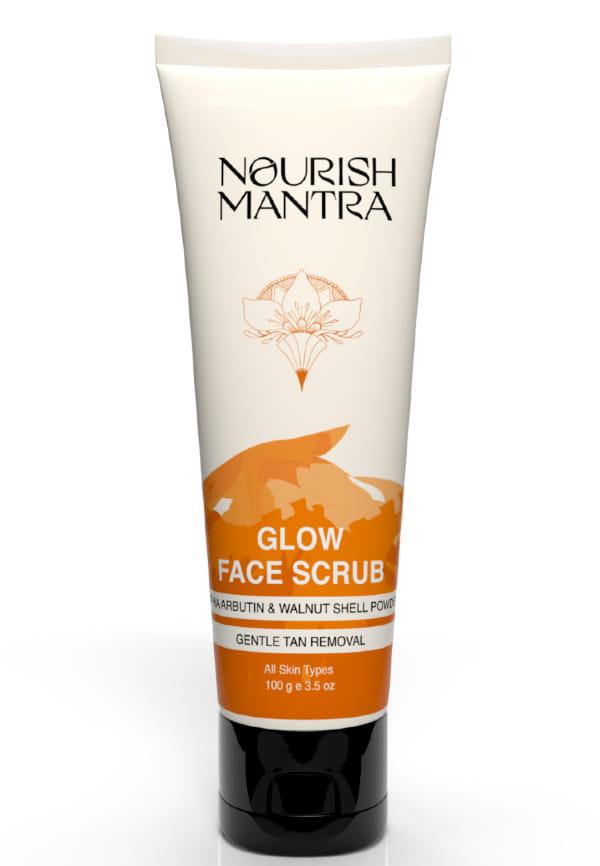
Glow Face Scrub for Tan Removal & Even Toned Skin - 100 gm
Chemical exfoliants work by dissolving the bonds between dead skin cells, allowing them to shed naturally without scrubbing. This method is generally gentler and more effective for addressing specific skin concerns. AHAs for skin include glycolic acid, lactic acid, and mandelic acid. These water-soluble acids work on the skin's surface, making them excellent for addressing dullness, fine lines, and surface-level pigmentation. Lactic acid is particularly good for Indian skin because it's gentler than glycolic acid while still providing effective exfoliation. BHAs for skin, primarily salicylic acid, are oil-soluble, meaning they can penetrate into pores. This makes them ideal for oily, acne-prone Indian skin. Salicylic acid not only exfoliates but also has anti-inflammatory properties, helping to calm active breakouts while preventing new ones. The beauty of exfoliating acids is their precision. Unlike physical scrubs that affect your entire face equally, you can target specific areas with chemical exfoliants. Have stubborn dark spots on your cheeks? Apply a glycolic acid treatment there. Dealing with blackheads on your nose? Salicylic acid is your friend.
Alpha Hydroxy Acids work primarily on the skin's surface. Glycolic acid is the most potent but can be irritating for sensitive Indian skin. Lactic acid offers similar benefits with less irritation, while mandelic acid is the gentlest option, perfect for beginners. Beta Hydroxy Acids penetrate deeper into pores, making them excellent for oily skin types common in Indian climates. Salicylic acid also has anti-bacterial properties, helping to keep acne at bay. Polyhydroxy Acids are the newest category, offering gentle exfoliation with added hydrating benefits. These are perfect for sensitive or mature Indian skin that needs exfoliation without irritation.
When comparing physical exfoliation or chemical exfoliation for Indian skin, chemical methods generally come out ahead. Here's why: chemical exfoliants provide more controlled, even exfoliation without the risk of micro-tears that can lead to hyperpigmentation. Dermatologists often recommend chemical exfoliation for Indian skin because it's more predictable. You can control the concentration, frequency, and specific areas of application. Physical exfoliation, while satisfying in the moment, can be too harsh and unpredictable in its effects. For addressing common Indian skin concerns like acne marks, melasma, and uneven tone, chemical exfoliants are more effective. They work gradually but consistently, helping to fade pigmentation without causing new inflammation. That said, some people with very sensitive skin might find even gentle chemical exfoliants irritating initially. In such cases, starting with enzyme-based exfoliants or very mild physical options might be better.
For dry Indian skin, look for chemical exfoliant for dry skin options that include hydrating ingredients. Lactic acid paired with hyaluronic acid works beautifully, providing exfoliation while maintaining moisture levels. Oily skin benefits most from BHAs like salicylic acid. These not only exfoliate but also control excess oil production and keep pores clear. Start with 0.5% concentration and gradually increase as your skin builds tolerance. Sensitive Indian skin should begin with enzyme exfoliants or PHAs. These provide gentle exfoliation without the irritation potential of stronger acids. Papaya and pumpkin enzymes are excellent natural options. Combination skin requires a targeted approach. Use BHAs on your T-zone where you're oilier, and gentler AHAs on drier areas like your cheeks.
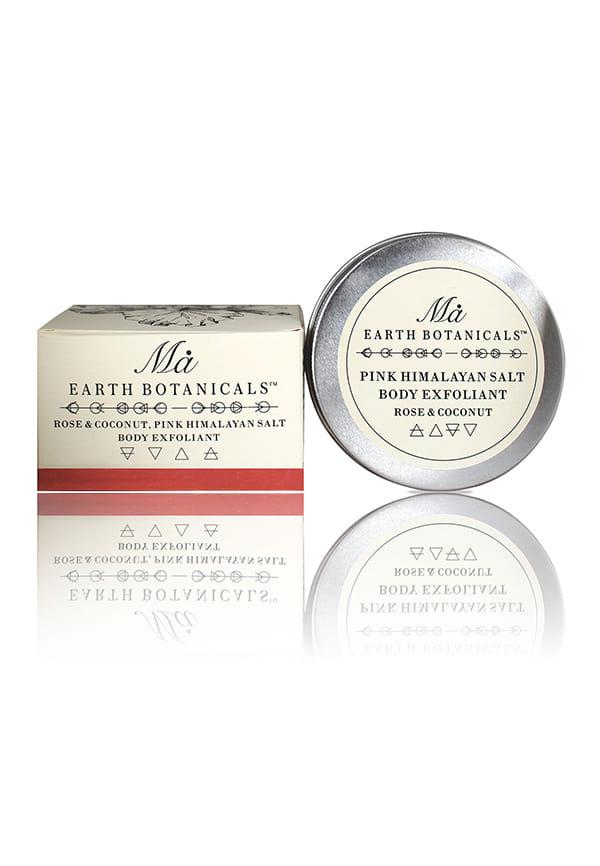
Rose & Coconut, Pink Himalayan Salt Exfoliant
The question "can I use both physical and chemical exfoliant together" comes up frequently, and the answer is: yes, but with extreme caution, especially for Indian skin. If you want to combine both methods, never use them on the same day. You might use a gentle chemical exfoliant 2-3 times a week and a mild physical exfoliant once a week, but always space them apart. Watch for signs of over-exfoliation: increased sensitivity, redness, burning sensation, or new dark spots appearing. Indian skin can develop post-inflammatory hyperpigmentation easily, so it's better to under-exfoliate than overdo it. A safer approach is to stick with one method that works for your skin type and concerns. Most dermatologists recommend choosing chemical exfoliation for its precision and gentleness.
For most Indian skin concerns like hyperpigmentation, acne marks, and uneven texture, chemical exfoliants are more effective and safer. They provide controlled exfoliation without the risk of micro-tears that can worsen pigmentation. However, if you have very sensitive skin that reacts to acids, gentle physical exfoliation might be a better starting point.
Azelaic acid is indeed a chemical exfoliant, but it's gentler than traditional AHAs and BHAs. It offers dual benefits for Indian skin: mild exfoliation and tyrosinase inhibition, which helps prevent new pigmentation from forming. It's particularly effective for post-inflammatory hyperpigmentation and rosacea-prone skin.
Exfoliation can significantly help fade hyperpigmentation by accelerating cell turnover and bringing fresh, unpigmented cells to the surface faster. Chemical exfoliants like glycolic acid and kojic acid are particularly effective. However, consistency is key, and results typically take 6-12 weeks to become noticeable.
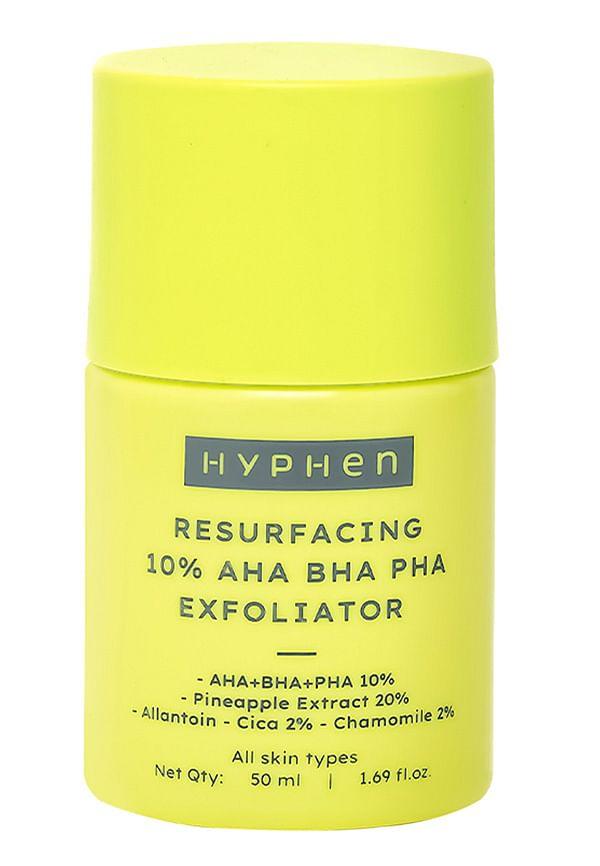
Resurfacing 10% AHA BHA PHA Exfoliator
For rosacea-prone skin, gentle BHAs like salicylic acid are often better tolerated than AHAs. The anti-inflammatory properties of salicylic acid can help calm redness while providing gentle exfoliation. Azelaic acid is another excellent option for sensitive, rosacea-prone Indian skin.
Start with once or twice a week and gradually increase based on your skin's tolerance. Oily skin might handle daily gentle exfoliation, while sensitive skin might only tolerate it twice a week. During monsoon season, you might need to reduce frequency due to increased humidity and sensitivity.
In humid climates, focus on lightweight, water-based exfoliants rather than heavy creams. Use BHAs to control excess oil and prevent clogged pores. Always apply a lightweight moisturiser and never skip SPF, as exfoliated skin is more sensitive to UV damage.
Choosing between physical and chemical exfoliation for Indian skin doesn't have to be complicated. Chemical exfoliants generally offer more benefits with fewer risks for our skin type, particularly when dealing with hyperpigmentation and sensitivity concerns. Start slowly, listen to your skin, and remember that consistency matters more than intensity. Whether you choose AHAs for skin brightening or BHAs for skin that's acne-prone, the key is finding what works for your unique skin needs. Smytten's curated selection includes gentle exfoliating options from trusted brands, making it easier to find products specifically formulated for Indian skin concerns. With over 28 million users discovering their perfect skincare matches, you're in good company on this journey to healthier skin. The platform's trial approach means you can test different exfoliation methods without committing to full sizes, helping you find your ideal routine through informed experimentation rather than expensive guesswork.
