Perioral Dermatitis FAQ: Causes, Symptoms, and Treatment on Indian Skin

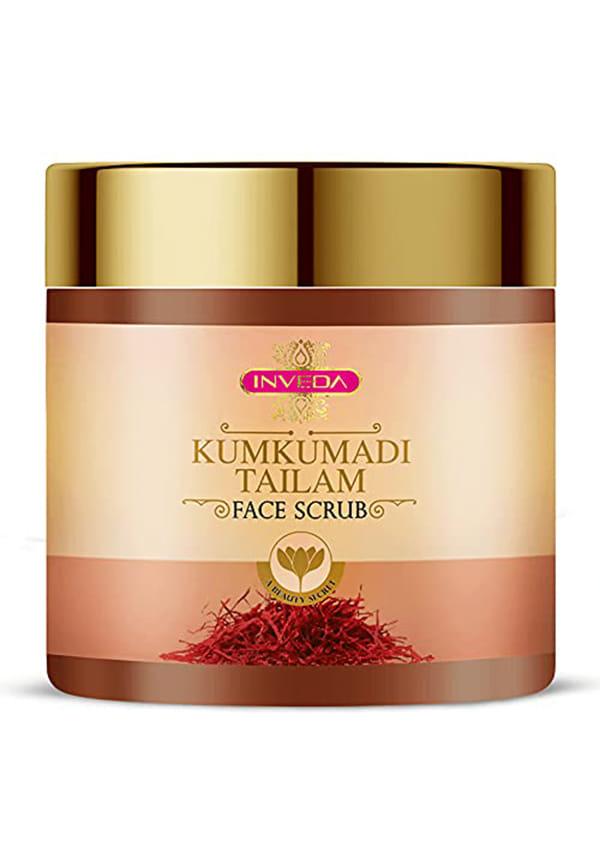
Kumkumadi Tailam Face Scrub | Prevents 9 Skin Problems
That red, bumpy rash around your mouth that appeared out of nowhere and refuses to budge? You're not imagining things, and you're definitely not alone. Perioral dermatitis is a frustrating skin condition that affects thousands of people across India, particularly those with sensitive skin. What makes it especially tricky is how it can look different on Indian skin tones, often leaving behind stubborn dark marks even after the initial rash clears. If you've been wondering whether that persistent irritation around your mouth is something more serious, or if you're tired of trying home remedies that aren't working, this guide will walk you through everything you need to know about recognising, understanding, and treating this common but often misunderstood condition.
Perioral dermatitis is a chronic inflammatory skin condition that primarily affects the area around the mouth, though it can also appear around the nose and eyes. The name literally means "around the mouth skin inflammation," and it's characterised by small, red bumps, pustules, and scaly patches that create a distinctive rash pattern. Unlike regular acne, these bumps typically spare the area immediately around the lips, creating what dermatologists call a "clear zone."
On Indian skin, perioral dermatitis can present some unique challenges. The condition often triggers post-inflammatory hyperpigmentation, leaving dark spots that can persist long after the active rash has healed. This is particularly common in people with higher melanin content in their skin, making early recognition and proper treatment even more crucial.
Many people mistake perioral dermatitis for acne, eczema, or rosacea, but there are key differences. Unlike acne, the bumps in perioral dermatitis are typically smaller and don't have the same comedonal pattern. The rash also tends to be more symmetrical and concentrated around specific facial openings, which is why it's sometimes called periorificial dermatitis.
The symptoms of perioral dermatitis can vary from person to person, but there are several telltale signs to watch for. The condition typically starts with mild redness and gradually develops into more noticeable bumps and scaling. Many people describe an initial burning or stinging sensation before the visible symptoms appear.
On Indian skin, the redness may appear more purple or brown rather than the bright red typically seen on lighter skin tones. This can sometimes delay diagnosis, as the inflammation might be less obvious initially. The itchy skin around mouth sensation is common, though scratching can worsen the condition and increase the risk of scarring.
The most characteristic feature is the pattern of small, red papules and pustules that cluster around the mouth, nose, or eyes. These bumps are typically 1-2mm in size and may have a slightly scaly appearance. The skin between the bumps often appears normal, creating a distinctive "cobblestone" texture. Unlike acne, you won't see blackheads or large cysts.
The clear zone around the lips is another important diagnostic feature. This narrow band of normal skin immediately bordering the lips helps distinguish perioral dermatitis from other skin conditions around mouth areas.
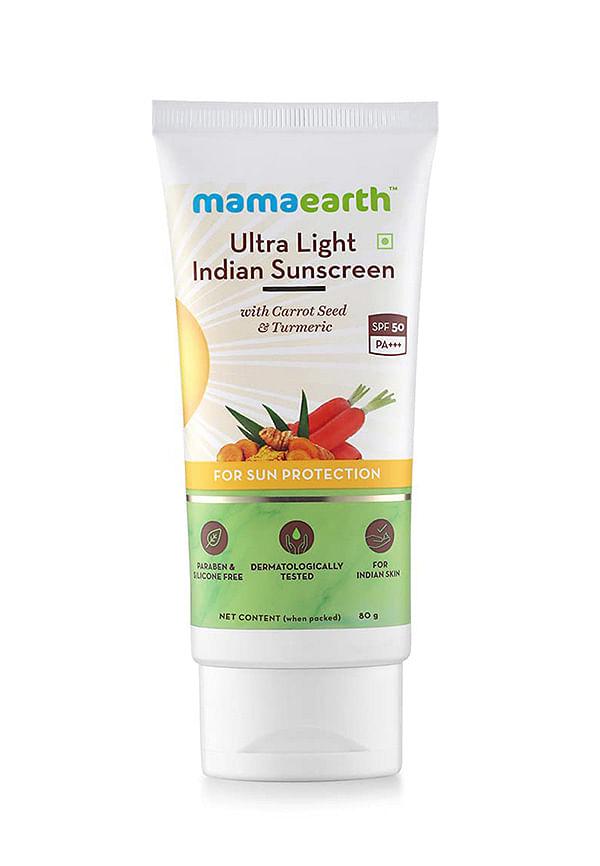
Ultra Light indian Sunscreen
The exact cause of perioral dermatitis isn't fully understood, but several factors are known to trigger or worsen the condition. The most common culprit is the overuse of topical steroids, particularly potent ones applied to the face. These medications can create a cycle where the skin becomes dependent on them, leading to rebound inflammation when they're discontinued.
Heavy moisturisers and occlusive skincare products can also contribute to the problem. In India's humid climate, using products that are too rich or contain certain ingredients like sodium lauryl sulphate can trap bacteria and irritants against the skin, creating the perfect environment for perioral dermatitis to develop.
Several factors common in Indian skincare routines and lifestyle can contribute to perioral dermatitis causes. Fluorinated toothpaste is a frequent trigger, particularly brands that contain high levels of fluoride. The habit of applying heavy, oil-based traditional remedies like ghee or coconut oil to the face can also worsen the condition.
Hormonal fluctuations, particularly common during monsoon season stress or festival periods when dietary patterns change, can also trigger flare-ups. The combination of increased humidity, dietary changes, and stress can create a perfect storm for sensitive skin reactions.
Perioral dermatitis diagnosis is typically made through clinical examination by a dermatologist. The distinctive pattern and location of the rash, combined with a detailed history of skincare product use and potential triggers, usually provides enough information for an accurate diagnosis.
Your dermatologist will ask about recent changes in your skincare routine, any new products you've introduced, and whether you've been using topical steroids. They'll also examine the affected area closely, looking for the characteristic clear zone around the lips and the specific pattern of bumps that distinguishes this condition from others.
In some cases, particularly when the diagnosis isn't clear or the condition isn't responding to standard treatment, your dermatologist might recommend additional tests. A skin scraping can rule out fungal infections, while a bacterial culture can identify any secondary infections that might be complicating the picture.
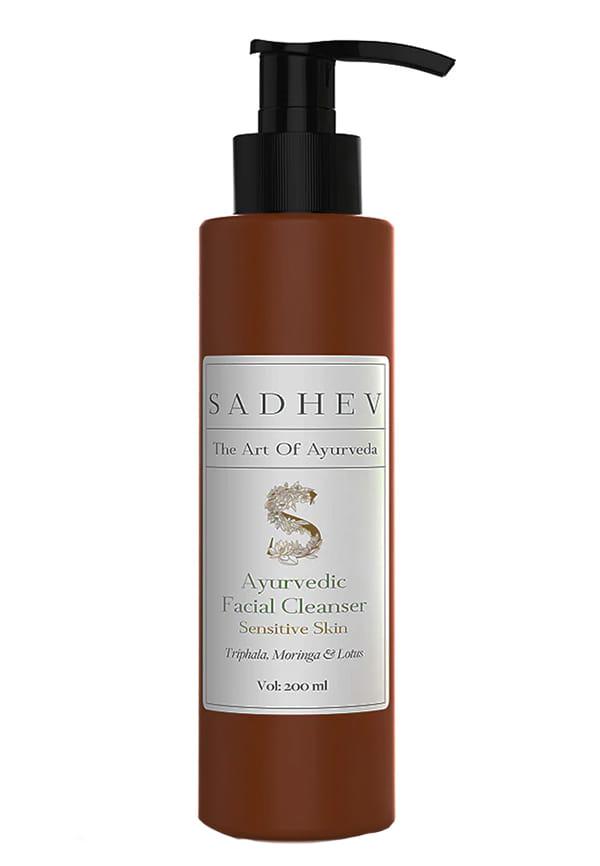
Ayurvedic Facial Cleanser Sensitive Skin
Perioral dermatitis treatment typically involves a two-pronged approach: stopping potential triggers and using appropriate medications to calm the inflammation. The first and most crucial step is discontinuing any topical steroids, which can be challenging as the condition often worsens temporarily before it improves.
Oral antibiotics, particularly tetracycline-class medications like doxycycline or minocycline, are often the first-line treatment. These work not just as antibiotics but also as anti-inflammatory agents, helping to calm the skin's immune response. Treatment typically lasts 6-12 weeks, and patience is essential as improvement can be gradual.
For Indian skin, dermatologists often recommend starting with lower doses to minimise the risk of post-inflammatory hyperpigmentation. Topical treatments like metronidazole gel or azelaic acid can be helpful additions, particularly as they're less likely to cause irritation in sensitive skin.
During treatment, simplifying your skincare routine is crucial. This means using only gentle, fragrance-free cleansers and lightweight, non-comedogenic moisturisers. Many dermatologists recommend switching to SLS-free toothpaste and avoiding heavy makeup or occlusive products until the condition resolves.
While perioral dermatitis home remedies can't replace professional treatment, certain gentle approaches can support healing and prevent flare-ups. Cool compresses with plain water can help soothe burning or itching sensations without introducing potentially irritating ingredients.
Green tea compresses are another gentle option, as the anti-inflammatory properties of green tea can help calm irritated skin. However, it's important to avoid common home remedies like applying honey, turmeric, or essential oils, which can actually worsen the condition.
Dietary modifications might also help some people. Reducing spicy foods during flare-ups and ensuring adequate hydration can support overall skin health. Some people find that reducing dairy consumption helps, though this varies from person to person.
Preventing perioral dermatitis recurrence involves identifying and avoiding your personal triggers. This might mean switching to fluoride-free toothpaste, avoiding certain skincare ingredients, or being more mindful about touching your face. Stress management is also important, as stress can trigger hormonal changes that worsen the condition.
Papayaclean Anti Blemish Face Wash
Unfortunately, perioral dermatitis doesn't clear up overnight. The condition typically takes 6-12 weeks to resolve with proper treatment, and improvement is usually gradual. Anyone promising overnight results is likely offering treatments that could actually worsen the condition in the long run.
The most common triggers include overuse of topical steroids, heavy moisturisers, fluorinated toothpaste, and certain skincare ingredients like sodium lauryl sulphate. Hormonal changes, stress, and bacterial overgrowth can also contribute to development of the condition.
Prevention focuses on avoiding known triggers, maintaining a simple skincare routine with gentle products, using fluoride-free toothpaste if you're sensitive, and managing stress levels. Regular follow-ups with your dermatologist can help catch early signs of recurrence.
Yes, perioral dermatitis can present differently on Indian skin. The inflammation may appear more purple or brown rather than bright red, and there's a higher risk of post-inflammatory hyperpigmentation. This makes early treatment and gentle approaches particularly important.
Most people see success with a combination of stopping topical steroids, simplifying their skincare routine, using prescribed oral antibiotics, and being patient with the healing process. The key is consistency and avoiding the temptation to try multiple treatments at once.
Perioral dermatitis can be frustrating, but it's absolutely treatable with the right approach and patience. The key is getting an accurate diagnosis from a qualified dermatologist and following their treatment plan consistently, even when progress feels slow. Remember that this condition often gets worse before it gets better, especially when discontinuing topical steroids.
For Indian skin, being mindful of post-inflammatory hyperpigmentation and choosing gentle, appropriate treatments is particularly important. Don't let the fear of dark spots prevent you from seeking treatment – early intervention actually reduces the risk of long-term pigmentation issues.
If you're exploring new skincare products as part of your journey back to healthy skin, platforms like Smytten offer a smart way to test gentler formulations before committing to full sizes. With over 28 million users discovering products through trial sizes, it's become easier to find what works for your specific skin needs without the risk of wasting money on products that might not suit you.
