Patch Test Skincare India: Your Questions Answered


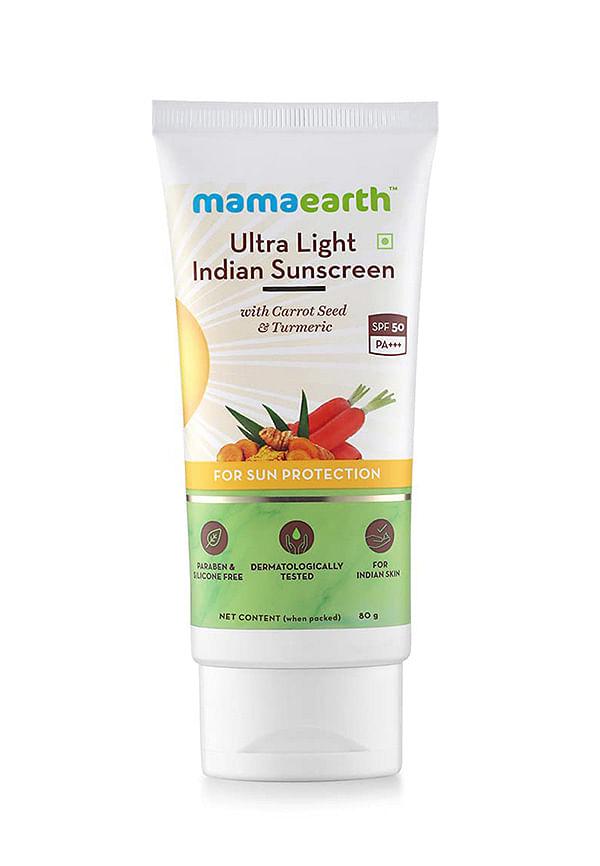
Ultra Light indian Sunscreen
You've just picked up that gorgeous new serum everyone's been raving about, and your skin is practically tingling with excitement. But before you slather it all over your face, there's one crucial step that could save you from a skincare disaster: patch testing. In India's diverse climate and with our unique skin sensitivities, this simple test isn't just recommended—it's essential. Whether you're dealing with monsoon humidity or Delhi's pollution, your skin deserves the safety net of proper testing before welcoming any new product into your routine.
Patch testing is essentially a safety check for your skin—a way to see how your body reacts to a new product before you commit to using it regularly. Think of it as a dress rehearsal for your skincare routine. You apply a small amount of the product to a discrete area of skin and wait to see if any unwanted reactions occur.
For Indian skin, this step becomes even more critical. Our melanin-rich skin can be particularly prone to post-inflammatory hyperpigmentation, meaning that even a minor reaction could leave lasting dark spots. Add to this our country's challenging climate—from Mumbai's humidity to Rajasthan's dry heat—and you've got skin that's already working overtime to maintain its balance.
Indian skin faces unique challenges that make patch testing absolutely vital. The combination of high pollution levels, intense UV exposure, and fluctuating humidity creates a perfect storm for skin sensitivity. Common culprits that trigger reactions include fragrances, certain preservatives, and even some traditional ingredients that we assume are safe because they're "natural."
Real talk: just because something works for your friend doesn't mean it'll work for you. Your skin's reaction to products can vary based on your current skin barrier health, recent sun exposure, and even stress levels.
Getting patch testing right isn't complicated, but it does require patience and attention to detail. Here's exactly how to do it properly, step by step.
Start with completely clean skin that hasn't had any active ingredients applied for at least 24 hours. This means no retinol, no AHAs or BHAs, and definitely no vitamin C. You want your skin in its most neutral state possible. Choose your testing spot—more on the best locations below—and make sure it's an area that won't be disturbed by clothing or daily activities.
Apply a small amount of the product—about the size of a 50 paise coin—to your chosen test area. If you're testing a face serum or treatment, use the same amount you'd typically apply to your entire face, but concentrate it in that small patch. For products like moisturisers or sunscreens, apply as you normally would, but only to the test area.
Leave the product on for the full 48 hours if possible. This gives you time to catch both immediate reactions and delayed sensitivities that might take a day or two to show up.
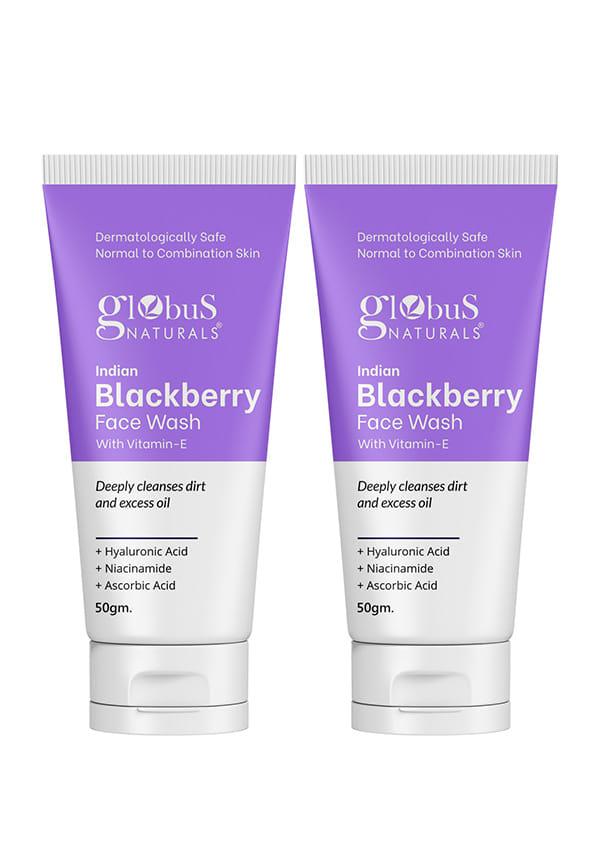
Indian Blackberry Face Wash with Vitamin E
Check your test patch every few hours for the first day, then once daily after that. Look for redness, itching, swelling, burning sensations, or any unusual texture changes. Taking photos can be helpful, especially if you're testing multiple products or want to track subtle changes over time.
The location you choose for patch testing can significantly impact your results. Different areas of your body have varying sensitivity levels, and choosing the right spot depends on where you plan to use the product.
Your inner forearm is the gold standard for most patch testing. The skin here is sensitive enough to catch potential reactions but not so delicate that you'll get false positives. It's also easy to monitor and won't interfere with your daily routine.
For face products, consider testing behind your ear or along your jawline. These areas have similar sensitivity to facial skin but are less visible if a reaction occurs. Sunscreens are particularly worth testing behind the ear, as this area tends to get warm and can help you gauge how the product will feel during India's hot summers.
If you're testing a face mask or exfoliating treatment, start with your inner arm first. If that goes well after 48 hours, you can do a smaller test on a discrete area of your face before using it all over.
Not all skincare products are created equal, and your patch testing approach should reflect that. Here's how to adjust your testing based on what you're trying.
When testing potent actives like retinol, niacinamide, or vitamin C, consider starting with a diluted version. Mix a tiny amount with your regular moisturiser for the first test. If your skin handles that well, you can test the product at full strength. This is especially important for chemical exfoliants and retinoids, which can cause irritation even in non-sensitive individuals.
These products can typically be tested at full strength from the start. Pay particular attention to how sunscreens feel in India's climate—what feels fine in air conditioning might become uncomfortable in humidity. If you're testing during monsoon season, consider how the product interacts with moisture and sweat.
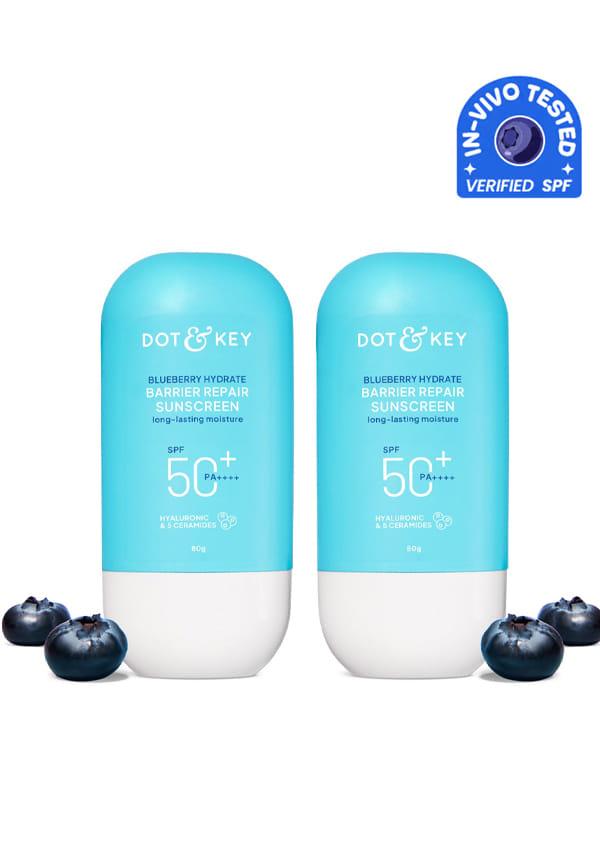
Barrier Repair Sunscreen, In-Vivo Tested SPF 50+ PA++++
Knowing the difference between normal adjustment and problematic reactions is crucial for safe skincare experimentation. Your skin will tell you what it thinks—you just need to know how to listen.
Immediate reactions typically show up within minutes to a few hours. These might include stinging, burning, or obvious redness. Delayed reactions can take 24-72 hours to appear and often manifest as itching, rash, or persistent irritation.
Certain ingredients are more likely to cause reactions, especially in our climate. Fragrances and essential oils top the list, followed by certain preservatives and high concentrations of active ingredients. Don't assume that "natural" automatically means safe—some of the most potent allergens come from plant sources.
If you notice any reaction, remove the product immediately and cleanse the area gently. Document what happened and which ingredient might have caused it, so you can avoid it in future products.
Once you've successfully patch tested a product, the temptation is to dive straight into using it daily. Resist this urge. Your skin needs time to adjust to new products, especially active ingredients.
Start by introducing the new product every third day for the first week, then every other day for the second week. Only after your skin has shown it can handle this frequency should you move to daily use. This gradual approach helps prevent overexfoliation and gives your skin time to build tolerance.
Introduce only one new product at a time, with at least a week between additions. This way, if you do experience a reaction, you'll know exactly which product caused it. It might feel slow, but it's much faster than dealing with damaged skin from rushing the process.
Wait at least 48-72 hours between patch tests to ensure you're not dealing with overlapping reactions. If you had any reaction to the first product, wait until your skin is completely back to normal before testing anything new.

Barrier Repair Sunscreen, In-Vivo Tested SPF 50+ PA++++
It's possible, but not recommended for beginners. If you do test multiple products simultaneously, use different areas of your body and keep detailed notes about which product went where. This approach increases the risk of confusion if reactions occur.
Yes, especially if you have sensitive skin or a history of reactions. Even products from brands you've used before can have different formulations or your skin sensitivity can change over time due to factors like stress, hormones, or climate.
High humidity can intensify certain reactions and make products feel different on your skin. During monsoon season, pay extra attention to how products interact with moisture and whether they cause any unusual sensations when your skin is damp.
Absolutely. Sunscreens and lightweight moisturisers should ideally be tested during warmer weather to see how they perform with heat and humidity. Similarly, richer creams are best tested when your skin actually needs that level of moisture.
Remove the product immediately and cleanse the area gently with lukewarm water. Apply a cool compress if there's swelling or burning. If the reaction is severe—widespread rash, difficulty breathing, or intense swelling—seek medical attention immediately.
Patch testing might seem like an extra step in an already lengthy skincare routine, but it's truly one of the most valuable habits you can develop. Think of it as an investment in your skin's long-term health and your peace of mind. In India's challenging climate, with our unique skin concerns and sensitivities, this simple practice can save you from weeks of dealing with reactions, post-inflammatory hyperpigmentation, or damaged skin barriers.
Remember, your skin is unique, and what works for others might not work for you—and that's perfectly normal. The goal isn't to find products that work for everyone; it's to find products that work for your specific skin. With platforms like Smytten Shop offering access to premium brands and their curated selection, you have more choices than ever. The 28M+ users who've discovered their perfect products through careful testing prove that patience pays off in skincare.
If you're curious about trying new brands but want to test before committing to full sizes, Smytten also offers minis from many trusted brands. It's a practical way to patch test and experience products before making larger investments in your skincare routine.
