PA Rating vs SPF: Your Sunscreen Questions Answered

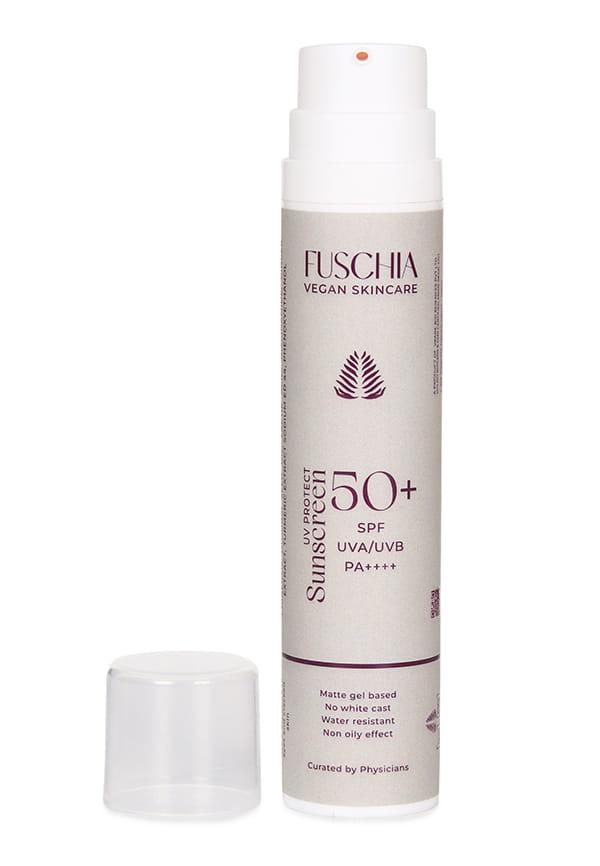
UV Protect Sunscreen with SPF 50+ , UVA/UVB and PA++++ Protection
You've been standing in the skincare aisle for ten minutes, comparing two sunscreens. One says SPF 50, the other SPF 30 PA+++. Which one actually protects your skin better? If you've ever felt confused by these numbers and symbols, you're not alone. Understanding what PA rating means and how it differs from SPF is crucial for choosing the right sunscreen that truly shields your skin from both burning and premature ageing.
Real talk: most of us think SPF is the only number that matters when choosing sunscreen. But here's what your skin actually needs to know. SPF (Sun Protection Factor) only measures protection against UVB rays - the ones that cause that painful red burn after a day at the beach. Meanwhile, PA rating measures protection against UVA rays - the sneaky ones that penetrate deeper into your skin, causing wrinkles, dark spots, and that dull, aged look we're all trying to avoid.
Think of it this way: UVB rays are like that friend who's obviously bad for you - they cause immediate, visible damage (sunburn). UVA rays are more like that toxic relationship that slowly drains you - the damage builds up over years without you noticing until one day you're wondering why your skin looks tired and uneven.
SPF tells you how much longer you can stay in the sun before burning compared to wearing no protection. If you normally burn in 10 minutes, SPF 30 theoretically lets you stay out for 300 minutes (10 x 30). But this only applies to UVB protection - it says nothing about UVA damage happening simultaneously.
PA rating uses a plus sign system (PA+, PA++, PA+++, PA++++) to indicate UVA protection levels. More plus signs mean better protection against the rays that cause hyperpigmentation, premature ageing, and that leathery skin texture nobody wants.
Your skin faces two types of UV radiation daily, and understanding the difference helps explain why you need both SPF and PA rating for complete protection. UVB rays have shorter wavelengths and primarily affect the skin's surface, causing sunburn and contributing to skin cancer risk. UVA rays have longer wavelengths that penetrate deeper into the dermis, breaking down collagen and elastin while triggering melanin production that leads to dark spots.
Modern sunscreens work through two mechanisms: chemical filters that absorb UV radiation and convert it to heat, and physical (mineral) filters like zinc oxide and titanium dioxide that reflect and scatter UV rays. The most effective formulations combine both approaches to create broad spectrum protection that shields against the full UV spectrum.
A sunscreen labeled broad spectrum protects against both UVA and UVB rays. Without this designation, you might be getting excellent UVB protection (high SPF) but minimal UVA protection, leaving your skin vulnerable to premature ageing and hyperpigmentation.
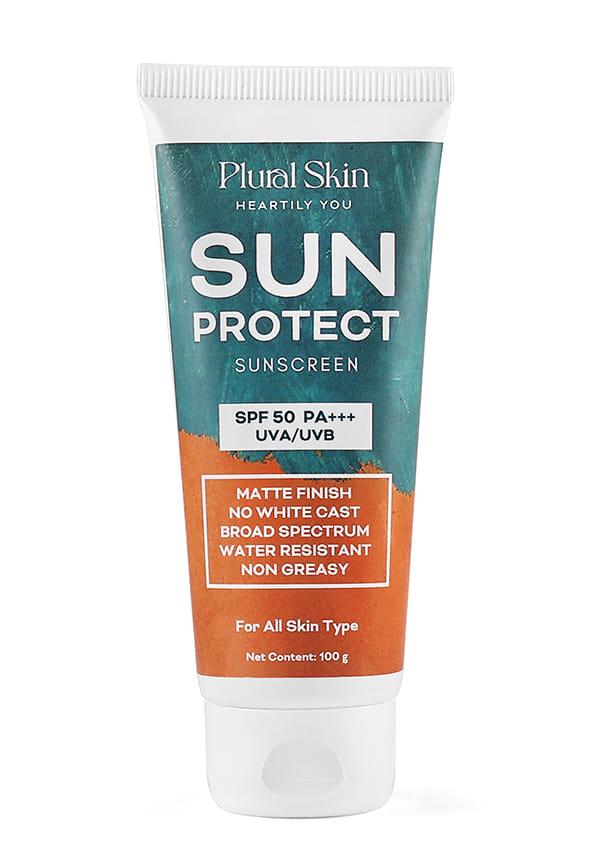
Sun Protect Sunscreen SPF 50+ PA+++ UVA/UVB
The PA rating system originated in Japan and is now widely used across Asia. It's based on the PPD (Persistent Pigment Darkening) test, which measures how much UVA exposure is needed to cause skin darkening. Here's what each level means for your skin's protection.
PA+ provides 2-4 times your natural protection against UVA rays. This is basic protection suitable for minimal sun exposure or indoor use near windows. PA++ offers 4-8 times protection, making it appropriate for daily outdoor activities in moderate sun conditions.
PA+++ delivers 8-16 times your natural UVA protection and is ideal for extended outdoor activities, beach days, or if you're particularly concerned about preventing hyperpigmentation. PA++++ provides the highest level of UVA protection at 16 times or more, perfect for intense sun exposure or if you're using treatments that make your skin more photosensitive.
While Asian markets primarily use the PA system, European sunscreens often display UVA protection with a circle logo or star rating. American sunscreens simply state "broad spectrum" without specific UVA protection levels, making PA ratings particularly valuable for understanding exact protection levels.
Here's where things get interesting: the difference between SPF 30 and SPF 50 isn't as dramatic as the numbers suggest. SPF 30 blocks approximately 97% of UVB rays, while SPF 50 blocks about 98%. That's only a 1% difference in protection, yet many people assume SPF 50 is significantly better.
The real game-changer isn't choosing between SPF 30 and 50 - it's applying enough product and reapplying regularly. Most people apply only 25-50% of the recommended amount, which dramatically reduces the actual protection level regardless of the SPF number on the bottle.
SPF 70 or higher products block only marginally more UVB rays than SPF 50, often less than 1% additional protection. However, higher SPF products might give you a false sense of security, leading to longer sun exposure or skipped reapplication - both of which actually increase your UV damage risk.
The SPF number assumes you're applying 2mg per square centimetre of skin. For your face alone, that's about 1/4 teaspoon of product. Most people use half that amount, effectively cutting their protection in half. An SPF 50 applied thinly might only provide SPF 25 protection.
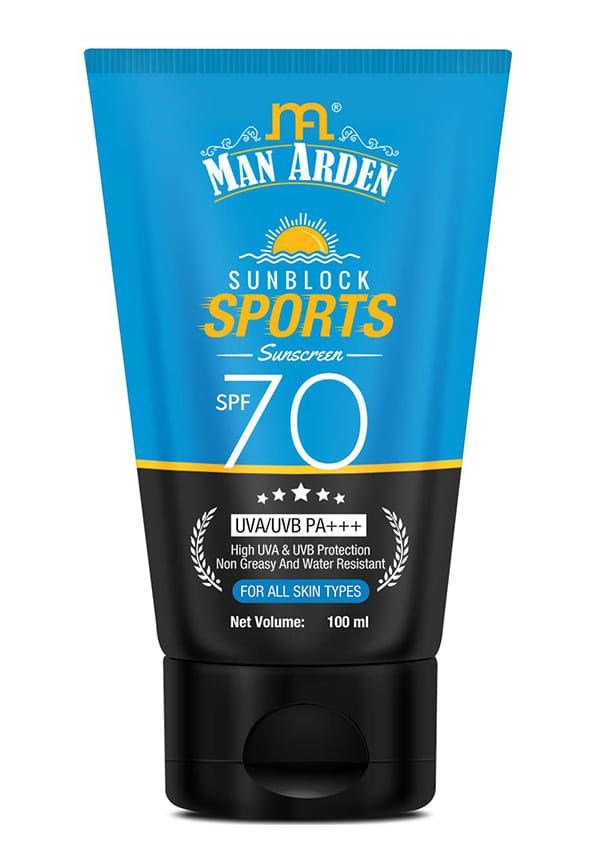
Sun Block Sports Sunscreen SPF 70, For All Skin Types, UVA/UVB PA+++
When shopping for sunscreen, you'll commonly see combinations like SPF 50 PA+++ or SPF 30 PA++++. Understanding what these combinations offer helps you choose based on your specific needs and lifestyle. An SPF 50 PA+++ sunscreen provides excellent daily protection for most people, offering high UVB protection against burning plus substantial UVA protection against ageing and pigmentation.
For maximum protection scenarios like beach holidays or outdoor sports, look for SPF 50 PA++++ formulations. These provide the highest practical level of both UVB and UVA protection without the diminishing returns of ultra-high SPF numbers.
If you spend most of your day indoors near windows, prioritise PA rating over SPF. Glass blocks most UVB rays but allows UVA rays through, making PA+++ or PA++++ protection more crucial than high SPF for preventing indoor UV damage.
In India's intense sun conditions, especially during summer months, aim for at least SPF 30 PA+++ for daily wear. For outdoor activities, festivals, or beach trips, upgrade to SPF 50 PA++++ and reapply every two hours regardless of the protection level.
Your lifestyle and skin concerns should guide your SPF and PA rating priorities. For office workers who primarily face indoor lighting and brief outdoor commutes, focus on finding a comfortable daily sunscreen with at least SPF 30 PA+++. The key is consistent use rather than maximum protection that feels too heavy or greasy to wear daily.
If you're dealing with hyperpigmentation, melasma, or using active ingredients like retinoids or AHAs, prioritise higher PA ratings. UVA rays are the primary trigger for melanin production, so PA++++ protection becomes crucial for preventing dark spots from worsening or new ones from forming.
Sensitive skin types often do better with mineral sunscreens containing zinc oxide or titanium dioxide, which provide excellent broad spectrum protection without chemical filters that might cause irritation. Look for formulations with at least SPF 30 PA+++ that feel comfortable for daily wear.
During monsoon months when sun exposure is limited, you might comfortably use SPF 30 PA++ for daily protection. However, summer months and high-altitude locations require stepping up to SPF 50 PA+++ or higher due to increased UV intensity.
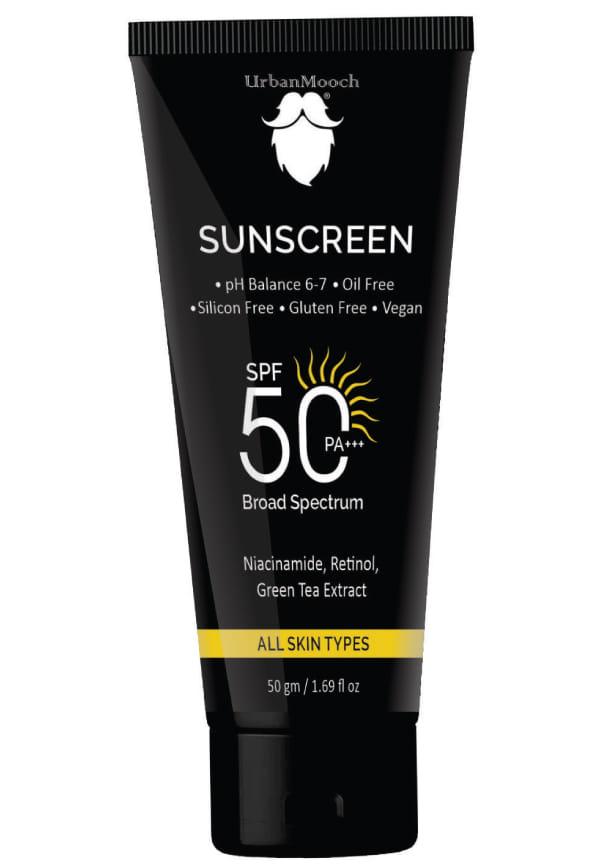
Sunscreen SPF 50 Broad Spectrun PA+++
Neither PA nor SPF is better than the other - they protect against different types of UV rays. SPF protects against UVB rays that cause burning, while PA protects against UVA rays that cause ageing and hyperpigmentation. You need both for complete protection, which is why broad spectrum sunscreen is essential.
SPF 50 blocks 98% of UVB rays that cause sunburn, while PA+++ provides 8-16 times your natural protection against UVA rays that cause ageing, wrinkles, and dark spots. This combination offers excellent daily protection for most skin types and activities.
SPF 70 PA+++ provides excellent protection, though SPF above 50 offers minimal additional UVB protection. The PA+++ rating is more significant, providing substantial UVA protection. Focus on proper application and reapplication rather than chasing higher SPF numbers.
Yes, for indoor use near windows, PA rating is more crucial since glass blocks most UVB rays but allows UVA rays through. Choose at least PA+++ for indoor protection against premature ageing and hyperpigmentation from window exposure.
Absolutely. SPF 30 with PA+++ or PA++++ is ideal for indoor use, providing adequate UVB protection while prioritising UVA protection from window exposure. This combination prevents both burning and long-term skin damage.
Reapply every two hours during sun exposure, regardless of SPF or PA rating. Sweating, swimming, or toweling off requires immediate reapplication. Even the highest protection levels diminish over time and with activity.
Understanding both SPF and PA rating transforms you from someone who grabs any sunscreen to someone who makes informed choices for their skin's long-term health. Remember, the best sunscreen is the one you'll actually use consistently. Whether that's SPF 30 PA+++ for daily comfort or SPF 50 PA++++ for maximum protection, consistent application matters more than perfect numbers.
Your skin will notice the difference when you choose broad spectrum protection that addresses both immediate burning and long-term damage. The combination of proper SPF and PA rating, applied generously and reapplied regularly, is your best defence against premature ageing, hyperpigmentation, and skin damage.
If you're curious about trying different sunscreen formulations to find your perfect match, Smytten's curated selection includes trusted brands with various SPF and PA rating combinations. With over 28 million users discovering their ideal products through trial sizes, you can explore different protection levels and textures before committing to full-size purchases.
