Over-Exfoliation for Indian Skin: Your FAQ

Over-Exfoliation for Indian Skin: Your FAQ
Published Date - 20 May 2026
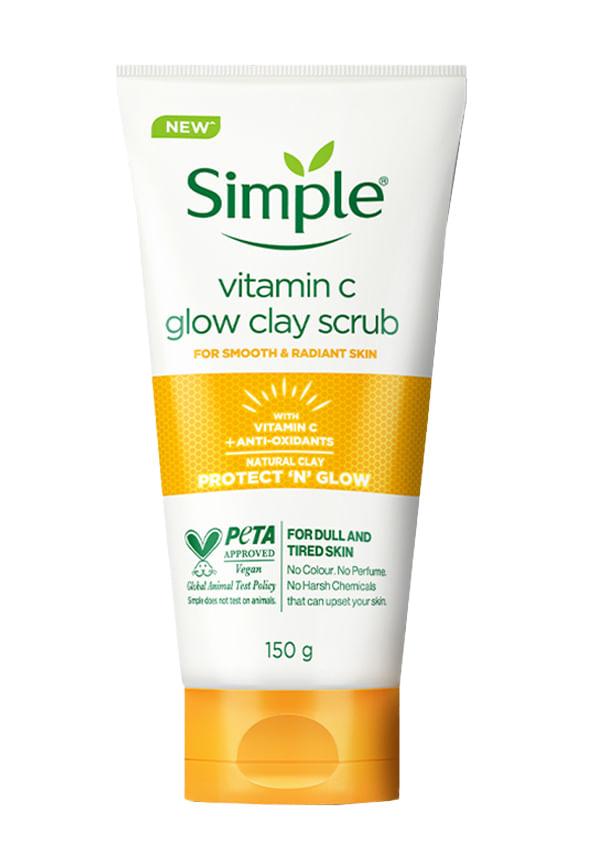
Protect N Glow Vitamin C Glow Clay Scrub
150 gm

Simple

Protect N Glow Vitamin C Glow Clay Scrub

49940 % OFF
299
Your skin feels tight, looks shiny but somehow dull, and that gentle cleanser you've used for months suddenly stings. Sound familiar? You might be dealing with over-exfoliation, a surprisingly common issue that affects Indian skin in unique ways. The promise of glowing, smooth skin can sometimes lead us down a path of too much scrubbing, too many acids, or simply not understanding what our skin actually needs. Let's unpack why over-exfoliation happens, how to spot it, and most importantly, how to help your skin recover.

Understanding Over-Exfoliation and Indian Skin Types

Over-exfoliation occurs when you remove skin cells faster than your body can replace them, essentially disrupting your skin's natural renewal cycle. For Indian skin, this process carries additional considerations that many skincare guides simply don't address.

What Makes Indian Skin Unique?

Indian skin contains higher levels of melanin, which provides natural protection against UV damage but also makes it more prone to hyperpigmentation when irritated. This means that over-exfoliation side effects often manifest as dark spots or patches that can take months to fade. Additionally, the diverse climate conditions across India - from humid coastal areas to dry inland regions - affect how skin responds to exfoliation. Genetically, Indian skin tends to be more reactive to aggressive treatments. What works for other skin types might cause inflammation, leading to post-inflammatory hyperpigmentation (PIH) that becomes the primary concern rather than the original skin issue you were trying to address.

The Science Behind Over-Exfoliation

Your skin barrier consists of dead skin cells held together by lipids, forming a protective shield. When functioning properly, this barrier keeps moisture in and irritants out. Exfoliation helps remove the topmost layer of dead cells, revealing fresher skin underneath. However, when you exfoliate too frequently or too aggressively, you damage this protective barrier faster than it can repair itself. This skin barrier damage triggers inflammation, dehydration, and sensitivity. Your skin might initially appear smoother, but over time, it becomes thinner, more reactive, and paradoxically, more prone to the very issues you were trying to solve - like dullness and congestion.

Signs of Over-Exfoliation: How to Tell if You're Doing It Wrong

Recognising the signs of over-exfoliation early can save your skin from weeks of recovery time. The symptoms often develop gradually, making them easy to dismiss as temporary irritation.

Physical Warning Signs to Watch For

Persistent redness that doesn't fade within a few hours of exfoliating is one of the clearest indicators. Unlike the temporary flush from a good scrub, this redness lingers and may worsen with subsequent product application. Your skin might feel tight and uncomfortable, almost like it's too small for your face. Flaky patches or unexpected peeling, especially in areas where you don't typically experience dryness, signal that your skin barrier is compromised. Perhaps most tellingly, your skin might develop a shiny, almost plastic-like appearance that's different from healthy radiance. This waxy look indicates severe dehydration and barrier disruption.

Behavioural and Product-Related Red Flags

If products you've used comfortably for months suddenly cause stinging or burning, your skin is likely over-exfoliated. This heightened sensitivity extends beyond skincare - you might notice increased sun sensitivity or reactions to fabrics and environmental factors that never bothered you before. Counterintuitively, over-exfoliation can worsen acne. When your barrier is damaged, your skin may overproduce oil to compensate, leading to more breakouts despite your exfoliation efforts. This creates a frustrating cycle where you feel compelled to exfoliate more, further damaging your skin.

Why Over-Exfoliation is Particularly Damaging for Indian Skin

The consequences of over-exfoliation
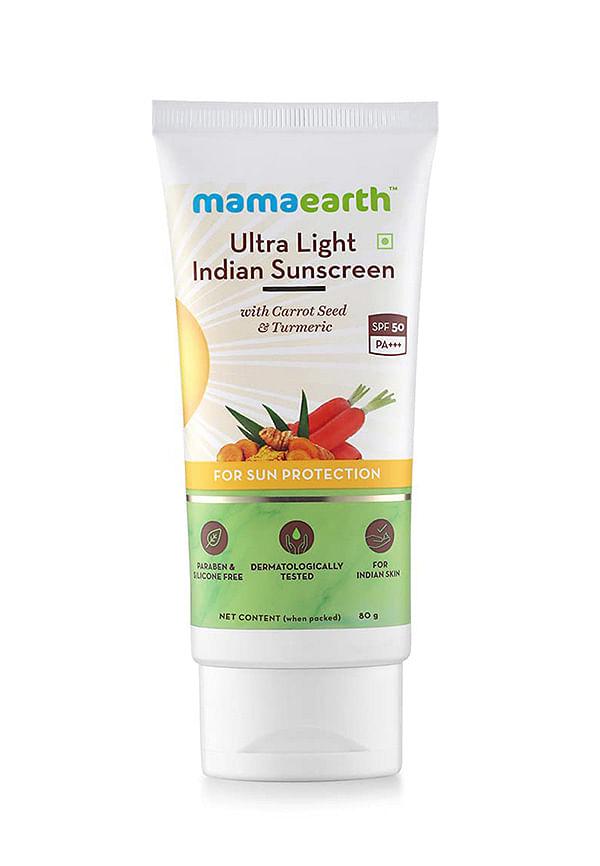
Ultra Light indian Sunscreen
80 ml

mamaearth

Ultra Light indian Sunscreen

49940 % OFF
299
can be more severe and longer-lasting for Indian skin due to several factors that are often overlooked in mainstream skincare advice.

Increased Risk of Hyperpigmentation

Indian skin's higher melanin content, while protective against UV damage, makes it more susceptible to developing dark spots when inflamed. Over-exfoliation creates micro-inflammation that triggers melanocytes (pigment-producing cells) to work overtime. This can lead to post-inflammatory hyperpigmentation that persists long after the initial irritation has healed. The damaged skin barrier also makes existing pigmentation issues worse. When your skin's protective function is compromised, environmental stressors like pollution and UV rays can penetrate deeper, exacerbating conditions like melasma or age spots.

Climate-Related Complications

India's diverse climate conditions create unique challenges for over-exfoliated skin. High humidity can trap bacteria and irritants against compromised skin, while sudden temperature changes between air-conditioned spaces and outdoor heat stress an already weakened barrier. During monsoon season, the combination of humidity and pollution can be particularly problematic for over-exfoliated skin. The compromised barrier allows environmental toxins to penetrate more easily, potentially causing additional irritation and pigmentation issues.

Common Exfoliation Mistakes in Indian Skincare Routines

Many exfoliation mistakes stem from well-intentioned but misguided approaches to achieving clear, glowing skin. Understanding these common pitfalls can help prevent future issues.

Physical Exfoliation Risks

Traditional home remedies like walnut shell scrubs or sugar scrubs, while natural, can be too harsh for regular use. These physical exfoliation methods create micro-tears in the skin, especially when used with excessive pressure or frequency. The irregular shapes of crushed walnut shells, in particular, can cause significant damage to the skin's surface. Combining multiple physical exfoliants - like using an exfoliating brush followed by a scrub - compounds the damage. Even gentle tools can become problematic when used too frequently or with too much pressure.

Chemical Peel Damage and Acid Overuse

The popularity of chemical exfoliation has led to a "more is better" mentality that can be particularly damaging. Layering multiple acids - like using a glycolic acid toner followed by a salicylic acid serum - without understanding how they interact can cause severe irritation. Many people also make the mistake of starting with high concentrations of acids without allowing their skin to adapt gradually. This approach often leads to immediate visible results followed by significant irritation and barrier damage.

How to Heal Over-Exfoliated Skin: Recovery Strategies

Recovering from over-exfoliation requires patience and a complete shift in your skincare approach. The goal is to support your skin's natural healing process rather than trying to speed it up.

Immediate Damage Control

The first step is stopping all exfoliation immediately - both physical and chemical. This includes obvious exfoliants like scrubs and acid toners, but also products with exfoliating ingredients like retinol or benzoyl peroxide
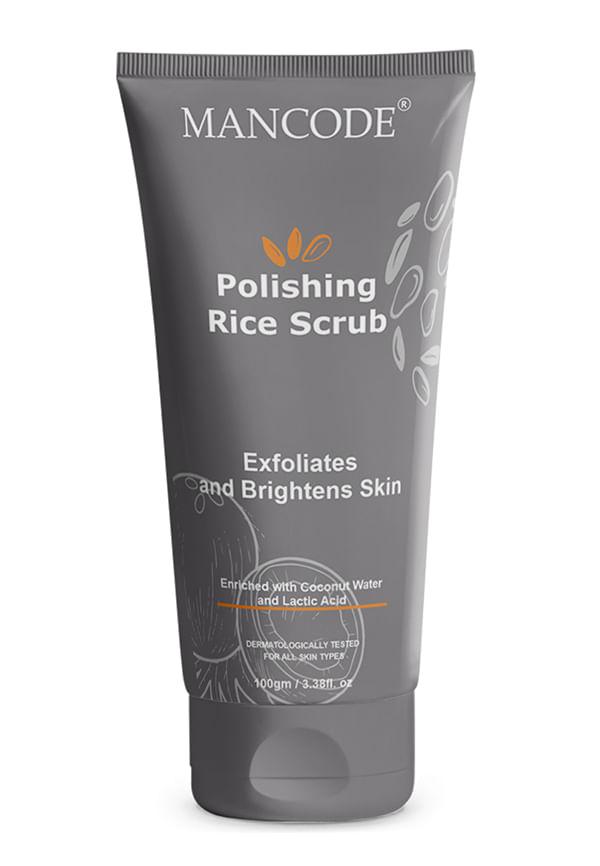
Polishing Rice Face Scrub Exfoliates and Brightens Skin
100 gm

Mancode

Polishing Rice Face Scrub Exfoliates and Brightens Skin

29940 % OFF
179
. Your skin needs time to rebuild its protective barrier without additional stress. Switch to the gentlest cleanser you own, preferably something cream-based or oil-based that won't strip your skin further. Avoid anything with fragrance, essential oils, or active ingredients during this initial recovery phase.

Natural Recovery Methods

For immediate soothing, cool compresses can help reduce inflammation and provide relief from stinging or burning sensations. Aloe vera gel, particularly if you can source it fresh, offers natural anti-inflammatory properties that can calm irritated skin. Simple ingredients from your kitchen can also help. A thin layer of plain yoghurt (without added sugars or flavours) can provide gentle hydration and probiotics that support skin healing. Cucumber slices or cucumber juice can offer cooling relief and mild hydration.

Week-by-Week Recovery Timeline

The first week focuses entirely on damage control and basic hydration. Use only gentle, fragrance-free products and avoid any actives. Your skin might look worse before it gets better as it begins to repair itself. Weeks two and three involve gradually introducing more nourishing products. Look for ingredients like ceramides, hyaluronic acid, and niacinamide, which support barrier repair without causing additional irritation. Brands like Cetaphil and CeraVe offer excellent barrier-repair formulations. By week four, if your skin is responding well, you can consider introducing very gentle actives like low-concentration niacinamide or a mild vitamin C serum. However, avoid any form of exfoliation for at least six weeks.

Preventing Future Over-Exfoliation: Safe Practices for Indian Skin

Once your skin has recovered, establishing safe exfoliation practices is crucial for maintaining healthy skin without repeating past mistakes.

How Much to Exfoliate: Frequency Guidelines

For most Indian skin types, physical exfoliation should be limited to once or twice per week maximum. This includes scrubs, exfoliating brushes, or washcloths. Choose one method and stick with it rather than combining multiple approaches. Chemical exfoliation requires even more caution. Start with once per week using a low concentration (2-5% for glycolic acid, 0.5-1% for salicylic acid) and gradually increase frequency only if your skin tolerates it well. Many people find that 2-3 times per week is their maximum tolerance.

Building a Balanced Skincare Routine

Timing matters significantly when incorporating exfoliation. Evening application is generally safer as it allows your skin to recover overnight without immediate sun exposure. Never exfoliate in the morning unless you're committed to diligent sun protection throughout the day. When building your routine, introduce only one new exfoliating product at a time and wait at least two weeks before adding another active ingredient. This approach helps you identify what works for your skin and what might be causing irritation.

Frequently Asked Questions

Can I still exfoliate while using tretinoin?

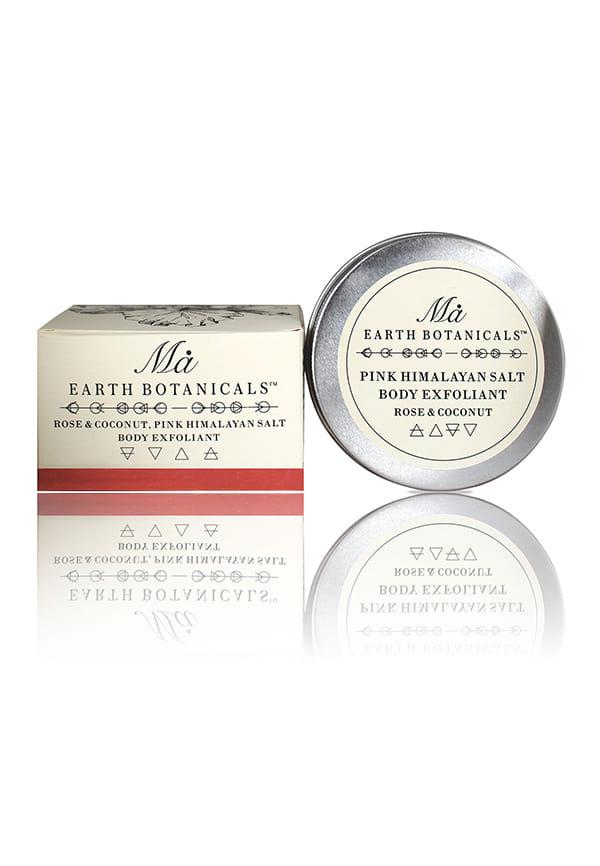
Rose & Coconut, Pink Himalayan Salt Exfoliant
220 gm

Ma Earth Botanicals

Rose & Coconut, Pink Himalayan Salt Exfoliant

1100
Combining tretinoin with additional exfoliation is generally not recommended, especially during the initial adaptation period. Tretinoin itself provides exfoliation benefits by increasing cell turnover. If you've been using tretinoin for several months and your skin has fully adapted, you might be able to introduce very gentle chemical exfoliation once per week, but this should be done under dermatological guidance.

Do I need to exfoliate if I use benzoyl peroxide?

Benzoyl peroxide has mild exfoliating properties and can be quite drying on its own. Adding additional exfoliation while using benzoyl peroxide significantly increases your risk of over-exfoliation. Focus on proper hydration and sun protection instead. If you feel you need additional exfoliation, consider reducing your benzoyl peroxide frequency rather than adding more products.

What is the fastest way to heal over-exfoliated skin?

There's no way to speed up skin barrier repair beyond supporting your skin's natural healing process. The fastest approach is actually the gentlest one: stop all exfoliation, use minimal products, focus on hydration and protection, and be patient. Attempting to rush the process with additional treatments typically prolongs recovery time.

How does over-exfoliated skin look like on Indian skin tones?

On Indian skin, over-exfoliation often appears as persistent redness that may look purple or brown rather than pink. You might notice increased hyperpigmentation, particularly around areas of frequent exfoliation. The skin may appear shiny but dull, with a waxy or plastic-like texture. Dark spots may become more pronounced, and you might develop patchy areas of discolouration.

What are the long-term effects of chronic over-exfoliation?

Chronic over-exfoliation can lead to permanent thinning of the skin, increased sensitivity, and persistent hyperpigmentation that becomes increasingly difficult to treat. The skin may lose its ability to retain moisture effectively, leading to chronic dryness and premature ageing. In severe cases, the skin's natural repair mechanisms can become impaired, making it more susceptible to infections and environmental damage.

Final Thoughts

Recognising and addressing over-exfoliation is crucial for maintaining healthy Indian skin. The key lies in understanding that effective skincare isn't about doing more - it's about doing what's right for your individual skin needs. Recovery takes time, but with patience and the right approach, your skin can return to its healthy, balanced state. If you're curious about gentler alternatives or want to explore barrier-repair products from trusted brands, Smytten's curated selection includes options from Cetaphil, Dot & Key, and other dermatologist-recommended brands. The platform's trial approach lets you test products before committing to full sizes, which can be particularly valuable when rebuilding your routine after over-exfoliation. Remember, the goal isn't perfect skin overnight - it's healthy, resilient skin that serves you well for years to come.
Sangria Experience Logo
Document