Occlusive vs. Emollient Moisturisers India: FAQ

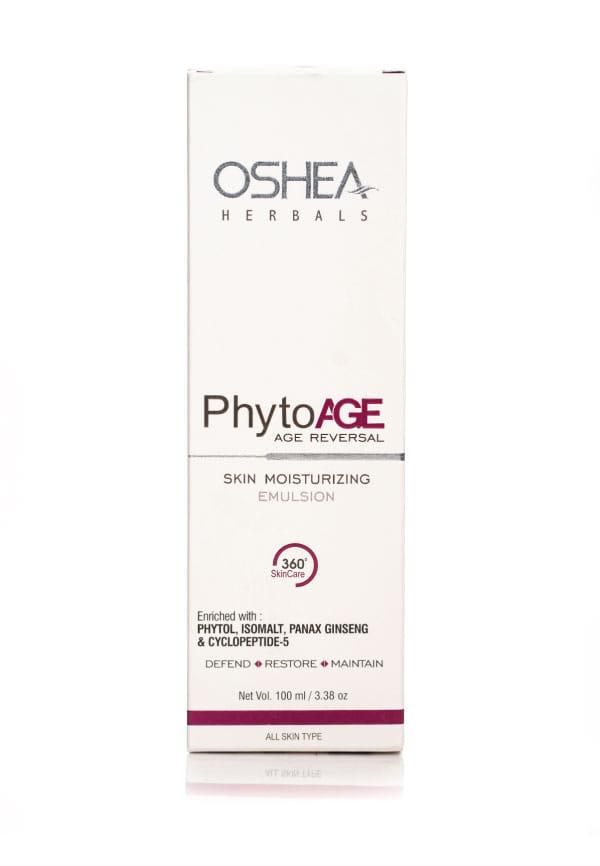
Phytoage Skin Moisturising Emulsion
You've been standing in the skincare aisle for ten minutes, holding two different moisturisers, completely baffled by the ingredient lists. One promises to "lock in moisture" while the other claims to "smooth and soften." Sound familiar? If you've ever wondered about the actual difference between occlusive and emollient moisturisers, especially in India's diverse climate conditions, you're not alone. Let's break down these skincare terms so you can finally choose the right product for your skin's needs.
The world of moisturizer types can feel overwhelming, but it's actually quite straightforward once you understand what each category does for your skin. Think of moisturisers as having different jobs - some are like protective shields, others are like gentle smoothers, and the best ones often combine multiple functions.
Emollient moisturizers are the smooth operators of the skincare world. Their primary job is to soften and smooth your skin by filling in the tiny gaps between skin cells. When your skin feels rough or looks flaky, emollients step in to create that silky, supple texture you're after.
These moisturisers work by penetrating the skin barrier and essentially "plumping up" the spaces between cells. This creates a smoother surface and helps your skin feel softer to the touch. In India's climate, emollients are particularly brilliant because they don't sit heavily on the skin's surface, making them perfect for our often humid conditions.
The texture of emollient moisturisers tends to be lighter and more easily absorbed. They're ideal for oily and combination skin types that need hydration without the heavy, greasy feeling that can worsen breakouts in our tropical weather.
Occlusive moisturizers are your skin's personal bodyguards. Rather than penetrating deeply, they form a protective barrier on your skin's surface to prevent water loss. Think of them as creating an invisible shield that keeps moisture locked in.
These formulations work by literally blocking water from evaporating from your skin. This makes them incredibly effective for very dry skin or during harsh weather conditions. In India, occlusives are particularly useful during winter months or in air-conditioned environments where the air tends to be drier.
Occlusive moisturisers typically have a richer, more substantial texture. They're perfect for dry skin types and areas of the body that tend to get particularly parched, like elbows, knees, and heels.
Here's how these two types stack up against each other:
Function: Emollients smooth and soften; Occlusives create a protective barrier
Texture: Emollients are lighter and absorb quickly; Occlusives are richer and may leave a slight film
Best for: Emollients suit oily to normal skin; Occlusives work well for dry to very dry skin
Climate suitability: Emollients excel in humid conditions; Occlusives shine in dry environments
Understanding moisturizer ingredients helps you make informed choices about what will work best for your skin. Different ingredients serve different purposes, and knowing what to look for can save you from trial-and-error shopping.
Ceramides are among the most effective emollient ingredients you'll find. These naturally occurring lipids help restore your skin barrier while providing that smooth, soft texture. Squalane is another brilliant emollient that mimics your skin's natural oils without feeling heavy or greasy.
Glycerin works as both a humectant and mild emollient, drawing moisture from the environment while smoothing your skin's surface. Natural oils like jojoba oil and argan oil are excellent emollients that work particularly well for Indian skin types, providing nourishment without clogging pores.
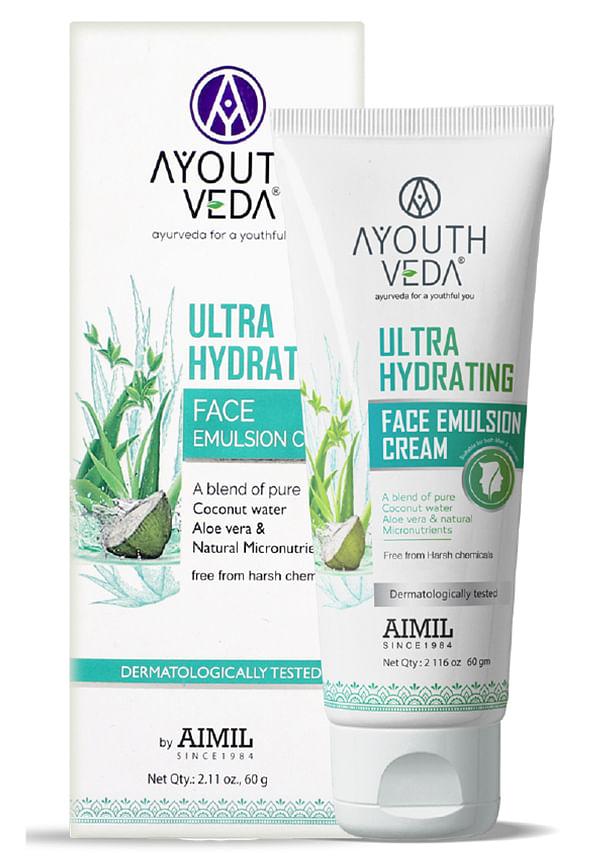
Ultra Hydrating Face Emulsion Cream
Petrolatum (petroleum jelly) is one of the most effective occlusive ingredients available. It can reduce water loss by up to 99%, making it incredibly effective for very dry skin. Dimethicone is a lighter occlusive that provides barrier protection without the heavy feel of petrolatum.
Beeswax and shea butter are natural occlusives that work beautifully in India's climate. They provide barrier protection while still allowing some breathability, which is crucial in our often humid conditions.
Many modern moisturisers combine emollient and occlusive properties, giving you the smoothing benefits of emollients with the protective barrier of occlusives. These formulations often work exceptionally well for Indian skin because they address multiple concerns without being too heavy.
Look for products that list both types of ingredients - you might see hyaluronic acid (humectant) paired with ceramides (emollient) and dimethicone (occlusive) in the same formula.
Selecting the best moisturizers India has to offer depends largely on your skin type and the specific climate challenges you face. What works brilliantly in Mumbai's humidity might feel too light in Delhi's dry winter air.
If you have dry skin, you'll likely benefit more from occlusive moisturisers, especially during cooler months or in air-conditioned environments. Look for products with petrolatum, ceramides, or shea butter as key ingredients.
During monsoon season, you might find that even dry skin needs lighter formulations. This is when switching to an emollient-rich moisturiser can prevent that sticky, uncomfortable feeling while still providing adequate hydration.
Winter months across most of India call for more intensive occlusive protection. Your skin loses more moisture in dry, cool air, so that protective barrier becomes crucial for maintaining skin hydration.
Oily and combination skin types typically respond better to emollient moisturizers. These formulations provide necessary hydration and smoothing without adding excess oil or creating that heavy, suffocating feeling that can trigger more oil production.
In India's humid climate, heavy occlusive moisturisers can sometimes worsen oily skin concerns. Stick to lightweight emollients with ingredients like niacinamide, hyaluronic acid, and glycerin that hydrate without overwhelming your skin.
Sensitive skin often benefits from gentle emollient formulations that soothe and smooth without potential irritants. Look for fragrance-free options with ceramides, colloidal oatmeal, or allantoin.
Avoid heavily fragranced occlusives or products with potential irritants like essential oils or alcohol. Simple, effective formulations work best for reactive skin types.
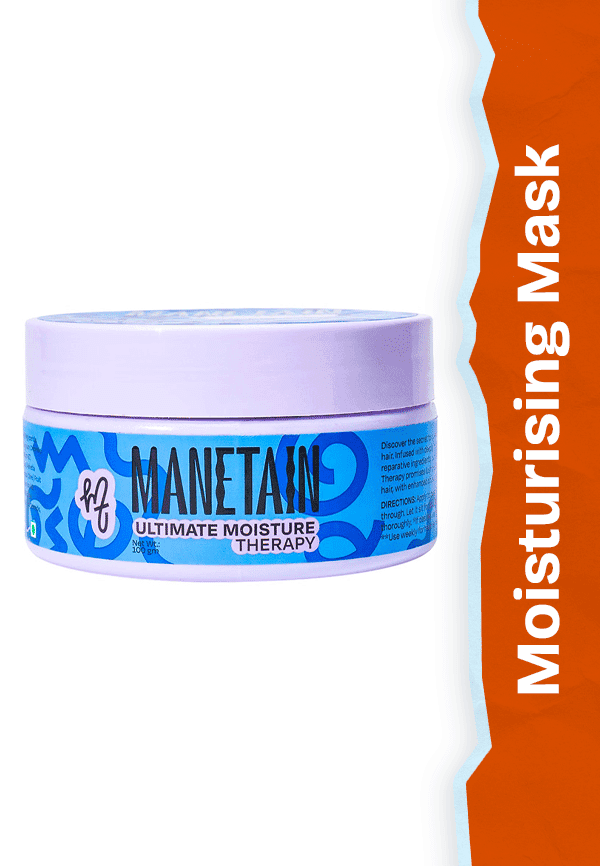
Ultimate Moisture Therapy For Deep Hydration
Incorporating the right moisturiser into your skincare routine is about timing, application, and understanding how different products work together. The key is matching your moisturiser choice to your daily activities and environmental conditions.
Morning routines in India often call for lighter, emollient-rich formulations that absorb quickly and work well under sunscreen. You want hydration without interference with your SPF or makeup application.
Evening routines can accommodate richer, more occlusive formulations. This is when your skin does most of its repair work, and a protective barrier can help lock in all the beneficial ingredients from your nighttime products.
If you're using active ingredients like retinoids or AHAs, an occlusive moisturiser can help buffer potential irritation while ensuring these ingredients stay effective.
Monsoon season calls for lighter, emollient-focused formulations that won't feel sticky in high humidity. Switch to gel-based or lightweight cream moisturisers during these months.
Summer heat requires quick-absorbing emollients that provide hydration without adding to the discomfort of sweating. Look for water-based formulations with hyaluronic acid and glycerin.
Winter months, even in tropical regions, can benefit from more occlusive protection, especially if you're spending time in air-conditioned spaces or traveling to cooler climates.
Apply moisturiser to slightly damp skin when possible - this helps trap additional moisture and makes both emollients and occlusives more effective. Use gentle, upward strokes and don't forget often-missed areas like your neck and behind your ears.
For very dry areas, you can layer a lightweight emollient first, followed by a more occlusive product. This technique, called "moisture sandwiching," maximises hydration while ensuring comfort.
Effective dry skin remedies in India require understanding how our climate affects skin hydration and adapting your approach accordingly. The goal is creating a comprehensive strategy that addresses both immediate comfort and long-term skin health.
The most effective approach combines humectants, emollients, and occlusives in a layered routine. Start with a hydrating toner or serum containing hyaluronic acid (humectant), follow with an emollient moisturiser, and seal everything with a light occlusive if needed.
This three-step approach ensures your skin gets moisture from multiple sources while preventing water loss. It's particularly effective in India's varying climate conditions because you can adjust the intensity of each step based on the weather.
Traditional Indian ingredients like coconut oil, sesame oil, and ghee have natural emollient and mild occlusive properties. These can be excellent additions to your routine, especially for body care.

Oats & Ceramide Sensitive Skin Moisturizer
Aloe vera acts as both a humectant and mild emollient, making it perfect for soothing irritated or sun-exposed skin. Rose water provides gentle hydration and works beautifully as a base layer before heavier moisturisers.
Vaseline (petrolatum) is primarily an occlusive. It creates an effective barrier on your skin's surface that prevents water loss, making it excellent for very dry skin or as a protective layer over cuts and irritated areas. While it may provide some smoothing benefits, its main function is barrier protection rather than the softening action of true emollients.
The best hydrating creams typically contain all three types of moisturising ingredients. Look for products that list hyaluronic acid or glycerin (humectants), ceramides or natural oils (emollients), and dimethicone or petrolatum (occlusives) in their ingredient lists. These multi-functional formulas work exceptionally well for Indian skin because they address hydration from multiple angles.
Absolutely! Layering different types of skin moisturizers can be incredibly effective. Apply the lighter, emollient-rich product first to smooth and soften your skin, then follow with a more occlusive formula to lock everything in. This technique works particularly well for very dry skin or during harsh weather conditions.
Emollient moisturizers generally work better in India's humid climate because they provide necessary hydration without the heavy, sticky feeling that occlusives can create in high humidity. However, air-conditioned environments may still require some occlusive protection to prevent moisture loss.
Emollient moisturisers can typically be applied twice daily - morning and evening. Occlusive moisturisers might only be needed once daily, usually in the evening, unless you have very dry skin or are in particularly harsh environmental conditions. Listen to your skin and adjust frequency based on how it feels throughout the day.
Not necessarily. Many affordable moisturisers contain the same effective emollient and occlusive ingredients as premium products. Focus on the ingredient list rather than the price tag. A simple moisturiser with ceramides, glycerin, and dimethicone can be just as effective as a luxury alternative.
Understanding the difference between occlusive and emollient moisturisers empowers you to make better skincare choices for India's unique climate challenges. Emollients smooth and soften your skin by filling gaps between cells, while occlusives create protective barriers to prevent moisture loss. Neither is inherently better - they simply serve different purposes for different skin needs.
The key to successful moisturising in India lies in matching your product choice to your skin type, the season, and your daily environment. Oily skin typically thrives with emollient-rich formulations, while dry skin often needs the protective power of occlusives. Many of the best moisturisers combine both functions, giving you comprehensive hydration and protection.
Remember that your skin's needs change with the seasons, your age, and even your stress levels. What works perfectly during Mumbai's monsoon might need adjustment during Delhi's winter. Stay flexible with your routine and don't be afraid to switch between different formulations as needed.
Building an effective skincare routine is about understanding your skin and choosing products that support its natural functions. Whether you prefer the lightweight feel of emollients or the protective comfort of occlusives, the right moisturiser is out there waiting for you to discover it. With over 28 million users exploring products through platforms like Smytten, you're part of a community that believes in making informed, confident skincare choices. After all, why settle for maybe when you can find exactly what your skin needs?
