Non-Comedogenic Skincare FAQ: What It Means for Indian Skin


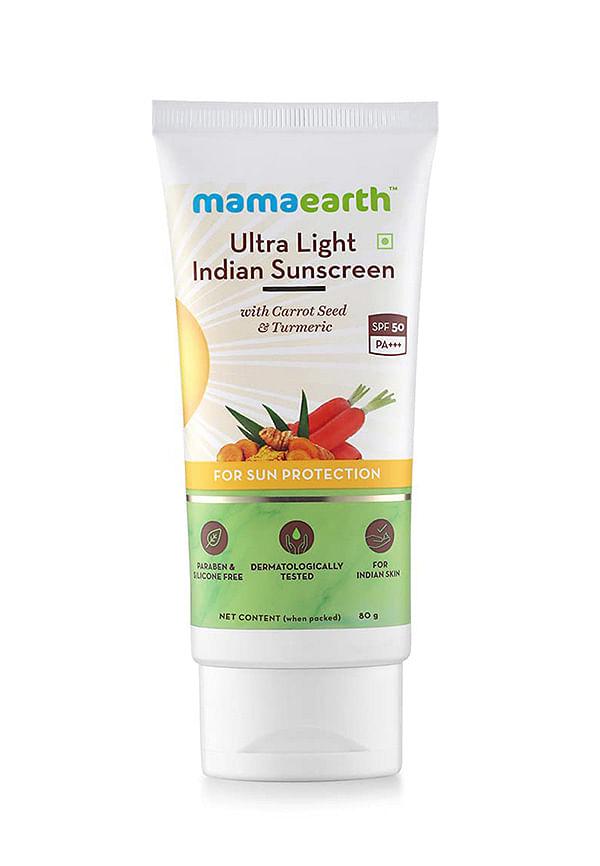
Ultra Light indian Sunscreen
You've just finished your evening skincare routine, feeling quite pleased with your new moisturiser, only to wake up with fresh breakouts dotting your chin. Sound familiar? If you've ever wondered why some products seem to trigger congestion whilst others leave your skin clear and happy, the answer often lies in whether they're non-comedogenic. For those of us dealing with India's unique climate challenges—from Mumbai's humidity to Delhi's pollution—understanding what non-comedogenic means isn't just skincare knowledge, it's essential for keeping our pores clear and our skin healthy.
Let's start with the basics. Non-comedogenic literally means "won't clog pores." The term comes from "comedones"—the technical name for blackheads and whiteheads that form when pores become blocked with oil, dead skin cells, and other debris. When a product is labelled non-comedogenic, it means it's been formulated or tested to minimise the likelihood of causing these pore blockages.
The beauty industry uses a comedogenic scale ranging from 0 to 5, where 0 means an ingredient won't clog pores at all, and 5 indicates it's highly likely to cause congestion. Ingredients rated 0-2 are generally considered safe for most skin types, whilst those rated 3-5 should be approached with caution, especially if you're prone to breakouts or have oily skin.
Your pores aren't just tiny holes in your skin—they're complex structures that house hair follicles and sebaceous glands. When these glands produce excess oil (sebum), and it mixes with dead skin cells and external pollutants, it can create a plug. Add a comedogenic ingredient to the mix, and you've got the perfect recipe for congestion.
What makes an ingredient comedogenic? Usually, it's about molecular size and texture. Heavy oils with large molecules, thick butters, and certain synthetic ingredients can sit on the skin's surface rather than absorbing properly, creating a barrier that traps oil and debris underneath.
Here's where it gets interesting—non-comedogenic isn't always "better" for everyone. If you have very dry skin and live in an air-conditioned environment, you might actually benefit from slightly comedogenic ingredients that provide extra moisture and protection. The key is understanding your skin's needs and your environment.
For most people dealing with acne, oily skin, or living in humid climates, non-comedogenic products are the safer choice. They allow your skin to breathe whilst still providing the hydration and protection you need.
Living in India presents unique challenges for our skin that many international skincare guides simply don't address. The combination of high humidity, intense pollution, and strong UV rays creates a perfect storm for clogged pores. Add to this the fact that many of us have naturally higher melanin levels, which can lead to more noticeable post-inflammatory hyperpigmentation when breakouts do occur.
During monsoon season, the humidity can reach 80-90% in cities like Mumbai and Kolkata. This means your skin is already dealing with excess moisture in the air, making heavy, comedogenic products even more likely to cause congestion. Similarly, the pollution levels in major Indian cities can deposit particles on your skin throughout the day, making thorough cleansing and non-comedogenic skincare even more crucial.
The tropical and subtropical climate across most of India means our sebaceous glands are working overtime. Higher temperatures naturally increase oil production, and when you combine this with humidity, your skin becomes more susceptible to pore blockages. This is why that rich night cream that works beautifully for someone in London might leave you with congested skin in Chennai.
Indian skin also tends to show hyperpigmentation more readily after inflammation. This means that when comedogenic products do cause breakouts, we're not just dealing with the immediate acne—we're also looking at potential dark spots that can take months to fade.
One of the biggest mistakes we see is using the same skincare routine year-round, regardless of seasonal changes. That heavy moisturiser that saved your skin during winter might be too much during the humid summer months. Similarly, layering multiple products without considering their comedogenic ratings can create a cocktail that overwhelms your pores.
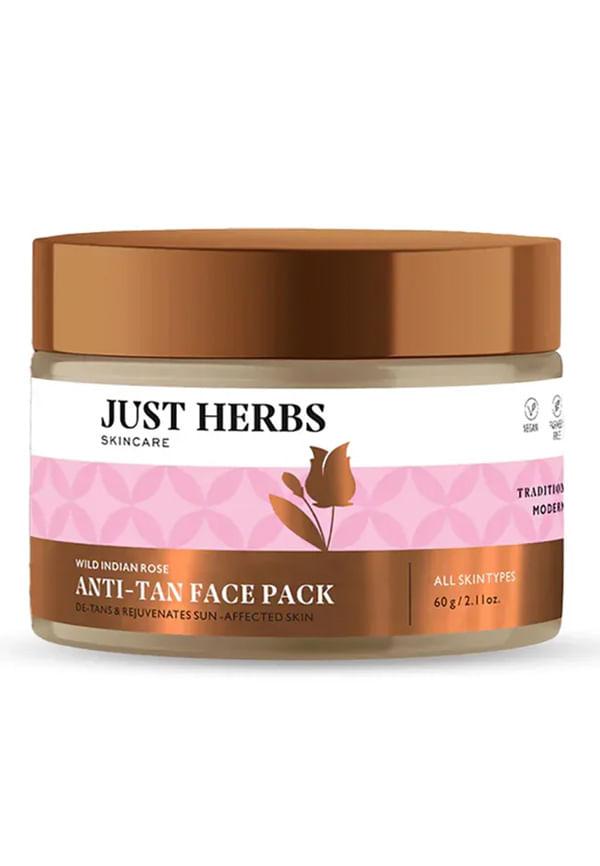
Wild Indian Rose Anti-Tan Face Pack
Another common issue is assuming that "natural" automatically means non-comedogenic. Coconut oil, for instance, is beloved in Indian households but rates a 4 on the comedogenic scale—definitely not ideal for acne-prone skin.
Knowledge is power when it comes to choosing the right products for your skin. Learning to identify pore clogging ingredients on product labels can save you from weeks of frustration and breakouts. The tricky part is that these ingredients often hide behind scientific names or are buried deep in ingredient lists.
It's worth noting that comedogenic ratings aren't absolute—they're based on testing done on rabbit ears decades ago, and individual reactions can vary significantly. However, they still provide a useful guideline, especially for those prone to congestion.
Coconut oil tops the list with a rating of 4. Whilst it's excellent for hair and body care, it's notorious for causing facial breakouts. Cocoa butter and wheat germ oil also fall into this high-risk category. These ingredients are particularly problematic because they're often marketed as "natural" and "nourishing," leading people to assume they're safe for all skin types.
Watch out for derivatives too—anything with "coco" in the name (like coco-caprylate) or wheat-derived ingredients should be approached with caution if you're acne-prone.
Ingredients like shea butter, jojoba oil, and glyceryl stearate fall into this middle ground. They might work perfectly fine for some people, especially those with drier skin types, but could cause issues for others. The key here is concentration—a small amount of shea butter in a well-formulated moisturiser might be fine, but a pure shea butter balm could be too much.
These ingredients often work well in leave-on products for dry skin types but might be problematic in humid conditions or for those with naturally oily skin.
Building a routine that works for Indian skin means considering not just your skin type, but also the climate you're living in and the specific challenges your environment presents. A good non-comedogenic skincare routine should cleanse effectively without over-stripping, hydrate without overwhelming, and protect without clogging.
The goal is to support your skin's natural functions whilst working with, rather than against, your environment. This means lighter formulations during humid months, more hydration during air-conditioned indoor time, and always, always prioritising sun protection.
Start with a gentle, non-comedogenic cleanser that removes overnight oil buildup without stripping your skin. Look for gel or foam cleansers with ingredients like salicylic acid or niacinamide if you're prone to congestion. Follow with a lightweight, water-based moisturiser—even oily skin needs hydration, but it should feel comfortable under makeup and in humid conditions.
Your morning routine must end with SPF, and this is where non-comedogenic formulations really matter. Heavy, comedogenic sunscreens can undo all your careful product selection, so look for mineral or lightweight chemical sunscreens specifically labelled as non-comedogenic.
Evenings are when you can focus on deeper cleansing and treatment. If you wear makeup or sunscreen, consider double cleansing—start with a non-comedogenic cleansing oil or balm, followed by your regular cleanser. This ensures you're removing all traces of the day's buildup without leaving residue that could clog pores overnight.
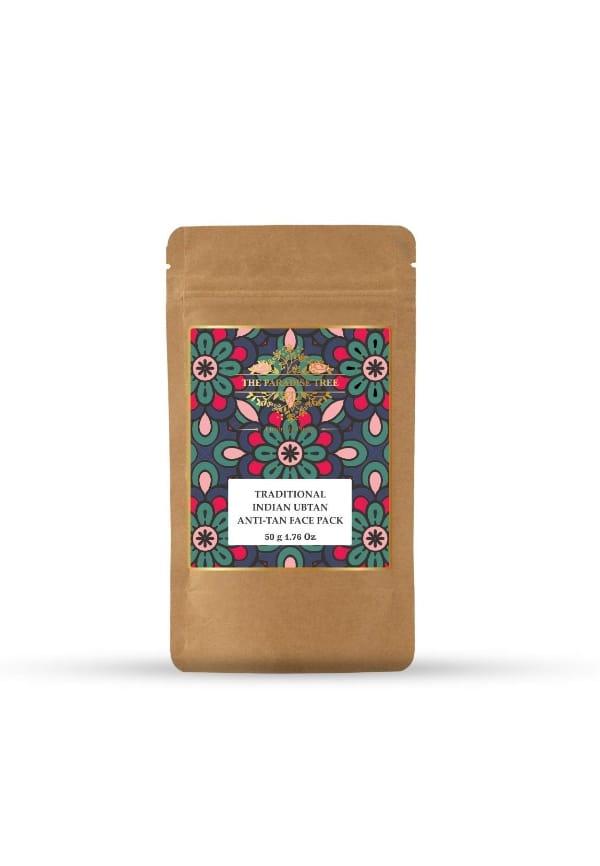
Traditional Indian Ubtan Anti Tan Face Pack
Treatment products like retinoids, AHAs, or BHAs work best at night and can help keep pores clear. Just ensure any treatment products you use are also formulated to be non-comedogenic, as some treatment bases can be quite heavy.
Shopping for skincare can feel overwhelming, especially when you're trying to decode ingredient lists and marketing claims. The key to choosing skincare that won't clog your pores lies in understanding what to look for beyond just the "non-comedogenic" label. Not all products that claim to be non-comedogenic are created equal, and some might still cause issues for particularly sensitive or acne-prone skin.
Remember that your skin's needs can change with seasons, hormones, stress levels, and age. What works perfectly during winter might be too heavy for monsoon season, so be prepared to adjust your routine accordingly.
Ingredients are listed in descending order of concentration, so the first five to seven ingredients make up the bulk of the product. If you see a high-comedogenic ingredient in this top section, it's likely to cause issues regardless of other non-comedogenic ingredients further down the list.
Be wary of vague claims like "dermatologically tested" or "suitable for sensitive skin" without specific mention of comedogenic testing. Look for products that specifically state "non-comedogenic" or "won't clog pores" on the packaging.
Even with the most careful ingredient analysis, the only way to know if a product will work for your skin is to test it properly. Apply a small amount to your inner wrist or behind your ear and wait 24-48 hours to check for any reaction. If all looks good, try it on a small area of your face for a few days before incorporating it into your full routine.
When introducing new products, add only one at a time and give your skin at least a week to adjust. This way, if you do experience any congestion or irritation, you'll know exactly which product is the culprit.
Finding reliable non-comedogenic products in India has become much easier in recent years, with both international and local brands offering excellent options across various price points. The key is knowing which products have been specifically formulated for or tested on skin types similar to yours.
When shopping, consider factors like availability, price point, and whether the brand offers smaller sizes for testing. There's nothing worse than investing in a full-size product only to discover it doesn't work for your skin.
Brands like Cetaphil, Simple, and Neutrogena offer excellent non-comedogenic options that are widely available and affordable. Cetaphil's Daily Facial Cleanser and Moisturising Lotion are dermatologist favourites for good reason—they're gentle, effective, and truly non-comedogenic.
Indian brands like Dot & Key and Minimalist have also developed excellent non-comedogenic formulations specifically for Indian skin and climate conditions. These brands often offer better value for money and understand the specific needs of Indian consumers.
If you're willing to invest more, brands like La Roche-Posay, Paula's Choice, and The Ordinary offer scientifically-backed formulations with extensive non-comedogenic testing. These products often contain higher concentrations of active ingredients and more sophisticated delivery systems.
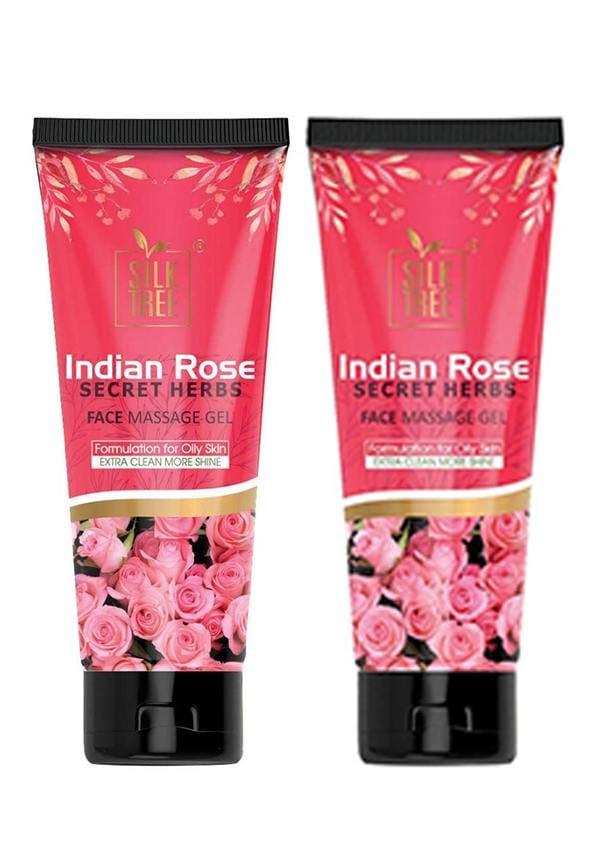
Indian Rose & Secret Herbs Face Massage Gel For Oily Skin
The investment can be worth it if you have particularly challenging skin or haven't found success with more affordable options. Many of these brands also offer travel sizes, making them more accessible for testing.
Not necessarily. If you have very dry skin and aren't prone to breakouts, you might actually benefit from slightly comedogenic ingredients that provide extra moisture and barrier protection. The key is understanding your individual skin needs and environmental factors.
You can, but it's worth considering your environment and skin type. In India's humid climate, even non-acne-prone skin can benefit from lighter, non-comedogenic formulations that won't feel heavy or uncomfortable throughout the day.
Absolutely. Many non-comedogenic products are specifically formulated for dry skin, using ingredients like hyaluronic acid, ceramides, and lightweight oils that hydrate without clogging pores. The key is finding the right formulation for your specific needs.
Most people notice a reduction in new breakouts within 2-4 weeks of switching to a completely non-comedogenic routine. However, existing congestion and hyperpigmentation may take longer to clear, especially if you're also dealing with hormonal factors.
Not at all. Many natural ingredients like coconut oil, cocoa butter, and certain plant oils are actually quite comedogenic. Always check the comedogenic rating of individual ingredients rather than assuming natural equals non-comedogenic.
It's generally better to stick to non-comedogenic products throughout your routine if you're prone to congestion. However, you might be able to use slightly comedogenic products in areas where you don't typically break out, like around your eyes or on your neck.
Understanding what non-comedogenic means and why it matters for Indian skin isn't just about avoiding breakouts—it's about creating a skincare routine that works harmoniously with your environment and skin type. Whether you're dealing with Mumbai's humidity, Delhi's pollution, or Bangalore's changing weather patterns, choosing the right products can make all the difference in maintaining clear, healthy skin.
The journey to finding your perfect skincare routine takes time and patience. Your skin will notice when you make thoughtful choices about the products you use, and the investment in non-comedogenic formulations often pays off in clearer, more comfortable skin over time. Remember that what works for your friend might not work for you, and that's perfectly normal.
For those exploring new brands and formulations, Smytten offers an excellent way to discover non-comedogenic products from trusted brands like Cetaphil, Dot & Key, and many others. With over 28 million users and access to trial sizes from 2,400+ brands, you can test products before committing to full sizes—a smart approach when building a routine that truly works for your skin. After all, why settle for products that might clog your pores when you can find ones that definitely won't?
