Niacinamide on Face FAQ: All Your Questions Answered


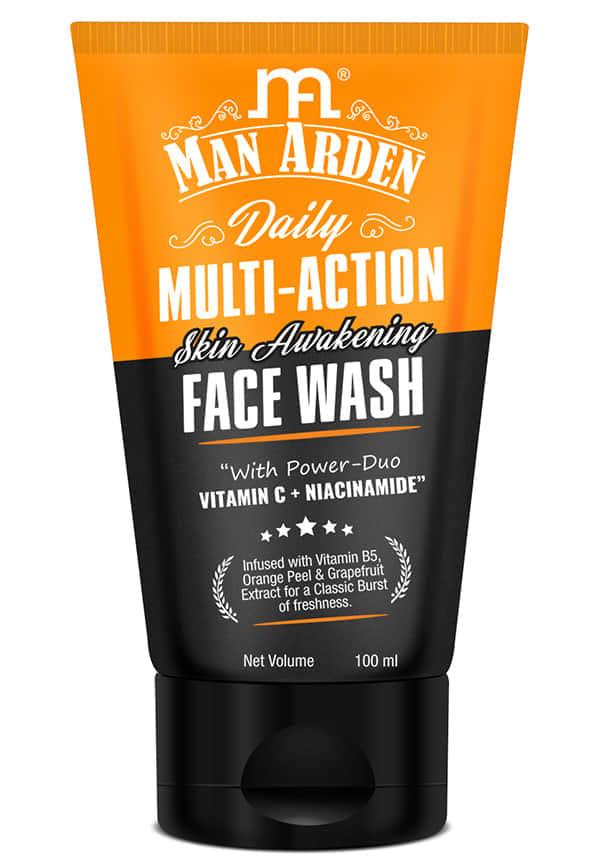
Vitamin C Daily Multi-Action Skin Awakening & Brightening Face Wash Vitamin C + Niacinamide
You've probably seen niacinamide mentioned everywhere lately — from your favourite skincare influencer's routine to that dermatologist's post you saved last week. But between all the hype and the science-y explanations, you're left wondering: what does this ingredient actually do for your face? Whether you're dealing with stubborn pores, post-breakout marks, or just want to understand why everyone's raving about this vitamin B3 derivative, you're in the right place. Let's break down everything you need to know about using niacinamide on your face, from the basics to the brilliant results you can expect.
Niacinamide is essentially vitamin B3 in its most skin-friendly form. Think of it as your skin's multitasking best friend — it doesn't just tackle one concern, it works on multiple levels to improve your complexion. Unlike its cousin niacin (which can cause that uncomfortable flushing feeling), niacinamide is gentle enough for daily use whilst being incredibly effective.
What makes this ingredient so special is how it works at the cellular level. Niacinamide helps your skin produce more ceramides — those crucial lipids that keep your skin barrier strong and healthy. It also regulates oil production without stripping your skin, making it suitable for virtually every skin type. Dermatologists love recommending it because it's one of those rare ingredients that delivers visible results without the irritation that often comes with other actives.
When you apply niacinamide serum for face care, it penetrates your skin and gets to work on multiple pathways. Clinical research shows that concentrations between 2-10% can significantly improve skin texture, reduce pore appearance, and calm inflammation. The beauty of niacinamide lies in its versatility — it's backed by decades of research proving its effectiveness for everything from acne to anti-ageing.
Real talk: niacinamide benefits for skin go far beyond what most people realise. If you're struggling with enlarged pores, this ingredient works by improving skin elasticity around pore openings, making them appear smaller over time. Your skin will notice the difference in texture within a few weeks of consistent use.
For those dealing with redness and sensitivity, niacinamide for redness is genuinely game-changing. It calms inflammation and strengthens your skin barrier, which means less reactivity to environmental stressors. Whether it's post-gym irritation or that annoying flush you get from air conditioning, niacinamide helps keep your complexion calm and even.
When it comes to niacinamide for acne, the ingredient works by regulating sebum production and reducing inflammation. It won't dry out your skin like some harsh acne treatments, but it will help prevent new breakouts whilst supporting your skin's natural healing process. Many people find their skin becomes less congested and more balanced after incorporating niacinamide into their routine.
The niacinamide skin barrier benefits are perhaps the most important. A strong skin barrier means better hydration retention, less sensitivity, and improved overall skin health. Think of niacinamide as your skin's personal trainer — it strengthens the foundation so everything else works better.
Oily skin types particularly benefit from niacinamide's sebum-regulating properties. If you're tired of that midday shine or constantly blotting your T-zone, this ingredient helps balance oil production without triggering more breakouts. Sensitive skin finds relief in niacinamide's anti-inflammatory properties, whilst dry skin appreciates the barrier-strengthening benefits that help lock in moisture.
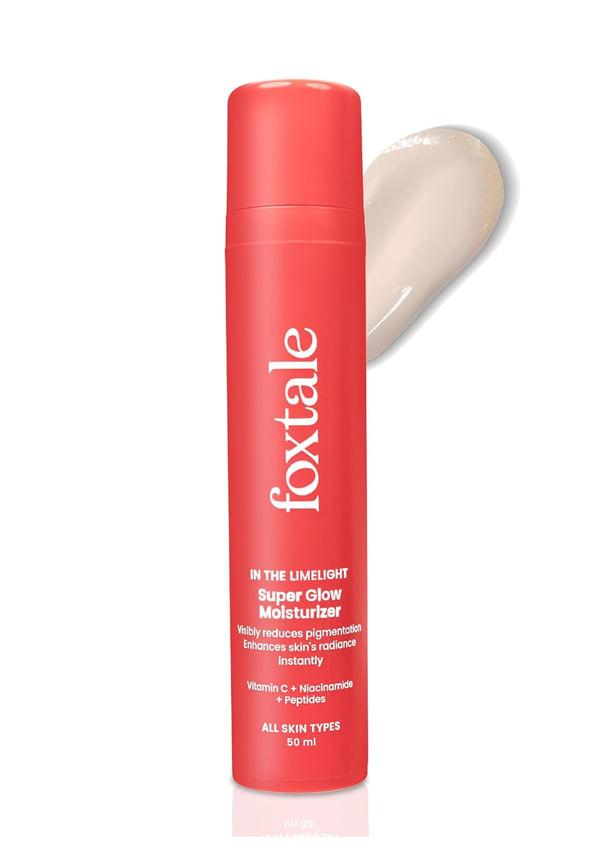
Vitamin C Super Glow Moisturizer with Niacinamide
The beauty of learning how to use niacinamide is that it's refreshingly straightforward. Unlike some actives that require careful timing and specific conditions, niacinamide plays well with others and fits seamlessly into most routines. You can use it morning or evening — or both — depending on your skin's needs and tolerance.
Start with clean skin, apply your niacinamide serum to slightly damp skin for better absorption, then follow with your moisturiser. The key is consistency rather than perfection. Your skin will respond better to regular, gentle application than sporadic intensive treatments.
When it comes to the use of niacinamide on face timing, many people prefer morning application because it provides a protective base under sunscreen. However, evening use allows the ingredient to work overnight when your skin is in repair mode. There's no wrong choice — pick what works for your lifestyle and stick with it.
Integrating niacinamide skin care into your existing routine is surprisingly simple. Apply it after cleansing and toning but before heavier creams or oils. If you're using multiple serums, niacinamide typically goes well with hyaluronic acid, peptides, and even vitamin C (despite what you might have heard about them not mixing).
Let's address the elephant in the room: niacinamide side effects are generally minimal, but they can occur. Some people experience mild irritation, especially when starting with higher concentrations or using multiple active ingredients simultaneously. The most common reaction is slight redness or a tingling sensation that usually subsides as your skin adjusts.
If you're new to niacinamide, start with a 2-5% concentration and use it every other day initially. Your skin needs time to build tolerance, especially if you're already using other actives like retinoids or AHAs. Always patch test new products — apply a small amount to your inner arm and wait 24 hours to check for any adverse reactions.
The good news is that niacinamide is considered one of the safest skincare ingredients available. Unlike some actives that can increase sun sensitivity, niacinamide actually provides some protective benefits. However, this doesn't replace your daily SPF — nothing does.
Very few people need to avoid niacinamide entirely, but those with a known allergy to vitamin B3 should obviously steer clear. If you're pregnant or breastfeeding, niacinamide is generally considered safe, but it's always worth checking with your healthcare provider about any new skincare additions.
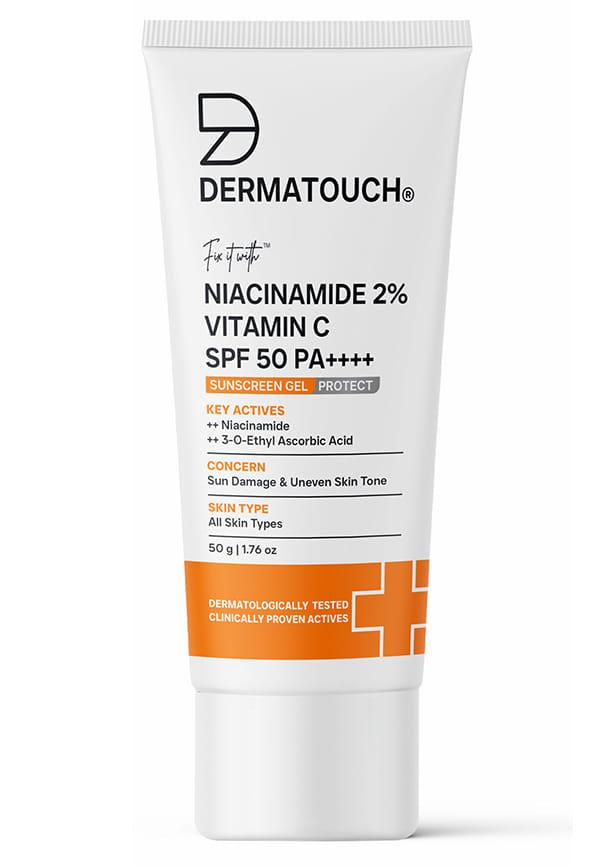
Niacinamide 2% Vitamin C Sunscreen for glowing skin, SPF 50+ PA ++++
When shopping for niacinamide products, concentration matters but isn't everything. A well-formulated 5% niacinamide serum can be more effective than a poorly formulated 10% version. Look for products that combine niacinamide with complementary ingredients like zinc (for acne-prone skin), hyaluronic acid (for hydration), or ceramides (for barrier support).
Serum formulations tend to be the most popular because they're lightweight and easily absorbed, but niacinamide in moisturisers or even cleansers can be effective too. The key is finding a format that you'll actually use consistently. There's no point in having the perfect serum if it sits unused on your shelf.
Budget-friendly options can be just as effective as premium formulations — niacinamide is a relatively inexpensive ingredient to include in products. Focus on the concentration, additional ingredients, and how the product feels on your skin rather than the price tag.
On ingredient lists, niacinamide might appear as "niacinamide," "nicotinamide," or "vitamin B3." It's typically listed within the first few ingredients if it's present in effective concentrations. Look for products that clearly state the percentage — transparency in formulation is usually a good sign.
Absolutely. Niacinamide is gentle enough for daily use, and many people use it twice daily without issues. Start with once daily application and gradually increase frequency as your skin builds tolerance. Unlike some actives that require cycling or breaks, niacinamide can be used consistently long-term.
Niacinamide benefits for skin include reducing pore appearance, controlling oil production, calming redness and inflammation, strengthening the skin barrier, and helping with post-acne marks. Most people notice improved skin texture within 2-4 weeks, with continued improvements over 2-3 months of consistent use.
They're both excellent but serve different purposes. Vitamin C is primarily an antioxidant that brightens and protects, whilst niacinamide focuses on pore refinement, oil control, and barrier strengthening. Many people use both — vitamin C in the morning for protection and niacinamide in the evening for repair, or vice versa.
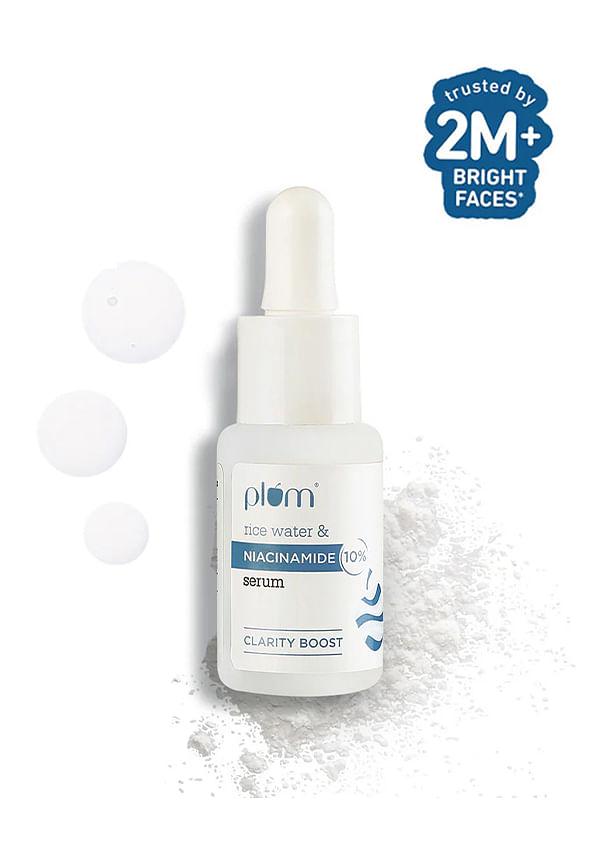
10% Niacinamide Face Serum For Clear Skin | Fades Blemishes| With Rice Water
The main disadvantages are potential initial irritation (usually mild and temporary) and the possibility of not seeing dramatic overnight results. Niacinamide works gradually, so patience is required. Some people also find that very high concentrations (above 10%) can cause flushing or irritation without additional benefits.
Yes, niacinamide for pores and oil control is particularly effective for oily skin types. It helps regulate sebum production without over-drying, which can actually trigger more oil production. Many people with oily skin find their complexion becomes more balanced and less shiny throughout the day.
You might notice subtle improvements in skin texture within 1-2 weeks, but significant changes typically appear after 4-6 weeks of consistent use. Niacinamide for acne and pore appearance improvements often take 6-12 weeks to become really noticeable. The key is consistent, patient application.
Yes, niacinamide and retinol can be used together and may actually complement each other well. Niacinamide can help buffer some of retinol's potential irritation whilst providing additional skin barrier support. You can layer them in the same routine or alternate nights, depending on your skin's tolerance.
While niacinamide isn't the strongest ingredient for hyperpigmentation, it does help with post-inflammatory hyperpigmentation (those marks left behind after breakouts). It works gradually to even skin tone and can be particularly effective when combined with other brightening ingredients like vitamin C or arbutin.
Understanding the use of niacinamide on face care doesn't have to be complicated. This versatile ingredient offers genuine benefits for most skin types, from managing breakouts to improving overall skin texture and health. The beauty of niacinamide lies in its gentle effectiveness — it delivers results without the drama that often comes with other active ingredients.
Whether you're dealing with enlarged pores, occasional breakouts, or simply want to strengthen your skin barrier, niacinamide deserves a place in your routine. Start slowly, be consistent, and give your skin time to show you what this ingredient can do. Remember, the best skincare routine is one you'll actually follow, so choose products that feel good to use and fit your lifestyle.
If you're curious about trying niacinamide but not ready to commit to a full-size product, exploring trial options can be a smart approach. Smytten's curated selection includes niacinamide serums from trusted brands, letting you discover what works for your skin before investing in full-size versions. With over 28 million users finding their perfect products through trials, it's a practical way to build a routine that truly works for you.
