Niacinamide for Oily Indian Skin: Your FAQ Answered

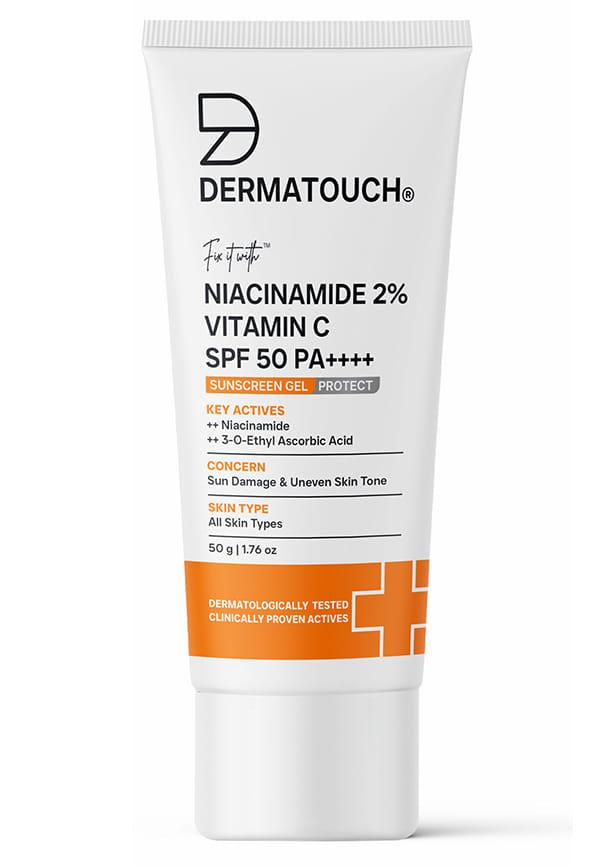
Niacinamide 2% Vitamin C Sunscreen for glowing skin, SPF 50+ PA ++++
You've been battling that midday shine for years, watching your carefully applied morning skincare disappear into an oily mess by lunchtime. If you've got oily Indian skin, you've probably wondered whether niacinamide is the answer to your sebum struggles. The good news? This powerhouse ingredient has solid science backing its oil-controlling claims, and it works particularly well for our skin types and climate conditions.
Real talk: niacinamide isn't just another skincare buzzword. It's vitamin B3 in a form your skin can actually use, and it works by getting to the root of why your skin produces excess oil in the first place.
Niacinamide is the active form of vitamin B3 that penetrates your skin barrier and works at the cellular level. Unlike harsh treatments that strip your skin, niacinamide actually communicates with your sebaceous glands to regulate oil production naturally. It does this by influencing the enzymes responsible for sebum synthesis, essentially telling your skin to calm down with the oil production.
Indian skin tends to have larger sebaceous glands and higher sebum production rates, particularly in our humid climate. Your skin produces oil as a protective mechanism, but factors like genetics, hormones, and environmental stress can send this process into overdrive. Niacinamide helps normalise this response without compromising your skin's natural protective barrier.
The magic happens when niacinamide reduces the transfer of lipids within sebaceous glands, effectively controlling how much oil reaches your skin's surface. It also helps reduce the size of your pores by improving skin elasticity and firmness around the pore opening. This dual action means less visible oil and smaller-looking pores over time.
Studies consistently show that 2% niacinamide can reduce sebum production by up to 20% within 4-6 weeks of regular use. What's particularly encouraging is that these results improve with continued use, meaning your skin gets better at self-regulating oil production over time.
Living in India means dealing with unique skin challenges that niacinamide is particularly well-suited to address. From monsoon humidity to AC-induced dryness, our skin faces constant environmental shifts.
Indian skin typically has higher melanin content and more active sebaceous glands, especially in the T-zone. This combination means we're more prone to both excess oil and post-inflammatory hyperpigmentation from breakouts. Niacinamide addresses both concerns simultaneously, making it an ideal choice for our skin types.
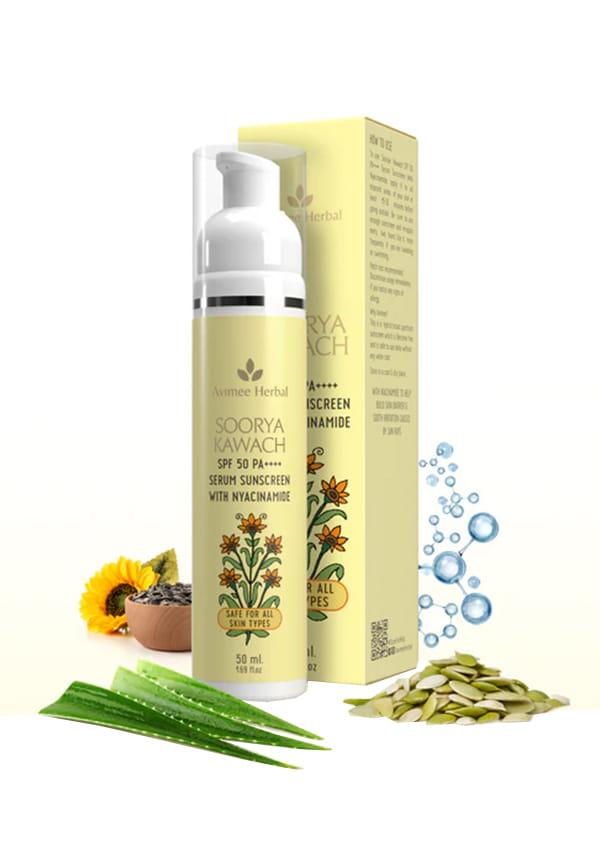
Soorya Kawach Sunscreen with Niacinamide
Our tropical climate triggers increased sebum production as your skin tries to protect itself from heat and humidity. Niacinamide helps your skin adapt to these conditions by strengthening the barrier function, reducing the need for excess oil production as a protective mechanism.
Humidity can actually dehydrate your skin by disrupting the natural moisture balance. Niacinamide improves your skin's ability to retain moisture while controlling oil, preventing that tight, overproduced oil feeling you get after spending time in air conditioning.
Niacinamide inhibits melanosome transfer, which means it helps prevent dark spots from forming when you do get the occasional breakout. This dual benefit makes it particularly valuable for Indian skin, where PIH can be a persistent concern alongside oiliness.
Beyond just oil control, niacinamide offers a range of benefits that make it worth adding to your routine. Your skin will notice improvements in multiple areas, not just sebum production.
The most noticeable effect is reduced midday shine and smaller-looking pores. Niacinamide doesn't just absorb excess oil; it actually reduces how much oil your skin produces in the first place. Users typically notice less blotting paper usage and longer-lasting makeup within 2-3 weeks.
Niacinamide has anti-inflammatory properties that help calm irritated skin and reduce redness from breakouts. It also strengthens your skin barrier, making it more resilient to environmental stressors and less likely to overreact with excess oil production.
With regular use, niacinamide helps your skin develop better self-regulation. Many users find they need fewer oil-control products over time as their skin learns to maintain balance naturally. The ingredient also supports collagen production, improving overall skin texture and resilience.
Unlike salicylic acid or benzoyl peroxide, niacinamide doesn't cause dryness or irritation. It's gentler than retinoids but still effective for oil control. This makes it suitable for sensitive skin and safe for daily use, even in our harsh climate conditions.
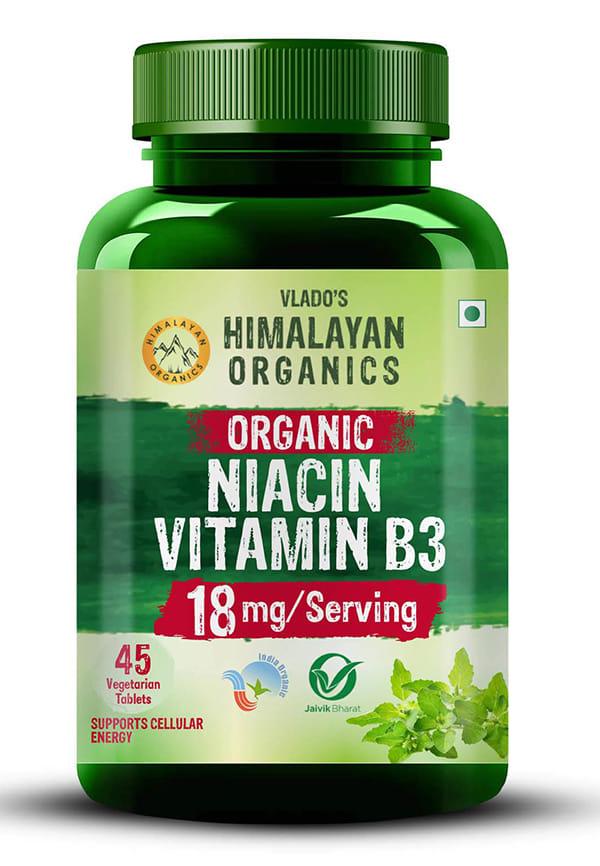
Organic Niacin (Vitamin B3)
Niacinamide plays well with most other skincare ingredients, making it easy to incorporate into existing routines. The key is knowing which combinations work best for your specific concerns.
Hyaluronic acid and niacinamide make an excellent combination for oily skin that's also dehydrated. Zinc enhances niacinamide's oil-controlling effects, while ceramides support the barrier-strengthening benefits. Salicylic acid can be used alongside niacinamide for additional pore-clearing benefits.
Avoid using niacinamide with high concentrations of vitamin C at the same time, as this can reduce effectiveness. AHAs and BHAs are fine to use with niacinamide, but introduce them gradually to avoid overwhelming your skin.
Start with a gentle cleanser, follow with niacinamide serum, then moisturiser and SPF in the morning. Evening routines can include additional actives like retinol or AHAs, with niacinamide helping to buffer any potential irritation.
A dedicated niacinamide serum allows for higher concentrations and better absorption than products where it's just one of many ingredients. Apply it after cleansing but before heavier moisturisers for optimal penetration and effectiveness.
Getting the most from niacinamide requires understanding proper application and realistic expectations. Your skin will respond best to consistent, appropriate use rather than aggressive overuse.
Start with 2-5% niacinamide concentration for most skin types. Higher concentrations aren't necessarily better and may cause irritation. Apply to clean, slightly damp skin for better absorption, using gentle patting motions rather than rubbing.
Morning application works well under SPF and makeup, providing all-day oil control. Evening use allows for higher concentrations and combination with other actives. Many users find twice-daily application most effective for significant oil reduction.

Berry Bright Niacinamide Sunscreen Spf 50 Pa++++
Cleanse, apply niacinamide serum to slightly damp skin, wait 2-3 minutes for absorption, then follow with moisturiser. In the morning, always finish with SPF. Start with once-daily use and gradually increase frequency as your skin adjusts.
Most users notice reduced shine within 1-2 weeks, with significant improvements in oil production by 4-6 weeks. Pore appearance typically improves around the 8-week mark. Consistency is key - skipping days will slow your progress considerably.
No, niacinamide regulates sebum production rather than stopping it entirely. Your skin needs some oil for protection and hydration. Niacinamide helps normalise overactive sebaceous glands, reducing excess oil while maintaining healthy skin function.
Yes, niacinamide is excellent for acne-prone skin. It reduces oil production, has anti-inflammatory properties, and helps prevent post-acne dark spots. It's gentle enough to use alongside acne treatments without causing additional irritation.
Absolutely. Niacinamide improves skin barrier function and helps retain moisture, making it beneficial for dry areas too. It's particularly useful for combination skin, where you might have oily T-zones and dry cheeks.
Both are effective, but niacinamide is generally gentler and better tolerated. Azelaic acid offers stronger exfoliation benefits, while niacinamide provides better long-term sebum regulation. Many people use both in their routines for comprehensive oil and acne control.
The 4-2-4 rule suggests waiting 4 minutes after cleansing, applying niacinamide, waiting 2 minutes, then applying moisturiser and waiting 4 minutes before SPF. This ensures proper absorption and prevents pilling between product layers.
Niacinamide offers a scientifically-backed, gentle approach to managing oily Indian skin. Unlike harsh treatments that can trigger rebound oil production, niacinamide works with your skin's natural processes to achieve lasting balance. The key is consistency and patience - your skin will notice the difference, but it takes time to retrain sebaceous glands.
For those ready to explore niacinamide products, Smytten's curated selection includes trusted brands like Dot & Key, WishCare, and Cetaphil, all known for effective formulations suited to Indian skin. With over 28 million users discovering their perfect products through the platform, you're in good company when exploring what works for your unique skin needs.
