Niacinamide for Dark Spots FAQ: Your Questions Answered


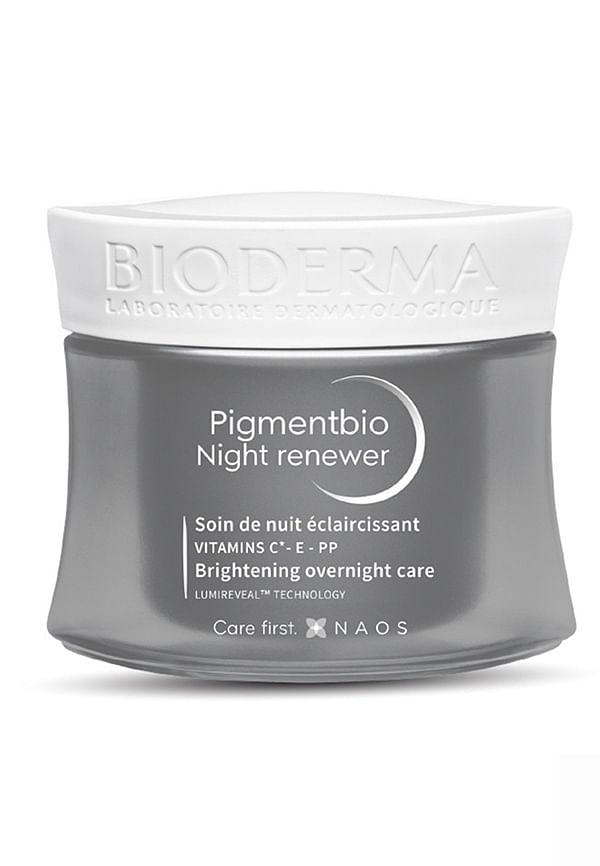
Pigmentbio Night Renewer Brightening Overnight Cream for Dark Spots, Sensitive Skin
You've been staring at that stubborn dark spot for months now, watching it mock you in the mirror every morning. Whether it's a leftover reminder from last summer's breakout or a souvenir from hormonal changes, those patches of uneven skin tone can feel impossible to shift. Enter niacinamide – the gentle yet effective ingredient that's been quietly working wonders for countless people dealing with hyperpigmentation. But how exactly does this vitamin B3 derivative tackle dark spots, and what should you realistically expect? Let's dive into everything you need to know about using niacinamide to fade those persistent marks.
Dark spots, medically known as hyperpigmentation, are areas where your skin produces excess melanin – the pigment responsible for your natural skin colour. Think of melanin as your skin's natural defence system; when it detects potential damage from UV rays, inflammation, or trauma, it goes into overdrive, creating these concentrated patches of pigment. There are several types of dark spots you might be dealing with. Post-inflammatory hyperpigmentation (PIH) appears after acne, cuts, or any skin injury heals, leaving behind a darker mark. Melasma typically shows up as symmetrical patches on the face, often triggered by hormonal changes during pregnancy or from birth control. Solar lentigines, commonly called age spots or sun spots, develop from years of UV exposure and tend to appear on areas that see the most sun. The frustrating thing about dark spots is their persistence. Unlike a temporary tan that fades naturally, these concentrated areas of melanin can stick around for months or even years without proper treatment. This happens because the melanin becomes embedded in different layers of your skin, and your natural cell turnover process isn't always efficient enough to clear it completely.
So, how does niacinamide fade dark spots exactly? This powerhouse ingredient works through multiple mechanisms that target different aspects of pigmentation. The primary way niacinamide tackles dark spots is by interfering with melanin transfer. When your skin produces melanin, it doesn't just stay put – it gets transferred from melanocytes (the cells that make pigment) to keratinocytes (your regular skin cells). Niacinamide essentially puts a gentle brake on this transfer process, preventing excess pigment from accumulating in certain areas. But that's not all. Niacinamide for hyperpigmentation also works as an anti-inflammatory agent, which is crucial because inflammation often triggers more melanin production. By calming your skin and reducing inflammatory responses, niacinamide helps prevent new dark spots from forming whilst addressing existing ones. Clinical studies have shown impressive results for niacinamide as a dark spot treatment. Research indicates that consistent use of 2-5% niacinamide can lead to visible improvements in skin tone evenness within 4-8 weeks. One particularly compelling study found that participants using 5% niacinamide showed a 35-68% reduction in hyperpigmentation after 8 weeks of twice-daily application. What makes niacinamide particularly appealing compared to other brightening ingredients is its gentleness. Unlike some acids or retinoids that can cause irritation, especially on sensitive skin, niacinamide is well-tolerated by most skin types and can be used consistently without the risk of increased photosensitivity.
Whilst you're working on fading those dark spots, niacinamide benefits for skin extend far beyond just pigmentation concerns. This multi-tasking ingredient is like getting several skincare benefits in one bottle, which is why it's become such a staple in many routines. One of the most noticeable effects many people experience is pore refinement. Niacinamide helps regulate sebum production, which can make enlarged pores appear smaller and less noticeable. If you're dealing with both dark spots and oily skin concerns, this dual action makes niacinamide particularly valuable. The ingredient also supports your skin's natural barrier function by boosting ceramide production. A stronger skin barrier means better moisture retention, improved resilience against environmental stressors, and overall healthier-looking skin. This barrier support is especially beneficial if your dark spots are accompanied by sensitivity or dryness. Skin brightening niacinamide effects aren't limited to just fading existing spots – regular use can give your entire complexion a more radiant, even appearance. Many users notice their skin looks more luminous and healthy overall, not just in the areas where they had specific pigmentation concerns. Additionally, niacinamide has been shown to stimulate collagen production, which can help with fine lines and overall skin texture. The **Garnier Fresh & Plump Niacinamide Sorbet Moisturizer Cream** combines these benefits beautifully, offering both the dark spot-fading properties of niacinamide and the plumping effects of hydration in one lightweight formula. This type of multi-benefit product can be particularly helpful when you're targeting multiple skin concerns simultaneously.

Knowing how to use niacinamide for dark spots properly can make the difference between seeing results and feeling disappointed. The good news is that niacinamide is one of the more straightforward ingredients to incorporate into your routine. Start with the right concentration. For beginners or those with sensitive skin, 2-5% niacinamide is ideal. If you've used niacinamide before and want more targeted results, concentrations up to 10% can be effective, though higher isn't always better with this ingredient. Timing matters when it comes to application. Niacinamide can be used both morning and evening, making it incredibly versatile. In your morning routine, apply it after cleansing but before heavier creams and SPF. In the evening, it works well after cleansing and any treatment serums but before your moisturiser. When using a niacinamide serum for dark spots, apply it to clean, slightly damp skin for better absorption. Use gentle patting motions rather than rubbing, and focus on areas where you have pigmentation concerns whilst still applying it to your entire face for overall benefits. Consistency is key with niacinamide. Unlike some ingredients that you might use occasionally, niacinamide works best when used regularly. Most people see optimal results with twice-daily application, though you can start with once daily if you're introducing multiple new products. Always follow up with SPF during the day. Whilst niacinamide doesn't increase photosensitivity like some other brightening ingredients, protecting your skin from UV damage is crucial for preventing new dark spots from forming whilst you're working to fade existing ones.
One of niacinamide's greatest strengths is how well it plays with other ingredients. When you're looking for the best ingredients for dark spots, combining niacinamide with complementary actives can accelerate your results. Vitamin C and niacinamide make an excellent brightening duo. Contrary to old myths about these ingredients not mixing well, they actually work synergistically when formulated properly. Vitamin C provides antioxidant protection and additional brightening effects, whilst niacinamide offers anti-inflammatory benefits and barrier support. Retinoids can be powerful partners for niacinamide in your fade dark spots skincare routine. Retinoids accelerate cell turnover, helping to bring newer, more evenly pigmented skin to the surface faster. Niacinamide's soothing properties can help counteract any irritation that retinoids might cause, making this combination more tolerable for many people. Alpha hydroxy acids (AHAs) like glycolic acid or lactic acid can enhance niacinamide's effects by gently exfoliating the surface layer of skin, allowing better penetration of the niacinamide and helping to remove pigmented cells more quickly. However, there are some combinations to approach with caution. Very high concentrations of vitamin C (above 20%) mixed with high concentrations of niacinamide might cause flushing in some people, though this is temporary and harmless. When building your routine, introduce one new ingredient at a time and pay attention to how your skin responds. A typical effective combination might look like vitamin C in the morning with niacinamide, followed by niacinamide and a retinoid in the evening, with AHAs used 2-3 times per week.
One of the most common questions about uneven skin tone treatment is: when will I actually see results? With niacinamide, patience is essential, but the wait is typically worth it. In the first 2-4 weeks, you might notice your skin looking generally brighter and more even, even if individual dark spots haven't dramatically faded yet. This is because niacinamide is working on overall skin health and barrier function. By weeks 4-8, many people start seeing noticeable improvements in their dark spots. The spots may appear lighter, less defined, or smaller. This is when the melanin transfer inhibition really starts showing visible results. The 8-12 week mark is typically when the most dramatic improvements occur. Consistent users often see significant fading of post-inflammatory hyperpigmentation and overall improvement in skin tone evenness. Several factors can affect how quickly you see results. Newer dark spots generally fade faster than older, more established pigmentation. The depth of the pigmentation also matters – surface-level spots respond more quickly than deeper melasma. Your skin's natural cell turnover rate, age, and overall skin health all play roles in how fast you'll see improvements. It's important to manage expectations realistically. Whilst niacinamide is effective, it's not a miracle worker. Very deep or long-standing pigmentation might require professional treatments or stronger prescription ingredients for complete resolution.
Niacinamide can significantly fade dark spots, but "remove" might be too strong a word. It works by inhibiting melanin transfer and reducing inflammation, which helps existing spots fade and prevents new ones from forming. Most people see noticeable lightening rather than complete disappearance, especially with deeper or older pigmentation.
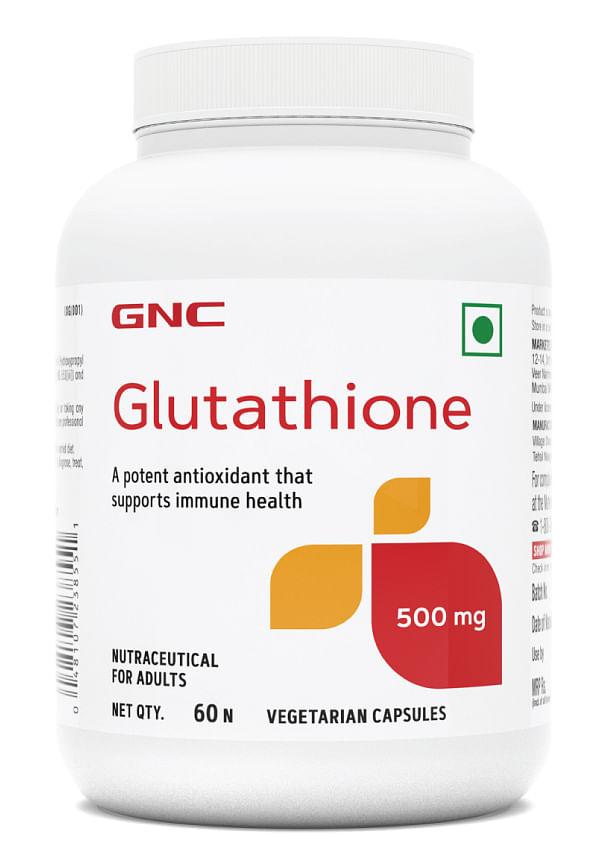
L-Glutathione - Brightens Skin and Fades Dark Spots & Pigmentation
Most people start seeing improvements within 4-8 weeks of consistent use, with more dramatic results appearing around the 8-12 week mark. However, this timeline can vary based on the type and depth of pigmentation, your skin's natural turnover rate, and the concentration of niacinamide you're using.
Niacinamide doesn't permanently lighten your natural skin colour. Instead, it helps restore your skin to its natural, even tone by addressing excess pigmentation. The effects are long-lasting as long as you continue using it and protect your skin from further damage, but stopping use may allow new dark spots to form over time.
Yes, niacinamide is gentle enough for daily use and actually works best with consistent application. Most people can use it twice daily without irritation. Start with once daily if you're new to the ingredient or have very sensitive skin, then gradually increase frequency as your skin adjusts.
For dark spots, 2-10% niacinamide is effective, with 5% being the sweet spot for most people. Higher concentrations aren't necessarily better and may cause irritation in some individuals. Start with a lower concentration and increase if needed and well-tolerated.
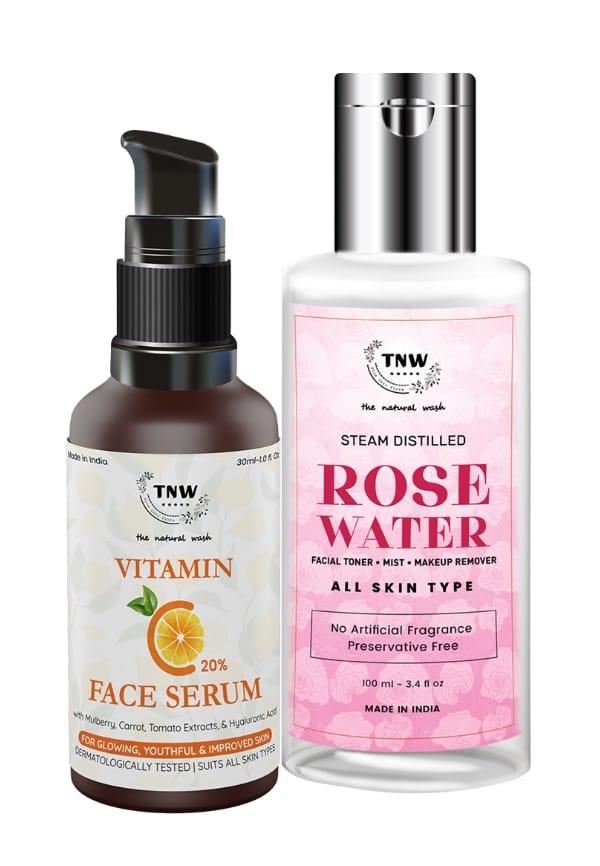
Steam Distilled Rose Water with Vitamin C Serum Reduce hyperpigmentation & Dark Spots
Niacinamide is generally well-tolerated by all skin types, including sensitive skin. It's non-comedogenic, so it won't clog pores, and it's suitable for oily, dry, combination, and sensitive skin. However, as with any skincare ingredient, patch testing is recommended, especially if you have known sensitivities.
Yes, niacinamide combines well with most other skincare ingredients, including vitamin C, retinoids, and AHAs. This versatility makes it easy to incorporate into existing routines and combine with other dark spot treatments for enhanced results.
Niacinamide is particularly effective for post-inflammatory hyperpigmentation (the dark marks left after acne), but it won't help with indented or raised acne scars. For textural scarring, you'd need treatments that stimulate collagen production, like retinoids or professional procedures.
Niacinamide has earned its reputation as a reliable, gentle solution for dark spots and uneven skin tone. Its ability to work on multiple levels – inhibiting melanin transfer, reducing inflammation, and supporting overall skin health – makes it a valuable addition to any skincare routine targeting pigmentation concerns. The key to success with niacinamide is consistency and realistic expectations. Whilst you won't see overnight transformations, the gradual, steady improvement it provides is often more sustainable and less irritating than harsher alternatives. Remember that skincare is a journey, not a destination, and protecting your skin from further damage with daily SPF is just as important as treating existing concerns. Whether you're dealing with post-acne marks, sun damage, or hormonal pigmentation, niacinamide offers a science-backed approach to achieving more even, radiant skin. The beauty of this ingredient lies not just in its effectiveness, but in its gentleness and versatility. For those exploring the world of niacinamide and other skincare ingredients, platforms like Smytten make it easier to discover what works for your unique skin. With access to curated products from trusted brands and the ability to try before committing to full sizes, you can build a personalised routine with confidence. After all, finding the right products for your skin shouldn't be a guessing game – it should be an informed choice based on what actually works for you.
