Niacinamide FAQ: What It Is and Its Skin Benefits


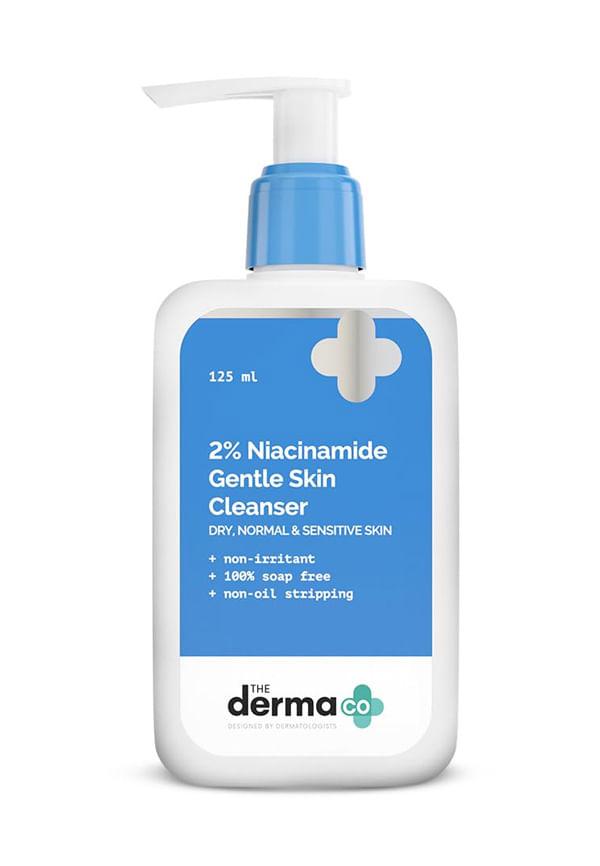 125 ml
2% Niacinamide Gentle Skin Cleanser
You've probably spotted niacinamide on countless skincare labels lately, and for good reason. This gentle yet effective ingredient has earned its place as a skincare staple, promising everything from clearer skin to a more even complexion. But what exactly is niacinamide used for, and does it live up to the hype? Whether you're dealing with stubborn breakouts, dull skin, or just want to understand what all the fuss is about, let's dive into everything you need to know about this versatile vitamin B3 derivative.
Niacinamide, also known as nicotinamide, is a water-soluble form of vitamin B3 that's become one of the most researched and beloved ingredients in modern skincare. Unlike its cousin niacin (another form of vitamin B3), niacinamide won't cause that uncomfortable flushing sensation, making it perfect for daily use on your face.
What makes niacinamide for skin so special is its incredible versatility. This ingredient works at the cellular level to support your skin's natural functions, from regulating oil production to strengthening your skin barrier. It's like having a multitasking friend in your skincare routine – one that plays well with almost every other ingredient you might be using.
The science behind niacinamide is solid. Decades of research have shown that this ingredient can address multiple skin concerns simultaneously, which explains why dermatologists and skincare enthusiasts alike sing its praises. What's particularly brilliant about niacinamide is its gentle nature – it's suitable for all skin types, including sensitive skin that might react poorly to stronger actives like retinoids or acids.
You'll find niacinamide in concentrations ranging from 2% to 10% in most skincare products. The beauty of this ingredient lies in its ability to deliver visible results without the irritation often associated with other powerful skincare actives. Whether you're new to skincare or a seasoned routine enthusiast, niacinamide offers a safe entry point into ingredient-focused skincare.
The skin benefits of niacinamide are genuinely impressive, which explains why this ingredient has become such a skincare darling. Let's explore what niacinamide does for your skin and why it might be worth adding to your routine.
If you're dealing with oily skin or frequent breakouts, niacinamide acne benefits are particularly noteworthy. This ingredient helps regulate sebum production, which means less oil sitting on your skin's surface and fewer clogged pores. Clinical studies have shown that 4% niacinamide can significantly reduce oil production within just a few weeks of consistent use.
Beyond oil control, niacinamide's anti-inflammatory properties help calm existing breakouts and reduce the redness that often accompanies acne. It's not an overnight miracle, but many people notice their skin looking less congested and feeling more balanced after about four to six weeks of regular use.
One of the most celebrated niacinamide benefits is its ability to help fade hyperpigmentation and dark spots. The ingredient works by inhibiting the transfer of melanin to skin cells, which can help prevent new dark spots from forming whilst gradually lightening existing ones.
Real talk: this isn't an instant fix. You'll typically need to use niacinamide consistently for 8-12 weeks to see noticeable improvements in dark spots. But the results are often worth the patience, with many users reporting a more even skin tone and reduced appearance of post-acne marks.
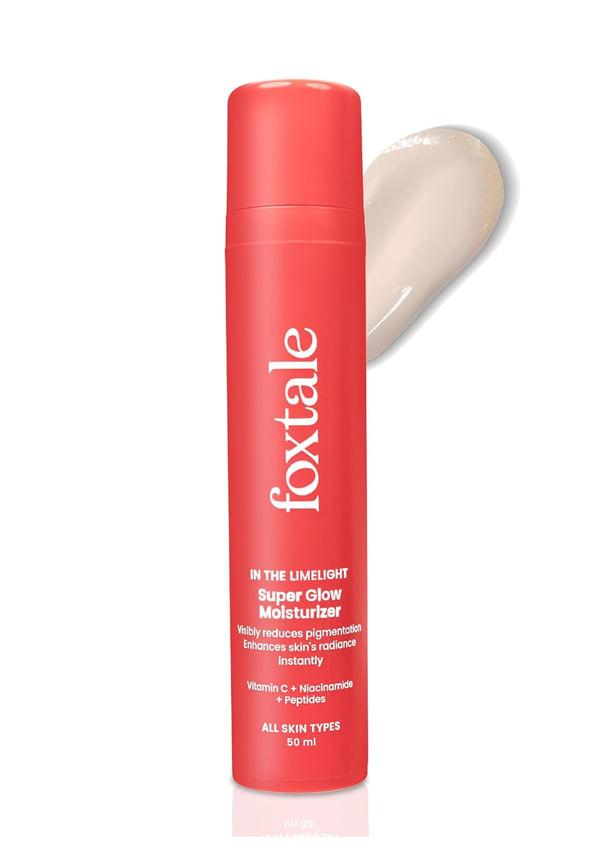 50 ml
50 mlVitamin C Super Glow Moisturizer with Niacinamide
Niacinamide supports collagen production, which can help improve skin texture and reduce the appearance of fine lines over time. It also helps minimise the appearance of enlarged pores by improving skin elasticity and firmness around the pore opening.
Whilst niacinamide won't dramatically transform deep wrinkles, it's excellent for maintaining healthy, plump-looking skin and addressing early signs of ageing. Many users notice their skin looks smoother and more refined after consistent use.
Perhaps one of niacinamide's most important functions is strengthening your skin barrier. It increases ceramide production, which helps your skin retain moisture more effectively and protects against environmental damage. A stronger skin barrier means less sensitivity, better hydration, and overall healthier-looking skin.
This benefit is particularly valuable if you live in a city with pollution, spend time in air-conditioned environments, or use other active ingredients that might compromise your skin barrier over time.
Understanding the different ways to incorporate niacinamide uses into your routine can help you maximise its benefits. The most popular and effective format is typically a niacinamide serum, which offers higher concentrations and better absorption than creams or moisturisers.
Niacinamide serums usually contain between 5-10% of the active ingredient and are designed to be applied after cleansing but before heavier products like moisturisers. The lightweight texture allows the ingredient to penetrate effectively whilst layering well under other products.
If you prefer a gentler approach, niacinamide creams and moisturisers typically contain lower concentrations (2-5%) but offer the added benefit of hydration. These are perfect for beginners or those with sensitive skin who want to ease into using the ingredient.
For application, less is often more with niacinamide. A few drops of serum or a pea-sized amount of cream is usually sufficient for your entire face. You can use niacinamide both morning and evening – it plays beautifully with SPF during the day and works well alongside other evening actives.
The beauty of niacinamide skin care is its compatibility with almost everything. You can layer it with vitamin C, retinoids, AHAs, BHAs, and peptides without worry. Just remember to introduce any new ingredient gradually, starting with every other day before building up to daily use.
One of the most appealing aspects of niacinamide for skin is its universal appeal – it truly works for everyone, though the specific benefits might vary depending on your skin type and concerns.
For oily skin types, niacinamide acne benefits are particularly valuable. The ingredient's ability to regulate oil production can help reduce that midday shine whilst preventing clogged pores. If you're dealing with inflammatory acne, niacinamide's anti-inflammatory properties can help calm redness and reduce the severity of breakouts.
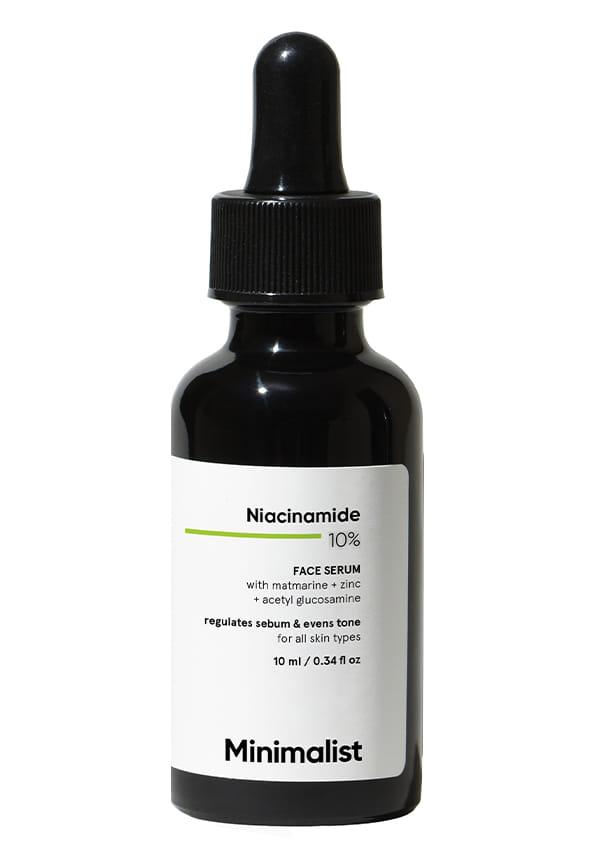 10 ml
10 ml10% Niacinamide Face Serum for Acne Marks
Many people with oily skin find that niacinamide works brilliantly alongside salicylic acid or benzoyl peroxide, helping to buffer any potential irritation from these stronger acne-fighting ingredients whilst boosting their effectiveness.
If you have dry or sensitive skin, niacinamide's barrier-strengthening properties are your best friend. The ingredient helps increase ceramide production, which improves your skin's ability to retain moisture. This means less tightness, fewer flaky patches, and overall more comfortable skin.
Sensitive skin types particularly benefit from niacinamide's gentle nature. Unlike acids or retinoids, which can cause irritation, niacinamide actually helps soothe and calm reactive skin whilst delivering visible improvements.
For mature skin, niacinamide offers multiple benefits in one ingredient. Its collagen-supporting properties help maintain skin firmness, whilst its ability to improve skin texture can make fine lines less noticeable. The ingredient also helps with age-related concerns like uneven skin tone and enlarged pores.
Many people in their 30s and beyond find niacinamide to be an excellent preventative ingredient, helping maintain healthy skin function before more dramatic signs of ageing appear.
Whilst niacinamide side effects are generally minimal, it's worth understanding what to watch for when introducing this ingredient to your routine. The good news is that niacinamide is considered one of the safest skincare actives available.
The most common side effect is mild flushing or redness, which typically occurs when using higher concentrations (above 10%) or when first starting to use the ingredient. This usually subsides as your skin adjusts, but if it persists, consider switching to a lower concentration.
Some people experience slight irritation or tingling when first using niacinamide, particularly if they have very sensitive skin. This is why patch testing is always recommended – apply a small amount to your inner arm and wait 24 hours to check for any reaction.
Very rarely, some individuals may experience contact dermatitis or allergic reactions to niacinamide. Signs include persistent redness, swelling, or itching that doesn't improve after discontinuing use. If you experience these symptoms, stop using the product and consult a dermatologist.
Niacinamide is generally considered safe during pregnancy and breastfeeding, but as with any skincare ingredient, it's wise to consult your healthcare provider if you have concerns. The ingredient is also safe for long-term use – many people use niacinamide daily for years without any issues.
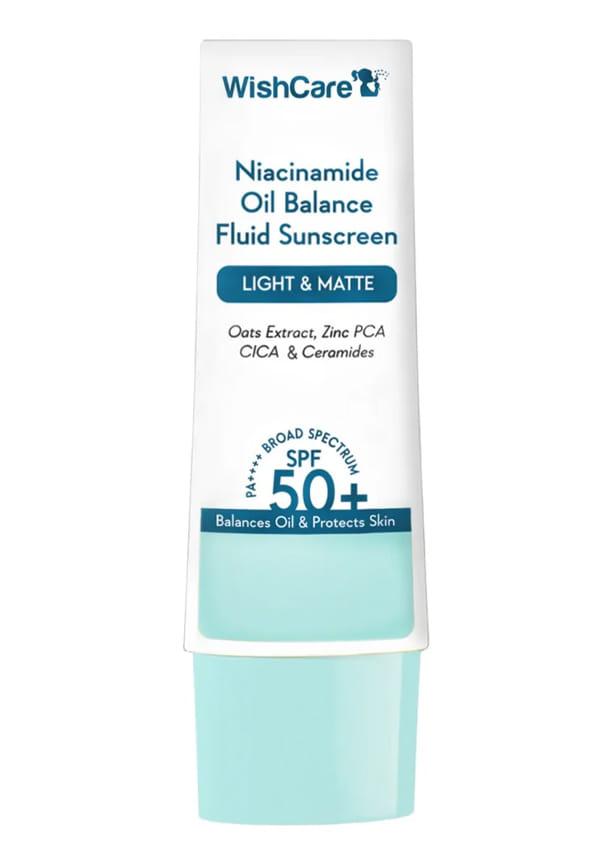 50 gm
50 gmWishCare Niacinamide Oil Balance Sunscreen SPF 50 PA++++ - In-Vivo Tested
Niacinamide offers multiple benefits for facial skin, including regulating oil production, reducing the appearance of pores, fading dark spots and hyperpigmentation, strengthening the skin barrier, and providing anti-inflammatory effects. Most people notice improvements in skin texture and tone within 4-6 weeks of consistent use, with continued benefits developing over 2-3 months.
Yes, niacinamide is gentle enough for daily use, both morning and evening. In fact, consistent daily application typically yields the best results. Start with once daily if you have sensitive skin, then gradually increase to twice daily as your skin adjusts. The ingredient is photostable, meaning it won't break down in sunlight, making it perfect for morning routines.
Both vitamin C and niacinamide offer unique benefits, and they actually work beautifully together. Vitamin C is excellent for antioxidant protection and brightening, whilst niacinamide excels at oil control and barrier repair. Many people use vitamin C in the morning for protection and niacinamide in the evening for repair, though they can be layered together if your skin tolerates it well.
The main disadvantages are minimal but include potential initial irritation in very sensitive individuals, possible flushing with high concentrations, and the need for patience as results develop gradually over weeks rather than days. Some people also find that very high concentrations (above 10%) can cause temporary redness or tingling.
Absolutely. Niacinamide is particularly beneficial for oily skin as it helps regulate sebum production, reducing excess oil without over-drying the skin. It also helps minimise the appearance of enlarged pores and can reduce acne breakouts. Many people with oily skin consider niacinamide an essential part of their routine.
Yes, niacinamide is excellent for dry skin. It strengthens the skin barrier by increasing ceramide production, which helps the skin retain moisture more effectively. This leads to improved hydration, reduced flakiness, and less sensitivity. It's particularly helpful for dry skin that's also sensitive, as it provides benefits without irritation.
Niacinamide truly lives up to its reputation as a skincare multitasker. Whether you're dealing with oily skin, dryness, acne, hyperpigmentation, or early signs of ageing, this gentle yet effective ingredient offers something valuable for your skin. The key is consistency – whilst you might notice some immediate improvements in skin texture, the real magic happens with regular use over several weeks.
What makes niacinamide particularly appealing is its universal compatibility. Unlike some skincare actives that require careful timing and can't be mixed with certain ingredients, niacinamide plays well with everything in your routine. This makes it an excellent choice whether you're just starting your skincare journey or looking to enhance an already established routine.
If you're curious about trying niacinamide but aren't sure which product might work best for your skin, exploring different formulations can help you find your perfect match. Smytten offers curated trial packs from trusted skincare brands, letting you test various niacinamide products before committing to full sizes. With over 28 million users discovering their ideal products through trials, it's a smart way to find what works for your unique skin needs without the guesswork.
