Navigating Acne Treatment for Sensitive Dry Skin

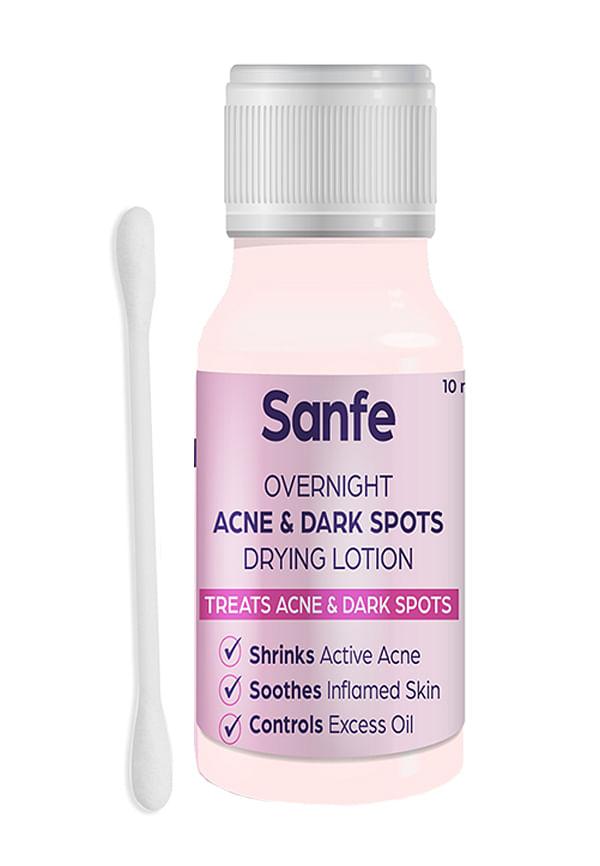 10 gm
10 gmOvernight Acne & Dark Spots Drying Lotion
Let's be real—having both acne and dry skin feels like your complexion is playing some cruel joke on you. You'd think dry skin would mean fewer breakouts, but here you are, dealing with flaky patches and stubborn spots at the same time. It's frustrating, confusing, and honestly, most skincare advice out there seems to assume you're either dealing with oily, acne-prone skin or dry skin—never both. But here's the thing: acne treatment for dry skin requires a completely different approach than what you'll find in most generic guides. Your skin needs gentle care that tackles breakouts without stripping away the moisture it desperately craves.
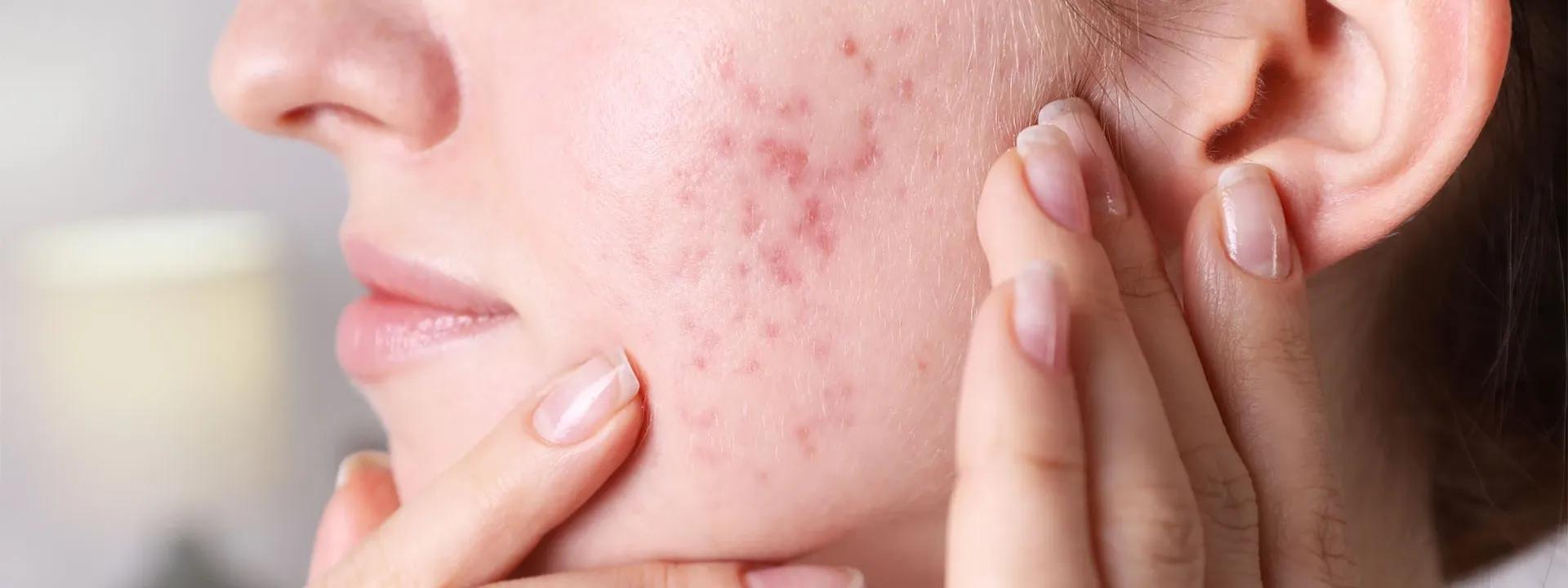
Here's what's actually happening when you have dry skin acne—and why it's more common than you might think. Your skin's natural barrier isn't working as well as it should, which means it's not holding onto moisture properly. When your skin gets dehydrated, it starts overproducing dead skin cells to try and protect itself.
Those extra dead skin cells don't just disappear—they stick around and mix with whatever natural oils your skin does produce, creating the perfect recipe for clogged pores. Plus, when your skin barrier is compromised, bacteria can penetrate deeper into your skin, leading to those angry, inflamed breakouts that seem to take forever to heal. Contrary to what you might have heard, your dry skin isn't suddenly going to start producing loads of oil to "compensate." That's actually a myth. What really happens is that your skin becomes more sensitive and reactive, making traditional acne treatment methods way too harsh.
The biggest culprit? Over-cleansing with harsh products that strip your skin. Those foaming cleansers that make your face feel "squeaky clean" are actually making things worse. Environmental factors like cold weather, air conditioning, and central heating can also trigger breakouts by drying out your skin even more. Hormonal changes can mess with your skin's moisture levels too, which is why you might notice your dry skin acne gets worse during certain times of the month or during stressful periods.
When you're looking for the best acne treatment for dry skin, you need ingredients that can tackle breakouts without turning your face into a desert. The good news is that there are plenty of options that can do both jobs brilliantly.
Salicylic acid is your friend, but only in low concentrations—think 0.5% to 1% max. It gently exfoliates inside your pores without being too aggressive on the surface of your skin. Niacinamide is honestly a game-changer for this skin type. It helps reduce inflammation, regulates oil production (without overdrying), and strengthens your skin barrier. Plus, it plays well with pretty much every other ingredient. Hyaluronic acid might sound scary if you're worried about clogged pores, but it's actually non-comedogenic and helps your skin hold onto moisture without feeling heavy or greasy. Benzoyl peroxide can work, but you'll want to look for cream-based formulations rather than gels, and stick to lower concentrations (2.5% is plenty).
The magic happens when you combine these ingredients thoughtfully. Niacinamide pairs beautifully with hyaluronic acid for a hydrating acne treatment that doesn't compromise on effectiveness. Just remember to pay attention to pH levels—your dry, sensitive skin does best with products that sit around 5.5 to 6.5 on the pH scale. When you're building your skincare for acne and dry skin routine, look for products that specifically mention being non-comedogenic. This means they've been tested to ensure they won't clog your pores.
Creating an effective routine for acne and dry skin is all about balance. You want to be consistent but gentle, effective but not aggressive. Here's how to structure your day and night routines for the best results.
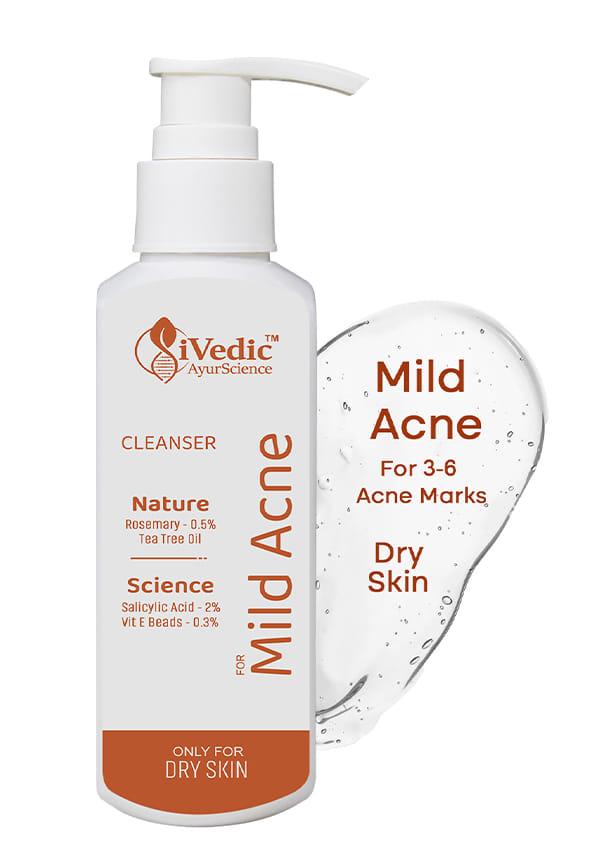 150 ml
Spotless Anti Acne Face Wash | Only For Dry Skin with Mild Acne
Start with a gentle cleanser that's either non-foaming or very mildly foaming. Look for ingredients like ceramides or glycerin that help maintain your skin's moisture barrier while cleaning. Next, apply a hydrating serum with hyaluronic acid while your skin is still slightly damp—this helps lock in that extra moisture. Then comes your non-drying acne treatment. If you're using a spot treatment, apply it only to active breakouts rather than all over your face. Follow with a lightweight, non-comedogenic moisturiser. Even if your skin feels fine without it, this step is crucial for maintaining your skin barrier throughout the day. Finish with SPF—and this is non-negotiable. Look for mineral sunscreens if your skin is particularly sensitive, as they tend to be less irritating than chemical formulations.
Your evening routine can be a bit more intensive. If you wear makeup, start with a gentle cleansing oil or micellar water, followed by your regular cleanser. This is when you can introduce stronger active ingredients, but remember to rotate them rather than using everything at once. Maybe use your salicylic acid treatment three nights a week, and give your skin a break on the other nights. End with a more intensive moisturiser or even a facial oil if your skin can handle it. Jojoba and squalane are great options that mimic your skin's natural oils without clogging pores.
Once or twice a week, you can add gentle exfoliation—but skip the physical scrubs. A mild AHA like lactic acid can help with both acne and dry skin concerns. Hydrating face masks are brilliant for this skin type. Look for ingredients like honey, oatmeal, or ceramides that soothe while they moisturise.
Sometimes the gentlest acne remedies for dry skin come from your kitchen cupboard, while other times you need to bring in the big guns. Both approaches have their place in your skincare arsenal.
Tea tree oil can be effective, but you absolutely must dilute it—we're talking one part tea tree oil to nine parts carrier oil. Use it as a spot treatment only. Honey masks are genuinely brilliant for this skin type. Raw honey has antibacterial properties while being incredibly moisturising. Leave it on for 10-15 minutes once or twice a week. Oatmeal treatments provide gentle exfoliation while soothing irritated skin. Blend plain oats into a fine powder, mix with a bit of water, and use as a gentle mask.
If home remedies aren't cutting it, there are professional treatments designed specifically for sensitive, dry skin with acne concerns. Gentle chemical peels using lactic acid can help with both issues without over-drying. LED light therapy is another option that's particularly good for this skin type because it reduces inflammation without any harsh chemicals or drying effects. Hydrating facials that include gentle extractions can help clear your pores while boosting your skin's moisture levels.
Choosing the right products when you have both acne and dry skin can feel overwhelming, but there are some clear guidelines that can help you make better decisions.
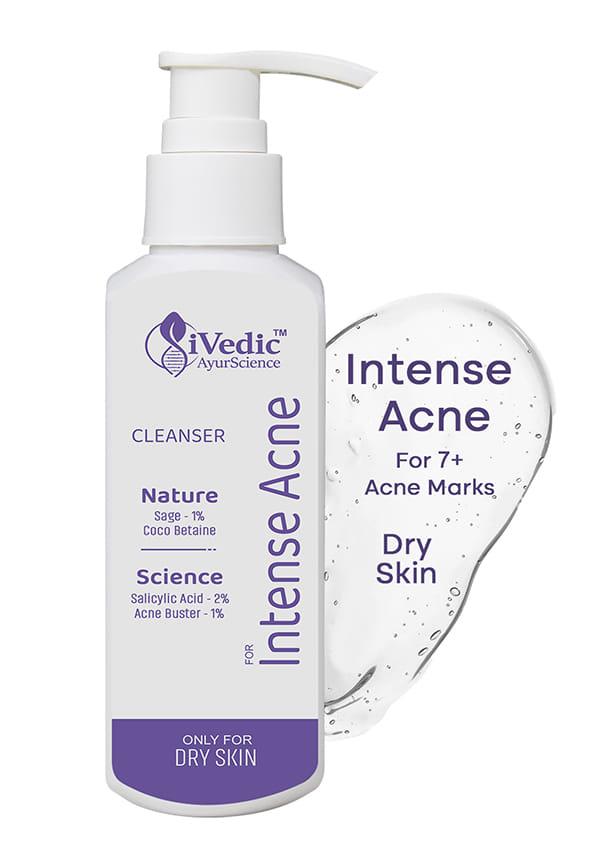 150 ml
Acne End Face Wash | Only For Dry Skin with Intense Acne
Look for non-foaming or very gentle foaming formulas. The pH should ideally be between 5.5 and 6.5. Avoid anything with sulfates, which are way too stripping for your skin type. Ingredients to avoid include alcohol denat, witch hazel, and menthol—basically anything that makes your skin feel tight or tingly after cleansing.
Cream formulations are generally better than gels for dry skin, as they contain more moisturising ingredients. When it comes to active ingredients, start with the lowest concentration available and work your way up slowly. Always patch test new products on a small area of skin before applying them to your entire face. This is especially important when you have sensitive, dry skin.
Look for ceramides, hyaluronic acid, and niacinamide in your moisturiser. These ingredients help repair and maintain your skin barrier while providing hydration. The oil-free versus facial oils debate really depends on your individual skin. Some people with dry, acne-prone skin do brilliantly with lightweight facial oils, while others prefer oil-free formulations. This is where platforms like Smytten become incredibly valuable. With access to trial packs from over 1,500 trusted brands including Cetaphil and Dot & Key, you can test different moisturising acne treatment options without committing to full-size products. Getting up to 8 minis for just ₹249 means you can experiment with various formulations to find what works best for your unique skin needs.
When you're dealing with both acne and dry skin, it's easy to make mistakes that end up making both problems worse. Here are the biggest pitfalls to watch out for.
The biggest mistake is thinking more products equals better results. If your skin starts feeling tight, looks red, or becomes more sensitive than usual, you're probably overdoing it. Signs of a compromised skin barrier include increased sensitivity, persistent redness, and skin that feels rough or looks dull. When this happens, strip back to basics—gentle cleanser, moisturiser, and SPF only until your skin recovers.
Never use retinoids and AHAs or BHAs on the same night. This is a recipe for irritation, especially with dry skin. Similarly, avoid using multiple active ingredients at once when you're starting out. Vitamin C and retinoids should be used at different times of day, and always introduce new active ingredients one at a time, waiting at least two weeks before adding anything else.
Sometimes standard approaches aren't enough, and you need to get a bit more strategic about your acne treatment for dry skin.
Winter often means ramping up the hydration and possibly scaling back on active ingredients. Your skin might need a richer moisturiser and more frequent hydrating masks during colder months. Humidity levels in your environment make a huge difference. If you live somewhere very dry, consider using a humidifier in your bedroom.
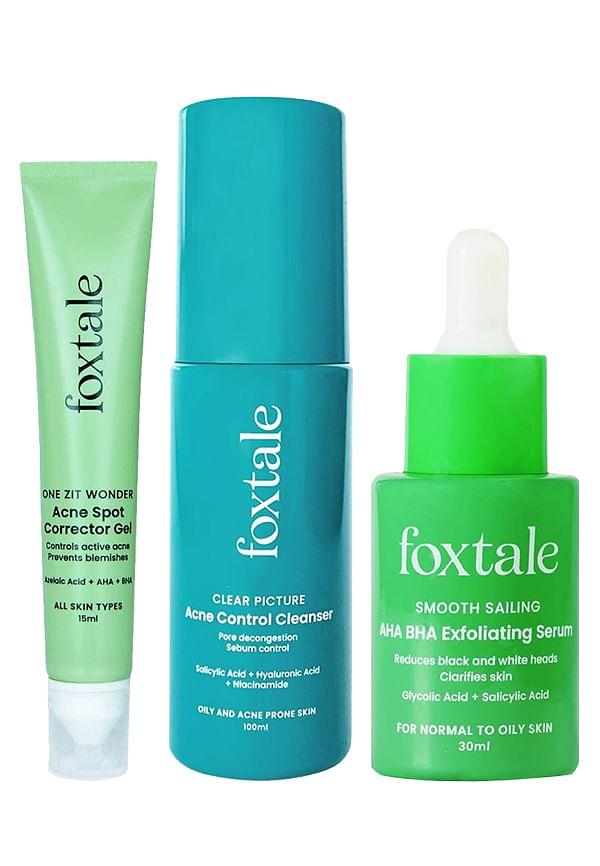 Combo
ComboAcne Essentials
Your diet and hydration levels absolutely affect your skin. While there's no magic food that will cure acne, staying well-hydrated and eating plenty of omega-3 fatty acids can support your skin barrier. Sleep and stress management are crucial too. Poor sleep and high stress levels can worsen both acne and dry skin by affecting your hormone levels and skin barrier function.
If you've been consistent with a gentle routine for three months and aren't seeing improvement, it's time to see a dermatologist. They can prescribe treatments specifically formulated for dry, acne-prone skin. Hormonal acne often requires a different approach entirely, and a dermatologist can help determine if that's what you're dealing with.
The most effective approach combines gentle cleansing with low-concentration salicylic acid or benzoyl peroxide, paired with hydrating ingredients like hyaluronic acid and niacinamide to maintain moisture balance.
Dry skin can cause acne through excess dead skin cell buildup that clogs pores, plus compromised skin barriers that allow bacteria deeper penetration, leading to inflammatory breakouts.
Gentle honey masks, properly diluted tea tree oil spot treatments, and oatmeal-based cleansers can help treat acne while maintaining skin hydration naturally.
Dry skin acne often appears as smaller, more irritated bumps with flaky surrounding skin, while oily skin acne typically presents as larger, more inflamed lesions with excess sebum.
With consistent gentle treatment, initial improvements typically appear within 4-6 weeks, with significant results visible after 8-12 weeks of proper skincare routine adherence.
Navigating acne treatment for dry skin doesn't have to feel impossible. The key is finding that sweet spot between treating your breakouts and maintaining your skin's moisture barrier. Remember, your skin is unique, and what works for someone else might not work for you—and that's completely normal. The journey to clear, hydrated skin often involves some trial and error, which is why having access to trial-sized products can be such a game-changer. Smytten's platform makes this process so much easier, allowing you to test different gentle acne treatment options from trusted brands without the commitment of full-size purchases. With over 25 million users and 100 million trial minis delivered, the platform has helped countless people find their perfect skincare match. Be patient with your skin, stay consistent with your routine, and don't be afraid to adjust your approach as needed. Your skin will thank you for the gentle, thoughtful care, and you'll likely find that treating both concerns together actually leads to better results than trying to tackle them separately. After all, why settle for 'maybe' when you can find products that truly work for your unique skin needs?
