Master Bacne: Step-by-Step Guide to Clear Skin

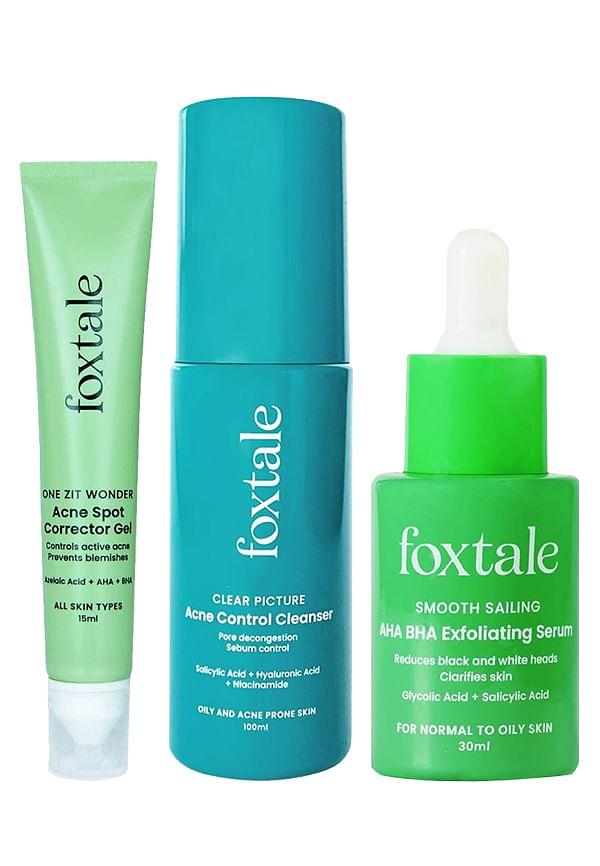
Acne Essentials
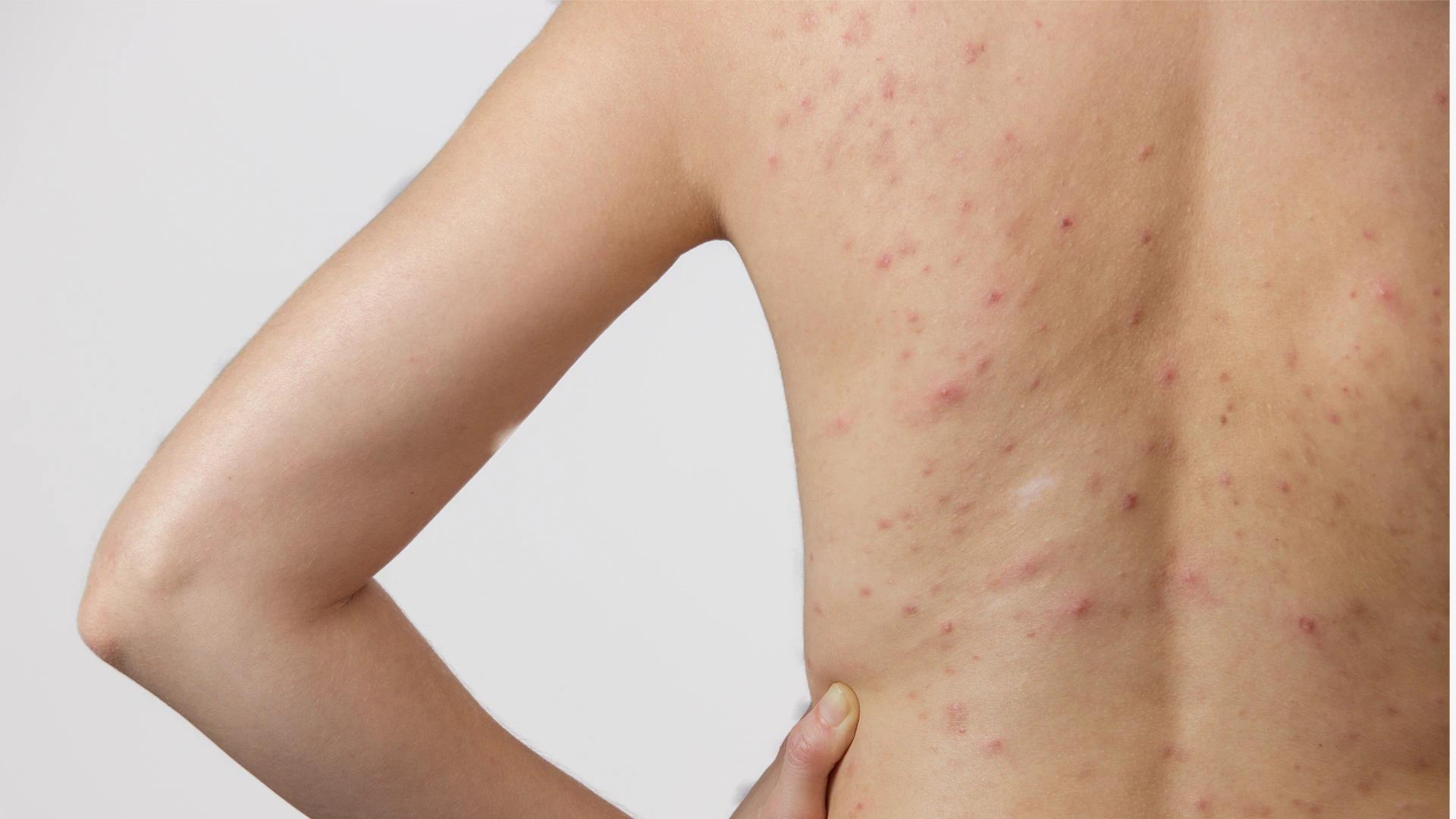
That thing on your back that's been bugging you? Let's be real—back acne (or 'bacne' as we like to call it) is more common than you think. Whether it's those annoying little bumps that show up right before a special occasion or stubborn breakouts that just won't budge, dealing with back acne can feel proper frustrating. But here's the thing: with the right approach and a solid routine, you can absolutely get your skin sorted. This guide breaks down everything you need to know about tackling bacne, from understanding what's causing it to finding the perfect back acne cream that actually works. Ready to say goodbye to those pesky back breakouts?
Back acne might look similar to facial acne, but it's actually got its own unique set of triggers and characteristics. The skin on your back is thicker and has more sebaceous glands, which means it can produce more oil and is prone to different types of breakouts. Understanding what's going on beneath the surface is the first step to finding the right body acne solution for your skin.
Several factors can trigger back breakouts, and often it's a combination rather than just one culprit:
Excess sebum production - Your back's oil glands can go into overdrive
Clogged pores - Dead skin cells and oil create the perfect blockage
Bacteria buildup - Particularly Propionibacterium acnes, which loves oily environments
Hormonal changes - Monthly cycles, stress, or life changes can trigger breakouts
Friction from clothing - Tight tops, backpack straps, or workout gear can irritate skin
Sweat and heat - Creates the ideal environment for bacteria to thrive
Not all back breakouts are created equal. Knowing what type you're dealing with helps you choose the right treatment approach:
Whiteheads and blackheads - These are your standard clogged pores
Papules and pustules - The red, inflamed spots that might have a white head
Nodules and cysts - The deeper, more painful bumps that can leave marks
Proper cleansing is absolutely crucial for managing back acne, but it's not just about scrubbing harder. The key is finding the right balance between removing excess oil and bacteria without stripping your skin completely. A good acne-fighting body wash can make all the difference in your bacne treatment routine.
Look for body washes that contain proven acne-fighting ingredients:
Salicylic acid (0.5-2%) - Brilliant for unclogging pores and gentle exfoliation
Benzoyl peroxide (2.5-5%) - Kills bacteria and reduces inflammation
pH-balanced formulas - Keep your skin's natural barrier happy
Avoid anything too harsh or fragranced, as these can irritate already sensitive skin.
How you wash matters just as much as what you use:
Use lukewarm water - Hot water can strip natural oils and cause irritation
Apply gentle pressure with your hands or a soft cloth
Cleanse once or twice daily - More isn't always better
Rinse thoroughly to remove all product residue
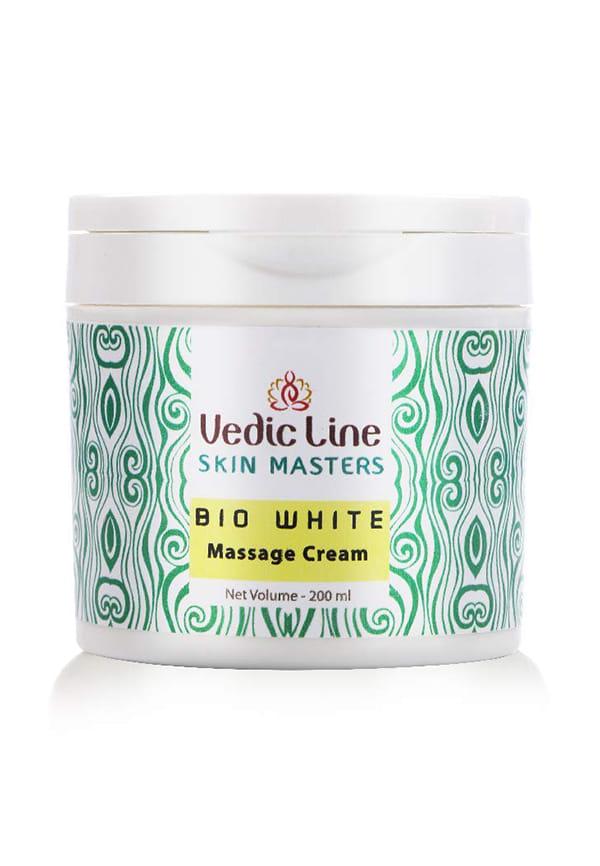
Skin Masters Bio White Massage Cream Helps to Reduce Acne
Exfoliation helps remove dead skin cells that can clog pores and make your skincare for back blemishes more effective. But with back acne, you need to be particularly gentle to avoid making inflammation worse. The goal is to help your skin turnover naturally without causing irritation.
For back acne, chemical exfoliation is usually the winner: Chemical exfoliation:
Salicylic acid or glycolic acid work gently
Less likely to cause micro-tears or irritation
Can penetrate pores more effectively
Physical exfoliation:
Can be too harsh for inflamed skin
Risk of spreading bacteria
Use only very gentle options if you prefer this method
Keep it simple and consistent:
Start with 2-3 times per week and adjust based on how your skin responds
Always apply to clean, dry skin
Follow up with a gentle moisturiser
Never exfoliate over active breakouts or inflamed areas
This is where the magic happens. Finding the right back acne cream or treatment can be a proper game-changer for your skin. The key is starting with gentler options and building up if needed, rather than going in guns blazing and potentially irritating your skin further.
These are your first line of defence and often all you need:
Benzoyl peroxide creams (2.5-10%) - Start low and work up
Salicylic acid treatments (0.5-2%) - Great for ongoing maintenance
Retinoid creams - Help with cell turnover and preventing clogged pores
Apply these treatments to clean, dry skin and always start with a lower concentration to see how your skin reacts.
If over-the-counter options aren't cutting it, don't hesitate to chat with a dermatologist:
Topical antibiotics - Target bacterial overgrowth
Oral medications - For more widespread or cystic acne
Professional treatments - Chemical peels or light therapy options
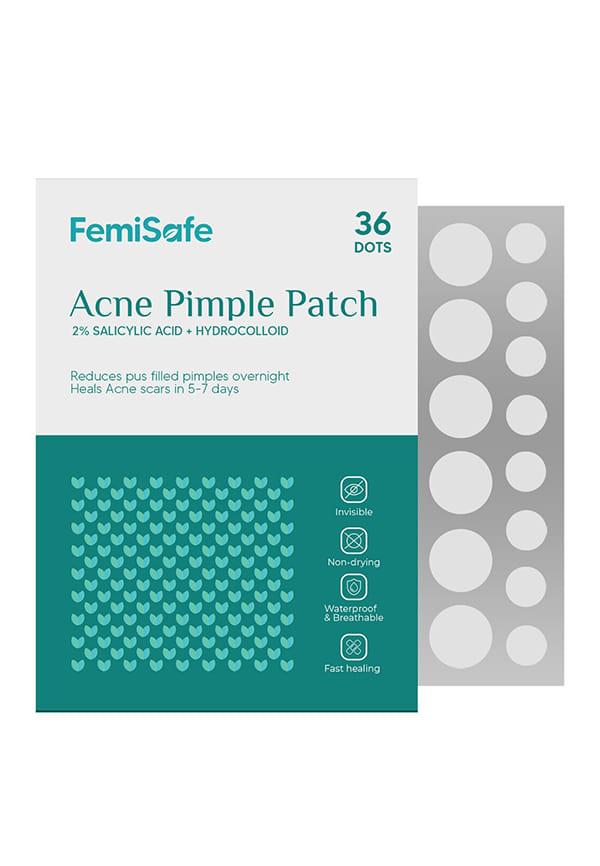
Acne Pimple Patch
Here's where loads of people get it wrong—they skip moisturiser thinking it'll make their acne worse. But proper hydration is essential for healthy skin function, even when you're dealing with breakouts. The trick is finding the right anti-acne lotion that hydrates without clogging pores.
Look for these key features in your moisturiser:
Lightweight, gel-based formulas - Absorb quickly without feeling heavy
Oil-free options - Won't add to existing oiliness
Non-comedogenic labels - Specifically formulated not to clog pores
Ingredients like hyaluronic acid - Hydrate without greasiness
Timing and technique matter:
Apply while skin is still slightly damp to lock in moisture
Use gentle, upward motions
Wait a few minutes before putting on clothes
Don't skip this step, even if your skin feels oily
Sometimes the most effective back breakout remedy isn't a product at all—it's tweaking your daily habits. Small changes in your routine can make a massive difference in preventing future breakouts and supporting your skin's natural healing process.
What you wear directly touches your skin for hours each day:
Choose breathable fabrics like cotton or moisture-wicking materials
Opt for loose-fitting clothes when possible, especially during workouts
Wash gym clothes after every use
Consider switching pillowcases and bedsheets more frequently
While diet doesn't directly cause acne, certain foods might trigger flare-ups for some people:
Stay properly hydrated—aim for those 8 glasses a day
Consider limiting dairy or high-glycemic foods if you notice correlations
Load up on antioxidant-rich foods to support overall skin health
Staying active is brilliant for your overall health, but sweat can complicate back acne:
Shower immediately after sweating
Change out of sweaty clothes ASAP
Use a clean towel each time
Consider wearing loose, breathable workout gear
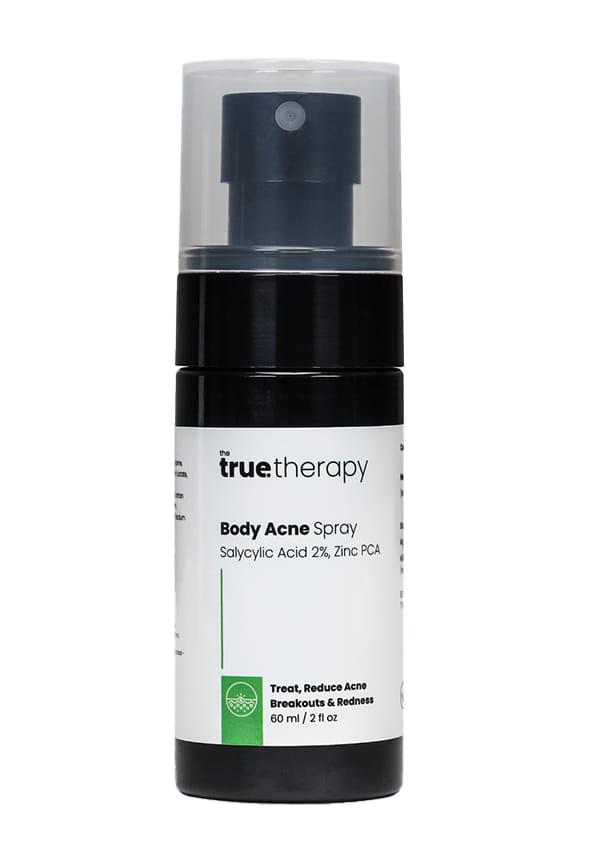
Body Acne Spray
Sometimes you need to bring in the big guns for those particularly stubborn spots. A good spot treatment for back can help tackle individual breakouts quickly without overdoing your entire routine. These targeted treatments are perfect for those annoying spots that just won't budge.
These concentrated treatments pack a punch:
Higher concentration benzoyl peroxide (up to 10%) for bacterial action
Salicylic acid spot gels for unclogging specific pores
Clay-based treatments to draw out excess oil
Apply these only to the specific spots, not your entire back, and start with lower concentrations.
If you prefer gentler, natural options:
Tea tree oil (diluted) has antimicrobial properties
Aloe vera can soothe inflammation
Green tea extract provides antioxidant benefits
Always patch test natural remedies first, as they can still cause reactions in some people.
While some ingredients might be similar, back acne creams are often formulated to be stronger and more suitable for the thicker skin on your back. The concentrations are typically higher, and the textures are designed to cover larger areas more easily.
Results can vary quite a bit, but most people start seeing improvements within 4-6 weeks of consistent treatment. Some might notice changes sooner, whilst others need a bit more patience. The key is sticking with your routine consistently.
Absolutely! Most back acne creams are suitable for everyone. The effectiveness depends more on the active ingredients and your specific skin type rather than gender. What matters is finding the right formulation for your skin's needs.
Some people might experience dryness, redness, or mild irritation, especially when starting treatment. Always begin with lower concentrations and do a patch test first. If you experience severe reactions, stop use and consult a dermatologist.
Tackling back acne doesn't have to be overwhelming when you break it down into manageable steps. Understanding what's causing your breakouts is the foundation for finding the right clear skin body treatment that works for your specific needs. Remember that consistency trumps perfection every time—it's better to stick with a simple routine than to try everything at once and overwhelm your skin. Most importantly, be patient with your skin and don't hesitate to seek professional advice if over-the-counter options aren't giving you the results you're after. Your skin is unique, and finding the right dermatologist-recommended bacne solution might take some trial and error, but clearer skin is absolutely achievable with the right approach and persistence.
