Lip Pigmentation FAQ: Causes and Treatments for Dark Lips

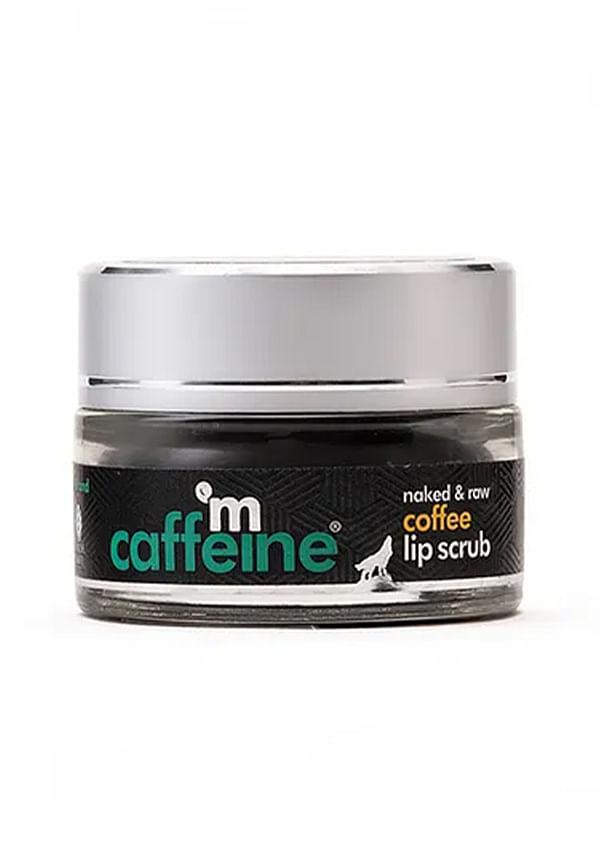 12 gm
12 gmCoffee Lip Scrub for Chapped Lips | Reduces Tan & Pigmentation
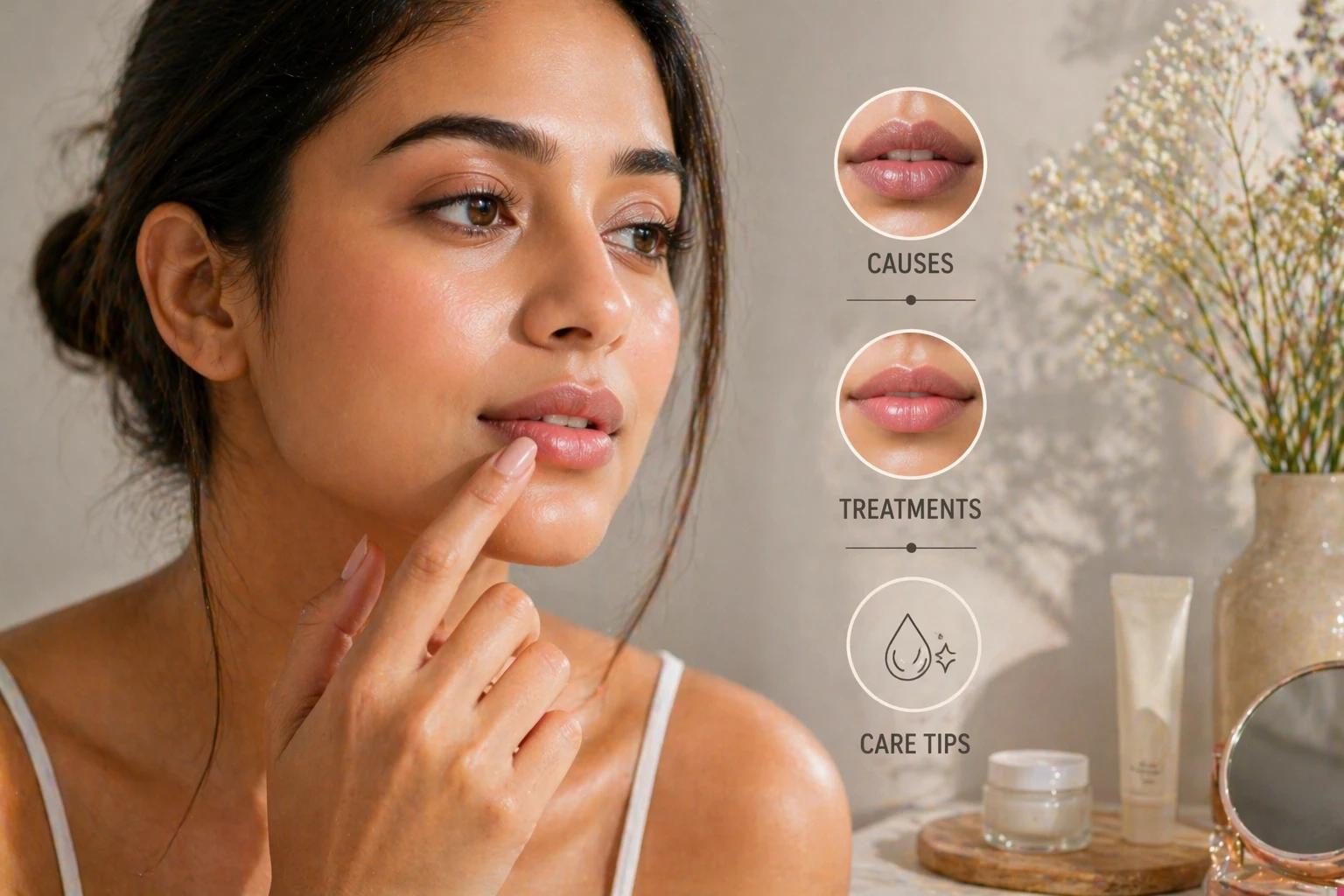
You've noticed those stubborn dark patches around your lips, and honestly, you're not alone. Whether it's from years of sun exposure, hormonal changes, or simply genetics, lip pigmentation affects countless people. The good news? There are proven ways to address it, from gentle home remedies to professional treatments that actually work.
Hyperpigmentation on lips isn't just about darker lip colour—it's when excess melanin builds up in specific areas, creating uneven patches around your mouth. You might notice it at the corners of your lips, along the lip border, or even extending slightly onto the surrounding skin. The key difference between natural lip colour and pigmentation lies in the evenness. Natural lip colour tends to be uniform, whilst pigmentation creates distinct patches or gradual darkening that wasn't there before. This uneven lip tone can make you feel self-conscious, especially when it seems to appear out of nowhere.
Melasma around the mouth area often appears as symmetrical brown patches, typically triggered by hormonal changes during pregnancy or menopause. Post-inflammatory hyperpigmentation develops after injury, irritation, or aggressive treatments, leaving behind darker spots where the skin has healed. Age spots and sun damage create scattered dark patches, particularly if you've spent years without proper lip protection. Environmental factors like pollution and smoking can also contribute to overall lip darkening and a dull appearance.
Understanding lip discolouration causes helps you tackle the problem more effectively. Sun exposure remains the biggest culprit—your lips have thin skin with minimal natural protection, making them vulnerable to UV damage that accumulates over time. Smoking doesn't just stain your teeth; it restricts blood flow to your lips and introduces harmful chemicals that can darken the surrounding skin. Even habits like frequent lip licking create constant moisture and irritation, leading to inflammation and eventual pigmentation.
Hormonal changes during pregnancy, menopause, or whilst taking certain contraceptives can trigger melanin overproduction. Some medications, particularly antimalarials and chemotherapy drugs, list hyperpigmentation as a side effect. Nutritional deficiencies, especially B12 and iron, can affect your lip colour and overall skin health. If you've noticed sudden changes in pigmentation alongside other symptoms, it's worth discussing with your GP.
Low-quality lipsticks containing harsh dyes or fragrances can cause allergic reactions that lead to pigmentation. Even some skincare products with strong actives, when applied too close to the lip area, can cause irritation and subsequent darkening.
Natural remedies for lip pigmentation can be surprisingly effective, especially for mild to moderate discolouration. The key is consistency and patience—natural ingredients work gradually but gently. Lemon and honey create a powerful combination for lightening pigmentation. Lemon's natural citric acid acts as a mild exfoliant, whilst honey provides moisture and healing properties. Mix equal parts fresh lemon juice and raw honey, apply to clean lips for 15 minutes, then rinse with lukewarm water.
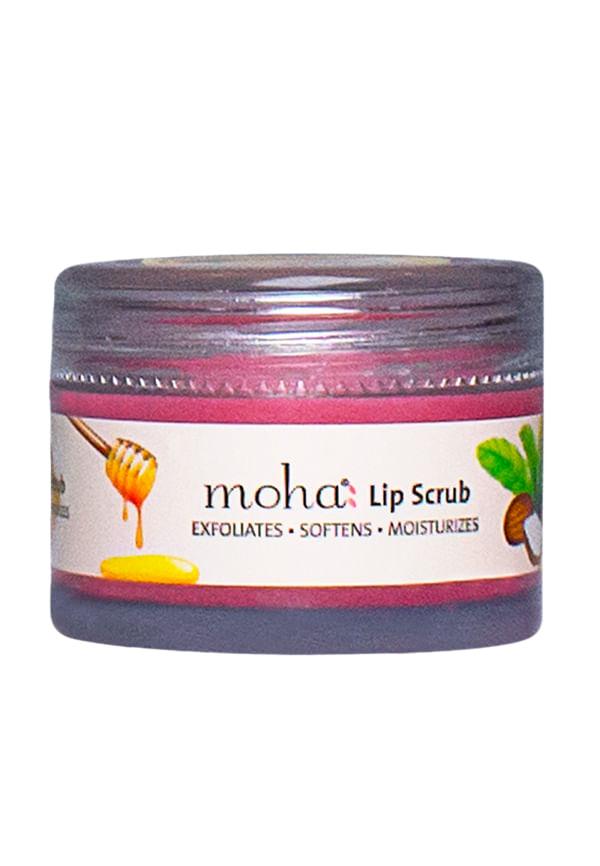 12 gm
12 gmLip Scrub for Pigmented, Dry and Chapped Lips
Beetroot juice offers a unique approach—whilst it temporarily tints your lips pink, regular use can help even out pigmentation over time. The natural nitrates in beetroot improve circulation, potentially helping fade dark spots. Aloe vera gel works brilliantly for post-inflammatory pigmentation. Its anti-inflammatory properties calm irritated skin whilst promoting healthy cell turnover. Apply fresh aloe gel twice daily for best results. Potato juice might sound unusual, but it's rich in vitamin C and mild enzymes that can gradually lighten pigmentation. Grate a fresh potato, extract the juice, and dab it onto affected areas with a cotton pad.
Create a papaya and honey mask by mashing ripe papaya with a teaspoon of honey. The natural enzymes in papaya gently exfoliate whilst honey moisturises. Leave on for 20 minutes before rinsing. For gentle exfoliation, mix sugar with olive oil to create a lip scrub. Use this once or twice weekly to remove dead skin cells and improve product absorption. Always follow with a nourishing lip balm.
When natural remedies aren't enough, lip pigmentation treatment from professionals can provide more dramatic results. Chemical peels designed for the delicate lip area use gentle acids to remove pigmented skin layers. Glycollic acid peels work well for surface pigmentation, whilst deeper peels using trichloroacetic acid can address more stubborn discolouration. Most people need 3-6 sessions spaced 2-4 weeks apart to see significant improvement.
Q-switch laser treatment targets pigmented cells specifically, breaking down excess melanin without damaging surrounding tissue. This precision makes it ideal for treating dark spots on lips that haven't responded to other methods. The treatment feels like tiny rubber band snaps and typically requires 2-4 sessions. You'll see gradual lightening over 4-6 weeks as your skin naturally eliminates the broken-down pigment.
Dermatologists may prescribe hydroquinone-based creams for stubborn pigmentation. These work by inhibiting melanin production, though they require careful use and sun protection. Retinoid treatments accelerate cell turnover, helping pigmented cells shed more quickly. Start with lower concentrations to avoid irritation, and always use SPF during treatment.
If you're wondering how to remove pigmentation around lips quickly, combining gentle exfoliation with intensive treatment can accelerate results. Use a soft toothbrush with honey to gently buff away dead skin, followed by a vitamin C serum. Proper hydration makes a significant difference in how quickly your skin responds to treatment. Well-moisturised skin sheds dead cells more efficiently and absorbs active ingredients better.
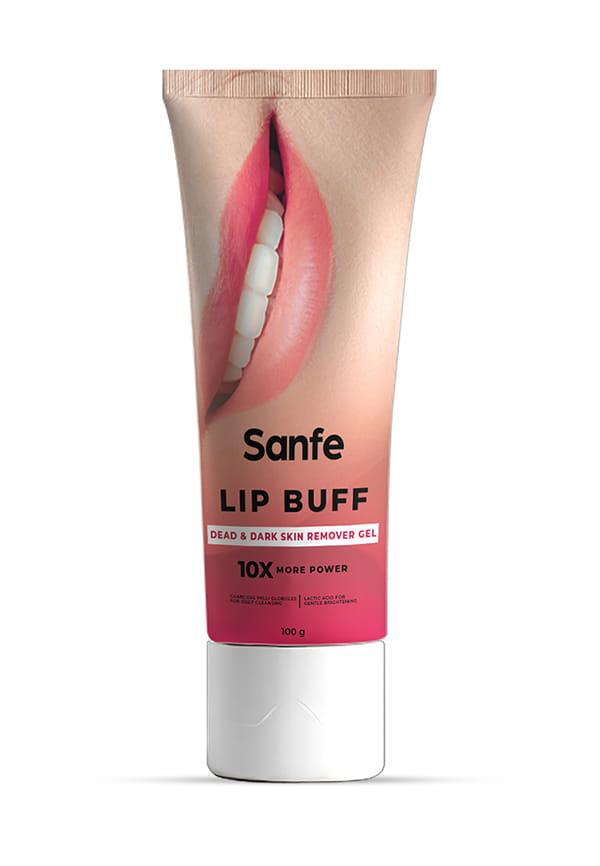 100gm
100gmlip buff dead & dark skin removal gel
Look for products containing kojic acid, which inhibits melanin production naturally. Azelaic acid offers both lightening and anti-inflammatory benefits, making it ideal for sensitive lip areas. Vitamin C serums work brilliantly for prevention and treatment. Choose stable forms like magnesium ascorbyl phosphate for the delicate lip area, and apply morning and evening.
Pairing natural remedies with professional treatments often yields the best results. Use gentle home treatments between professional sessions to maintain progress and prevent new pigmentation from forming.
Preventing future pigmented lips requires consistent daily habits. SPF protection is non-negotiable—choose a lip balm with at least SPF 15 and reapply throughout the day. Avoid products with harsh fragrances or dyes that might trigger irritation. When trying new lip products, patch test first and introduce them gradually into your routine.
Drink plenty of water to keep your lips naturally hydrated and healthy. Dehydrated lips are more prone to irritation and subsequent pigmentation. Quit smoking if you haven't already—it's one of the most significant contributors to lip discolouration and premature ageing around the mouth area.
Certain warning signs require immediate professional attention. Sudden, asymmetrical pigmentation changes, especially if accompanied by pain, swelling, or bleeding, should be evaluated by a dermatologist. If your pigmentation doesn't respond to consistent treatment after 3-4 months, professional intervention may be necessary. Sometimes underlying conditions require specific medical treatment.
Look for dermatologists with experience in pigmentation disorders. During consultation, ask about their preferred treatment methods, expected timelines, and realistic outcomes for your specific case. Discuss all current medications and skincare products, as some can interfere with pigmentation treatments or increase photosensitivity.
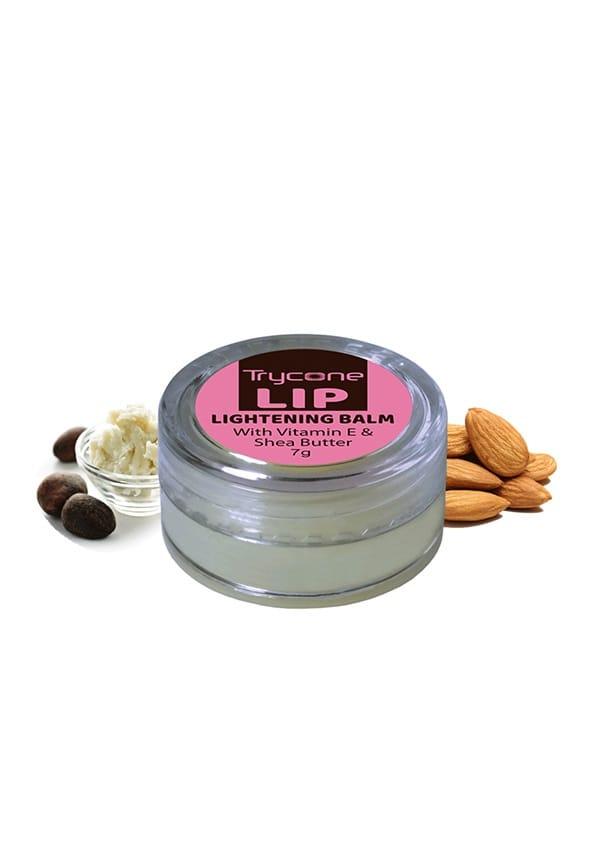 7 gm
7 gmLip Lightening Balm for Dark Lips
Natural remedies typically show improvement after 4-6 weeks of consistent use, whilst professional treatments may show results within 2-3 weeks. Complete pigmentation removal can take 3-6 months depending on severity and treatment method chosen.
No, regular face lightening creams are often too harsh for the delicate lip area. Choose products specifically formulated for lips or consult a dermatologist for appropriate alternatives that won't cause irritation.
Most lip pigmentation can be significantly improved or completely removed with proper treatment. However, prevention is crucial as pigmentation can return without adequate sun protection and proper lip care habits.
Natural lip darkening occurs gradually with age and is usually uniform. Pigmentation appears as patches, spots, or uneven darkening that develops relatively quickly due to specific triggers like sun damage or irritation.
Yes, colour-correcting concealers and lip primers can effectively camouflage pigmentation whilst you're treating it. Choose products that won't further irritate the area and always remove makeup thoroughly before applying treatments.
Foods rich in vitamin C, vitamin E, and antioxidants support skin health and may help prevent further pigmentation. Include citrus fruits, berries, nuts, and leafy greens in your diet for overall skin benefits.
Addressing lip pigmentation requires patience, consistency, and often a combination of approaches. Natural remedies work well for mild pigmentation and prevention, whilst professional treatments tackle stubborn discolouration more effectively. Remember that prevention is always easier than treatment. Daily SPF protection, gentle skincare habits, and avoiding known triggers will help maintain your results long-term. If you're exploring new skincare products to support your lip care routine, platforms like Smytten let you try products before committing to full sizes, helping you find what works best for your skin without the guesswork.
