Lactic Acid for Dry Skin: Your FAQ Answered


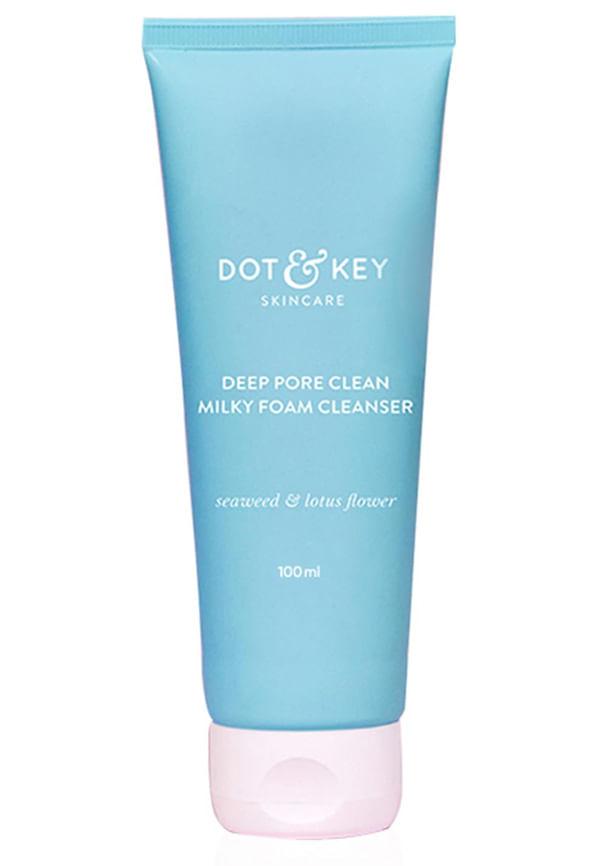
Deep Pore Clean Foaming Face Wash With Lactic Acid For Glowing Skin
You've been dealing with dry, flaky skin that feels rough to the touch, and you've heard about lactic acid for dry skin exfoliation. But here's the thing – when your skin already feels parched, the idea of using an acid sounds counterintuitive, doesn't it? Real talk: many people with dry skin avoid chemical exfoliation entirely, thinking it'll make things worse. But what if we told you that lactic acid might actually be exactly what your skin needs to break through that cycle of dryness and reveal the smooth, hydrated complexion underneath?
Lactic acid belongs to the family of alpha hydroxy acids (AHAs), but it's quite different from its more famous cousin, glycolic acid. Derived originally from sour milk, this gentle giant has a larger molecular size, which means it penetrates the skin more slowly and causes less irritation – making it ideal for sensitive skin exfoliation.
What makes lactic acid benefits particularly suited to dry skin is its dual action. Unlike other exfoliants that simply strip away dead skin cells, lactic acid actually helps your skin retain moisture whilst it works. This happens because lactic acid is a natural humectant, meaning it draws moisture from the environment into your skin. So whilst it's gently dissolving the bonds between dead skin cells, it's simultaneously helping your skin stay hydrated.
Research published in dermatological journals shows that AHA exfoliation with lactic acid not only improves skin texture but also enhances the skin's natural moisture factor. This is why many people notice their skin feels softer and more supple after using lactic acid, rather than tight and dry like with some other exfoliants.
Understanding how chemical exfoliation works helps explain why lactic acid is so effective for dry skin. Your skin naturally sheds dead cells, but when you have dry skin, this process often becomes sluggish. Dead cells accumulate on the surface, creating that rough, flaky texture that no amount of moisturiser seems to fix.
Lactic acid works by breaking down the 'glue' that holds these dead skin cells together. Its larger molecular size means it works more gradually than glycolic acid, providing gentle exfoliation that won't overwhelm sensitive or dry skin types. This slower action gives your skin time to adjust and prevents the irritation that can come with more aggressive exfoliants.
Physical scrubs can actually worsen dry skin by creating micro-tears and further disrupting the skin barrier. Lactic acid provides skin smoothing benefits without any physical abrasion, making it much gentler for compromised skin barriers.
The lactic acid benefits for dry skin extend far beyond simple exfoliation. When you use this dry skin exfoliant consistently, you'll notice several improvements that work together to transform your skin's appearance and feel.
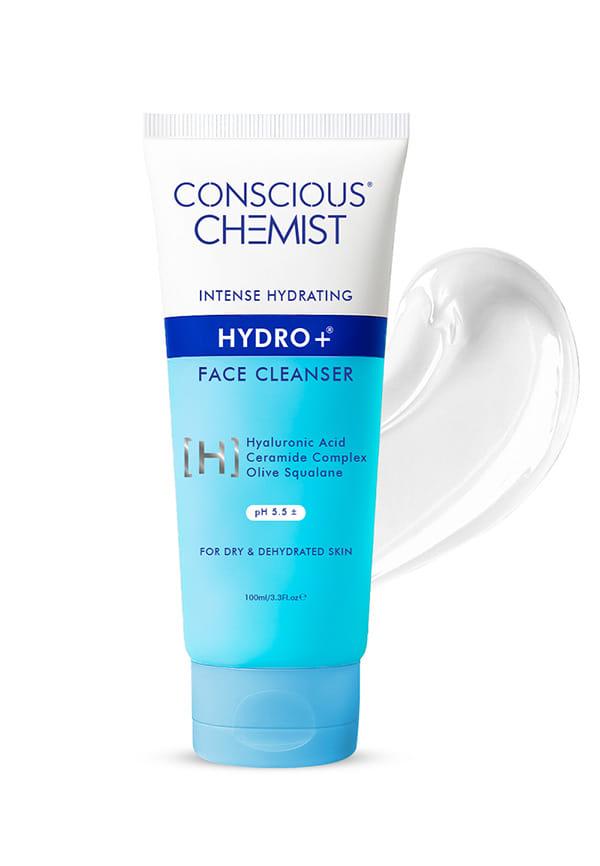
Gentle Hydrating Cleanser For Dry Skin with Hyaluronic Acid and Ceramides
First, there's the immediate skin smoothing effect. By removing the buildup of dead skin cells, lactic acid reveals the fresher, more even-textured skin underneath. But here's where it gets interesting – this exfoliation also helps your other skincare products work better. When there's no barrier of dead skin cells, your moisturisers and serums can penetrate more effectively.
Enhanced moisture retention: Regular use helps improve your skin's ability to hold onto hydration. Improved skin tone: Gentle exfoliation helps fade dark spots and creates a more even complexion. Reduced fine lines: By promoting cell turnover, lactic acid can help minimise the appearance of fine lines over time.
Starting with lactic acid serum can feel daunting, but the key is to begin slowly and listen to your skin. For dry skin types, we recommend starting with a 5% concentration and using it just once or twice a week initially.
Always apply lactic acid to clean, dry skin in the evening. Start with a small amount – a few drops of serum or a thin layer if you're using a treatment. Avoid the eye area and any areas of broken or irritated skin. Follow with a gentle, hydrating moisturiser to lock in the benefits and prevent any potential dryness.
Week 1-2: Use once a week, monitor your skin's response. Week 3-4: If your skin tolerates it well, increase to twice weekly. Month 2 onwards: You may be able to use it every other night, depending on your skin's tolerance.
Some people notice smoother skin after just one use, whilst others may need several weeks to see significant changes. This is completely normal – your skin's response depends on factors like your current skin condition, the concentration you're using, and your skin's natural renewal rate.
When choosing products for lactic acid for dry skin exfoliation, you'll encounter several different formats. Lactic acid serums are generally the most user-friendly for beginners, offering controlled concentrations that you can easily incorporate into your routine.
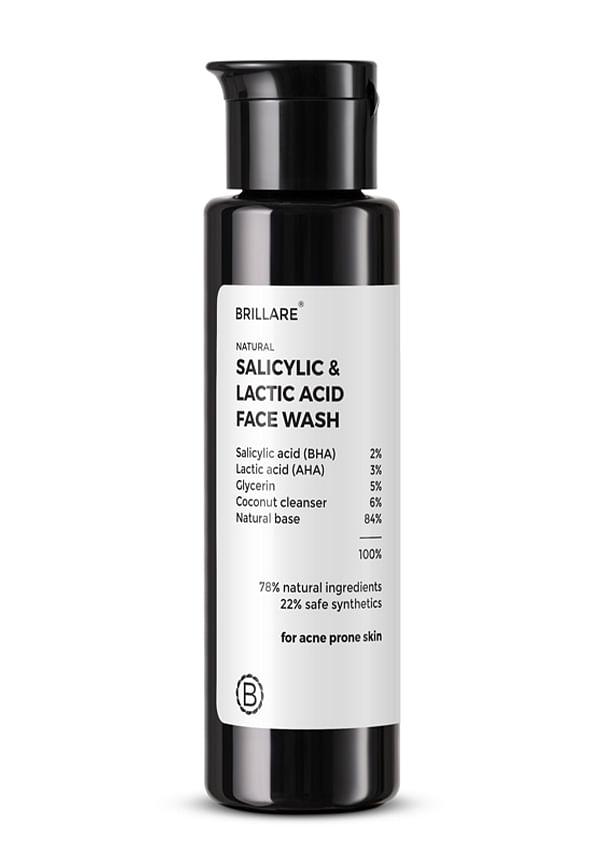
Salicylic & Lactic Acid Face Wash For Clear, Purified, Acne Prone Skin
Lactic acid peels contain higher concentrations and provide more intensive treatment, but they're not necessary for most people with dry skin. At-home peels typically range from 10-30% lactic acid, whilst professional treatments can go higher. For dry skin, it's usually best to stick with lower concentrations used more frequently rather than occasional high-strength treatments.
The best formulations combine lactic acid with hydrating ingredients like hyaluronic acid, glycerin, or ceramides. These help counteract any potential drying effects and enhance the moisturising benefits of the lactic acid itself.
Whilst lactic acid is generally well-tolerated, especially compared to other AHAs, there are still important safety considerations for people with dry skin. The most common side effects include mild tingling, temporary redness, or slight flaking – particularly when you first start using it.
For sensitive skin exfoliation, it's crucial to introduce lactic acid gradually. Start with the lowest concentration available and use it sparingly. If you experience persistent irritation, burning, or excessive dryness, discontinue use and consult a dermatologist.
All AHAs, including lactic acid, can increase your skin's sensitivity to UV radiation. This makes daily SPF application absolutely non-negotiable when using these products. Choose a broad-spectrum SPF 30 or higher and reapply throughout the day.
Lactic acid is generally considered the best AHA exfoliation option for dry skin because of its larger molecular size and natural humectant properties. Whilst glycolic acid is more potent, it can be too harsh for dry or sensitive skin. Mandelic acid is even gentler than lactic acid but may work more slowly. For most people with dry skin, lactic acid offers the perfect balance of effectiveness and gentleness.
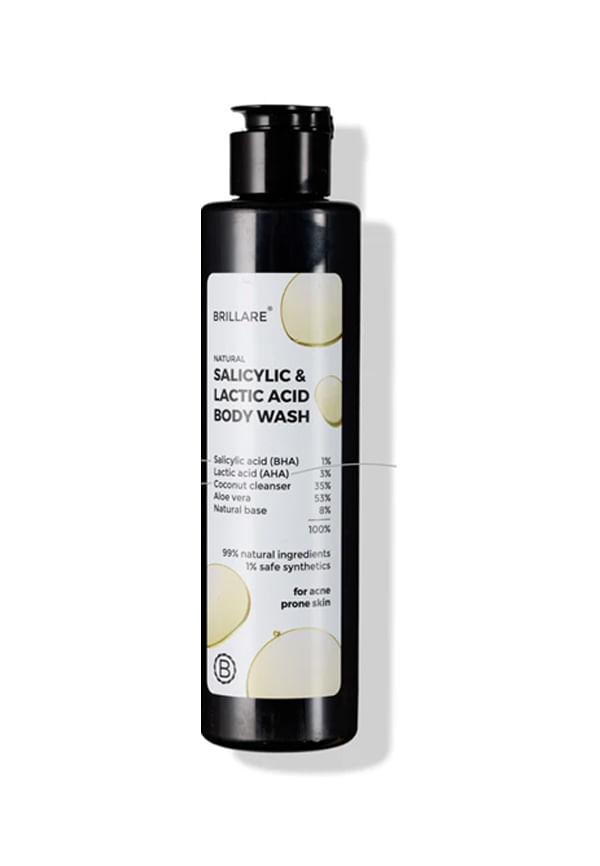
Salicylic & lactic Acid Body Wash for Clear, Purified, Acne Prone Skin
Start with once a week and gradually increase frequency based on your skin's tolerance. Most people with dry skin find that 2-3 times per week is optimal. Signs you're over-exfoliating include increased dryness, irritation, or sensitivity. Signs you could potentially use it more often include continued rough texture and no irritation from your current frequency.
Yes, lactic acid can help fade dark spots and even out skin tone over time. The gentle exfoliation promotes cell turnover, which helps bring newer, more evenly pigmented skin to the surface. However, results take time – typically 8-12 weeks of consistent use. For faster results, you might combine lactic acid with other brightening ingredients like vitamin C or niacinamide.
Absolutely. Physical scrubs can damage the already compromised skin barrier in dry skin types, leading to increased irritation and moisture loss. Chemical exfoliation with lactic acid provides more even, controlled exfoliation without the risk of micro-tears or over-scrubbing. It also offers the added benefit of hydration, which physical exfoliants cannot provide.
Yes, but timing and combination matter. Lactic acid pairs well with hydrating ingredients like hyaluronic acid and ceramides. Avoid using it with other exfoliating acids, retinol, or vitamin C in the same routine to prevent irritation. If you want to use multiple active ingredients, alternate them on different days or use them at different times of day.
If your skin becomes more dry or irritated, reduce the frequency of use or switch to a lower concentration. Make sure you're following with a good moisturiser and using SPF during the day. If problems persist, discontinue use and consider consulting a dermatologist. Sometimes dry skin needs barrier repair before it can tolerate exfoliation.
Lactic acid for dry skin exfoliation can be a game-changer when used correctly. Its unique combination of gentle exfoliation and hydrating properties makes it particularly well-suited for people who've struggled with other exfoliants in the past. The key is starting slowly, being consistent, and always following up with proper hydration and sun protection.
Remember, skincare is highly individual, and what works for others might need adjustment for your specific skin needs. Pay attention to how your skin responds and don't hesitate to modify your routine accordingly. With patience and the right approach, lactic acid can help you achieve the smooth, hydrated skin you've been working towards.
If you're curious about trying different lactic acid formulations but not ready to commit to full-size products, platforms like Smytten let you explore minis from various trusted brands before making larger investments. With over 28 million users discovering products this way, it's become a smart approach to finding what truly works for your skin.
