Kojic Acid vs Vitamin C for Brightening: Which is Best?


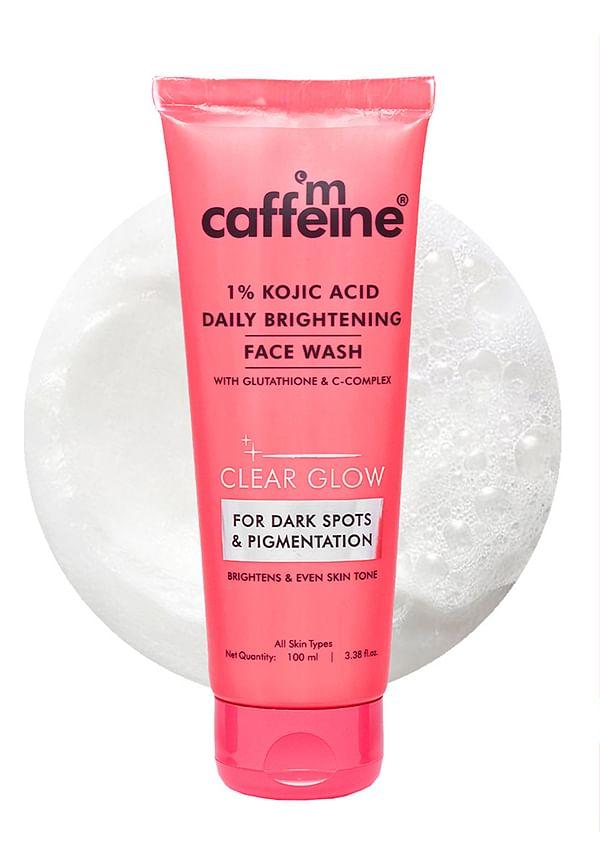
CLEAR GLOW 1% Kojic Acid Daily Brightening Face Wash For Dark Spots & Pigmentation
You've been staring at that stubborn dark spot for months, trying every brightening serum that promises results. Maybe you've heard whispers about kojic acid being the secret weapon for targeted pigmentation, or perhaps you're team vitamin C for that all-over glow. The truth is, both ingredients have earned their place in the brightening hall of fame, but they work quite differently. Understanding which one suits your specific skin concerns can save you time, money, and the frustration of wondering why your current routine isn't delivering the results you're after.
Before diving into the kojic acid vs vitamin c brightening debate, let's talk about what's actually happening when your skin develops those unwanted dark patches. Hyperpigmentation occurs when melanocytes (your skin's pigment-producing cells) go into overdrive, often triggered by sun damage, hormonal changes, or post-inflammatory responses from breakouts. Both kojic acid and vitamin C tackle this issue, but through different mechanisms. Kojic acid works by inhibiting tyrosinase, the enzyme responsible for melanin production, essentially putting the brakes on new pigment formation. Vitamin C, particularly in its L-ascorbic acid form, also inhibits tyrosinase whilst providing powerful antioxidant protection that prevents future damage. The key difference lies in their approach: kojic acid is like a precision tool for specific spots, whilst vitamin C offers broader skin brightening benefits with added protective qualities. Both require consistent use and diligent sun protection to maintain results, as UV exposure can quickly undo months of progress.
Kojic acid deserves serious consideration if you're dealing with stubborn, localised pigmentation. Derived from fungi used in sake production, this ingredient has built a reputation for being particularly effective against persistent dark spots that seem immune to other treatments. The kojic acid benefits become most apparent when treating specific concerns like melasma, post-acne marks, and age spots. Unlike some brightening ingredients that work gradually on overall skin tone, kojic acid can deliver noticeable improvements on targeted areas within 4-6 weeks of consistent use. This makes it particularly valuable for those frustrating spots that have been lingering for months or even years. When shopping for a kojic acid serum, look for concentrations between 1-4%. Higher percentages aren't necessarily better and can lead to irritation, especially for sensitive skin types. One significant advantage kojic acid has over vitamin C is its stability in formulations. Whilst vitamin C can oxidise and lose potency when exposed to light and air, kojic acid remains effective for longer periods, making it more reliable for consistent results. The timeline for seeing results with kojic acid varies, but most people notice improvements in dark spots within the first month of regular use. However, deeper pigmentation may require 8-12 weeks of consistent application to see significant fading.
Whilst kojic acid excels at targeted treatment, vitamin C serum benefits extend far beyond simple brightening. This powerhouse ingredient offers a comprehensive approach to skin health that includes brightening, protection, and anti-ageing benefits all in one. Vitamin C for hyperpigmentation works differently depending on the form used. L-ascorbic acid is the most potent but also the most unstable, whilst derivatives like magnesium ascorbyl phosphate and sodium ascorbyl phosphate offer gentler, more stable alternatives. Each form has its place, with L-ascorbic acid being ideal for those seeking maximum brightening power, and derivatives better suited for sensitive skin types. The antioxidant protection that vitamin C provides is perhaps its most valuable long-term benefit. By neutralising free radicals from pollution, UV exposure, and daily environmental stressors, vitamin C helps prevent new skin discoloration from forming. This preventative approach is crucial for maintaining results and preventing future pigmentation issues. For brightening purposes, look for vitamin C serum concentrations between 10-20%. Lower concentrations may not provide significant brightening benefits, whilst higher percentages can cause irritation without additional benefits. The collagen synthesis boost that vitamin C provides also contributes to overall skin radiance by improving texture and firmness.
When comparing kojic acid vs ascorbic acid for specific skin concerns, the winner depends entirely on what you're trying to achieve. Understanding these differences can help you make an informed choice for your brightening skincare routine.
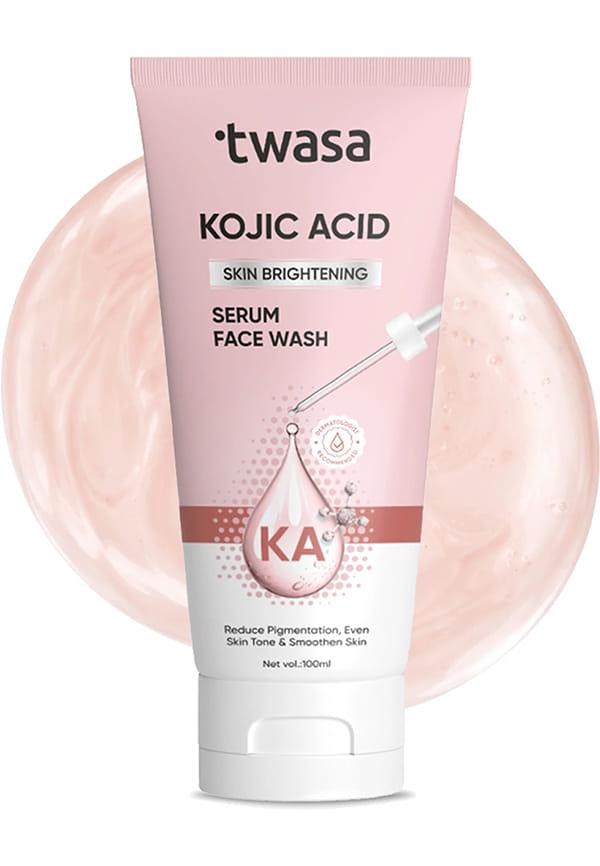
Kojic Acid For Dark Spots, Even Skin Tone & Pigmentation
For stubborn, well-defined dark spots, kojic acid often takes the lead. Its targeted approach means you can apply it specifically to problem areas without affecting surrounding skin. This precision makes it particularly effective for post-acne marks and melasma patches that haven't responded well to other treatments. Vitamin C, whilst effective for overall skin discoloration treatment, works more gradually on specific spots. However, its broader application means you're treating and preventing pigmentation across your entire face, which can lead to more uniform skin tone over time.
Sensitive skin types need to approach both ingredients carefully. Kojic acid can cause irritation, particularly at higher concentrations or when combined with other active ingredients. Vitamin C, especially L-ascorbic acid, can also be irritating due to its acidic pH requirements. For sensitive skin, vitamin C derivatives like magnesium ascorbyl phosphate offer gentler brightening benefits, whilst kojic acid should be introduced slowly and used in lower concentrations. Always patch test new products before full application.
Vitamin C wins in the long-term skin health category due to its antioxidant properties and collagen-boosting benefits. Whilst kojic acid focuses primarily on pigmentation, vitamin C provides ongoing protection against environmental damage that can cause future discolouration and premature ageing.
The question of whether you can combine these skin brightening ingredients is more complex than a simple yes or no. Whilst they can be used together, proper timing and application techniques are crucial for avoiding irritation and maximising benefits. The safest approach is to use vitamin C in the morning and kojic acid in the evening. This separation allows each ingredient to work optimally without potential pH conflicts or increased irritation risk. Morning vitamin C application provides antioxidant protection throughout the day, whilst evening kojic acid application allows for overnight pigmentation treatment. If you prefer to use both ingredients in the same routine, apply vitamin C first (as it typically has a lower pH), wait 10-15 minutes for absorption, then apply kojic acid. However, this approach increases the risk of irritation and should only be attempted after your skin has built tolerance to each ingredient individually. Always follow with a broad-spectrum SPF during the day, as both ingredients can increase photosensitivity. The combination of these ingredients with inadequate sun protection can actually worsen pigmentation issues.
Selecting between kojic acid and vitamin C depends on your specific skin concerns, sensitivity level, and lifestyle preferences. Understanding which ingredient aligns with your goals can help you build a more effective routine.
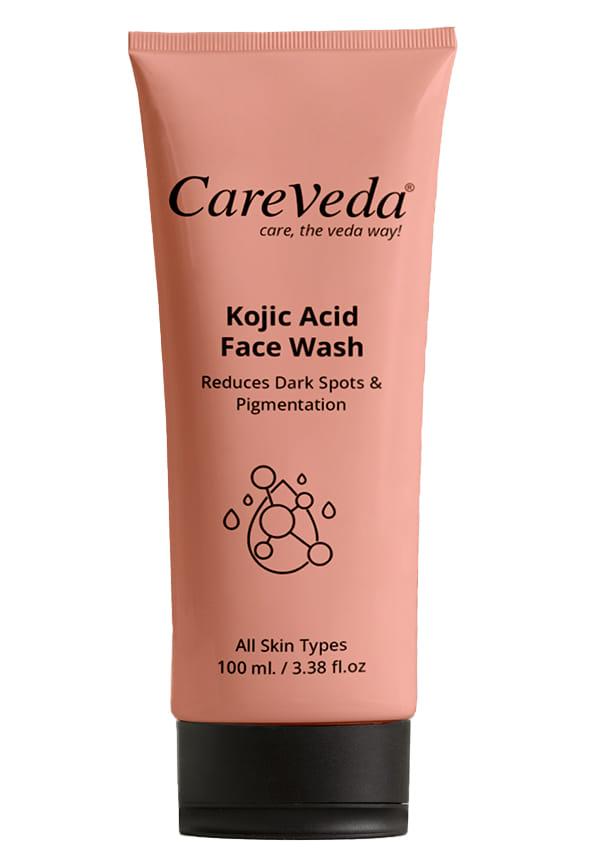
Kojic Acid Face Wash For Reduces Dark Spots & Pigmentation
Kojic acid works best for those dealing with specific, stubborn pigmentation issues. If you have well-defined dark spots from acne, sun damage, or melasma that haven't responded to gentler treatments, kojic acid's targeted approach may be exactly what you need. It's also ideal for those who prefer evening-focused routines and don't mind the precision application required for spot treatments.
Vitamin C suits those looking for overall skin improvement rather than targeted spot treatment. If your concerns include general dullness, uneven skin tone, or prevention of future damage, vitamin C's comprehensive benefits make it the better choice. It's particularly valuable for those who want anti-ageing benefits alongside brightening effects.
For comprehensive brightening results, using both ingredients strategically can provide synergistic effects. This approach works well for those with multiple skin concerns who want both targeted spot treatment and overall radiance improvement.
Both kojic acid and vitamin C are generally safe when used correctly, but understanding potential side effects and safety considerations is crucial for successful treatment. Common side effects include mild irritation, redness, and increased photosensitivity, particularly during the initial adjustment period. Kojic acid can occasionally cause contact dermatitis in sensitive individuals, whilst vitamin C may cause stinging or burning sensations, especially in higher concentrations. These effects typically subside as skin builds tolerance, but persistent irritation warrants discontinuation. Sun protection becomes non-negotiable when using either ingredient. Both can increase photosensitivity, making skin more susceptible to UV damage and potential worsening of pigmentation. A broad-spectrum SPF 30 or higher should be applied daily, regardless of weather conditions or indoor activities. Pregnant and breastfeeding individuals should consult healthcare providers before using kojic acid, as safety data is limited. Vitamin C is generally considered safe during pregnancy and breastfeeding, making it a preferred choice for expecting mothers seeking brightening benefits.
The answer depends on your specific needs. Kojic acid excels at targeting stubborn dark spots and specific pigmentation issues, whilst vitamin C provides overall brightening with added antioxidant protection. For comprehensive results, many people find success using both ingredients strategically in their routine.
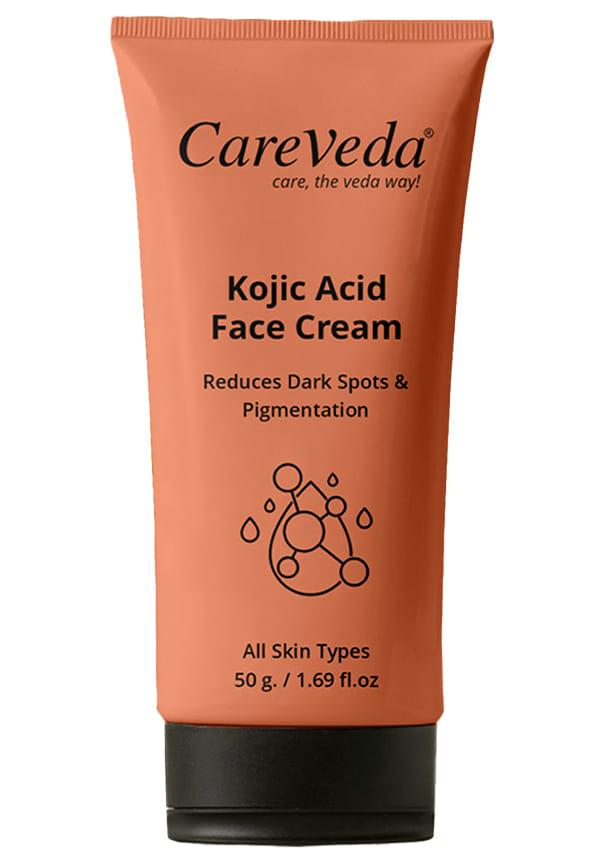
Kojic Acid Face Cream For Reduces Dark Spots & Pigmentation
Yes, but proper timing is essential. Use vitamin C in the morning and kojic acid in the evening to avoid potential interactions and reduce irritation risk. If using both in the same routine, apply vitamin C first, wait for absorption, then apply kojic acid.
Kojic acid typically shows results on targeted spots within 4-6 weeks, whilst vitamin C's overall brightening effects may be noticeable within 2-4 weeks. Deeper pigmentation issues may require 8-12 weeks of consistent use for significant improvement.
Extremely sensitive skin types should introduce these ingredients gradually and consider gentler alternatives. Those with active eczema or compromised skin barriers should consult a dermatologist before use. Patch testing is recommended for everyone.
Absolutely. Both kojic acid and vitamin C can increase photosensitivity, making diligent sun protection essential. Use broad-spectrum SPF 30 or higher daily, regardless of weather conditions.
The kojic acid vs vitamin c brightening debate doesn't have a universal winner because both ingredients serve different purposes in achieving radiant, even-toned skin. Kojic acid's precision makes it invaluable for stubborn spots, whilst vitamin C's comprehensive benefits make it ideal for overall skin health and prevention. Your choice should align with your specific concerns, skin sensitivity, and lifestyle preferences. Those dealing with targeted pigmentation issues may find kojic acid more effective, whilst those seeking overall radiance and anti-ageing benefits might prefer vitamin C's multifaceted approach. For the most comprehensive results, consider incorporating both ingredients into your routine with proper timing and sun protection. Remember that consistency is key with any brightening ingredient, and results require patience and commitment. If you're curious about trying products containing these ingredients but hesitant to commit to full sizes, exploring curated options can help you discover what works best for your skin. Smytten's platform offers access to premium skincare brands, allowing you to test formulations before making larger investments. With over 28 million users discovering their perfect products through trials, it's a smart way to build an effective routine without the guesswork.
