Kojic Acid for Neck Pigmentation FAQ: Causes & Treatments

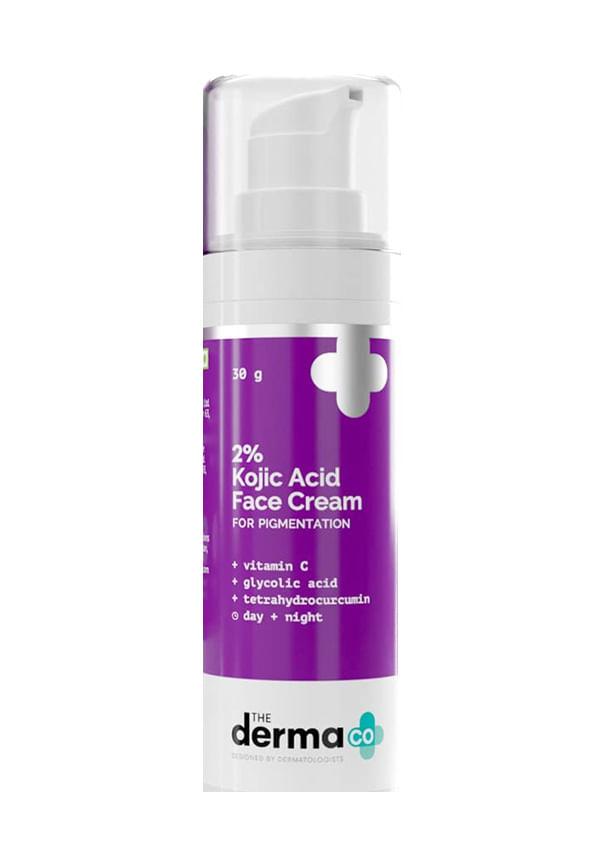 30 gm
30 gm2% Kojic Acid Cream for Pigmentation
Dark patches around your neck can feel like an unwelcome surprise, especially when they seem to appear out of nowhere. If you've been searching for solutions, you've probably come across kojic acid as a potential game-changer for neck pigmentation. This naturally derived ingredient has been making waves in the skincare world for its ability to tackle stubborn dark spots and uneven skin tone. But does it really work for neck discolouration? Let's dive into everything you need to know about using kojic acid for neck pigmentation, from understanding what causes those dark patches to finding the right treatment approach that actually works.
Before jumping into treatments, it's worth understanding why your neck might be developing these darker patches in the first place. Neck pigmentation isn't just about sun exposure or poor hygiene—there's usually something deeper happening beneath the surface.
The most common culprit behind dark neck patches is a condition called acanthosis nigricans. This might sound intimidating, but it's essentially your skin's way of responding to insulin resistance or hormonal changes. When your body struggles to process insulin effectively, it can trigger increased melanin production in certain areas, particularly skin folds like your neck, underarms, and groin.
Several factors can contribute to hyperpigmentation on neck areas:
Insulin resistance and diabetes: Often the primary trigger for acanthosis nigricans
Hormonal fluctuations: Pregnancy, PCOS, or thyroid issues can darken neck skin
Obesity: Extra weight can increase insulin resistance and friction in skin folds
Genetics: Some people are simply more prone to developing neck discolouration
Certain medications: Birth control pills, steroids, or niacin can trigger pigmentation
Friction: Tight clothing or jewellery rubbing against your neck
While many cases of neck pigmentation can be managed with topical treatments, it's important to know when to consult a dermatologist. If your dark patches appear suddenly, are accompanied by other symptoms, or don't respond to over-the-counter treatments after several months, it's time for professional evaluation.
Kojic acid has earned its reputation as a reliable skin brightening ingredient, and for good reason. This naturally occurring compound, derived from certain fungi used in sake production, works by inhibiting tyrosinase—the enzyme responsible for melanin production.
Think of melanin as your skin's natural pigment factory. When this factory goes into overdrive (due to hormonal changes, insulin resistance, or other triggers), you get those unwanted dark patches. Kojic acid essentially tells that factory to slow down, gradually reducing the intensity of existing pigmentation while preventing new dark spots from forming.
What makes kojic acid particularly effective for neck pigmentation treatment is its gentle yet consistent action. Unlike some harsh bleaching agents, kojic acid works gradually to lighten skin without causing significant irritation when used correctly. Clinical studies have shown that 2% kojic acid formulations can produce noticeable lightening effects within 4-8 weeks of consistent use.
Here's what you can realistically expect when using kojic acid for neck pigmentation:
Weeks 1-2: Initial adjustment period, possible mild irritation
Weeks 3-4: Skin begins to adapt, very subtle lightening may start
Weeks 6-8: Noticeable improvement in pigmentation intensity
Weeks 12-16: Significant lightening, more even skin tone
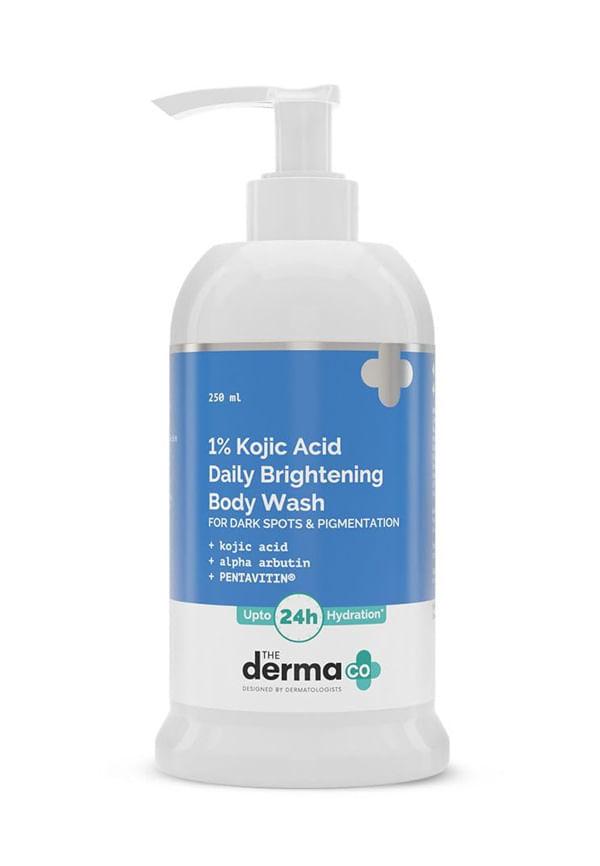 250 ml
1% Kojic Acid Daily Brightening Body Wash with Alpha Arbutin
Getting the application right is crucial for seeing results without irritation. The neck area can be more sensitive than your face, so a gentle approach works best.
Start with a patch test on a small area of your neck before committing to full treatment. Apply a tiny amount of your chosen kojic acid product and wait 24-48 hours to check for any adverse reactions.
Once you've confirmed your skin tolerates kojic acid well, follow this routine:
Cleanse gently: Use a mild, fragrance-free cleanser on your neck
Apply kojic acid product: Use a thin, even layer on affected areas
Wait for absorption: Allow 10-15 minutes before applying other products
Moisturise: Follow with a gentle, non-comedogenic moisturiser
Sun protection: Always apply SPF 30+ during the day
Start with once-daily application, preferably in the evening. If your skin tolerates it well after two weeks, you can gradually increase to twice daily. However, many people find that once-daily use provides sufficient results with minimal irritation risk.
Not all kojic acid products are created equal, especially when it comes to treating neck discolouration. The concentration, formulation, and additional ingredients all play crucial roles in effectiveness and tolerability.
For neck pigmentation treatment, look for products containing 1-2% kojic acid. Higher concentrations aren't necessarily better and may increase irritation risk without providing additional benefits.
Kojic acid creams: Best for dry or sensitive skin, provide sustained contact
Kojic acid serums: Lighter texture, good for oily skin types
Kojic acid soaps: Convenient but less targeted, may be too drying
Combination products: Often include glycolic acid or vitamin C for enhanced results
The most effective neck discolouration remedies often combine kojic acid with other skin brightening ingredients:
Arbutin: Another gentle melanin inhibitor that works synergistically
Vitamin C: Provides antioxidant protection and additional brightening
Niacinamide: Helps reduce inflammation and improve skin barrier function
Urea: Gently exfoliates and helps other ingredients penetrate better
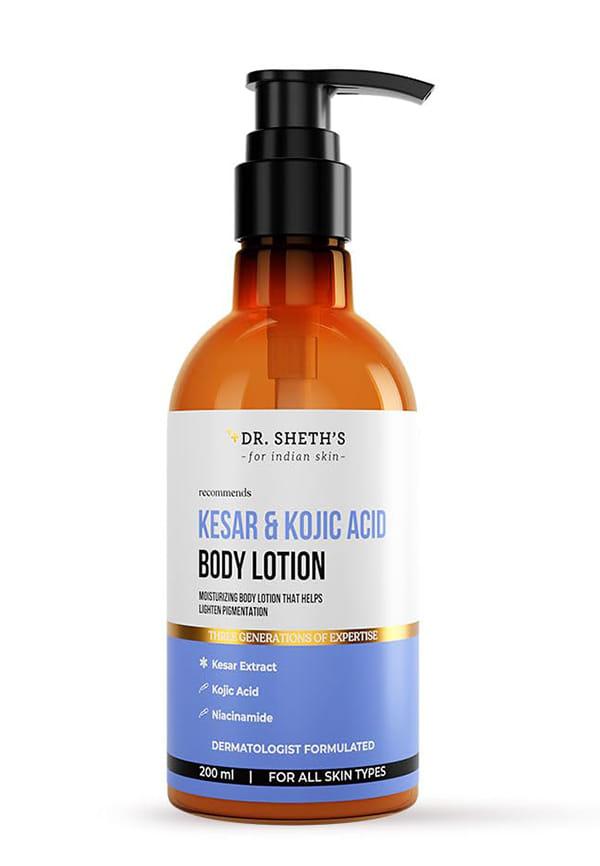 200 ml
Kesar & Kojic Acid Body Lotion
While kojic acid is generally well-tolerated, it's not without potential side effects. Being aware of these helps you use the ingredient safely and effectively.
The most common side effects include mild irritation, redness, or a stinging sensation upon application. These typically subside as your skin adjusts to the product, usually within the first week or two of use.
Pregnant or breastfeeding women: Limited safety data available
People with very sensitive skin: Start with lower concentrations
Those with active skin conditions: Eczema or dermatitis may worsen
Sun-sensitive individuals: Kojic acid can increase photosensitivity
To reduce your risk of experiencing side effects:
Always start with a patch test
Begin with once-daily application
Use a gentle moisturiser to prevent dryness
Never skip sunscreen during treatment
Discontinue use if irritation persists beyond two weeks
While kojic acid is effective for many people, it's not the only option for addressing neck discolouration. Understanding alternatives helps you make informed decisions about your skincare routine.
Other topical ingredients that can help with uneven skin tone neck issues include glycolic acid, azelaic acid, and retinoids. Each works differently and may be more suitable depending on your skin type and the underlying cause of your pigmentation.
For stubborn or severe neck pigmentation, professional treatments might be necessary:
Chemical peels: Glycolic or lactic acid peels can accelerate cell turnover
Laser therapy: Targeted treatment for deeper pigmentation
Microdermabrasion: Physical exfoliation to improve product penetration
Prescription treatments: Hydroquinone or tretinoin for resistant cases
Sometimes, the most effective approach involves treating the root cause rather than just the symptoms. If your neck pigmentation is related to insulin resistance, working with a healthcare provider to manage blood sugar levels can prevent new dark patches from forming while topical treatments address existing ones.
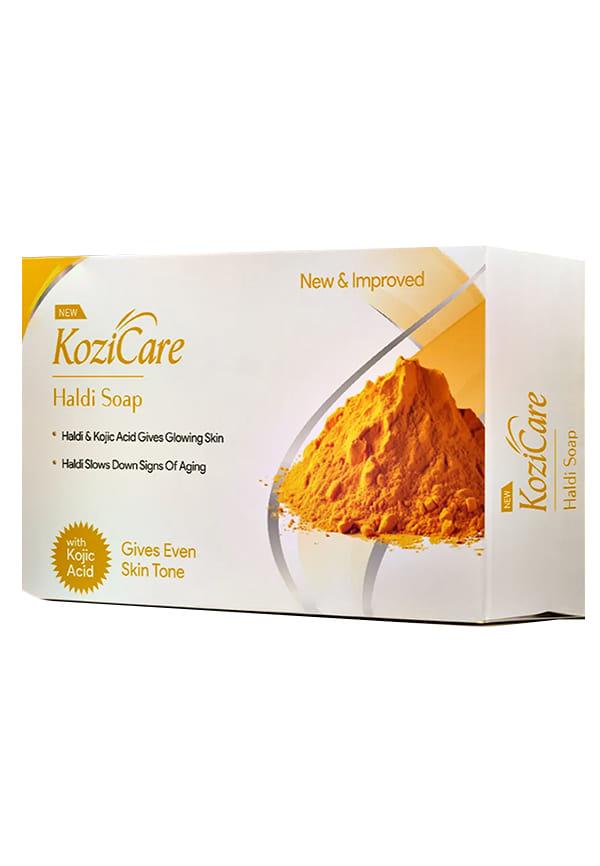 75gm
75gmKojic Acid & Glutathione Soap,Haldi Turmeric Face Ubtan Soap
Kojic acid can significantly lighten neck pigmentation, but "removal" might be too strong a word. Most people see substantial improvement with consistent use, but complete elimination depends on the underlying cause and severity of the pigmentation. Think of it as a gradual lightening process rather than an instant eraser.
You'll typically start seeing subtle improvements around 4-6 weeks of consistent use, with more noticeable results by 8-12 weeks. However, this timeline can vary based on the severity of your pigmentation, the concentration of kojic acid you're using, and how consistently you apply it.
Yes, but start slowly. Begin with once-daily application, preferably in the evening, and gradually increase to twice daily if your skin tolerates it well. The neck area can be more sensitive than facial skin, so listen to your body and adjust accordingly.
For neck pigmentation, 1-2% kojic acid is generally considered safe and effective. Higher concentrations don't necessarily provide better results and may increase the risk of irritation. Always start with the lowest effective concentration and increase gradually if needed.
Kojic acid is particularly effective because it specifically targets melanin production, making it ideal for pigmentation issues. While glycolic acid and lactic acid can also help through exfoliation, kojic acid's targeted approach often makes it more suitable for neck discolouration specifically.
Yes, kojic acid can help lighten hormonally-induced neck pigmentation by inhibiting melanin production. However, addressing the underlying hormonal imbalance (through medical consultation) alongside topical treatment often provides the best long-term results.
Many people successfully combine kojic acid with ingredients like vitamin C, niacinamide, or arbutin. However, avoid combining it with strong exfoliating acids initially, as this can increase irritation risk. Introduce new ingredients gradually and always patch test combinations.
If you experience mild irritation, reduce application frequency or try a lower concentration. Ensure you're using a good moisturiser and sunscreen. If irritation persists beyond two weeks or becomes severe, discontinue use and consult a dermatologist.
Kojic acid can be an effective solution for neck pigmentation when used correctly and consistently. The key is understanding that this isn't an overnight fix—it requires patience and proper application to see meaningful results. Start with a lower concentration, always patch test first, and never skip sun protection during treatment.
Remember that neck pigmentation often has underlying causes that may need addressing alongside topical treatments. If you're dealing with insulin resistance, hormonal imbalances, or other health issues, working with healthcare providers can help prevent new pigmentation while you treat existing dark patches.
When exploring kojic acid products for your neck pigmentation treatment, platforms like Smytten make it easier to discover what works for your skin without committing to full-size purchases. With trial packs from trusted skincare brands, you can test different formulations and concentrations to find your perfect match. After all, why settle for guesswork when you can try different options and find what truly works for your unique skin needs?
