Ingrown Hair Under Armpit FAQ: Your Questions Answered

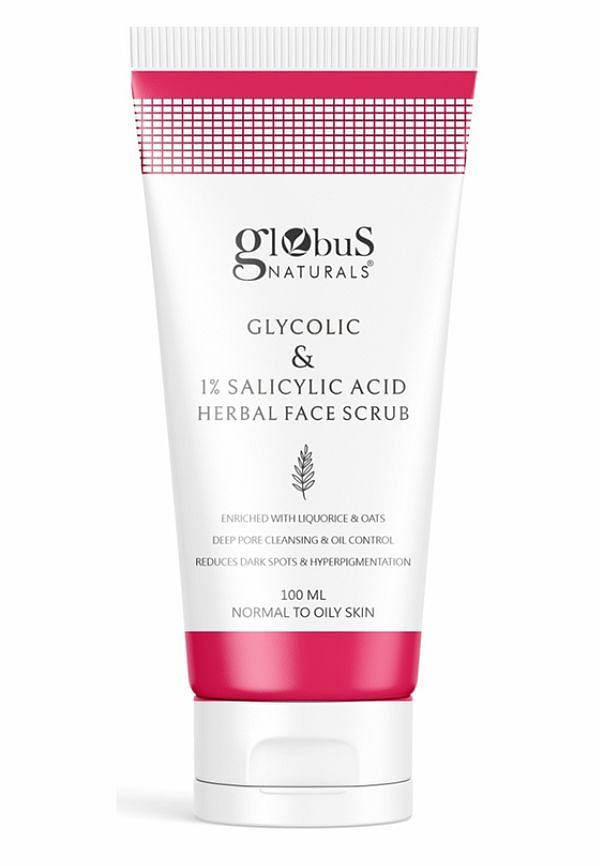
Glycolic & Salicylic Acid Scrub
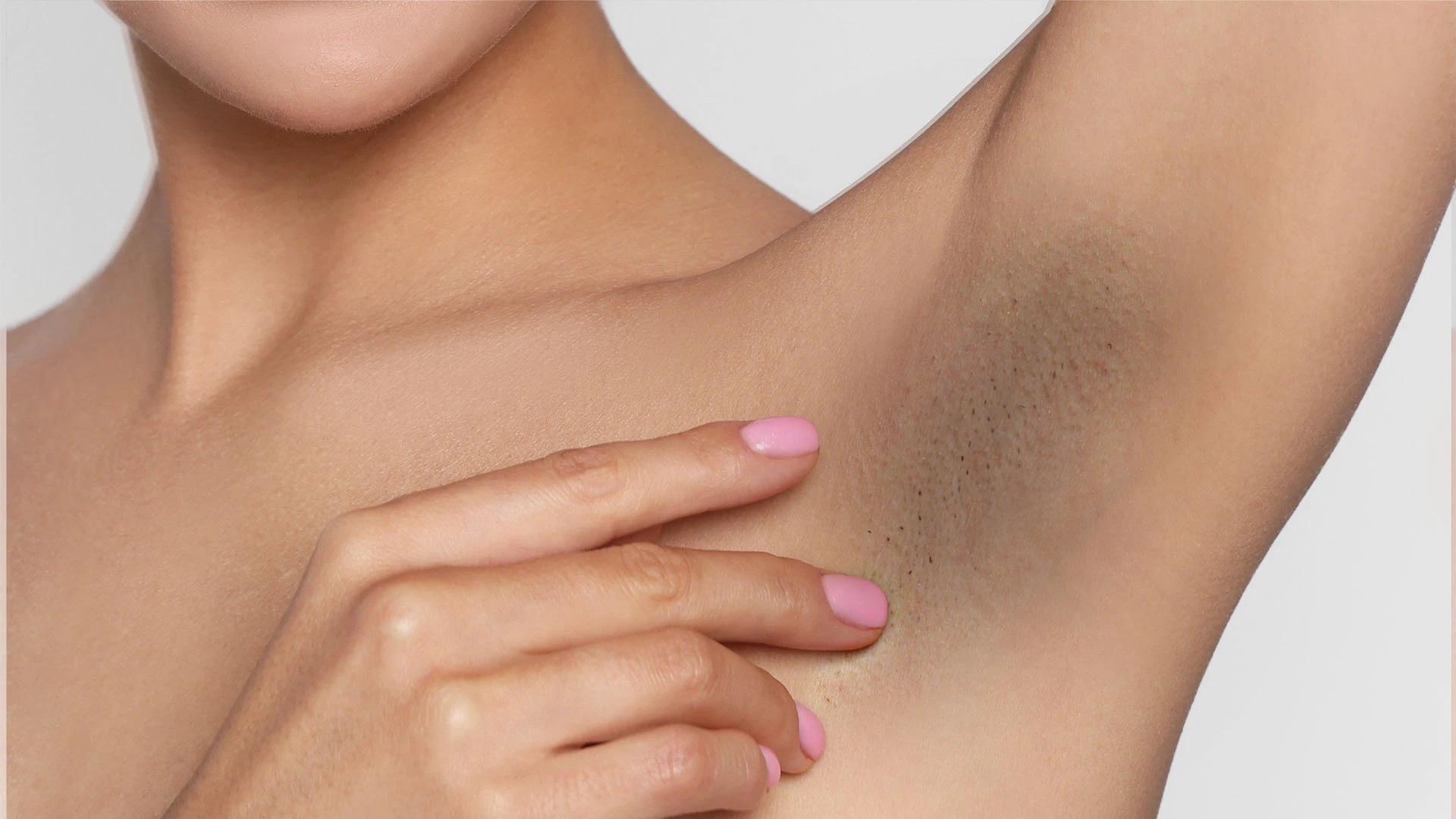
That tender, raised bump under your arm isn't just annoying—it's one of the most common skincare concerns affecting nearly 60% of people who remove underarm hair regularly. Ingrown hairs in the armpit area can be particularly stubborn because of the unique challenges this part of your body presents: curved hair follicles, constant friction from clothing, and the natural moisture that creates the perfect storm for hair to grow sideways instead of up and out. Whether you're dealing with a single bump or recurring razor bumps, understanding how to treat and prevent these pesky issues can save you from weeks of discomfort and potential scarring.
Understanding why your underarms are particularly prone to ingrown hairs is the first step towards effective treatment and prevention. The armpit area presents unique challenges that make it a hotspot for hair-related skin issues.
Most armpit hair removal irritation stems from technique rather than skin sensitivity. Shaving against the grain might give you that smooth feeling initially, but it cuts hair at an angle that encourages it to grow back into the skin. Using a dull razor creates jagged hair ends that are more likely to curl back and penetrate the skin surface.
Dry shaving is another major culprit—without proper lubrication, the razor tugs at hair rather than cutting it cleanly. This trauma to the hair follicle creates inflammation and increases the likelihood of the hair growing in the wrong direction as it heals.
Your underarm hair naturally grows in multiple directions due to the curved surface of this area. Unlike leg hair that grows relatively straight, armpit hair emerges from follicles that are angled differently across the concave surface. This natural curvature, combined with the constant movement and friction from arm motion, creates an environment where hair can easily become trapped beneath the skin surface.
The skin folds and natural moisture retention in this area also contribute to the problem. Bacteria and dead skin cells can accumulate more easily, potentially blocking hair follicles and creating the perfect conditions for ingrown hairs to develop.
When you're dealing with an active ingrown hair, quick action can prevent it from developing into a more serious issue like a cyst or infection. Here's what dermatologists recommend for immediate relief.
First, stop all hair removal in the affected area immediately. Continuing to shave or wax will only aggravate the existing inflammation and potentially create more ingrown hairs. Give your skin at least a week to heal before considering any hair removal method.
Apply a warm compress for 10-15 minutes, three times daily. The heat helps soften the skin and may encourage the trapped hair to surface naturally. Use a clean, damp cloth—never apply heat directly to the skin. This simple technique is often the most effective first step in ingrown hair treatment underarm care.
Gentle exfoliation can help remove dead skin cells that might be trapping the hair. Use a soft washcloth or your fingertips in circular motions, but avoid aggressive scrubbing which can worsen inflammation.
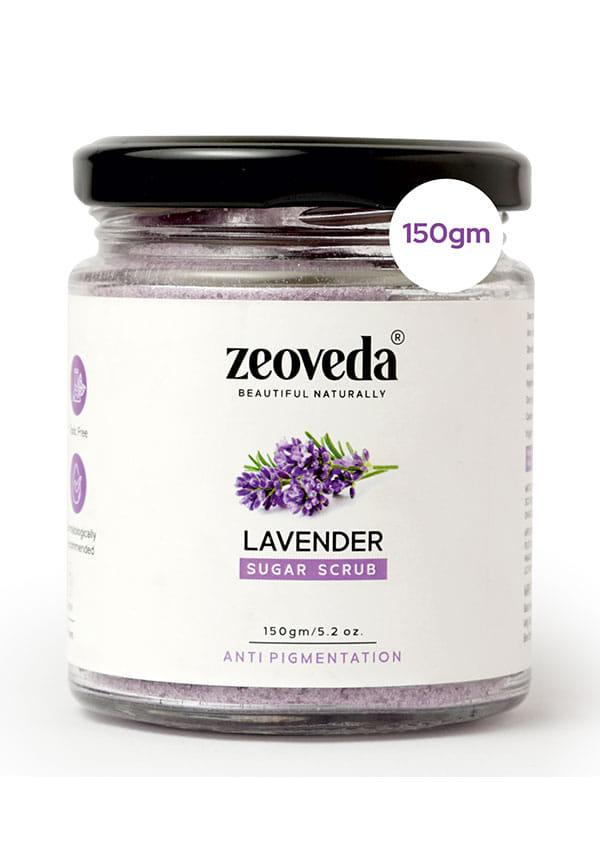
Lavender Sugar Scrub
Salicylic acid treatments at 2% concentration are particularly effective for ingrown hairs because they penetrate the pore and help dissolve the keratin plug that's trapping the hair. Apply once daily to clean, dry skin, avoiding the immediate area if there's open skin or bleeding.
Glycolic acid exfoliants work by gently dissolving the bonds between dead skin cells, making it easier for trapped hairs to emerge. Start with a lower concentration (5-10%) and use every other day to avoid over-exfoliation. These products can significantly help soothe ingrown hair armpit inflammation when used consistently.
Watch for warning signs that indicate you need professional help: increasing warmth around the bump, pus formation, red streaking extending from the area, or pain that's getting worse rather than better. These could indicate a bacterial infection that requires antibiotic treatment.
Dermatologists can safely extract stubborn ingrown hairs using sterile techniques and may prescribe topical antibiotics or anti-inflammatory medications for severe cases. Never attempt to dig out an ingrown hair with tweezers or needles at home—this often makes the problem worse and can lead to scarring.
While over-the-counter treatments are often most effective, several home remedies for ingrown hair have shown promising results when used correctly and consistently.
Tea tree oil has natural anti-inflammatory and antimicrobial properties, but it must be diluted properly—mix one part tea tree oil with ten parts carrier oil like jojoba or coconut oil. Apply this mixture twice daily to affected areas, but discontinue if you notice any irritation.
A gentle scrub made from honey and finely ground oatmeal can provide both exfoliation and anti-inflammatory benefits. Mix equal parts honey and oat flour with a small amount of water to create a paste. Gently massage onto damp skin for 30 seconds, then rinse thoroughly. The natural enzymes in honey help reduce inflammation while oatmeal provides gentle physical exfoliation.
Aloe vera gel straight from the plant (or 99% pure gel) can help reduce inflammation and provide cooling relief. Apply a thin layer to clean skin twice daily. This is particularly helpful for those dealing with multiple bumps or widespread irritation.
Understanding how to properly exfoliate armpit ingrown hair without causing additional irritation is crucial. Chemical exfoliation is generally gentler and more effective than physical scrubbing for this sensitive area.
If you prefer physical exfoliation, create a simple sugar scrub using fine sugar, a small amount of oil (olive or coconut work well), and a drop of tea tree oil. Use gentle, circular motions for no more than 30 seconds, and limit this to twice weekly. Over-exfoliation can actually worsen ingrown hairs by creating more inflammation and potentially damaging the skin barrier.
Prevention is always better than treatment when it comes to ingrown hairs. Implementing the right techniques and habits can dramatically reduce your risk of developing these painful bumps.
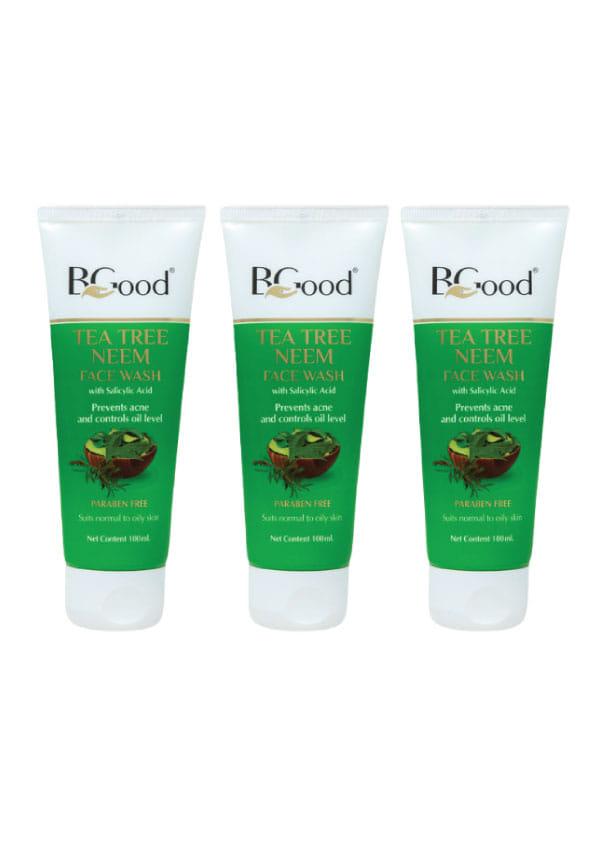
Tea Tree Neem Face Wash with Salicylic Acid
To effectively prevent ingrown hairs armpit, start with proper pre-shave preparation. Always shave after a warm shower when hair is softer, or apply a warm, damp cloth to the area for 2-3 minutes. Use a high-quality shaving cream or gel—never shave dry skin.
Map your hair growth direction by running your hand over the area when hair is about 2-3mm long. You'll feel the direction hair naturally lies. Always shave in this direction, never against it, even if it means you don't get as close a shave initially. Replace razor blades frequently—a dull blade is one of the primary causes of ingrown hairs.
Post-shave care is equally important. Rinse with cool water to close pores, pat dry gently, and apply an alcohol-free moisturiser within three minutes. Avoid deodorant for at least 30 minutes after shaving to prevent irritation.
If you're constantly battling ingrown hairs despite proper shaving technique, it might be time to explore other options. Laser hair removal can be particularly effective for those wondering how to stop ingrown hairs permanently, as it reduces hair density over time and can eliminate the problem entirely in treated areas.
Depilatory creams designed for sensitive areas can be gentler than shaving, but always patch test first and follow instructions carefully. Professional waxing, when done correctly, removes hair from the root and can reduce the frequency of hair removal needed, though it may initially cause some irritation.
Developing a consistent skincare for underarm bumps routine can significantly reduce your risk of developing ingrown hairs. Gentle daily exfoliation with a soft washcloth or chemical exfoliant helps prevent dead skin cell buildup that can trap hairs.
Choose deodorants and antiperspirants carefully—those with alcohol or heavy fragrances can irritate freshly shaved skin. Apply deodorant only after skin has completely healed from hair removal, typically 24-48 hours later. Consider switching to looser-fitting clothing made from breathable fabrics to reduce friction and moisture buildup.
Sometimes an ingrown hair can develop into something more serious. Understanding when you're dealing with an ingrown hair cyst armpit situation is important for proper treatment.
An ingrown hair cyst armpit typically feels much larger and deeper than a regular bump—often 5mm or more in diameter. The area may feel firm or hard to the touch, and the bump might not have a visible hair or white head like a typical ingrown hair. Cysts can be painful, especially when pressure is applied, and may persist for weeks without improvement.
Unlike regular razor bumps underarm, cysts often don't respond to typical home treatments and may actually increase in size over time. If you notice these characteristics, it's time to consult a healthcare professional rather than continuing with home remedies.
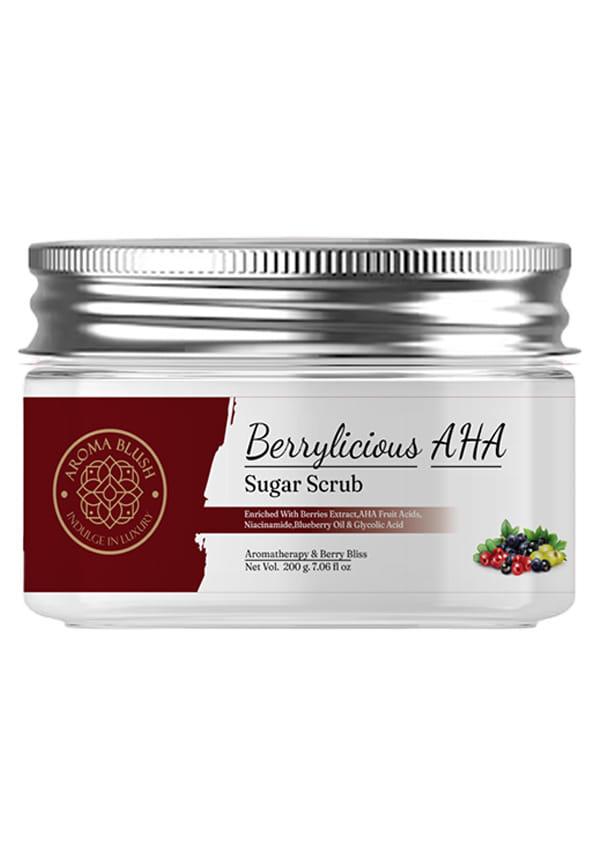
AROMABLUSH Berrylicious AHA Sugar Scrub
Dermatologists have several effective treatments for ingrown hair cysts. Steroid injections can quickly reduce inflammation and size, often providing relief within 24-48 hours. For infected cysts, oral antibiotics may be prescribed alongside topical treatments.
In some cases, minor surgical drainage may be necessary. This is always done under sterile conditions and often provides immediate relief. Never attempt to drain a cyst yourself—this can lead to serious infection and scarring.
Most ingrown hairs resolve naturally within 1-2 weeks with proper care. However, deeper or more inflamed bumps may take 3-4 weeks to completely heal. If you're not seeing improvement after two weeks of consistent treatment, or if the bump is getting larger or more painful, it's time to consult a healthcare professional.
No, squeezing or picking at ingrown hairs is not recommended and can make the problem significantly worse. This can push bacteria deeper into the skin, cause scarring, or turn a simple ingrown hair into a more serious infection. If you can clearly see the hair loop above the skin surface, you may gently lift it with clean tweezers, but never dig into the skin.
While many ingrown hair treatment underarm products are similar to those used elsewhere, armpit skin is generally more sensitive. Start with lower concentrations of active ingredients like salicylic acid or glycolic acid, and always patch test first. The moisture and friction in the underarm area may also require more frequent application of soothing ingredients like aloe vera.
Recurring ingrown hairs in the same location often indicate either a particularly curved hair follicle in that area or repeated trauma from improper hair removal technique. This spot may have scar tissue that makes it more prone to trapping hairs. Consider letting hair grow longer in that area and consulting a dermatologist about permanent hair removal options if the problem persists.
While both can cause similar-looking bumps, folliculitis is an infection of the hair follicle that may or may not involve an ingrown hair. Folliculitis bumps are often more numerous, may contain pus, and can be itchy rather than just painful. If you have multiple bumps appearing simultaneously or bumps that seem to spread, this might be folliculitis rather than simple ingrown hairs.
Avoid products with high concentrations of alcohol, which can be overly drying and irritating to the sensitive underarm area. Fragranced products can also cause irritation, especially on compromised skin. Be cautious with retinoids in this area unless specifically recommended by a dermatologist, as the skin fold can increase absorption and potentially cause irritation.
Dealing with ingrown hairs under your arms doesn't have to be a recurring nightmare. With the right combination of proper hair removal technique, consistent skincare, and appropriate treatment when bumps do appear, you can significantly reduce both the frequency and severity of these issues. Remember that patience is key—rushing the healing process or being too aggressive with treatment often makes things worse.
The most important thing to remember is that prevention is always easier than treatment. Taking time to prepare your skin properly before hair removal, using the right techniques, and maintaining good daily skincare habits will serve you much better than trying to fix problems after they occur. If you're dealing with recurring issues despite following proper techniques, don't hesitate to consult a dermatologist who can provide personalised advice and treatment options.
For those looking to experiment with different skincare for underarm bumps products or find gentle exfoliants that work for sensitive skin, exploring curated options can help you discover what works best for your skin without committing to full-size products immediately. With over 28 million users trusting the platform for product discovery, finding the right solution for your specific skin needs has never been more accessible.
