Indian Skin Pigmentation FAQ: Causes and Treatments Answered

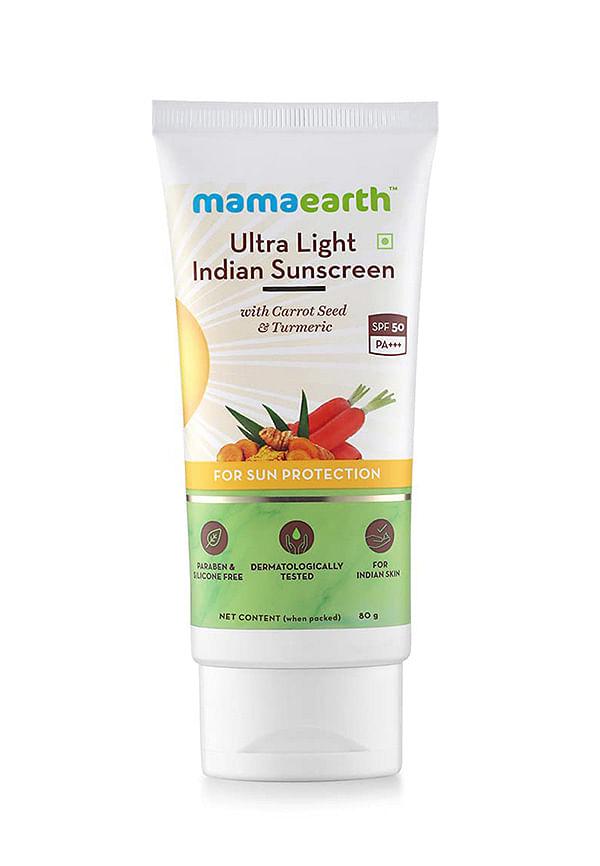
Ultra Light indian Sunscreen
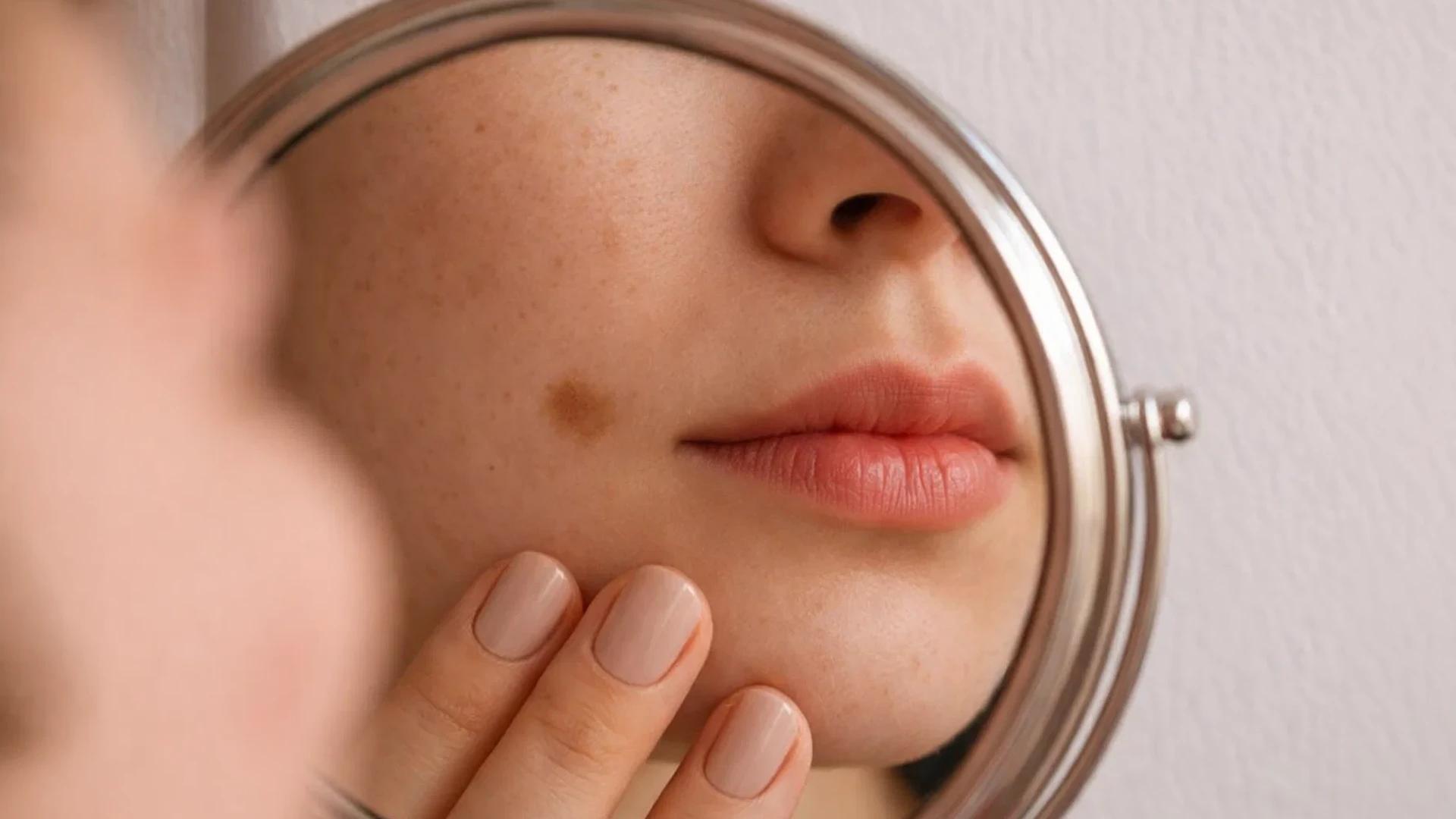
You've noticed those stubborn dark spots that seem to appear overnight after a single pimple, or perhaps you've watched your complexion become uneven despite your best skincare efforts. If you're wondering why your Indian skin seems particularly prone to pigmentation issues, you're asking the right question. The answer lies in the fascinating science of melanin production and how our skin's natural protective mechanisms can sometimes work against us. Let's explore why Indian skin behaves differently when it comes to pigmentation and what you can actually do about it.
Indian skin contains significantly more active melanocytes compared to lighter skin tones, which explains why pigmentation issues are more common and noticeable. These specialised cells produce melanin, the pigment responsible for your skin colour and natural UV protection. In Indian skin, the enzyme tyrosinase works more efficiently, creating melanin at a faster rate when triggered by inflammation, sun exposure, or hormonal changes.
This heightened melanin production is actually an evolutionary advantage. Our ancestors developed this trait as protection against intense UV radiation in tropical climates. However, this same protective mechanism means that any skin trauma—whether it's a spot, scratch, or even aggressive skincare—can trigger an overproduction of melanin, leading to those frustrating dark patches that seem to linger for months.
Genetic factors also play a crucial role. Research shows that certain gene variants common in South Asian populations affect how melanocytes respond to triggers. This means that post-inflammatory hyperpigmentation isn't just bad luck—it's written into our DNA. Understanding this helps explain why the same acne spot that might fade quickly on lighter skin can leave a dark mark on Indian skin for six months or longer.
Post-inflammatory hyperpigmentation (PIH) is perhaps the most frustrating type for Indian skin. Every pimple, ingrown hair, or minor cut can leave behind a dark spot that's often more noticeable than the original blemish. This happens because inflammation triggers melanocytes to go into overdrive, producing excess melanin that gets deposited in the skin layers.
Melasma presents as symmetrical brown patches, typically on the cheeks, forehead, and upper lip. It's particularly common in Indian women due to hormonal fluctuations during pregnancy or whilst taking oral contraceptives. The combination of hormones and UV exposure creates the perfect storm for melasma development.
Melasma affects up to 70% of pregnant women, earning it the nickname "pregnancy mask." In Indian skin, melasma tends to be more pronounced and persistent due to higher baseline melanin activity. Hormonal contraceptives, particularly those containing oestrogen, can trigger or worsen existing melasma. Even thyroid disorders can influence pigmentation patterns, making comprehensive hormonal assessment important for treatment planning.
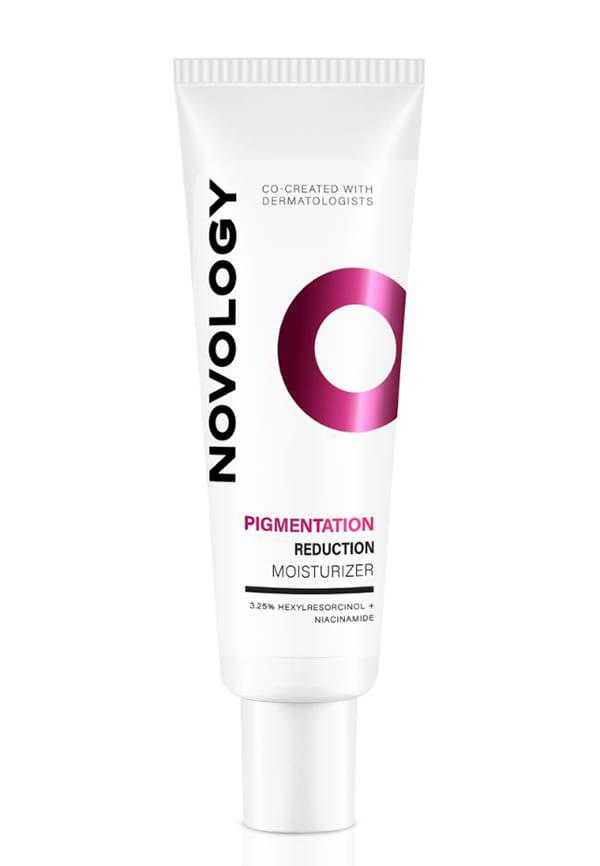
Pigmentation Moisturiser, Face Cream for Hyperpigmentation & Dark Spots
India's intense UV radiation levels throughout the year create constant challenges for pigmentation-prone skin. Unlike temperate climates where UV exposure varies seasonally, Indian skin faces year-round assault from both UVA and UVB rays. This continuous exposure keeps melanocytes in a state of heightened activity, making uneven skin tone a persistent concern.
Urban pollution adds another layer of complexity. Fine particulate matter and oxidative stress from air pollution can trigger inflammatory responses that lead to pigmentation. The combination of heat, humidity, and pollution creates an environment where skin is constantly defending itself, often resulting in reactive pigmentation.
Occupational factors matter too. Those working outdoors or near heat sources face increased risk of developing solar lentigines and heat-induced pigmentation. Even indoor workers aren't immune—air conditioning can cause dehydration that makes skin more susceptible to pigmentation triggers.
Effective treatment for Indian skin pigmentation requires a gentle yet consistent approach. Azelaic acid works particularly well for Indian skin because it's anti-inflammatory and helps regulate melanin production without causing irritation. Start with concentrations around 10% and gradually increase as your skin adapts.
Glycolic acid and other AHAs can accelerate cell turnover, helping pigmented cells shed more quickly. However, Indian skin often requires lower concentrations and less frequent application to avoid triggering more pigmentation through irritation. Begin with 5-7% glycolic acid once or twice weekly.
Kojic acid and arbutin are gentler alternatives that inhibit tyrosinase activity. These ingredients work slowly but steadily, making them ideal for sensitive Indian skin that reacts poorly to aggressive treatments. Vitamin C in stable forms like magnesium ascorbyl phosphate provides antioxidant protection whilst gradually lightening existing pigmentation.
The key is patience and consistency. Unlike lighter skin tones that might see improvement in 4-6 weeks, Indian skin often requires 3-6 months of consistent treatment to see significant pigmentation improvement. This timeline reflects the deeper melanin deposits and more active melanocyte response in darker skin.
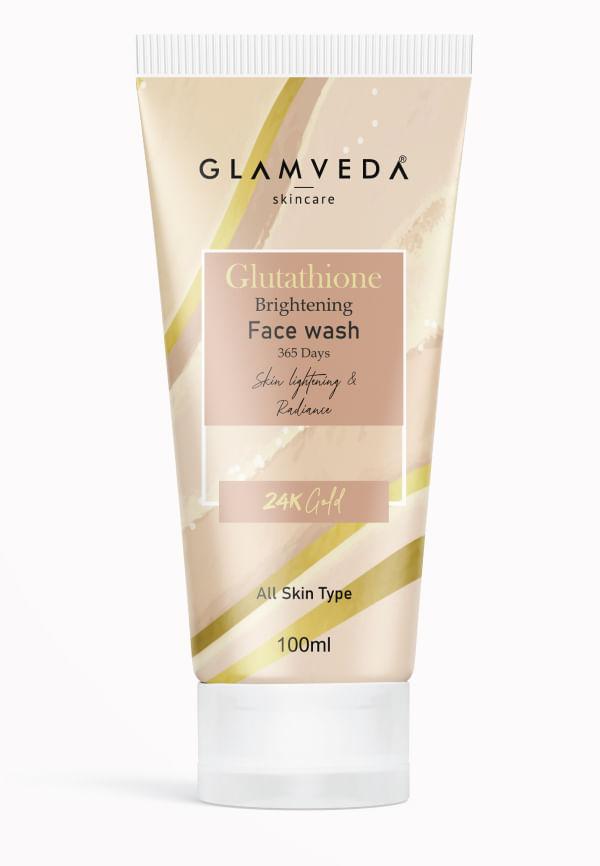
Glutathione 24 k Gold Face Wash Reduce Dark spots & Pigmentation, Lightens skin Complexion
Broad-spectrum sunscreen with SPF 30 or higher is non-negotiable for preventing pigmentation. Look for formulations containing zinc oxide or titanium dioxide, which provide physical protection without triggering sensitivity. Reapplication every two hours is crucial, especially during outdoor activities or near windows.
Your daily skincare routine should focus on maintaining skin barrier function. A compromised barrier makes skin more reactive to pigmentation triggers. Use gentle cleansers, avoid over-exfoliation, and incorporate niacinamide to regulate melanin transfer and reduce inflammation.
Lifestyle modifications can significantly impact pigmentation development. Wearing wide-brimmed hats, seeking shade during peak UV hours (10 AM to 4 PM), and using protective clothing all contribute to prevention. Managing stress through adequate sleep and relaxation techniques also helps, as chronic stress can worsen hormonal pigmentation.
Indian skin contains more active melanocytes and higher tyrosinase enzyme activity, which means melanin production increases rapidly in response to triggers like inflammation, UV exposure, or hormonal changes. This evolutionary adaptation for UV protection makes pigmentation more noticeable and persistent compared to lighter skin tones.
Common causes include post-inflammatory responses from acne or injuries, hormonal changes during pregnancy or contraceptive use, UV exposure, certain medications, and genetic predisposition. Heat and pollution can also trigger pigmentation in Indian skin.
Most pigmentation takes 3-6 months of consistent treatment to show significant improvement. Post-inflammatory hyperpigmentation may fade in 6-12 months, whilst melasma can take longer and may require ongoing maintenance therapy.
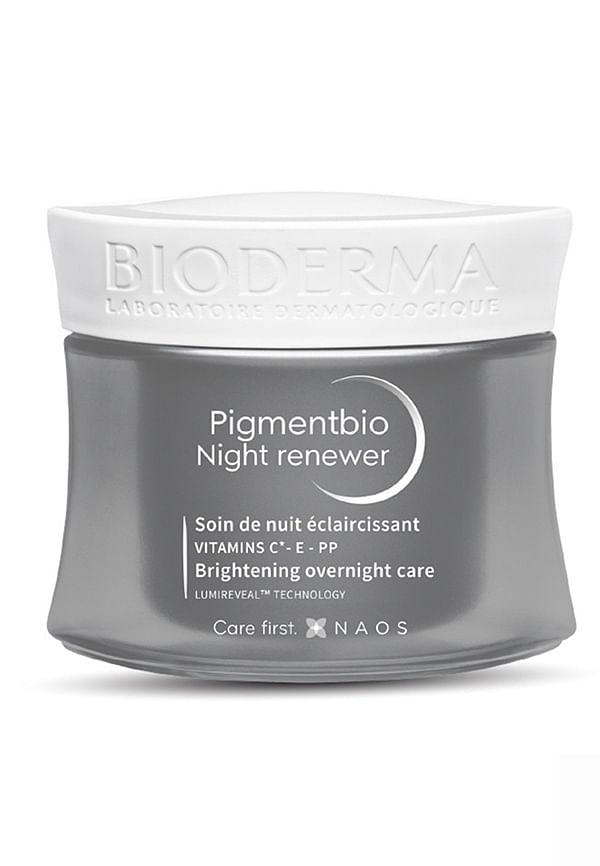
Pigmentbio Night Renewer Brightening Overnight Cream for Dark Spots, Sensitive Skin
Yes, through diligent sun protection, gentle skincare practices, avoiding skin trauma, and managing hormonal factors. Prevention is always easier than treatment for pigmentation-prone Indian skin.
Whilst some natural ingredients like turmeric and liquorice extract have mild depigmenting properties, evidence-based topical treatments like azelaic acid, glycolic acid, and vitamin C are more effective and predictable for treating pigmentation.
Avoid harsh scrubs, high-concentration acids without proper introduction, and fragranced products that might cause irritation. Always patch-test new products and introduce active ingredients gradually to prevent triggering more pigmentation.
Understanding why Indian skin behaves differently when it comes to pigmentation empowers you to make informed skincare choices. The higher melanin activity that makes our skin prone to dark spots is the same mechanism that provides natural UV protection—it's about learning to work with your skin's unique characteristics rather than against them.
Successful pigmentation management requires patience, consistency, and the right products for your skin type. Whether you're dealing with stubborn acne marks or hormonal melasma, remember that improvement is possible with evidence-based treatments and proper prevention strategies.
If you're curious about trying new pigmentation-fighting ingredients but hesitant to commit to full-size products, Smytten's curated selection includes minis from trusted brands that specialise in treating hyperpigmentation. With over 28 million users discovering products through trial sizes, it's a smart way to test what works for your unique skin before investing in full-size treatments.
