Hyperpigmentation vs Pigmentation FAQ: Understanding Skin Discoloration


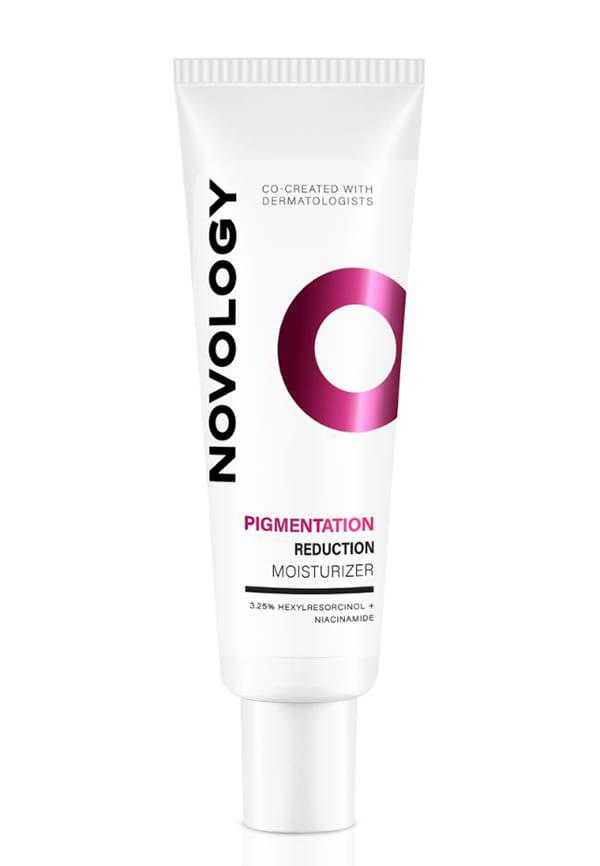 50 g
50 gPigmentation Moisturiser, Face Cream for Hyperpigmentation & Dark Spots
Ever stared at your reflection and wondered why some spots on your face look darker than others? You're definitely not alone in this skincare puzzle. The terms pigmentation and hyperpigmentation get thrown around quite a bit, but here's the thing—they're not exactly the same. Understanding the difference between hyperpigmentation and pigmentation can be your first step towards getting that even skin tone you've been after. Let's break down what's actually happening with your skin and why some areas decide to go a few shades darker than the rest.
Think of pigmentation as your skin's natural colour palette, whilst hyperpigmentation is when certain areas decide to go rogue and create their own darker masterpiece. The pigmentation definition is pretty straightforward—it's the natural process where your skin produces melanin to give you your unique skin tone.
Normal pigmentation is basically your skin doing its job perfectly. Your melanocytes (the cells responsible for melanin production) work in harmony to give you an even skin tone that matches your genetic blueprint. This process is influenced by your DNA, and it's what determines whether you have fair, medium, or darker skin naturally.
When everything's working as it should, melanin production stays consistent across your face and body. Your skin maintains that balanced look without any random dark patches popping up unexpectedly.
Now, hyperpigmentation is where things get a bit more complicated. This happens when certain areas of your skin start overproducing melanin, creating those frustrating dark spots on skin that seem to appear out of nowhere. The hyperpigmentation causes can range from sun damage to hormonal changes, and even that stubborn acne scar that just won't fade.
Unlike normal pigmentation, hyperpigmentation creates uneven skin tone by targeting specific areas. You might notice patches on your cheeks, forehead, or anywhere that's been exposed to triggers like UV rays or inflammation.
The main difference lies in distribution and cause. Normal pigmentation gives you consistent colour, whilst hyperpigmentation creates patchy skin discoloration. One is your skin's natural state, the other is a response to various triggers that push melanin production into overdrive in specific spots.
Not all dark spots are created equal, and knowing which type you're dealing with can help you choose the right approach. There are several types of hyperpigmentation, each with its own personality and preferred treatment methods.
Melasma is often called the "pregnancy mask" because it loves to show up during hormonal changes. You'll typically see symmetrical brown patches on your cheeks, forehead, and upper lip.
Post-Inflammatory Hyperpigmentation (PIH) is what happens after your skin has been through trauma—think acne scars, cuts, or any kind of inflammation. These spots can range from pink to deep brown depending on your skin tone.
Solar Lentigines are basically age spots or sun spots that develop after years of UV exposure. They're usually flat, brown spots that appear on areas that see the most sun.
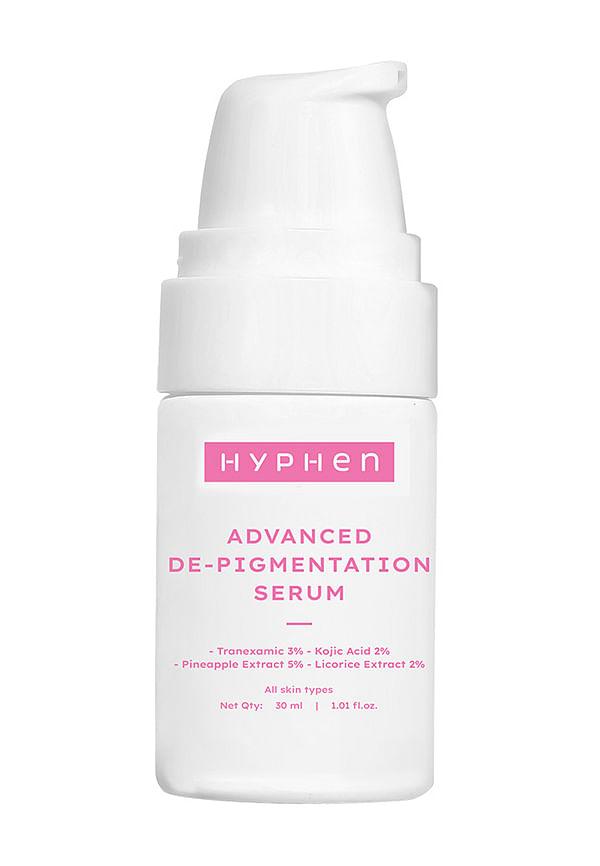 30 ml
30 mlAdvanced De-Pigmentation Serum For Hyperpigmentation, Melasma, Dark Spots & Scars
When discussing hyperpigmentation vs hypopigmentation, we're looking at opposite ends of the spectrum. Whilst hyperpigmentation involves too much melanin, hypopigmentation means too little. Conditions like vitiligo fall into this category, creating white patches where melanin production has stopped.
There are also birthmarks, café-au-lait spots, and drug-induced pigmentation changes that can affect your skin's appearance in different ways.
Each type has its own calling card. Melasma tends to be symmetrical and hormone-related, PIH follows inflammation patterns, and sun spots appear in chronically sun-exposed areas. The location, pattern, and your personal history can give you clues about what you're dealing with.
Understanding what triggers hyperpigmentation can help you prevent future spots from forming. The causes are surprisingly varied, and sometimes it's a combination of factors working together.
Sun exposure is probably the biggest culprit. UV rays don't just cause immediate tanning—they can trigger long-term melanin overproduction that shows up as dark spots months or even years later.
Hormonal changes during pregnancy, whilst taking birth control, or during menopause can trigger melasma. Your skin becomes more sensitive to other triggers during these times too.
Acne and inflammation leave their mark long after the original blemish has healed. Even minor skin injuries can trigger PIH in some people.
Age plays a role as your skin's repair mechanisms slow down over time. Some people are genetically predisposed to developing hyperpigmentation more easily. Certain medications can also make your skin more photosensitive, increasing your risk of developing dark spots.
Tanning is usually temporary and affects larger areas evenly, whilst hyperpigmentation tends to be more localised and persistent. Understanding this difference helps you recognise when you're dealing with a pigmentation disorder rather than just leftover summer colour.
The good news is that there are plenty of ways to address hyperpigmentation, from gentle at-home treatments to professional procedures. The key is finding what works for your specific type and skin sensitivity.
Vitamin C serums work as antioxidants to prevent further damage whilst gently brightening existing spots. They're particularly good for prevention and mild hyperpigmentation.
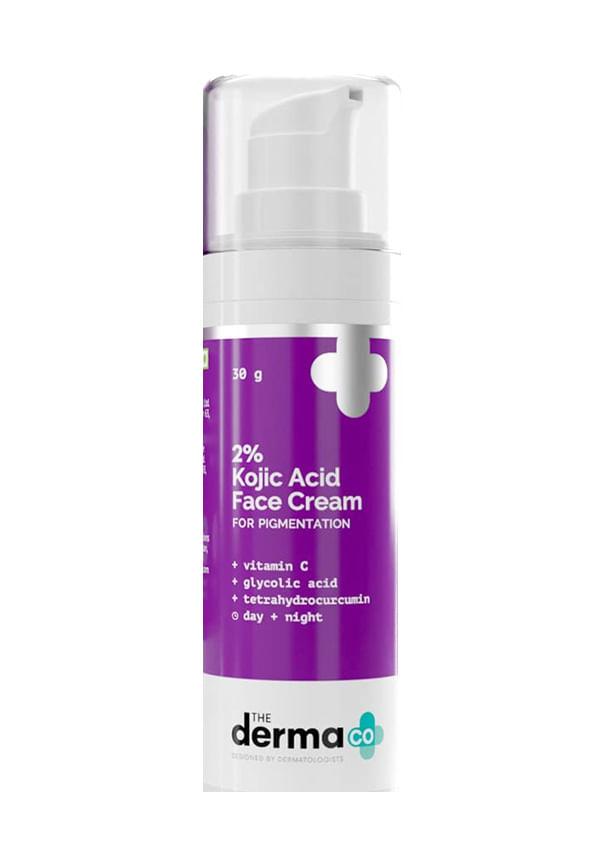 30 gm
30 gm2% Kojic Acid Cream for Pigmentation
Retinol speeds up cell turnover, helping to fade dark spots by bringing fresh skin to the surface more quickly. Start slowly with this one—it can be quite potent.
Ingredients like hydroquinone, kojic acid, and gentle exfoliating acids (AHA/BHA) can also help fade existing spots when used consistently.
Chemical peels remove the top layers of skin, revealing fresher skin underneath. Laser treatments can target specific spots with precision, whilst microneedling stimulates skin renewal.
IPL (Intense Pulsed Light) treatments use broad-spectrum light to break down melanin clusters in the skin.
Here's the real talk—there's no such thing as removing pigmentation permanently overnight. Most treatments require consistent use over months, and maintenance is usually needed to prevent new spots from forming. The best approach often combines multiple treatments rather than relying on one magic solution.
Prevention really is better than cure when it comes to hyperpigmentation. Building good habits now can save you from dealing with new dark spots later.
SPF isn't just for beach days—it should be part of your daily routine regardless of the weather. Look for broad-spectrum protection and reapply every two hours when you're outdoors.
Physical sunscreens with zinc oxide or titanium dioxide can be gentler for sensitive skin, whilst chemical sunscreens offer more elegant formulations for daily wear.
Gentle cleansing is crucial—over-scrubbing can actually trigger more pigmentation. When trying new treatments, always patch test first and introduce one new product at a time.
Some ingredient combinations can increase photosensitivity, so timing matters. Use retinol and acids in the evening, and always follow up with SPF during the day.
Your diet, stress levels, and sleep quality all play a role in skin health. Antioxidant-rich foods can support your skin's natural repair processes, whilst chronic stress can worsen hormonal triggers for conditions like melasma.
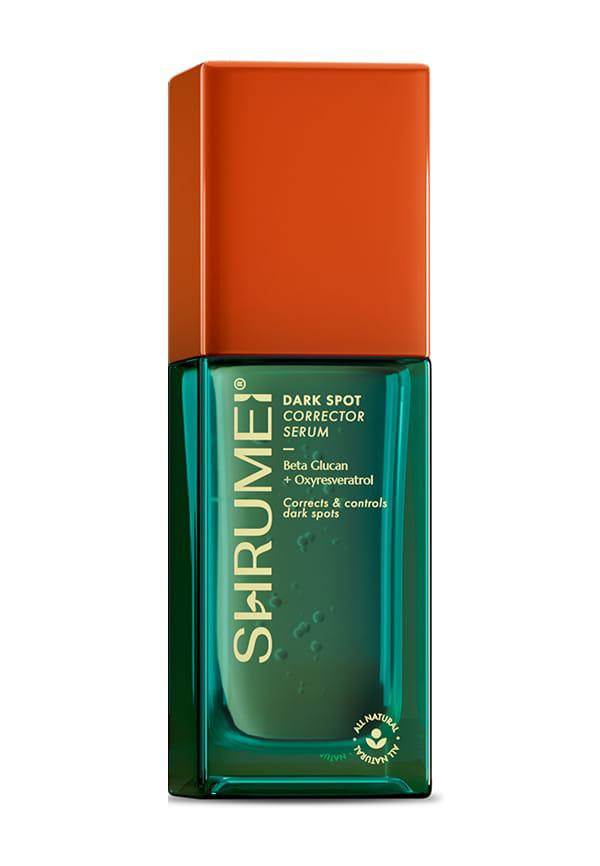 30 ml
30 mlAll Natural Dark Spot and Pigmentation Correcting serum
Normal pigmentation is your skin's natural, even colour, whilst hyperpigmentation occurs when specific areas produce excess melanin, creating dark spots and uneven skin tone. Think of pigmentation as your baseline and hyperpigmentation as patches that go beyond that baseline.
Gentle cleansers with mild exfoliating properties can support your treatment routine, but they won't single-handedly remove hyperpigmentation. They work best as part of a comprehensive approach that includes targeted treatments and sun protection.
Without treatment, hyperpigmentation can take anywhere from 6 months to several years to fade, and some types may never completely disappear on their own. Factors like the depth of pigmentation, your skin's natural turnover rate, and continued sun exposure all affect the timeline.
Consider professional help if you notice sudden changes in existing spots, if over-the-counter treatments aren't working after 3-6 months, or if you have large areas of pigmentation that appeared quickly. A dermatologist can also help identify the specific type you're dealing with.
Whilst some natural ingredients like vitamin C from citrus or kojic acid from fungi have scientific backing, most DIY remedies lack strong evidence. Professional treatments and clinically proven ingredients tend to be more effective and safer for addressing hyperpigmentation.
Yes, especially if you don't maintain proper sun protection and skincare habits. Hyperpigmentation is often a chronic condition that requires ongoing management rather than a one-time fix. Prevention becomes crucial once you've achieved clearer skin.
Absolutely. Darker skin tones are more prone to post-inflammatory hyperpigmentation and may require gentler approaches to avoid triggering more pigmentation. Treatment selection often needs to be tailored based on your specific skin tone and sensitivity.
Melasma is actually a specific type of hyperpigmentation triggered primarily by hormonal changes. It typically appears in symmetrical patterns on the face and can be more challenging to treat than other forms of hyperpigmentation because hormonal triggers can be ongoing.
Understanding the difference between hyperpigmentation and pigmentation is your first step towards achieving the even skin tone you're after. Remember, normal pigmentation is simply your skin's natural colour, whilst hyperpigmentation represents areas where melanin production has gone into overdrive due to various triggers.
The journey to addressing skin discoloration isn't always straightforward, and what works for your friend might not work for you. That's where platforms like Smytten become incredibly valuable. As India's largest product discovery platform, Smytten connects you with over 1,500 trusted skincare brands including Cetaphil, Dot & Key, and others that offer targeted solutions for hyperpigmentation. With curated trial packs available for just ₹249, you can explore different treatments without committing to full-size products immediately. This approach is particularly smart when dealing with pigmentation issues, as finding the right combination of products often requires some experimentation.
Whether you're dealing with post-acne marks, sun damage, or hormonal melasma, consistency and patience are your best allies. Most effective treatments take months to show significant results, and prevention through daily SPF use remains the most important step you can take. With over 25 million users discovering their perfect skincare matches through trial and exploration, Smytten makes it easier to find treatments that actually work for your specific concerns. After all, why settle for maybe when you can Try It All and find what truly works for your skin?
