Hydrating vs Clarifying Mask India: Your Questions Answered

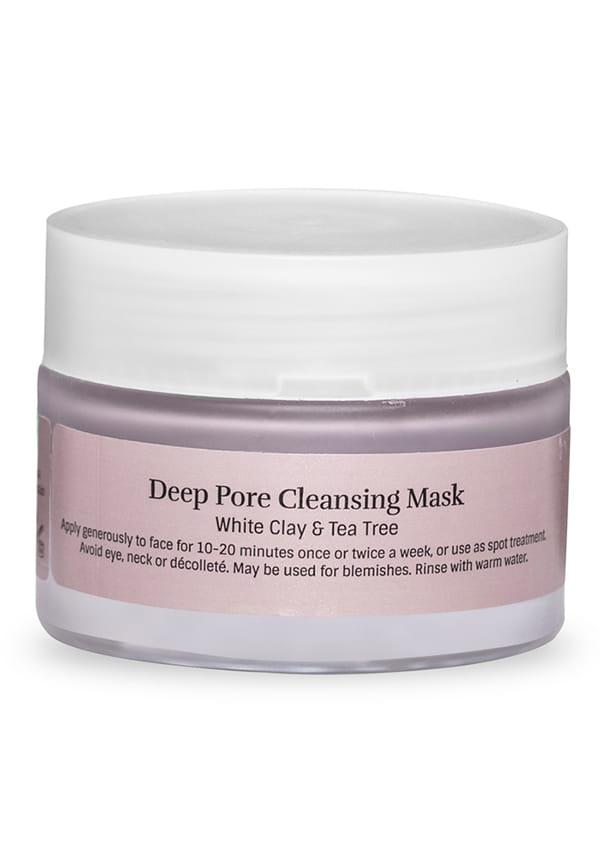
Deep Pore Cleansing Mask
You've been staring at the skincare aisle for ten minutes, holding two different face masks. One promises deep hydration, the other claims to clarify and purify. Your skin feels like it needs both, but which one should you actually reach for? If you've ever found yourself confused between hydrating masks and clarifying masks, you're not alone. These two skincare heroes serve completely different purposes, and understanding when to use which can transform your weekly routine from guesswork into targeted care.
The confusion between these two mask types is completely understandable. Both promise better skin, both come in similar packaging, and both feel like self-care Sunday essentials. But here's where they actually differ: hydrating masks focus on moisture retention and barrier repair, while clarifying masks target deep pore cleansing and oil control.
Hydrating masks are essentially moisture boosters for your skin. They work by delivering concentrated doses of water-binding ingredients directly to your skin barrier. Think of them as a tall glass of water for your face, but with added benefits like plumping and smoothing. The star ingredients you'll find in quality hydrating masks include hyaluronic acid, which can hold up to 1,000 times its weight in water, ceramides that repair your skin's natural barrier, and glycerin that draws moisture from the environment into your skin. These masks typically have a gel, cream, or sheet format and feel cooling and soothing during application.
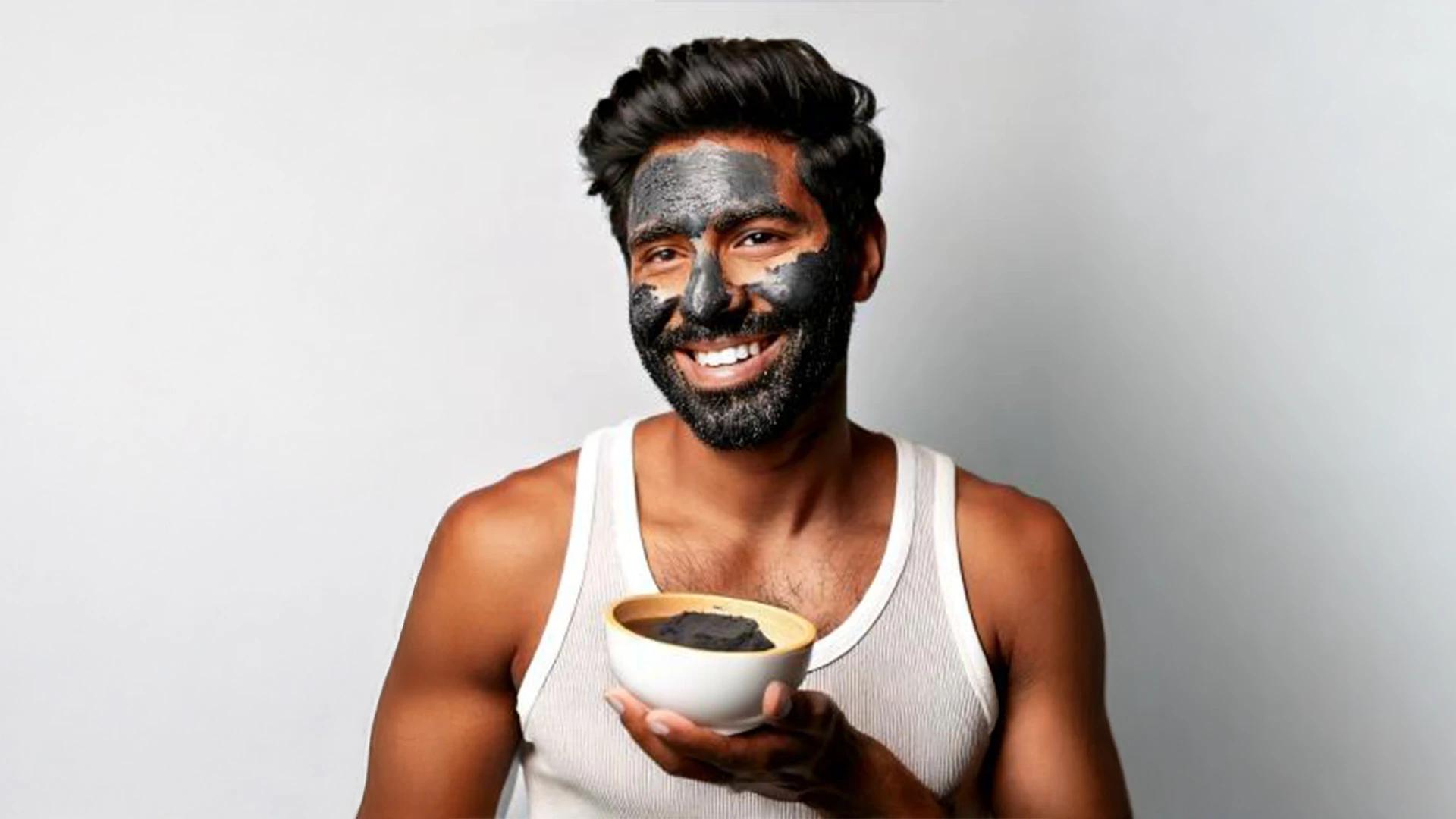
Clarifying masks take a completely different approach. They're designed to draw out impurities, excess oil, and dead skin cells that can clog your pores and lead to breakouts. These masks work like a magnet for the stuff your daily cleanser might miss. You'll recognise clarifying masks by their clay, mud, or charcoal base. Key ingredients include bentonite clay that absorbs excess sebum, salicylic acid that penetrates pores to dissolve buildup, and charcoal that acts like a pore vacuum. These masks often dry down on your skin and may cause a slight tightening sensation as they work.
Real talk: both types of masks deliver results, but they're solving different skin concerns. Understanding these benefits helps you choose the right mask for your current skin situation, not just what sounds good on the packaging.
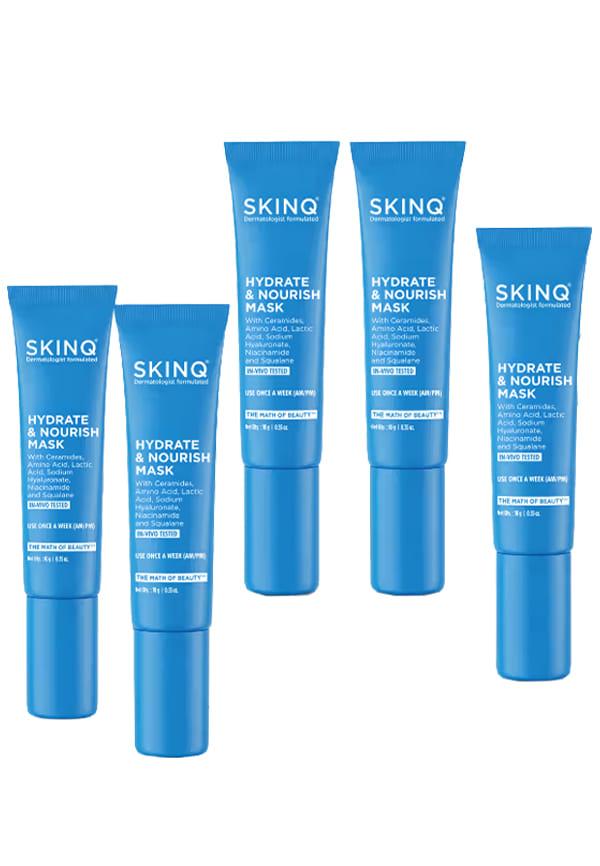
Hydrate & Nourish Mask
The hydrating mask benefits go beyond just adding moisture. These masks help repair your skin barrier, which is especially important if you're dealing with pollution damage or over-exfoliation from active ingredients. In India's varied climate conditions, from AC-induced dryness to monsoon humidity changes, hydrating masks provide consistent moisture support. Your skin will notice improved plumpness and reduced fine lines after regular use. The moisture boost also helps other skincare products absorb better, making your entire routine more effective. For those dealing with irritation from strong actives or environmental stressors, hydrating masks offer soothing relief that calms redness and sensitivity.
Clarifying mask benefits become obvious when you're dealing with congested skin, especially during humid months or after wearing masks for extended periods. These treatments help minimise the appearance of pores by thoroughly cleaning them out, reducing the buildup that makes pores look larger. Regular use of clarifying masks can help prevent breakouts by removing the excess oil and dead skin cells that feed acne-causing bacteria. They also improve skin texture by gently exfoliating the surface, leaving your skin smoother and more even. For those with naturally oily skin or living in polluted urban environments, clarifying masks provide the deep clean that daily cleansing sometimes can't achieve.
Choosing between hydrating and clarifying masks often comes down to your primary skin concern. But it's not always as straightforward as dry skin equals hydrating mask, oily skin equals clarifying mask. Your skin's needs can change based on season, stress, hormones, and even the products you're currently using.
When looking for the best hydrating face mask India has to offer, consider your specific hydration needs. Sheet masks work brilliantly for quick moisture boosts and are perfect for travel or when you need results fast. Cream masks provide deeper, longer-lasting hydration and are ideal for very dry or mature skin. Sleeping masks deserve special mention for Indian skincare routines. These leave-on treatments work overnight when your skin's repair processes are most active. They're particularly helpful during winter months or if you're using drying active ingredients like retinol or AHAs. For budget-conscious skincare enthusiasts, many Indian brands now offer excellent hydrating masks with proven ingredients. Look for masks containing niacinamide for added pore-refining benefits, or peptides for anti-ageing support alongside hydration.
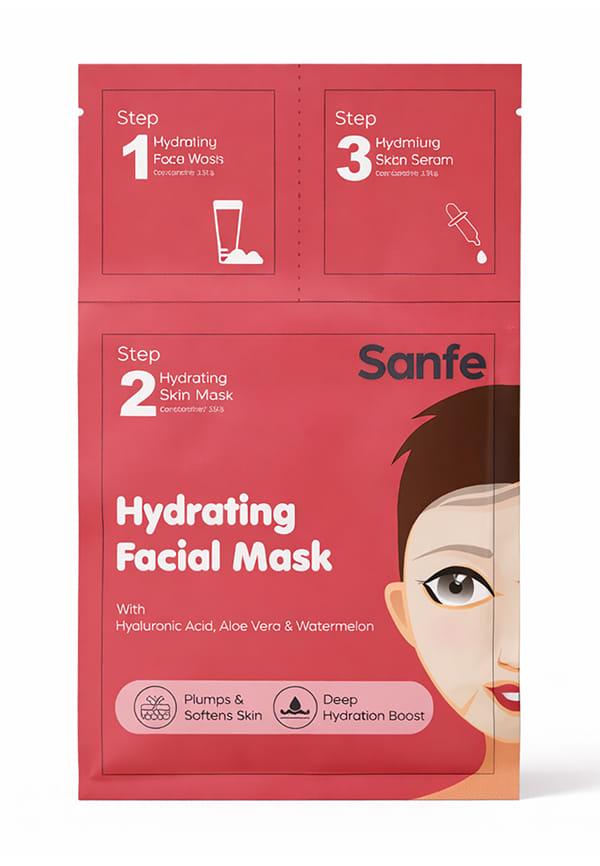
Hydrating Facial Mask
The best clarifying face mask India options vary based on your skin's oil production and sensitivity levels. Clay masks remain the gold standard for oil control, with different clays offering varying levels of absorption. Bentonite clay works well for very oily skin, while kaolin clay is gentler for combination or sensitive skin types. Pore cleansing masks with charcoal have gained popularity for good reason. They're particularly effective for urban dwellers dealing with pollution-related congestion. However, avoid overuse as they can be drying if used too frequently. Peel-off masks offer satisfying removal of surface impurities, though they're not suitable for sensitive skin. For those with combination skin, consider multi-masking: applying clarifying masks only to your T-zone while using hydrating masks on drier areas of your face.
Getting the most from your masks isn't just about choosing the right type. Proper application and timing can significantly impact your results. These skin hydration tips and application techniques ensure you're maximising your mask investment. Always start with clean skin, but avoid over-cleansing before mask application. A gentle cleanser removes makeup and surface dirt without stripping your skin's natural oils. For clarifying masks, slightly damp skin can help with even application, while hydrating masks work best on completely dry skin. Timing matters more than you might think. Hydrating masks can be used 2-3 times per week, or even daily if your skin is very dehydrated. Clarifying masks should be limited to 1-2 times per week to prevent over-drying. Pay attention to your skin's response and adjust frequency accordingly.
Understanding face mask types for skin goes beyond just hydrating versus clarifying. The Indian skincare market now offers numerous mask formats, each with specific benefits and ideal use cases. Bubble masks provide gentle exfoliation while delivering active ingredients. They're particularly popular for combination skin as they offer both cleansing and hydrating benefits. Enzyme masks use fruit acids for gentle exfoliation without the harshness of physical scrubs. Brightening masks address hyperpigmentation concerns common in Indian skin tones. Look for masks containing vitamin C, kojic acid, or arbutin for gentle lightening of dark spots and overall radiance boost.
A clarifying face mask works by drawing out impurities from deep within your pores using absorbent ingredients like clay or charcoal. It removes excess oil, dead skin cells, and environmental pollutants that regular cleansing might miss. The mask creates a tightening effect as it dries, helping to temporarily minimise the appearance of pores while thoroughly cleaning them.
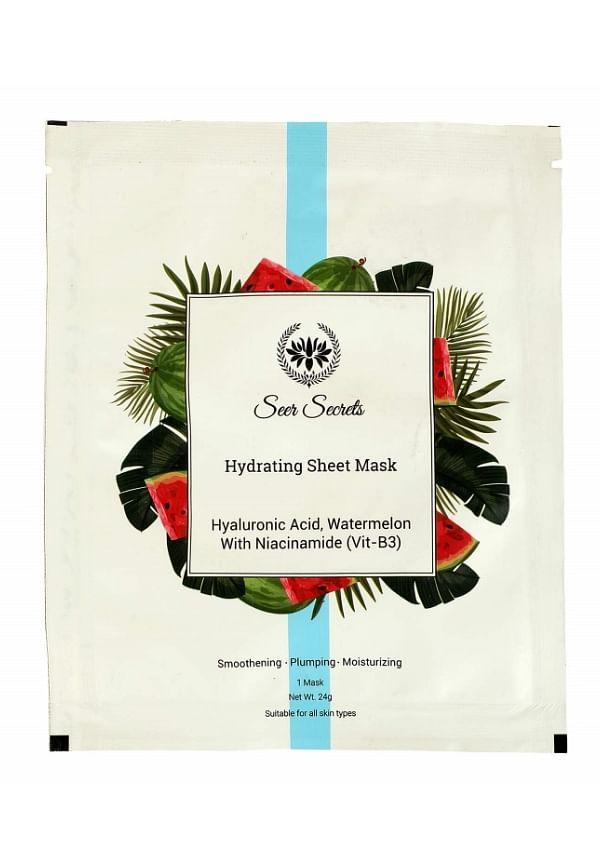
Hydrating Sheet Mask- For Moisturise and Nourishment
Hydrating masks can be used 2-3 times per week, or even daily if your skin is very dry or dehydrated. Clarifying masks should be limited to 1-2 times per week maximum, as overuse can lead to dryness and irritation. During monsoon season, you might need clarifying masks more frequently, while winter months may require more hydrating treatments.
Absolutely. Many people benefit from using both types of masks in their weekly routine. A good approach is to use a clarifying mask once or twice per week, followed by a hydrating mask the next day to restore moisture balance. This combination works particularly well for combination skin or during seasonal transitions.
For radiant skin, alternate between clarifying masks to remove dullness-causing buildup and hydrating masks to plump and smooth your complexion. Masks containing niacinamide offer both pore-refining and brightening benefits. Sheet masks with vitamin C or hyaluronic acid provide an instant glow boost for special occasions.
Price doesn't always indicate effectiveness. Many affordable masks contain the same active ingredients as premium options. Focus on ingredient lists rather than price tags. However, expensive masks often have more elegant textures, better packaging, and may include higher concentrations of active ingredients. The key is finding what works for your skin and budget.
Choosing between hydrating and clarifying masks doesn't have to be an either-or decision. Your skin's needs change with seasons, stress levels, hormones, and the products you're using. The key is learning to read your skin's signals and responding accordingly. Start by identifying your primary skin concern right now. Is your skin feeling tight and flaky? Reach for a hydrating mask. Are your pores looking congested and your skin feeling oily? A clarifying mask is your friend. Remember, you can always adjust your routine as your skin changes. For those curious about trying different mask formulations without committing to full-size products, Smytten's curated selection includes minis from trusted brands across various price points. With over 28 million users discovering their perfect skincare matches, the platform makes it easier to explore what works for your unique skin needs. Whether you're team hydrating masks, clarifying masks, or both, the right choice is the one that makes your skin feel its best.
