Hyaluronic Acid Uses FAQ: All Your Questions Answered


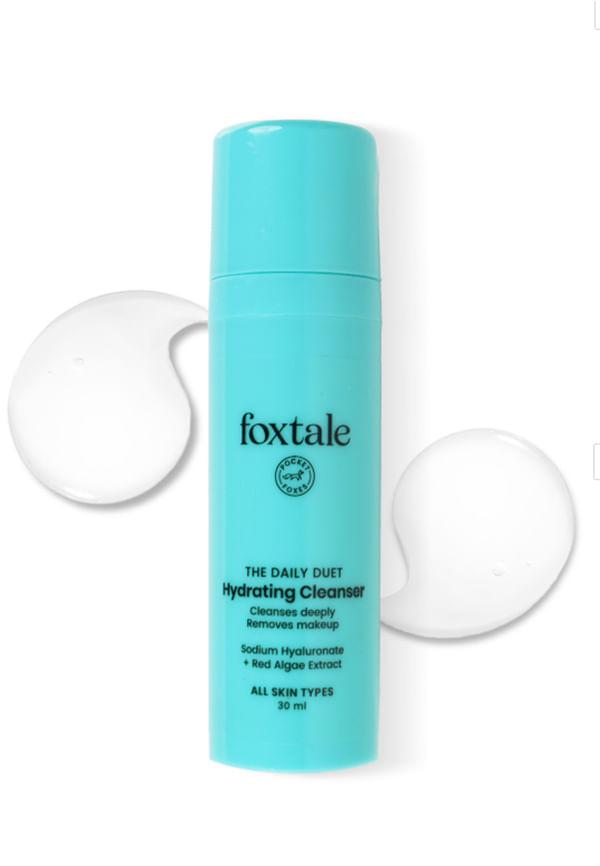 30 ml
30 mlHydrating Face Wash with Hyaluronic Acid
Ever wondered why hyaluronic acid is everywhere in skincare right now? From serums to moisturisers, this powerhouse ingredient has become the go-to solution for plump, hydrated skin. But with so much buzz around it, you might be left with more questions than answers. What exactly does it do? How should you use it? And is it really worth the hype? Let's dive into everything you need to know about hyaluronic acid uses, benefits, and how to make it work for your skin.
Think of hyaluronic acid as your skin's ultimate drink of water. This naturally occurring sugar molecule is already present in your body, particularly in your skin, joints, and eyes. What makes it special? It can hold up to 1,000 times its weight in water—imagine a tiny sponge that just keeps soaking up moisture.
Your body produces hyaluronic acid naturally, but here's the thing: production starts declining as early as your twenties. By the time you hit forty, you've lost about half of your natural stores. That's where skincare products come in, delivering this moisture magnet directly to your skin.
Hyaluronic acid works by drawing moisture from the environment and deeper layers of your skin to the surface. It forms a protective film that helps prevent water loss whilst continuously attracting new moisture. The molecular weight matters too—smaller molecules penetrate deeper, whilst larger ones work on the surface for immediate plumping effects.
Real talk: hyaluronic acid for face care isn't just about hydration (though that's its superpower). This ingredient tackles multiple skin concerns, making it worth a spot in almost everyone's routine.
Here's what hyaluronic acid skin benefits actually look like in practice:
Deep hydration: Plumps up skin cells for that dewy, healthy glow
Fine line reduction: Hydrated skin naturally looks smoother and more youthful
Barrier strengthening: Helps your skin retain moisture and protect against environmental damage
Healing support: Speeds up recovery from breakouts, irritation, or minor skin damage
Universal compatibility: Works well with sensitive, oily, dry, and combination skin types
Whilst moisture is the main event, hyaluronic acid also helps with skin texture and tone. Regular use can make your skin feel softer and look more even. It's particularly brilliant for anyone dealing with dehydrated skin—that tight, uncomfortable feeling that happens when your skin lacks water (different from dry skin, which lacks oil).
This is probably one of the most common questions about hyaluronic acid skincare. Both hyaluronic acid serum and hyaluronic acid moisturiser have their place, but they work differently.
A hyaluronic acid serum typically contains a higher concentration of the active ingredient and has a lighter, more fluid texture. It penetrates deeper into your skin and delivers intense hydration where it's needed most. Serums are your go-to for targeted treatment and layering under other products.
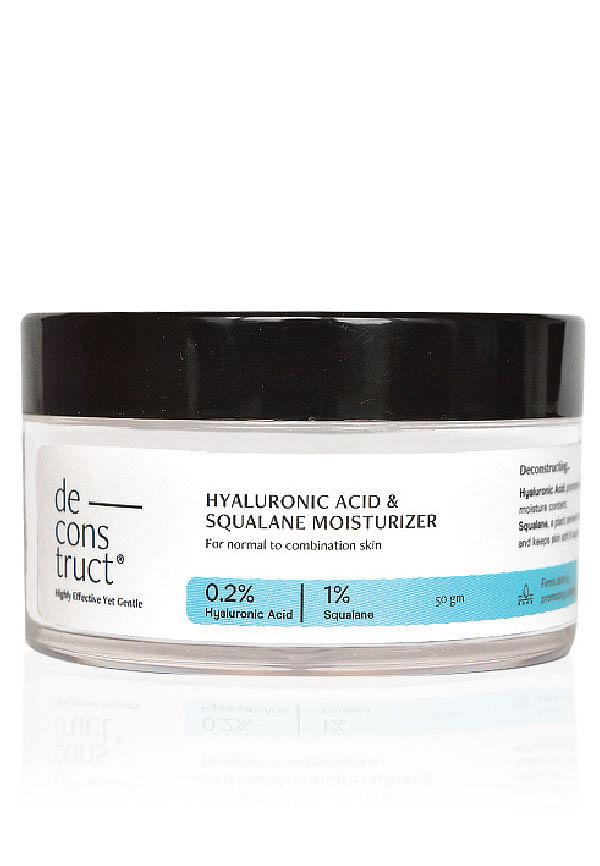 50 gm
50 gmHyaluronic Acid & Squalane Moisturizer - 0.2% Hyaluronic acid 1% Squalane
You want maximum hydration benefits
You prefer layering multiple products
Your skin needs targeted treatment for dehydration
You live in a humid climate
You prefer a simplified routine
Your skin needs both hydration and barrier protection
You have dry skin that needs oils as well as water
You want longer-lasting moisture throughout the day
Plot twist: you don't have to choose. Many people use both—serum first for deep hydration, then moisturiser to lock it all in.
Hyaluronic acid isn't just a skincare star—it has legitimate medical applications too. Understanding these uses helps explain why it's so effective and safe for topical skincare.
In medical settings, hyaluronic acid is used for joint health, particularly in treating osteoarthritis. Doctors inject it directly into joints to improve lubrication and reduce pain. It's also used in eye surgery and to treat dry eyes, thanks to its exceptional moisture-binding properties.
Oral hyaluronic acid supplements are becoming popular, though the research is still developing. Some studies suggest they might help with skin hydration from the inside out, but topical application remains the most proven method for skincare benefits.
Dermal fillers often contain hyaluronic acid because it's naturally compatible with your body and provides immediate plumping effects. These professional treatments offer more dramatic results than skincare products but come with higher costs and potential risks.
Here's some good news: hyaluronic acid side effects are rare, especially with topical skincare products. Since it's naturally present in your body, allergic reactions are uncommon.
However, there are a few things to keep in mind:
Rare allergic reactions: Some people might experience redness, itching, or irritation
Quality matters: Poorly formulated products might cause breakouts or irritation
Climate considerations: In very dry environments, hyaluronic acid might actually draw moisture from your skin if there's no humidity in the air
Injection risks: Professional treatments carry risks like bruising, swelling, or infection
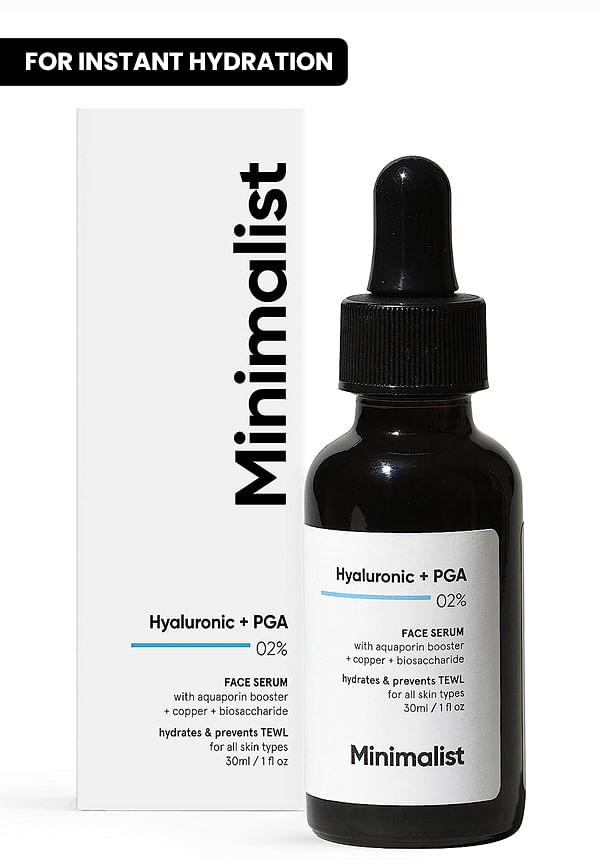 30 ml
30 ml2% Hyaluronic Acid Face Serum for Intense Hydration & Glowing Skin
Whilst generally safe, people with autoimmune conditions or those taking blood thinners should consult healthcare providers before using hyaluronic acid supplements or getting professional treatments.
Getting the most from hyaluronic acid skincare is all about proper application and timing. The good news? It plays well with almost every other skincare ingredient, making it easy to incorporate into your existing routine.
Here's your step-by-step guide:
Cleanse first: Start with clean skin
Apply to damp skin: This gives the hyaluronic acid moisture to grab onto
Use gentle patting motions: Don't rub it in aggressively
Layer under moisturiser: Seal it in with your regular moisturiser
Use morning and evening: It's gentle enough for twice-daily use
Hyaluronic acid works brilliantly with vitamin C, niacinamide, and retinol. Apply it after any active treatments but before heavier creams or oils. The key is working from thinnest to thickest consistency.
With platforms like Smytten, you can try different hyaluronic acid formulations without committing to full-size products. This is particularly helpful since different brands use varying molecular weights and concentrations, and what works for your friend might not be your perfect match.
Hyaluronic acid acts like a moisture magnet, drawing water to your skin cells and helping them stay plump and hydrated. This leads to smoother texture, reduced appearance of fine lines, and that coveted dewy glow. It also supports your skin's natural barrier function, helping it protect against environmental damage.
Absolutely! Hyaluronic acid is gentle enough for daily use, both morning and evening. In fact, consistent use tends to give better results than sporadic application. Since it's naturally present in your body, there's no risk of over-use like there might be with stronger active ingredients.
They're not really competitors—they do different jobs brilliantly. Vitamin C is an antioxidant that brightens skin and protects against environmental damage, whilst hyaluronic acid focuses on hydration and plumping. Many people use both together for comprehensive skincare benefits.
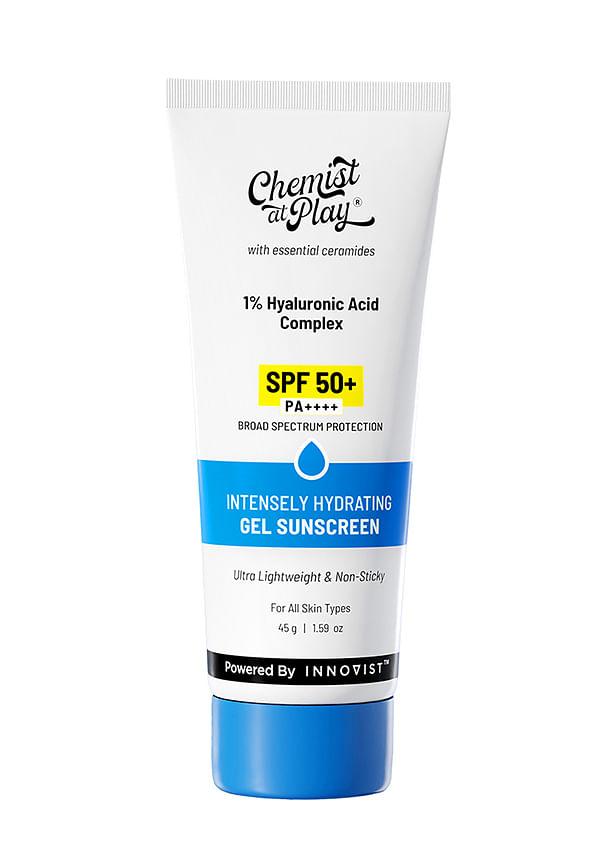 45 gm
45 gm1% Hyaluronic Acid Gel Sunscreen | Intensely Hydrates | SPF 50+
Yes! Hyaluronic acid can help hydrate your scalp and add moisture to your hair strands. Some hair products now include it for its moisture-binding properties, though it's more commonly found in skincare formulations.
You might notice immediate plumping effects after the first use, but significant improvements in skin texture and hydration typically become apparent after 2-4 weeks of consistent use. Long-term benefits like improved skin barrier function develop over several months.
Pure hyaluronic acid rarely causes breakouts, but some formulations might include other ingredients that don't agree with your skin. If you're acne-prone, look for lightweight, non-comedogenic formulas and patch test new products first.
There's no minimum age for hyaluronic acid since it's naturally present in your body. However, since natural production starts declining in your twenties, this is often when people begin incorporating it into their skincare routine. That said, anyone dealing with dehydrated skin can benefit, regardless of age.
Definitely! Oily skin can still be dehydrated, and hyaluronic acid provides water-based hydration without adding oils. It can actually help balance your skin by ensuring it's properly hydrated, potentially reducing excess oil production.
Hyaluronic acid is one of the most compatible skincare ingredients. It works well with vitamin C, retinol, niacinamide, and AHAs/BHAs. Just remember to apply it before heavier creams and oils in your routine.
Low molecular weight hyaluronic acid penetrates deeper into skin layers, whilst high molecular weight forms a protective film on the surface. Many effective products combine both for comprehensive hydration at multiple skin levels.
Hyaluronic acid uses extend far beyond basic moisturising—it's a versatile ingredient that can transform your skin's hydration levels, texture, and overall health. Whether you choose a serum, moisturiser, or both, the key is consistent use and proper application technique.
Remember, finding the right hyaluronic acid product for your skin might take some experimentation. Different formulations work better for different skin types and concerns. Smytten's trial platform makes this discovery process much easier and more affordable, letting you test various hyaluronic acid products from trusted brands like Cetaphil and Dot & Key before committing to full sizes. With over 1,500 brands available and the ability to try up to 8 minis for just ₹249, you can explore different molecular weights, concentrations, and formulations to find your perfect match. After all, why settle for 'maybe' when you can try it all and find what actually works for your skin?
