Hyaluronic Acid on Hair FAQ: Your Questions Answered

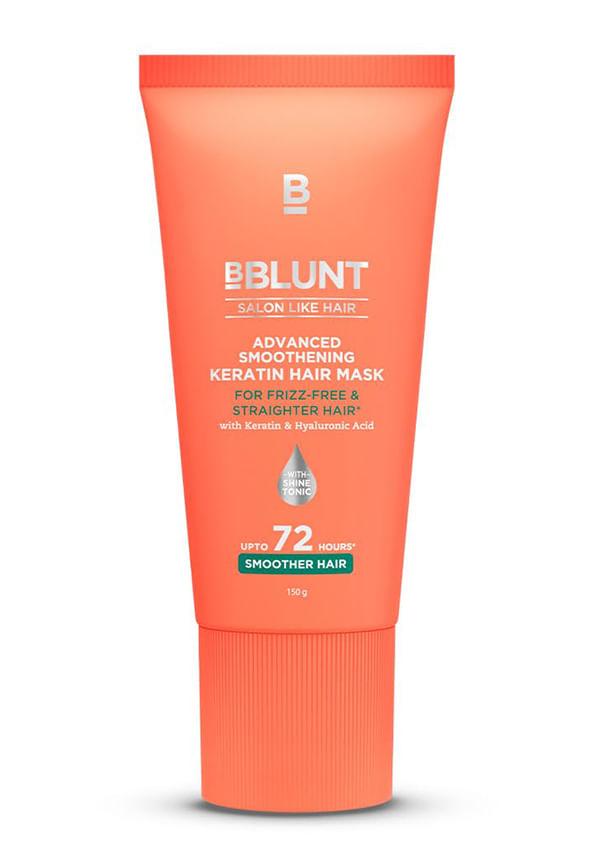 150 gm
Advanced Smoothening Hair Mask with Keratin & Hyaluronic Acid
Let's be real—hyaluronic acid isn't just for your face anymore. This moisture-binding superstar has made its way into haircare, and honestly, it's about time. If you've been scrolling through beauty feeds and wondering whether hyaluronic acid on hair is worth the hype, you're in the right place. From dry, frizzy strands to lacklustre locks that need some serious TLC, hyaluronic acid might just become your hair's new best friend. We're breaking down everything you need to know, from the science behind it to the real-world results you can expect.
Hyaluronic acid is basically a moisture magnet that can hold up to 1,000 times its weight in water. Originally found naturally in our skin, joints, and eyes, this humectant has become a game-changer in both skincare and haircare. Unlike heavy oils or silicones that can weigh hair down, hyaluronic acid works differently—it draws moisture from the environment and locks it into your hair shaft.
Your hair needs hydration just like your skin does, especially if you're dealing with heat styling, chemical treatments, or environmental damage. Hair hydration hyaluronic acid provides works at a molecular level, penetrating the hair cuticle to deliver deep, lasting moisture. Think of it as giving your strands a drink of water that actually sticks around, rather than just sitting on the surface.
The benefits of using hyaluronic acid on hair go way beyond basic hydration. This ingredient has been studied extensively, and the results are pretty impressive for anyone looking to upgrade their haircare routine.
The star benefit of hyaluronic acid hair benefits is its ability to provide 72-hour hydration. Unlike traditional conditioners that might leave your hair feeling soft for a day, hyaluronic acid creates a moisture reservoir within your hair fibres. This means your strands stay hydrated longer, reducing the need for daily touch-ups.
Frizz happens when your hair cuticles lift to seek moisture from humid air. Hyaluronic acid helps seal those cuticles by providing adequate hydration from within. The result? Smoother, shinier hair that doesn't turn into a lion's mane the moment you step outside.
Here's something cool—hyaluronic acid can actually plump individual hair fibres, giving you natural-looking volume without the need for heavy styling products. Your hair appears thicker and fuller because each strand is properly hydrated and expanded to its optimal size.
Hyaluronic acid for scalp health is often overlooked, but it's equally important. A well-hydrated scalp is less likely to produce excess oil or flakes. By maintaining optimal moisture levels, hyaluronic acid helps create a healthy environment for hair growth whilst reducing scalp irritation.
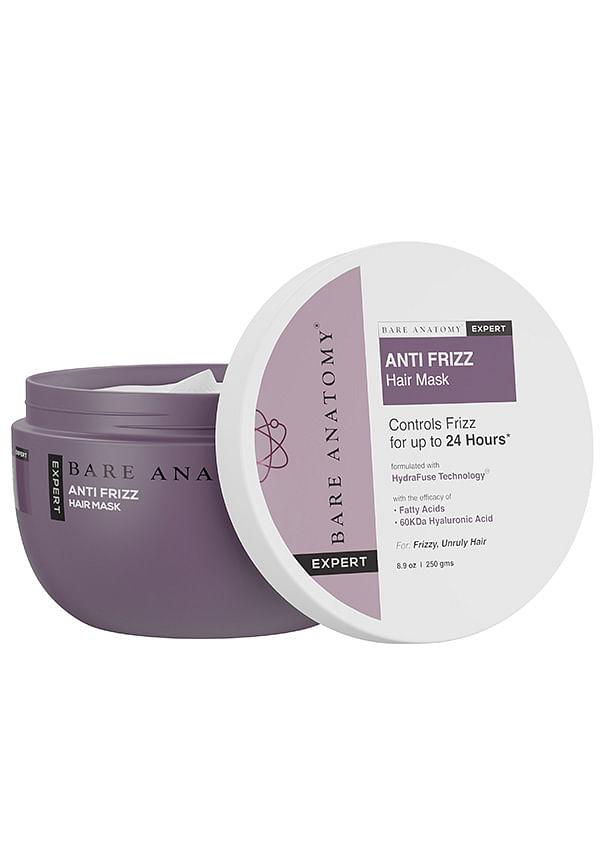 250 gm
Anti-Frizz Hair Mask For Smooth Hair With Hyaluronic Acid
Getting the most out of hyaluronic acid depends heavily on how you apply it. The good news is that it's pretty straightforward once you know the basics.
For best results, apply how to use hyaluronic acid on hair to damp (not soaking wet) hair. The slight moisture helps activate the ingredient whilst preventing dilution. You can use it as a pre-shampoo scalp treatment, massaging it into your roots 15-20 minutes before washing, or as a post-wash serum on mid-lengths and ends.
Your hyaluronic acid hair routine doesn't need to be complicated. Start with 2-3 times per week and adjust based on your hair's response. If you have very dry or damaged hair, daily use might be beneficial. For normal to oily hair types, every other day or a few times weekly should suffice.
Hyaluronic acid comes in various forms for hair—serums, leave-in treatments, masks, and even shampoos. Serums offer concentrated benefits and work well for targeted treatment, whilst masks provide intensive weekly conditioning. Choose based on your hair's specific needs and your routine preferences.
Not all hyaluronic acid hair products are created equal. Understanding the different types helps you choose what works best for your hair goals and lifestyle.
A good hyaluronic acid hair serum should contain multiple molecular weights of hyaluronic acid for maximum penetration. Look for serums that also include complementary ingredients like ceramides or natural oils. Apply these to damp hair, focusing on areas that tend to be driest—usually mid-lengths and ends.
Hyaluronic acid hair mask treatments offer intensive hydration for severely dry or damaged hair. Use these weekly or bi-weekly, leaving them on for 10-20 minutes before rinsing. Some masks can be left on overnight for extra conditioning, but check the product instructions first.
Salon treatments often use higher concentrations of hyaluronic acid combined with other professional-grade ingredients. However, at-home options have become increasingly effective and offer better value for regular maintenance. The key is consistency rather than intensity.
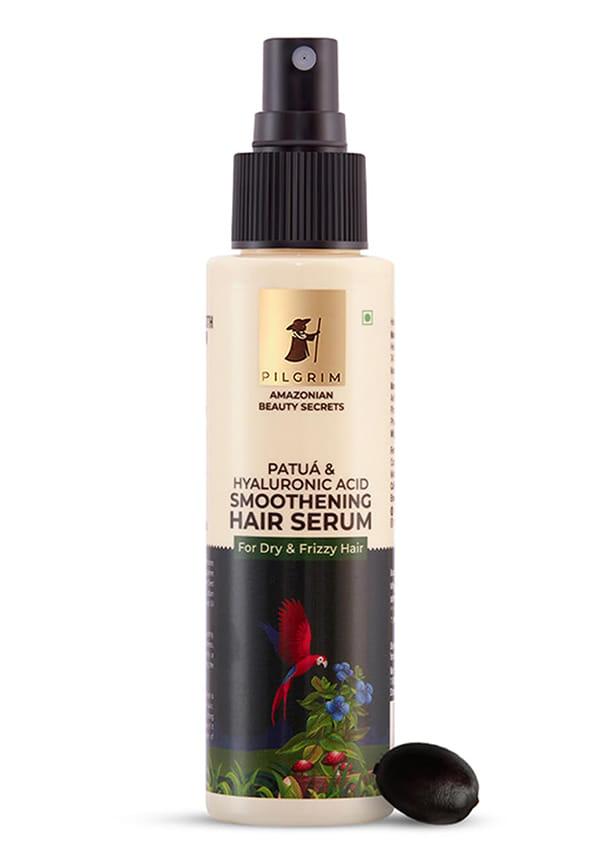 100 ml
Patuá & Hyaluronic Acid Smoothing Hair Serum
Hyaluronic acid works well for most hair types, but certain conditions see more dramatic improvements than others. Understanding whether your hair will benefit helps set realistic expectations.
Dry hair hyaluronic acid treatments show the most noticeable results. If your hair feels rough, looks dull, or breaks easily, hyaluronic acid can help restore moisture balance. Curly and textured hair types often see significant improvements because these hair structures naturally struggle to retain moisture.
Colour-treated hair benefits enormously from hyaluronic acid because chemical processes strip natural moisture. If you heat style regularly, live in a dry climate, or have hair that tangles easily, adding hyaluronic acid to your routine can address these issues effectively.
Very fine or oily hair might find some hyaluronic acid products too heavy. Start with lightweight serums rather than rich masks, and always patch test new products. If you have scalp conditions like seborrheic dermatitis, consult a dermatologist before adding new active ingredients.
Managing expectations is crucial when starting any new hyaluronic acid hair treatment. Understanding the timeline helps you stick with the routine long enough to see real benefits.
You might notice immediate softness after the first use, but significant improvements typically appear after 2-4 weeks of consistent use. Hair feels more manageable within the first week, whilst visible shine and reduced frizz become apparent by week two. Long-term benefits like improved elasticity and reduced breakage develop over 6-8 weeks.
Hyaluronic acid excels at hydration and moisture retention, but it won't repair severe damage or change your hair's natural texture dramatically. Think of it as optimising what you already have rather than creating completely new hair. It works best as part of a comprehensive haircare routine rather than a standalone miracle cure.
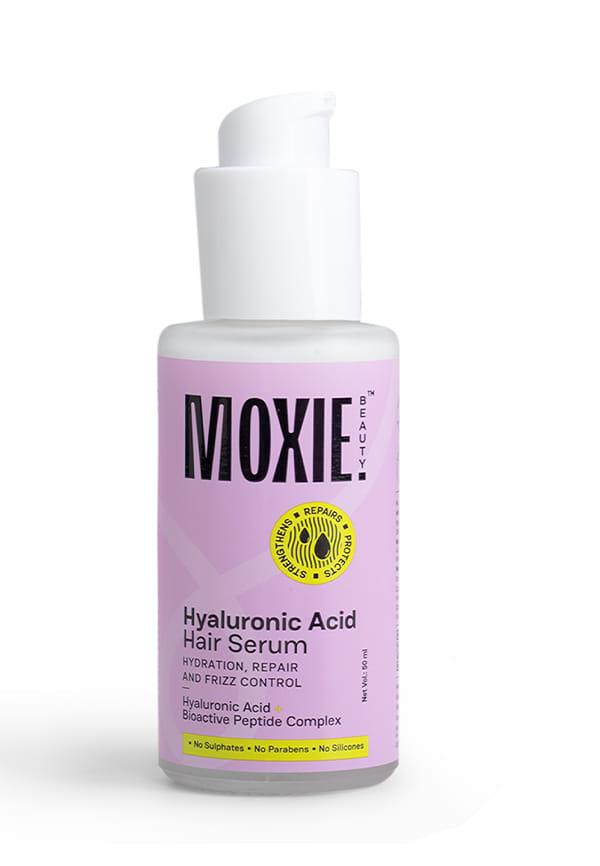 50ml
50mlHyaluronic Acid Hair Serum
Combine hyaluronic acid with protective practices like using heat protectants, sleeping on silk pillowcases, and regular trims. Staying hydrated and eating a balanced diet also supports overall hair health, making topical treatments more effective.
Whilst some people use facial hyaluronic acid serums on their hair, products specifically formulated for hair often work better. Hair-specific formulations consider factors like pH balance and complementary ingredients that work well with hair's structure. If you do use a skincare product, dilute it slightly and patch test first.
Start with 2-3 times per week and adjust based on your hair's response. Very dry or damaged hair might benefit from daily use, whilst normal hair types typically need it every other day. Pay attention to how your hair feels—if it starts feeling heavy or greasy, reduce frequency.
Pure hyaluronic acid shouldn't make hair greasy since it's water-based rather than oil-based. However, some formulations include oils or heavy conditioning agents that might weigh fine hair down. Choose lightweight serums if you have oily or fine hair, and focus application on mid-lengths and ends rather than roots.
Yes, hyaluronic acid is generally safe and beneficial for colour-treated hair. It helps maintain moisture that chemical processes strip away, potentially helping colour last longer by keeping hair healthy. However, always check with your colourist if you're using professional treatments close to colouring appointments.
Many hyaluronic acid hair products are designed as leave-in treatments, making overnight use perfectly safe. However, check the specific product instructions, as some masks or intensive treatments are meant to be rinsed out. Start with shorter application times to see how your hair responds.
Whilst hyaluronic acid doesn't directly stimulate hair growth, it creates optimal scalp conditions that support healthy growth. By maintaining scalp hydration and reducing inflammation, it provides a better environment for hair follicles to function properly.
Hyaluronic acid on hair isn't just another beauty trend—it's a science-backed approach to achieving healthier, more hydrated hair. Whether you're dealing with dryness, frizz, or just want to give your hair some extra TLC, this ingredient offers real benefits that you can see and feel. The key is choosing the right products for your hair type and using them consistently.
If you're curious about trying hyaluronic acid hair products but don't want to commit to full sizes, platforms like Smytten make it easy to explore new options. With trial packs from over 1,500 trusted brands, you can test different hyaluronic acid formulations to find your perfect match. After all, why settle for 'maybe' when you can Try It All and discover what actually works for your hair?
