Hyaluronic Acid FAQ: Your Complete Guide to Skin Hydration


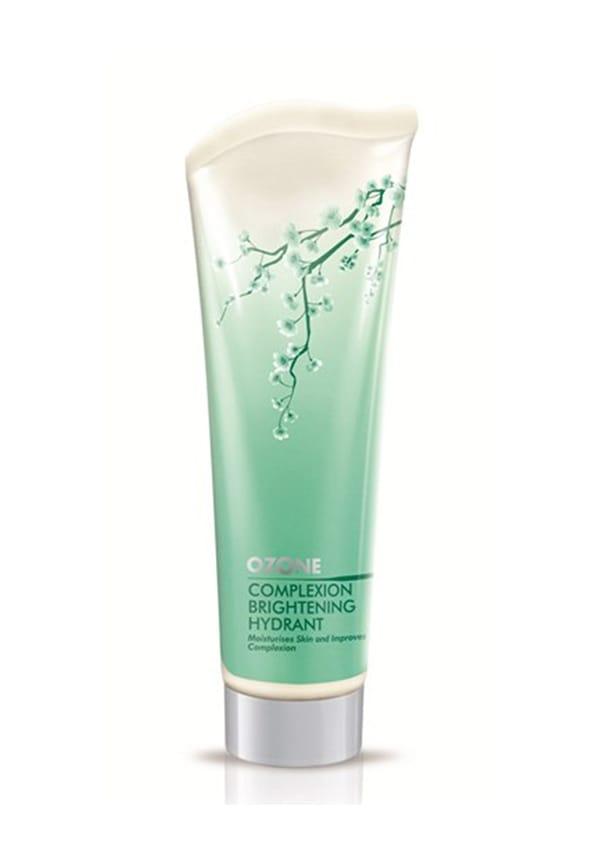
Complexion Brightening Hydrant
You've probably seen hyaluronic acid on every skincare label lately, and honestly, there's good reason for the hype. Whether you're dealing with that tight, uncomfortable feeling after washing your face or noticing fine lines creeping in, this powerhouse ingredient might just be the game-changer your skin's been waiting for. But with so much information floating around, it's easy to feel overwhelmed about what it actually does and how to use it properly.
Let's start with the basics because understanding what hyaluronic acid actually is makes all the difference in how you use it. Despite its intimidating name, it's not the harsh, exfoliating type of acid you might be thinking of.
Hyaluronic acid is actually a naturally occurring substance that's already present in your skin, eyes, and joints. Think of it as your skin's built-in moisture magnet. The molecule has this incredible ability to hold up to 1,000 times its weight in water, which is why it's become such a skincare superstar. As we age, our natural production of this moisture-binding wonder decreases, which is partly why skin starts feeling drier and looking less plump over time.
You might also see sodium hyaluronate on ingredient lists. This is simply a smaller, more stable form of hyaluronic acid that can penetrate deeper into the skin. Both work brilliantly for skin hydration, but sodium hyaluronate tends to be less likely to cause any sensitivity.
Here's where it gets exciting. When you apply hyaluronic acid for face care, it acts like a moisture reservoir, drawing water from the environment and deeper layers of your skin to the surface. This creates that coveted plump, dewy look that makes your skin appear more youthful and healthy. It also helps strengthen your skin barrier, which means better protection against environmental stressors and less moisture loss throughout the day.
The beauty of this ingredient is that it works immediately and over time. You'll notice softer, more hydrated skin right after application, but with consistent use, you're also supporting your skin's long-term health and resilience.
One of the most brilliant things about hyaluronic acid is its universal appeal. Whether your skin is oily and prone to breakouts or dry and sensitive, this ingredient plays well with everyone.
The primary hyaluronic acid benefits centre around hydration, but not the heavy, greasy kind that might worry those with oily skin. This ingredient provides deep, lasting moisture without clogging pores or leaving any residue. It's non-comedogenic, which means it won't trigger breakouts, making it perfect for anyone dealing with combination skin or those summer months when you need hydration but can't handle anything too rich.
For those with dry skin treatment needs, hyaluronic acid is like a drink of water for parched skin. It helps restore that comfortable, soft feeling and reduces that tight sensation you might experience after cleansing.
When it comes to anti-aging skincare, hyaluronic acid works by plumping the skin from within. Well-hydrated skin naturally appears smoother and more youthful, with fine lines looking less pronounced. It's not going to erase deep wrinkles overnight, but consistent use can help prevent new ones from forming and improve the overall texture and appearance of your skin.
The ingredient also supports your skin's natural repair processes. When your skin is properly hydrated, it can function optimally, healing faster from environmental damage and maintaining its protective barrier more effectively.
This is probably one of the most common questions, and the answer often comes down to your skin's specific needs and your personal preferences.
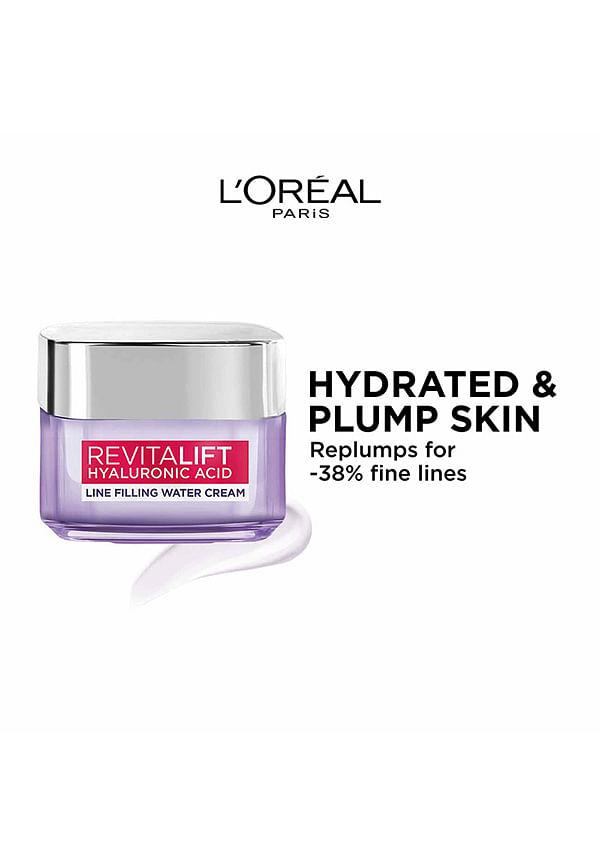
Revitalift Hyaluronic Acid Plumping Day Cream for Women
A hyaluronic acid serum is typically your lightweight, concentrated option. These formulations are designed to penetrate quickly and deliver a potent dose of hydration without any heaviness. Serums work brilliantly under other products and are perfect for layering. They're ideal if you prefer a minimalist routine or have oily skin that doesn't need heavy moisturising.
The key with serums is application technique. Apply them to slightly damp skin, then follow with a moisturiser to lock in all that hydration. This creates the perfect environment for the hyaluronic acid to work its magic.
A hyaluronic acid moisturiser combines the hydrating power of this ingredient with other nourishing components like ceramides, peptides, or natural oils. These formulations are perfect for those who prefer fewer steps in their routine or have particularly dry skin that needs more substantial moisture support.
Many people find that moisturisers with hyaluronic acid provide longer-lasting hydration throughout the day, making them excellent choices for morning routines or as overnight treatments.
Getting the most out of your hyaluronic acid products comes down to proper application. It's not complicated, but there are a few key points that make a real difference.
The hyaluronic acid uses in your routine can vary, but most people benefit from twice-daily application. In the morning, it provides a hydrating base under SPF, whilst evening application supports overnight skin repair. The golden rule is to apply it to damp skin – this gives the ingredient something to grab onto and helps it work more effectively.
After cleansing, whilst your skin is still slightly moist, apply your hyaluronic acid product. Gently pat it in, then follow with your regular moisturiser and SPF during the day. This layering technique maximises the hydrating benefits and ensures the ingredient stays put.
One of the best things about hyaluronic acid is how well it plays with other skincare ingredients. It pairs beautifully with vitamin C in morning routines, providing hydration whilst the vitamin C works on brightening and protection. Niacinamide and hyaluronic acid also make an excellent combination, with niacinamide helping to regulate oil production whilst hyaluronic acid provides moisture.
The ingredient is gentle enough to use alongside most actives, including retinoids and AHAs, though you might want to introduce them gradually if you're new to active ingredients.
Real talk: hyaluronic acid is one of the safest skincare ingredients you can use, which is part of why it's become so popular across all skin types and ages.
Yes, hyaluronic acid is absolutely fine for daily use – in fact, it's designed for it. Unlike some active ingredients that require careful introduction or cycling, this one can be used morning and evening from day one. Your skin naturally contains this substance, so you're essentially just topping up what's already there.
Most people see the best results with consistent daily use rather than sporadic application. The ingredient works cumulatively, so regular use helps maintain optimal hydration levels and supports your skin's natural moisture barrier.
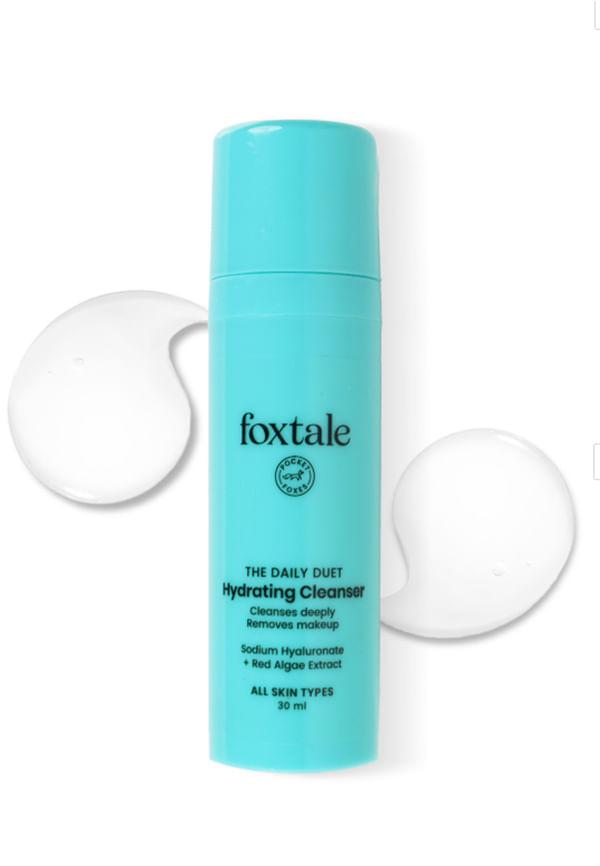
Hydrating Face Wash with Hyaluronic Acid
Side effects are rare, but they can occur. Some people might experience mild irritation if they're sensitive to other ingredients in the formulation rather than the hyaluronic acid itself. If you have very sensitive skin, start with a lower concentration and patch test new products.
One thing to watch for is using hyaluronic acid in very dry environments without proper follow-up moisturising. In extremely low humidity conditions, it might actually draw moisture from deeper skin layers if there's no environmental moisture to grab, so always follow with a good moisturiser.
Understanding how hyaluronic acid compares to other popular ingredients helps you build a more effective routine tailored to your specific skin concerns.
These two ingredients serve different purposes and work brilliantly together. Vitamin C is your antioxidant powerhouse, protecting against environmental damage and helping with brightening, whilst hyaluronic acid focuses purely on hydration and plumping. Think of vitamin C as your skin's shield and hyaluronic acid as its drink of water.
You can absolutely use both in the same routine. Many people apply vitamin C first on clean skin, followed by hyaluronic acid, then moisturiser and SPF. This combination gives you protection, hydration, and long-term skin health benefits.
Niacinamide and hyaluronic acid complement each other beautifully. Niacinamide helps regulate oil production, minimise pores, and calm inflammation, whilst hyaluronic acid provides the hydration that all skin types need. Rather than choosing between them, consider using both – niacinamide first, followed by hyaluronic acid, then your moisturiser.
This combination is particularly effective for those with combination or oily skin who need moisture without heaviness, plus the added benefits of oil control and pore refinement.
With so many options available, knowing what to look for can save you time, money, and potential skin frustration.
When shopping for hyaluronic acid products, look for formulations that include multiple molecular weights of the ingredient. This means you're getting both immediate surface hydration and deeper penetration. Sodium hyaluronate is often included for this reason.
Beneficial supporting ingredients include ceramides for barrier repair, peptides for anti-aging benefits, and gentle humectants like glycerin. Avoid products with high concentrations of alcohol or harsh fragrances, as these can counteract the hydrating benefits.
For dry skin treatment, look for richer formulations that combine hyaluronic acid with nourishing oils or butters. Those focused on anti-aging skincare might prefer serums that can be layered under targeted treatments. If you're dealing with sensitive skin, opt for fragrance-free formulations with minimal additional ingredients.
Budget-friendly options can work just as well as premium ones – the key is finding a formulation that suits your skin type and preferences. Sometimes simpler is better, especially if you're just starting to incorporate this ingredient into your routine.
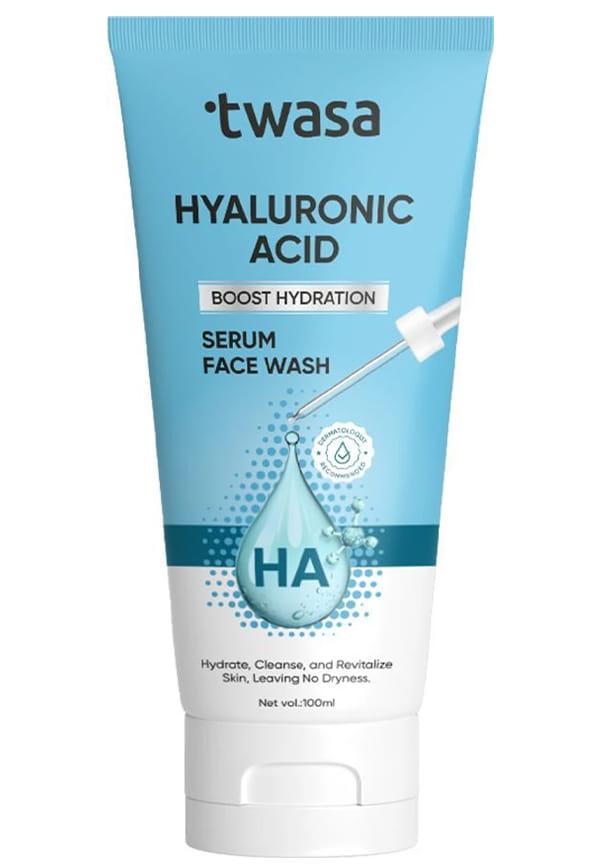
Hydra Nourish Hyaluronic Acid Serum Face Wash
Hyaluronic acid acts as a powerful humectant, drawing moisture from the environment and deeper skin layers to hydrate and plump the skin. It helps reduce the appearance of fine lines, improves skin texture, and supports the natural moisture barrier for healthier, more resilient skin.
Yes, hyaluronic acid is safe and beneficial for daily use. Unlike some active ingredients, it's gentle enough for twice-daily application and works best with consistent use. It's suitable for all skin types and can be used morning and evening without irritation.
They serve different purposes and work excellently together. Vitamin C provides antioxidant protection and brightening benefits, whilst hyaluronic acid focuses on hydration and plumping. Rather than choosing one, most people benefit from using both in their routine for comprehensive skin health.
Both ingredients offer unique benefits and complement each other well. Niacinamide helps regulate oil production and minimise pores, whilst hyaluronic acid provides essential hydration. The best approach is often using both, with niacinamide applied first followed by hyaluronic acid.
You'll notice immediate hydration and plumping effects after the first application. For longer-term benefits like improved skin texture and reduced fine lines, consistent use over 4-6 weeks typically shows significant results.
Hyaluronic acid itself is non-comedogenic and unlikely to cause breakouts. If you experience congestion, it's more likely due to other ingredients in the formulation or using too heavy a product for your skin type.
There's no specific age requirement for hyaluronic acid. It's beneficial for anyone experiencing dryness, dehydration, or wanting to maintain healthy skin hydration. Many people start incorporating it in their twenties as part of preventative skincare.
Hyaluronic acid helps reduce the appearance of fine lines by plumping and hydrating the skin. Whilst it won't eliminate deep wrinkles, well-hydrated skin appears smoother and more youthful, and consistent use can help prevent new lines from forming.
Understanding hyaluronic acid and its benefits doesn't have to be complicated. This ingredient has earned its place in skincare routines worldwide because it simply works – providing essential hydration that every skin type needs whilst supporting long-term skin health. Whether you choose a lightweight serum or a nourishing moisturiser, the key is consistent use and proper application technique.
Your skin will notice the difference when you find the right hyaluronic acid product for your needs. The beauty of this ingredient lies in its versatility and gentleness, making it an excellent starting point for anyone looking to improve their skin's hydration and overall health. With over 28 million users discovering their perfect skincare matches, Smytten's curated selection includes trusted brands offering various hyaluronic acid formulations to suit different preferences and budgets. If you're curious about trying different formulations before committing to full sizes, exploring minis can be a smart way to discover what works best for your unique skin needs.
