Hyaluronic Acid FAQ: Skin Hydration & Usage Explained


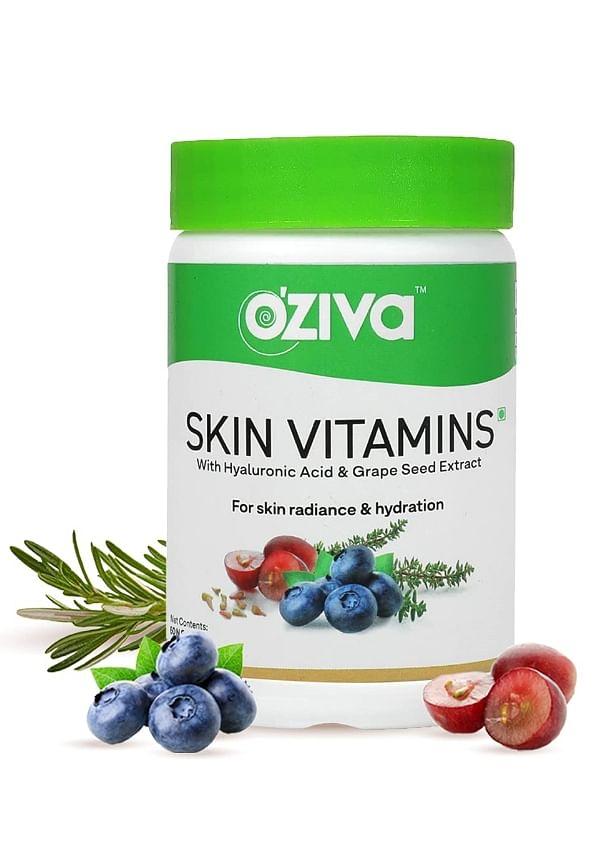
Skin Vitamins With Hyaluronic Acid Radiance & Hydration
You've probably heard that hyaluronic acid can hold 1,000 times its weight in water. But here's the thing - knowing this fact doesn't automatically translate to glowing, hydrated skin. Real talk: many of us are still walking around with dehydrated skin despite having a hyaluronic acid serum sitting on our bathroom shelf. The difference between having the product and actually seeing results comes down to understanding how this moisture magnet works and, more importantly, how to use it properly. Whether you're dealing with that tight, uncomfortable feeling after cleansing or you've noticed your skin looking a bit lacklustre lately, getting your hyaluronic acid routine right could be the game-changer your skin has been waiting for.
Let's start with the basics. Hyaluronic acid isn't actually an acid that exfoliates your skin - it's a humectant, which means it draws moisture from the environment and holds onto it. Think of it as a tiny sponge that can absorb and retain water molecules, keeping your skin plump and hydrated.
The magic happens at a molecular level. Hyaluronic acid has a unique structure that allows it to bind with water molecules and create a gel-like substance on your skin's surface. This isn't just surface-level hydration - it actually helps maintain your skin barrier function by preventing water loss throughout the day. Your skin naturally produces hyaluronic acid, but production decreases as we age, which is why adding it back through skincare becomes so important for maintaining that bouncy, hydrated complexion.
The immediate skin plumping effect you might notice after applying a hyaluronic acid serum isn't just in your head. When your skin is properly hydrated, fine lines appear less noticeable, and your complexion looks more radiant. Unlike some moisturising ingredients that might feel heavy or cause breakouts, hyaluronic acid works beautifully for all skin types - even if you're dealing with sensitive skin or rosacea. It's gentle enough for daily use and won't interfere with other products in your routine.
Here's where many people go wrong with their hyaluronic acid routine. The application method matters just as much as the product itself, and getting it right can mean the difference between plump, hydrated skin and that tight, uncomfortable feeling that leaves you wondering why everyone raves about this ingredient.
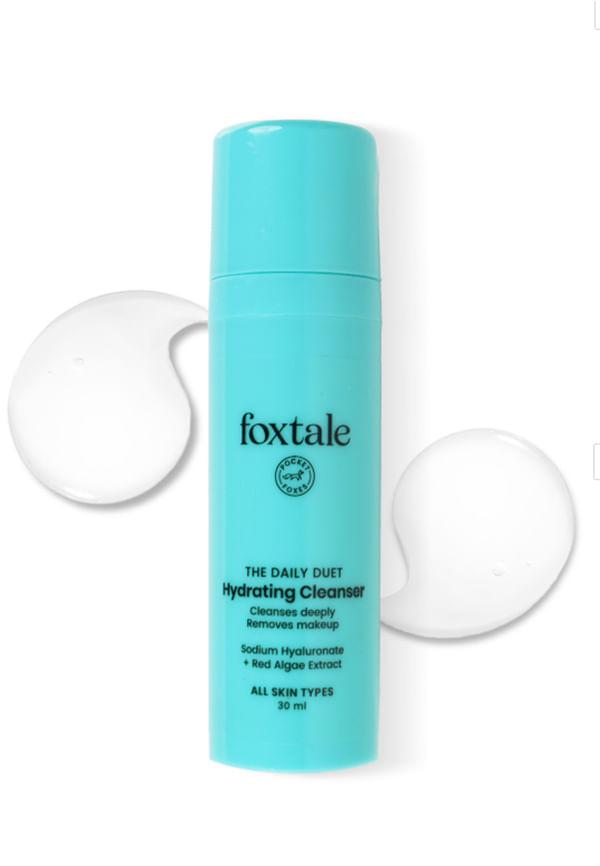
Hydrating Face Wash with Hyaluronic Acid
Always apply your hyaluronic acid serum to damp skin - this is crucial. After cleansing, whilst your skin is still slightly moist, apply 2-3 drops of serum and gently pat it in. The moisture on your skin gives the hyaluronic acid something to bind to immediately. If you apply it to completely dry skin, it might actually draw moisture from deeper layers of your skin, leaving you feeling more dehydrated than when you started.
Serums typically contain higher concentrations of hyaluronic acid and penetrate more deeply, whilst moisturisers with hyaluronic acid provide hydration along with occlusive ingredients that seal everything in. For most people, using a hyaluronic acid serum followed by a moisturiser gives the best results. The serum delivers the hydrating benefits, and the moisturiser ensures that moisture doesn't escape throughout the day.
One of the most common questions about hyaluronic acid usage is when to apply it. The good news is that this ingredient plays well with both morning and evening routines, but understanding the benefits of each timing can help you maximise results.
Morning application is brilliant for creating a hydrated base under your SPF and makeup. Your skin tends to lose moisture overnight, so starting the day with skin hydration helps maintain that plump, healthy look throughout the day. Evening application works beautifully too, especially if you're using other active ingredients like retinol or AHAs that can be drying. The hyaluronic acid helps counteract any potential irritation whilst you sleep.
Wait about 30 seconds to a minute after applying your hyaluronic acid serum before following with moisturiser. You'll know it's ready when the serum has absorbed and your skin feels slightly tacky but not wet. This timing ensures the hyaluronic acid has had a chance to bind with water molecules on your skin's surface before you seal everything in with your moisturiser.
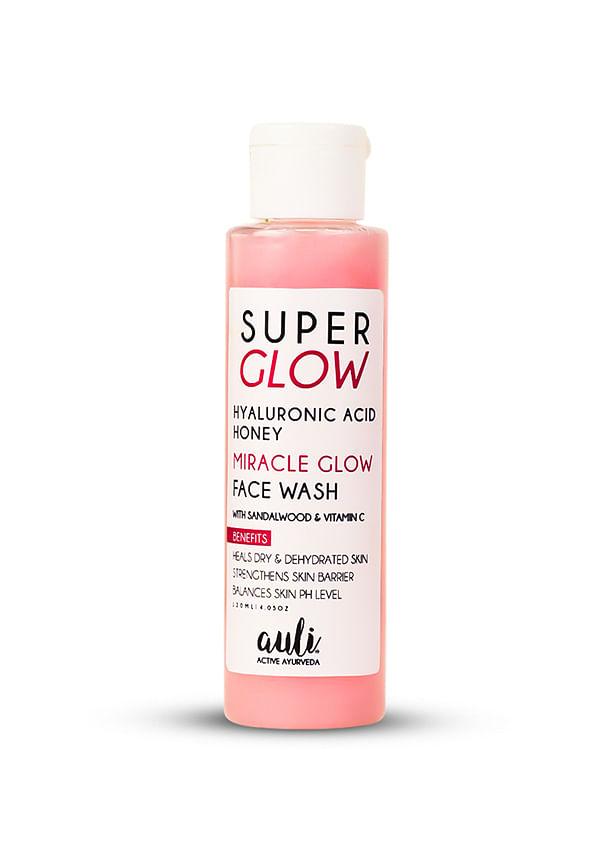
Hyaluronic Acid Nourishing Facewash - SUPER GLOW
Getting the most out of your hyaluronic acid routine isn't complicated, but there are some key principles that can make or break your results. Let's break down the essential do's and critical don'ts that will help you avoid common mistakes.
Always follow your hyaluronic acid with a moisturiser - this step is non-negotiable. The moisturiser creates a barrier that prevents the water bound by hyaluronic acid from evaporating. Store your products properly too; extreme temperatures can affect the stability of hyaluronic acid. Consistency is key - using it sporadically won't give you the cumulative hydrating benefits that regular use provides.
Never apply hyaluronic acid to completely dry skin, especially in low-humidity environments like air-conditioned rooms. Without adequate moisture to bind to, it can actually have a drying effect. Don't skip the moisturiser step thinking the serum is enough - hyaluronic acid needs to be sealed in to work effectively. Avoid using too much product; more isn't always better, and over-application can leave your skin feeling sticky without additional benefits.
Different skin types and concerns require slightly different approaches to hyaluronic acid usage. Understanding how to tailor your routine based on your specific needs can help you get better results and avoid potential issues.
If you're dealing with persistently dry skin, hyaluronic acid can be a game-changer when used correctly. Layer it under a rich moisturiser and consider using it twice daily. You might also benefit from combining it with other hydrating ingredients like glycerin or ceramides. During particularly dry seasons, applying hyaluronic acid to slightly damp skin and then misting your face lightly before applying moisturiser can boost hydration levels even further.
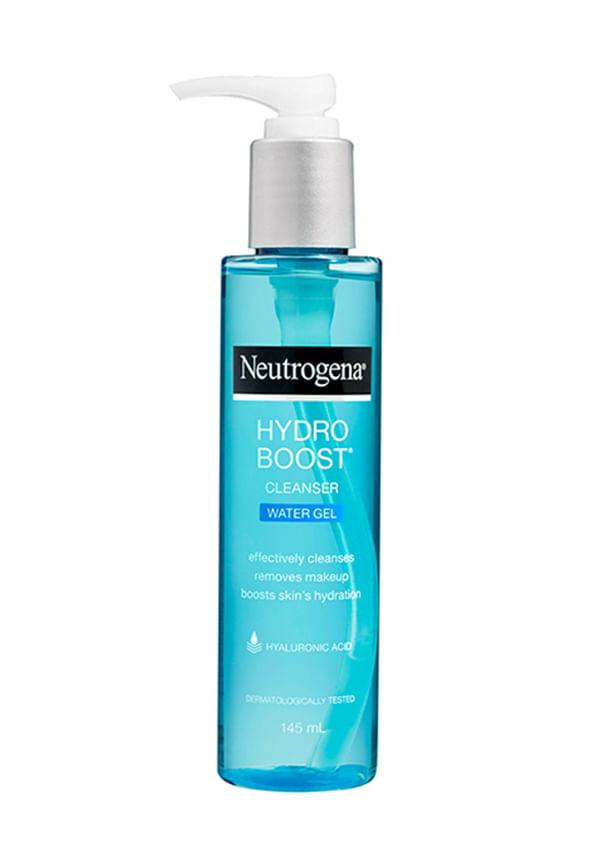
Hydro Boost Cleanser Water Gel With Hyaluronic Acid
Hyaluronic acid is generally well-tolerated by sensitive skin types, but always patch test new products first. If you're choosing between niacinamide and hyaluronic acid for rosacea-prone skin, hyaluronic acid tends to be gentler and less likely to cause irritation. Its soothing properties can actually help calm inflamed skin whilst providing much-needed hydration.
Apply your hyaluronic acid moisturiser to clean, slightly damp skin using gentle upward motions. If you're using both a serum and moisturiser with hyaluronic acid, apply the serum first, wait for absorption, then follow with the moisturiser. This layering approach maximises hydration without overwhelming your skin.
Yes, absolutely. Hyaluronic acid draws moisture to your skin, but you need a moisturiser to seal that hydration in. Without this final step, the water bound by hyaluronic acid can evaporate, potentially leaving your skin feeling drier than before. Think of hyaluronic acid as the hydration and moisturiser as the lock.
Korean skincare often features beta-glucan, snail secretion filtrate, and fermented ingredients as alternatives to hyaluronic acid. Beta-glucan, derived from oats or mushrooms, provides similar hydrating benefits with additional soothing properties. Many Korean brands also use multiple types of hyaluronic acid with different molecular weights for deeper penetration.
For rosacea-prone skin, hyaluronic acid is generally gentler and less likely to cause irritation. Whilst niacinamide can help with redness and inflammation, some people with very sensitive skin find it too stimulating. Hyaluronic acid provides essential hydration without active ingredients that might trigger sensitivity, making it a safer starting point for reactive skin.
Understanding how hyaluronic acid works and using it correctly can transform your skin hydration routine. The key principles are simple: apply to damp skin, always follow with moisturiser, and be consistent with your usage. Whether you're dealing with dehydration, fine lines, or just want that healthy, plump complexion, hyaluronic acid can be a valuable addition to your skincare routine when used properly.
Remember, skincare is personal, and what works for others might need tweaking for your specific skin type and concerns. Start with a basic hyaluronic acid serum, master the application technique, and then consider adding other moisturising ingredients as needed. Your skin will thank you for the consistent hydration, and you'll likely notice that bouncy, healthy glow that comes with properly hydrated skin. If you're curious about trying different hyaluronic acid formulations before committing to full-size products, Smytten's curated selection lets you explore various brands and find what works best for your skin.
