Hyaluronic Acid: Damp Skin vs Dry Skin Application

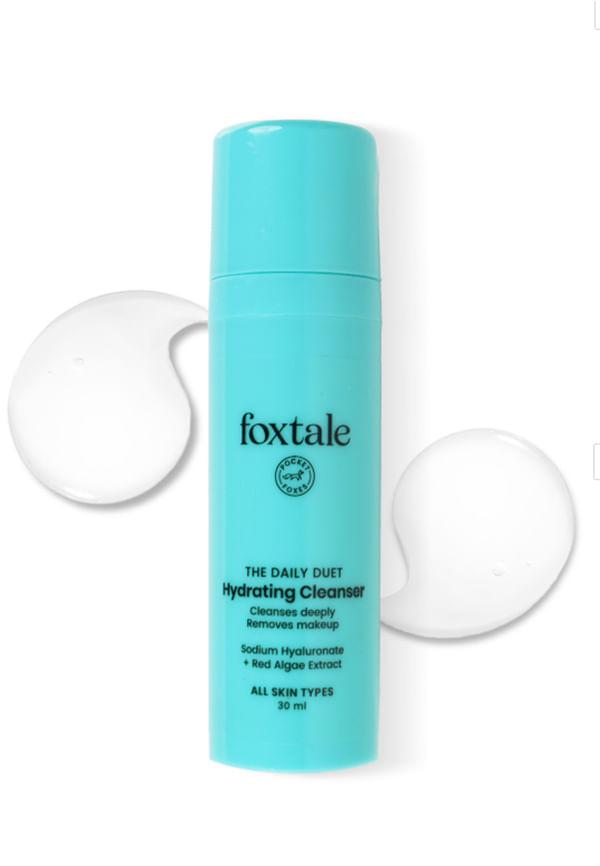
Hydrating Face Wash with Hyaluronic Acid
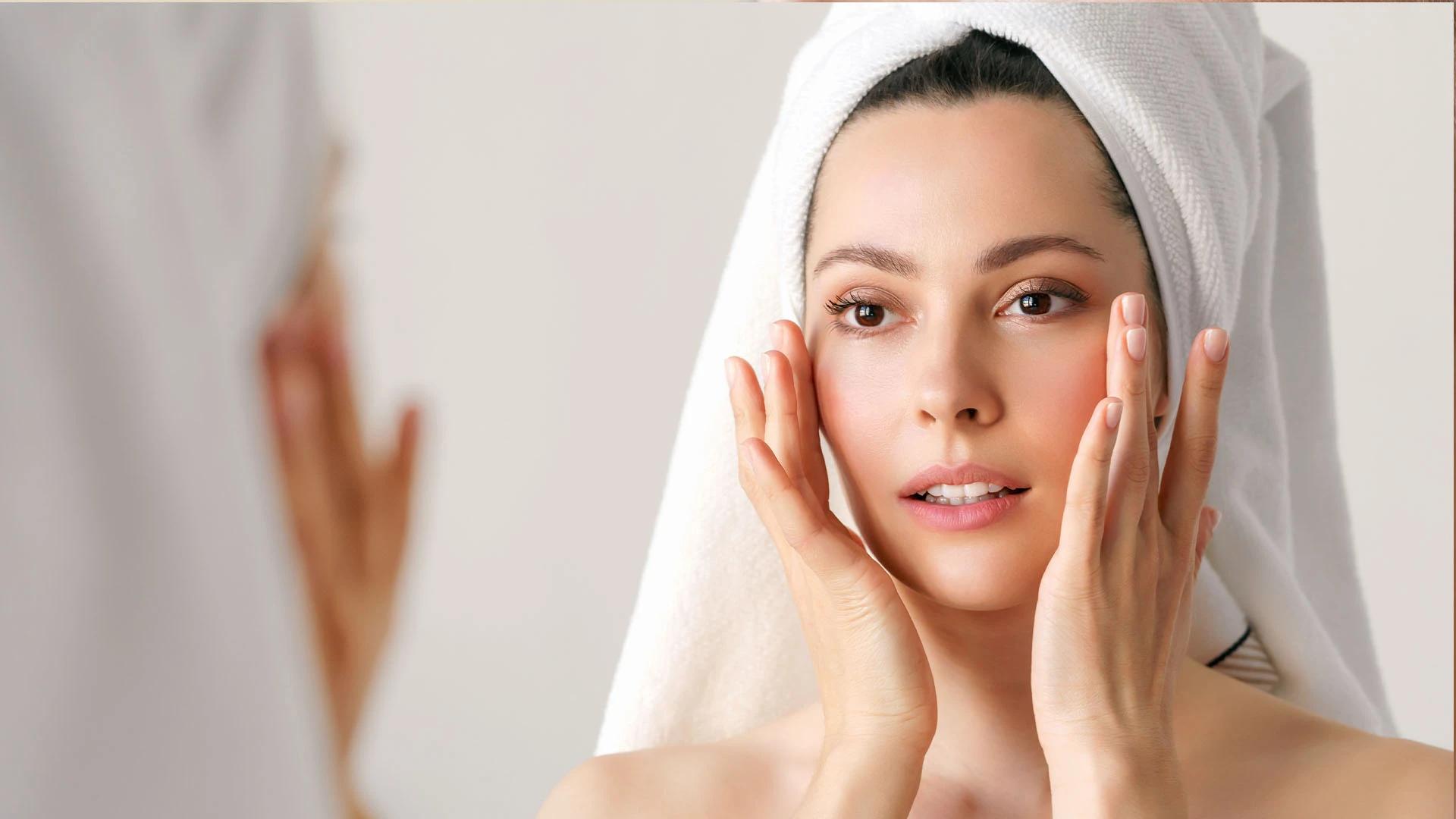
You've probably heard that hyaluronic acid is a skincare miracle worker, but here's the thing—how you apply it matters more than which bottle you choose. Picture this: you've just cleansed your face, patted it dry with a towel, and reached for your hyaluronic acid serum. But wait. That bone-dry skin might actually be working against you. The difference between applying hyaluronic acid on damp versus dry skin isn't just skincare theory—it's the difference between plump, hydrated skin and that tight, uncomfortable feeling that leaves you wondering why your expensive serum isn't working.
Hyaluronic acid is what we call a humectant, which means it's basically a moisture magnet. At the molecular level, one molecule of hyaluronic acid can hold up to 1,000 times its weight in water. Sounds brilliant, right? But here's where it gets interesting—and where most people get it wrong.
When you apply hyaluronic acid to completely dry skin, it doesn't just sit there waiting patiently for moisture to appear. It actively seeks out water from wherever it can find it. In a humid environment, that might be the air around you. But in a dry room or climate, it starts pulling moisture from the deeper layers of your skin instead. This is why some people find their skin feels tighter after using hyaluronic acid—it's actually drawing hydration away from where they need it most.
The science behind proper application isn't complicated, but it's crucial. Your skin barrier function depends on maintaining the right balance of moisture at different levels. When you understand how humectants work, you realise that the environment you create on your skin's surface directly impacts how effective your hyaluronic acid serum will be. This isn't about following trends—it's about working with your skin's natural processes rather than against them.
Real talk: applying hyaluronic acid to slightly damp skin is like giving it exactly what it wants to work with. When your skin has that perfect amount of moisture on the surface, the hyaluronic acid can grab onto that water and lock it in, rather than searching for moisture elsewhere.
Here's your step-by-step process for maximum hyaluronic acid benefits. After cleansing, gently pat your face with a clean towel, but leave it about 80% dry—you want that slight dampness, not dripping wet skin. Apply your hyaluronic acid serum within three minutes of cleansing. This timing matters because your skin is still holding onto that optimal moisture level.
Press the serum gently into your skin using your fingertips, starting from the centre of your face and working outwards. Don't rub vigorously—you want to encourage absorption, not friction. The best time to apply hyaluronic acid is when your skin can actually use the moisture you're providing, and that damp environment creates the perfect conditions.
Environmental factors play a huge role in this process. If you're in an air-conditioned room or it's particularly dry outside, that damp skin application becomes even more critical. You're essentially creating a micro-environment where your hyaluronic acid can do its job properly, rather than competing with dry air for moisture.
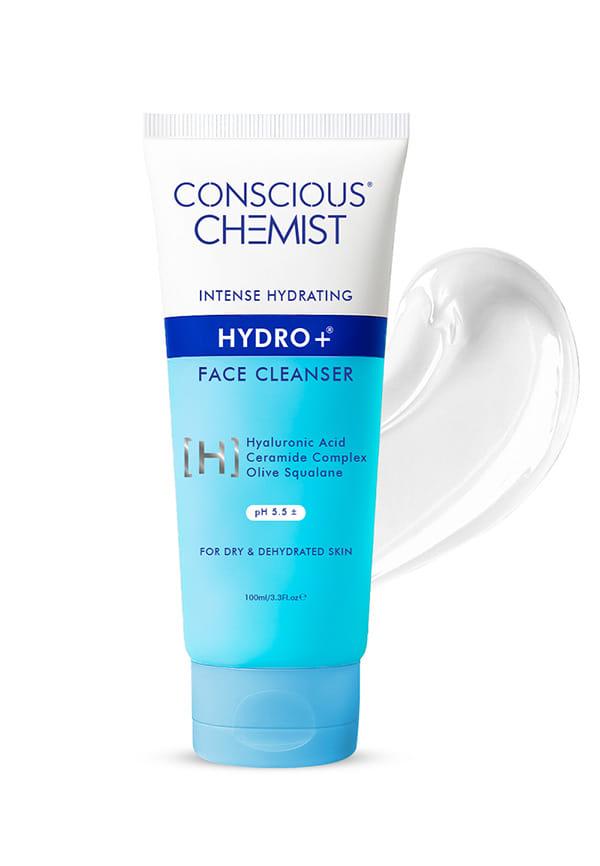
Gentle Hydrating Cleanser For Dry Skin with Hyaluronic Acid and Ceramides
Let's be honest about what goes wrong when you skip the damp skin step. When hyaluronic acid meets completely dry skin, it becomes a bit desperate for moisture. Instead of enhancing your skin hydration, it can actually create a pulling effect, drawing water from the deeper layers of your skin up to the surface where it then evaporates.
You might notice your skin feeling tight or even slightly irritated after application. Some people describe it as their skin feeling "thirsty" even after using a hydrating product. This isn't your imagination—it's your hyaluronic acid working in reverse, essentially dehydrating your skin from within.
The signs that your application technique needs adjustment are usually pretty clear. If your skin feels drier an hour after applying your serum, or if you find yourself reaching for more and more product to feel comfortable, chances are you're applying to skin that's too dry. This can actually compromise your skin barrier over time, making it harder for your skin to maintain its natural moisture balance.
If you've been applying incorrectly, don't panic. Your skin is remarkably resilient. Start incorporating the damp skin method immediately, and consider adding a hydrating toner or essence before your hyaluronic acid serum to give it even more moisture to work with. Your skin should start feeling more comfortable within a few days of adjusting your technique.
Not all skin types respond to hyaluronic acid in exactly the same way, and your application technique might need some fine-tuning based on your specific needs. The basic damp skin rule applies to everyone, but there are some nuances worth knowing about.
If you're dealing with particularly dry skin, you might need to create even more moisture for your hyaluronic acid to work with. Consider using a hydrating toner or essence first—something lightweight that adds an extra layer of dampness without feeling heavy. Look for hyaluronic acid formulations that combine different molecular weights, as these can work at multiple levels of your skin.
Your environment absolutely affects how your hyaluronic acid serum performs. In humid climates, you might find that even the basic damp skin application gives you amazing results. But in dry climates or during winter when indoor heating is running constantly, you might need to be more strategic about creating and maintaining that moisture environment on your skin.
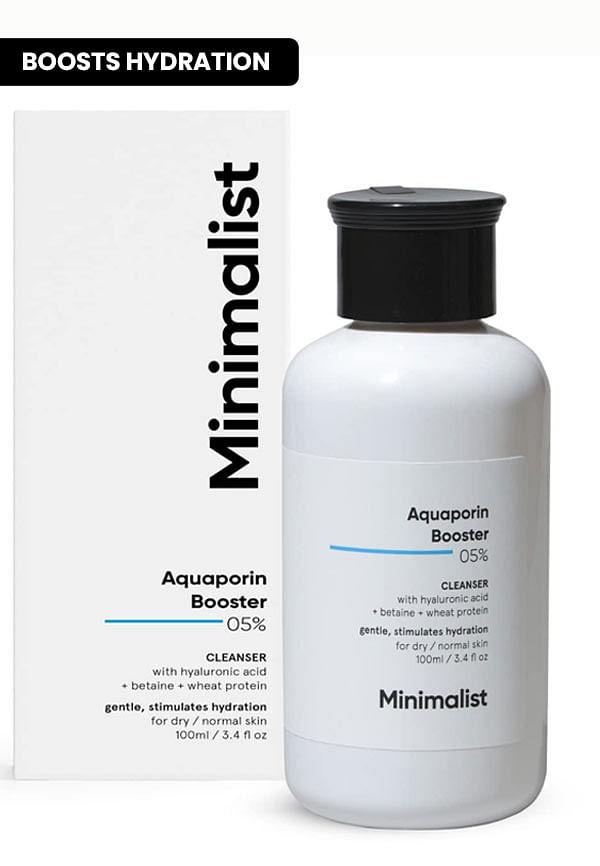
5% Aquaporin Booster Cleanser For Dry Skin With Hyaluronic Acid
Understanding how to use hyaluronic acid properly means knowing where it fits in your overall routine. The general rule is to apply products from thinnest to thickest consistency, which means your hyaluronic acid serum typically comes after cleansing and toning but before heavier serums and moisturisers.
Timing between products matters too. After applying your hyaluronic acid serum, wait about 30 seconds to a minute before applying your next product. You want it to absorb properly, but you don't want your skin to dry out completely before you seal everything in with a moisturiser. This is where that moisturiser application becomes crucial—it's what locks in all the hydration you've just provided.
Your hydrating skincare routine should feel like a logical sequence, not a race against time. In the morning, you might follow your hyaluronic acid with a lightweight moisturiser and SPF. At night, you can afford to be more generous with richer creams or facial oils. The key is maintaining that moisture environment you've created with your initial damp skin application.
When it comes to face serum application in general, hyaluronic acid plays well with most other ingredients. It's particularly lovely when layered under niacinamide or vitamin C serums, as it provides a hydrating base that can help prevent irritation from more active ingredients.
Even with the best intentions, there are some common pitfalls that can sabotage your hyaluronic acid effectiveness. One of the biggest mistakes is using too much product. A few drops of serum should be plenty for your entire face—more isn't always better, and using too much can actually prevent proper absorption.
The way you apply your serum matters as much as when you apply it. Gentle patting motions with your fingertips are far more effective than rubbing or massaging. You want to encourage the product to sink into your skin, not move it around on the surface. Start with clean hands, and work in sections—forehead, cheeks, chin, nose—to ensure even coverage.
If your hyaluronic acid still isn't giving you the results you want, consider the molecular weight of your chosen product. Lower molecular weight hyaluronic acid penetrates deeper but might be more likely to cause that pulling effect on dry skin. Higher molecular weight versions sit more on the surface, providing immediate plumping but potentially less long-term hydration. Many effective formulations combine both.
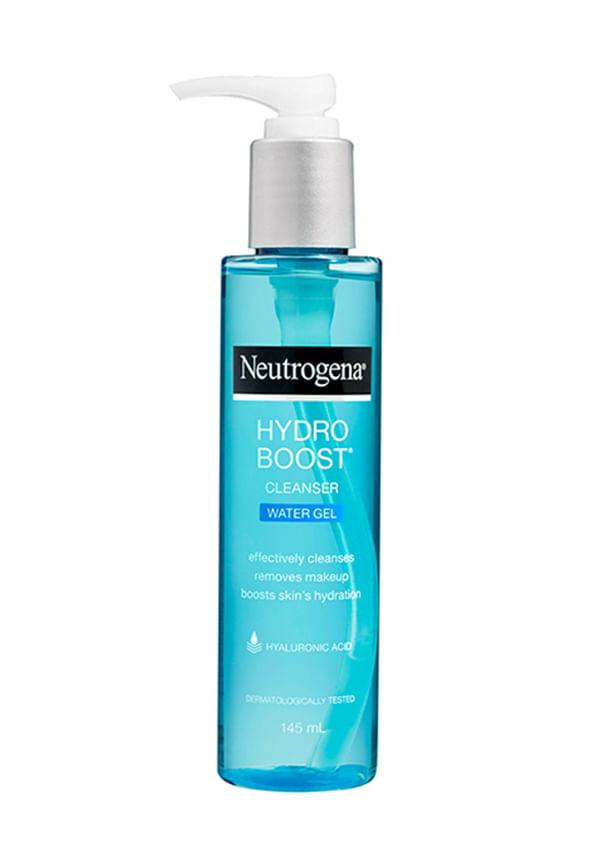
Hydro Boost Cleanser Water Gel With Hyaluronic Acid
Always apply hyaluronic acid to damp skin. This provides the moisture it needs to work effectively rather than pulling hydration from deeper skin layers. Pat your skin about 80% dry after cleansing, leaving it slightly damp before application.
Applying hyaluronic acid to completely dry skin can cause it to draw moisture from deeper layers of your skin, potentially leaving you feeling tighter and drier than before. This defeats the purpose of using a hydrating serum.
Wait about 30 seconds to one minute after applying your hyaluronic acid serum before following with moisturiser. You want it to absorb but not completely dry out before sealing in the hydration.
Yes, hyaluronic acid is gentle enough for twice-daily use. Apply it to damp skin both morning and evening as part of your regular skincare routine. Just ensure you're following with appropriate moisturiser and SPF during the day.
This usually indicates you're applying it to skin that's too dry, or you're in a very dry environment. Try the damp skin application method, and consider using a hydrating toner first to create more moisture for the hyaluronic acid to work with.
Getting your hyaluronic acid application technique right isn't complicated, but it makes all the difference between frustration and that bouncy, hydrated skin you're after. The damp skin method isn't just a skincare hack—it's working with the science of how humectants actually function.
Your skin will notice the difference when you start applying products in the right environment. Whether you're dealing with post-gym dehydration, air conditioning-induced dryness, or just want that everyday glow, proper application technique is your foundation for success. Remember, skincare isn't about having the most expensive products—it's about using what you have in the most effective way.
If you're curious about trying different hyaluronic acid formulations to find what works best for your skin, Smytten's curated selection includes options from trusted brands that you can explore before committing to full sizes. With over 28 million users discovering their perfect products through trial-sized options, it's a smart way to test different molecular weights and formulations until you find your ideal match.
