Skincare
•07 min read

 30ml
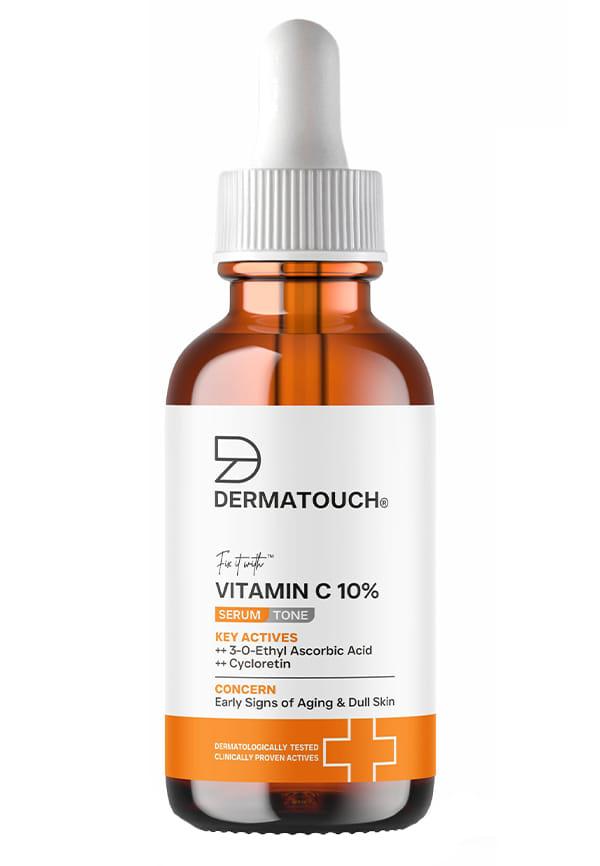
30mlVitamin C 10% Serum, For Anti-aging and Radiant Skin
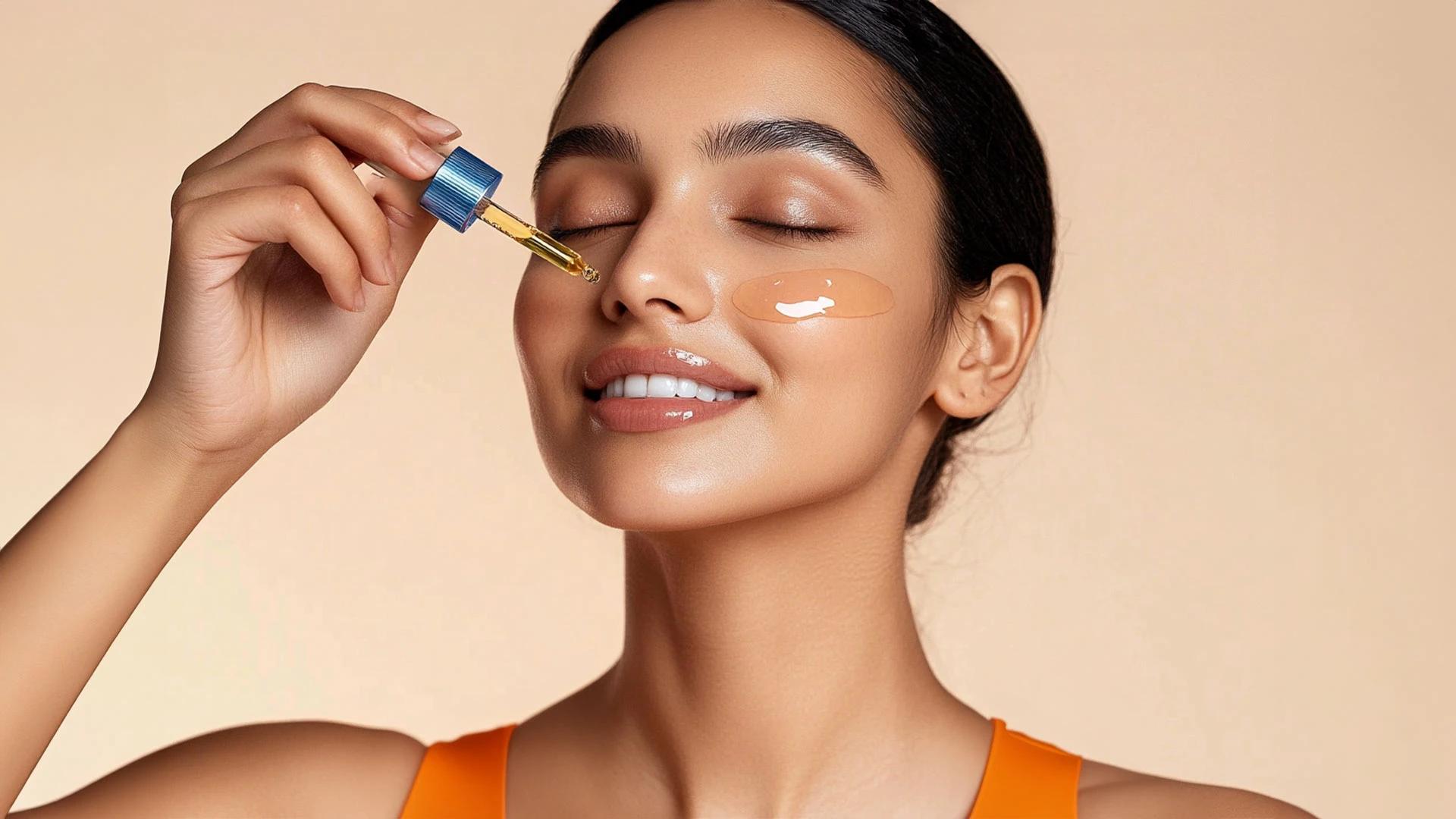
Let's be real—nobody wants to wake up one day and notice those first fine lines creeping in. The good news? You don't have to accept early aging as inevitable. Vitamin C for early aging prevention isn't just skincare hype; it's backed by solid science that shows how this powerhouse ingredient can genuinely help keep your skin looking youthful for longer. Think of vitamin C as your skin's personal bodyguard, fighting off the daily damage that leads to premature aging. Whether you're in your early twenties looking to prevent future damage or already spotting the first signs of aging, understanding how to use vitamin C properly could be your skin's best investment.
Here's where things get fascinating—vitamin C benefits for skin go way beyond just brightening your complexion. At the cellular level, this antioxidant works like a shield against free radicals, those unstable molecules that break down collagen and cause premature aging. When your skin faces daily stressors like UV rays, pollution, and even stress itself, free radicals multiply and start attacking healthy skin cells.
What makes vitamin C so brilliant for skin aging prevention is its dual action. First, it neutralises these damaging free radicals before they can wreak havoc. Second, it actively stimulates collagen production—that's the protein responsible for keeping your skin plump, firm, and wrinkle-free. Clinical studies have shown that consistent use of topical vitamin C can increase collagen synthesis by up to 8 times compared to untreated skin.
The photoprotective effects are equally impressive. While vitamin C isn't a substitute for SPF, it does provide an extra layer of defence against UV damage. Research indicates that when combined with vitamin E and ferulic acid, vitamin C can boost your skin's natural sun protection factor, helping prevent the photoaging that leads to dark spots and premature wrinkles.
Spotting the early warning signs is crucial for effective early aging treatment. The first culprits are usually fine lines around your eyes and mouth—those areas where your skin moves most throughout the day. These tiny creases form when collagen production starts slowing down, typically beginning in your mid-twenties.
Uneven skin tone and dark spots are another telltale sign. When your skin can't repair UV damage as efficiently as it once did, you'll notice patches of hyperpigmentation or a generally dull complexion. Loss of elasticity follows closely behind—your skin might not bounce back as quickly when you press it, or you might notice it's not as firm as it used to be.
The sweet spot for starting vitamin C and fine lines prevention is your early twenties, but it's never too late to begin. If you're already seeing signs of aging, vitamin C can still help improve existing damage while preventing further deterioration.
That lacklustre complexion you might be noticing? It's often one of the first signs that your skin's natural renewal process is slowing down. Vitamin C helps speed up cell turnover, revealing brighter, more radiant skin underneath.
Not all vitamin C skincare is created equal, and understanding the different forms can help you choose what works best for your skin. The gold standard is L-ascorbic acid—the most potent and well-researched form. It's what you'll find in most high-quality anti-aging serums, typically in concentrations ranging from 10% to 20%.
However, L-ascorbic acid can be quite potent and potentially irritating for sensitive skin. That's where vitamin C derivatives come in handy. Magnesium ascorbyl phosphate and sodium ascorbyl phosphate are gentler alternatives that convert to vitamin C once they penetrate your skin. They're more stable and less likely to cause irritation, making them perfect for beginners or those with reactive skin.
Serums typically offer higher concentrations and better penetration, making them ideal for targeted collagen boosting serum benefits. Creams provide more hydration and are better for dry skin types, though they usually contain lower vitamin C concentrations.
Vitamin C is notoriously unstable and can oxidise when exposed to light and air. Look for products in dark, airtight packaging, and avoid anything that's turned brown or yellow—that's a sign the vitamin C has degraded and lost its effectiveness.
 30 ml
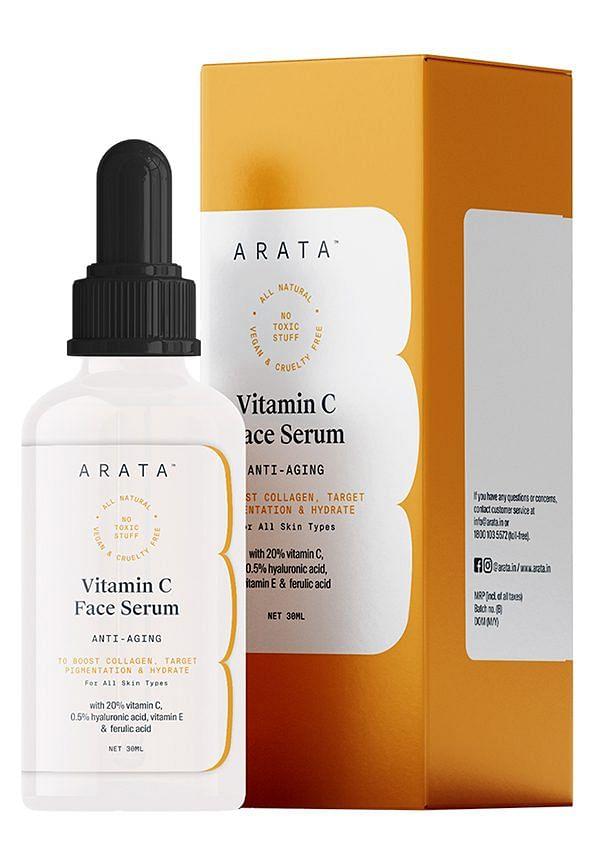
30 mlVitamin C Face Serum For Glowing Skin Anti-Aging, Boosts Collagen & Targets Pigmentation
Finding the best vitamin C serum for your skin isn't about grabbing the highest concentration you can find. It's about matching the formulation to your skin's specific needs and tolerance level. If you have sensitive skin, start with a derivative like magnesium ascorbyl phosphate at 5-10% concentration. For normal to oily skin, you can typically handle L-ascorbic acid at 10-15%.
Pay attention to the pH level—effective vitamin C serums should have a pH between 3.5 and 4.0 for optimal absorption. The ingredient list matters too. Look for serums that include vitamin E and ferulic acid, as these create a more stable and effective formula. Avoid products that mix vitamin C with retinol or benzoyl peroxide in the same formulation, as these can cause irritation or reduce effectiveness.
Quality indicators include airless pump packaging, clear concentration percentages, and third-party testing certifications. Be wary of products that don't list the exact type or percentage of vitamin C—transparency is key for achieving youthful skin.
Effective vitamin C serums don't have to break the bank. Focus on formulation quality rather than fancy packaging or celebrity endorsements. Sometimes, simpler formulations work better than complex ones loaded with multiple active ingredients.
Proper application can make or break your skincare for wrinkles routine. The golden rule for vitamin C is to apply it to clean, dry skin before any other products. This ensures maximum penetration and effectiveness. Most people benefit from morning application, as vitamin C provides antioxidant protection throughout the day when your skin faces environmental stressors.
Start with just 2-3 drops of serum—a little goes a long way. Gently pat it into your skin rather than rubbing, focusing on areas prone to aging like your forehead, around your eyes, and mouth. Wait 10-15 minutes before applying moisturiser and SPF to allow proper absorption.
Begin with every other day application for the first week, then gradually increase to daily use as your skin adjusts. This helps minimise potential irritation while building tolerance.
The correct order is: cleanser, vitamin C serum, hyaluronic acid (if using), moisturiser, then SPF. Never apply vitamin C over other active ingredients like retinol or AHAs in the same routine.
Don't mix vitamin C with niacinamide immediately—wait at least 30 minutes between applications. Also, avoid applying vitamin C to damp skin, as this can increase irritation risk.
The magic happens when you combine vitamin C with complementary ingredients and healthy lifestyle choices. Collagen boosting serum formulations often include vitamin E and ferulic acid because these ingredients stabilise vitamin C and enhance its antioxidant power. Hyaluronic acid is another fantastic partner, providing the hydration your skin needs to look plump and healthy.
Sun protection is non-negotiable when using vitamin C. While it provides some photoprotective benefits, you still need broad-spectrum SPF 30 or higher every single day. Think of vitamin C and SPF as the ultimate anti-aging power couple—one prevents damage while the other repairs it.
Don't forget about oral vitamin C through diet or supplements. While topical application targets skin directly, internal vitamin C supports overall collagen production and provides systemic antioxidant benefits for youthful skin.
 30 ml
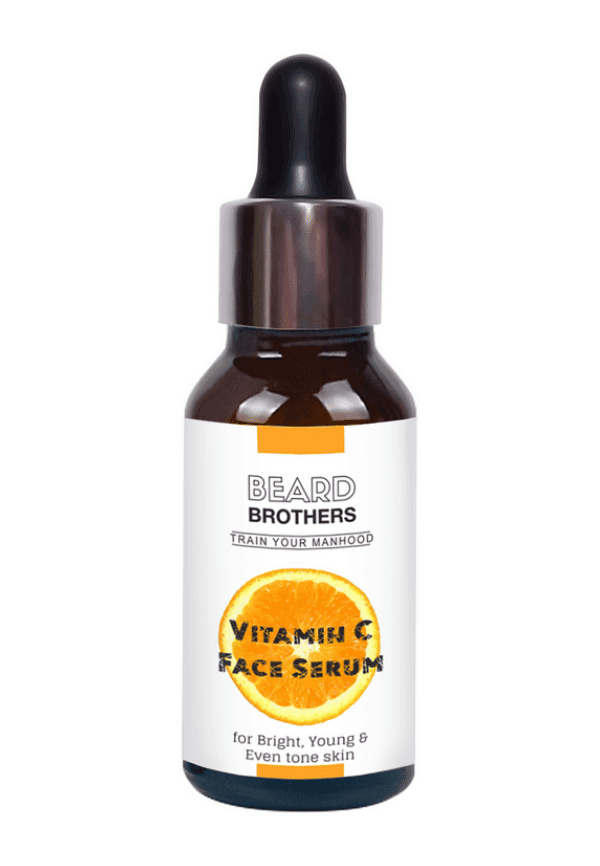
30 mlVitamin-C Serum for Men, Anti-Aging Anti-Wrinkle Facial Serum
Quality sleep, adequate hydration, and stress management all amplify vitamin C's anti-aging effects. Your skin repairs itself during sleep, so combining good rest with vitamin C creates optimal conditions for cellular renewal.
Most people notice brighter, more radiant skin within 2-4 weeks. Fine lines and texture improvements typically become visible after 8-12 weeks of consistent use. Remember, prevention is always easier than reversal, so patience and consistency are key.
When you're ready to explore vitamin C options, platforms like Smytten make it easy to try different formulations without committing to full-size products. With trial packs from trusted brands, you can discover which vitamin C serum works best for your skin before making a larger investment.
Yes, daily use is generally safe and most effective for vitamin C benefits for skin. Start with every other day if you have sensitive skin, then gradually increase to daily application as your skin builds tolerance.
L-ascorbic acid is the most potent form but can be irritating. Derivatives like magnesium ascorbyl phosphate are gentler and more stable, making them better for sensitive skin or beginners to vitamin C skincare.
Morning application is typically recommended because vitamin C provides antioxidant protection against daily environmental damage. However, if you experience irritation, evening use can be just as effective for early aging treatment.
True purging from vitamin C is rare since it's not an exfoliating ingredient. If you experience breakouts, it's more likely due to a reaction to other ingredients in the formula or using too high a concentration too quickly.
Brightness and radiance improvements typically appear within 2-4 weeks. For vitamin C and fine lines reduction, expect to see noticeable results after 8-12 weeks of consistent use.
It's best to use these ingredients at different times—vitamin C in the morning and retinol at night. Using them together can increase irritation risk and potentially reduce their effectiveness.
Using vitamin C for early aging prevention isn't just about adding another step to your skincare routine—it's about giving your skin the tools it needs to stay healthy and resilient for years to come. The science is clear: consistent use of quality vitamin C products can genuinely help prevent and improve signs of aging, from fine lines to uneven skin tone.
Remember, the best vitamin C routine is one you'll actually stick to. Start slowly, choose products that suit your skin type and budget, and be patient with the process. Your future self will thank you for the investment you're making today. With platforms like Smytten offering trial-sized versions of premium skincare brands, you can experiment with different vitamin C formulations until you find your perfect match—because why settle for maybe when you can try it all and find what truly works for your skin?
