How to Use Tranexamic Acid for Stubborn Dark Spots Effectively


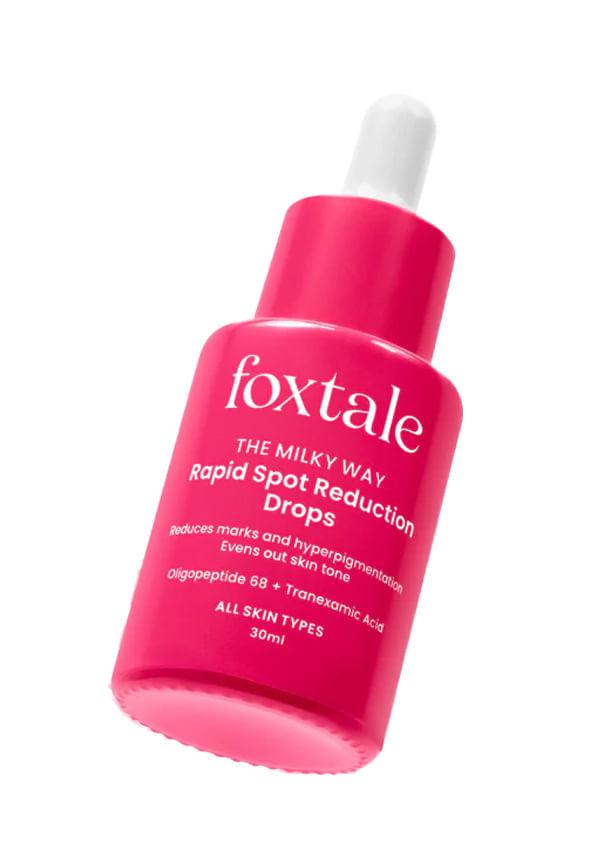 30 ml
30 ml3% Tranexamic Acid & Peptide Serum for Hyperpigmentation, Reduces Marks
Those stubborn dark spots that refuse to budge no matter what you throw at them? We've all been there. Whether it's leftover marks from breakouts, melasma that appeared during pregnancy, or sun damage from years past, hyperpigmentation can feel like an uphill battle. But here's where tranexamic acid for stubborn dark spots comes into play—a gentle yet powerful ingredient that's been quietly revolutionising skincare routines across the globe. Unlike harsh treatments that can irritate your skin, this synthetic amino acid works smartly to tackle dark spots at their source, making it worth a try for anyone dealing with persistent pigmentation issues.
Let's get real about what tranexamic acid actually is. Originally developed as a medication to reduce bleeding during surgeries, this synthetic derivative of the amino acid lysine found its way into skincare when researchers discovered its impressive tranexamic acid benefits for skin. Think of it as your skin's gentle bouncer—it stops melanin production from going into overdrive without causing the drama that comes with harsher alternatives.
The magic happens at the cellular level. Tranexamic acid works by blocking plasmin, an enzyme that triggers inflammation and melanin production. This dual action makes it particularly effective for hyperpigmentation treatment because it addresses both the inflammation that causes dark spots and the excess melanin that makes them visible. Unlike hydroquinone, which can be quite harsh and potentially cause rebound pigmentation, tranexamic acid offers a gentler approach that's suitable for long-term use.
Clinical studies have shown that tranexamic acid can reduce melanin synthesis by up to 50% when used consistently. What makes it even more appealing is its anti-inflammatory properties, which help calm irritated skin while working on pigmentation. This means you're not just treating the spots—you're also preventing new ones from forming.
Here's what makes tranexamic acid particularly brilliant for fading dark spots—it doesn't just work on the surface. Instead of simply lightening what's already visible, it tackles the root cause by preventing new melanin from forming and helping existing pigmentation fade naturally through your skin's renewal process.
The ingredient shows impressive results across different types of hyperpigmentation. For post-inflammatory hyperpigmentation (those marks left behind by spots), tranexamic acid helps reduce the inflammatory response that keeps producing excess melanin. When it comes to melasma treatment, particularly the stubborn kind triggered by hormones, it's shown to be remarkably effective because it addresses the vascular component that often makes melasma so persistent.
Real talk—patience is key with any dark spot treatment. With tranexamic acid, you might notice your skin looking brighter and more even within 2-4 weeks of consistent use. However, significant improvement in dark spots typically becomes visible around the 6-8 week mark. The beauty of this ingredient is that results tend to be long-lasting once achieved, unlike some treatments that require constant maintenance.
Tranexamic acid is particularly effective for melasma, post-inflammatory hyperpigmentation, and sun-induced dark spots. It's also shown promise for age spots and general skin discolouration, making it a versatile option for various pigmentation concerns.
Getting the most out of tranexamic acid skincare isn't just about slapping it on and hoping for the best. There's a proper way to incorporate it into your routine that maximises results while minimising any potential irritation.
Start by introducing tranexamic acid serum slowly into your routine. Begin with 2-3 applications per week, preferably in the evening, and gradually build up to daily use as your skin adjusts. This gentle approach helps prevent any initial sensitivity while allowing your skin to reap the full benefits.
If you prefer morning use, apply tranexamic acid after cleansing but before heavier serums or moisturisers. Always follow with a broad-spectrum SPF 30 or higher, as consistent sun protection is crucial for preventing new dark spots from forming.
Evening application is often preferred as it allows the ingredient to work overnight without sun exposure concerns. Apply 2-3 drops to clean skin, gently patting rather than rubbing to avoid irritation.
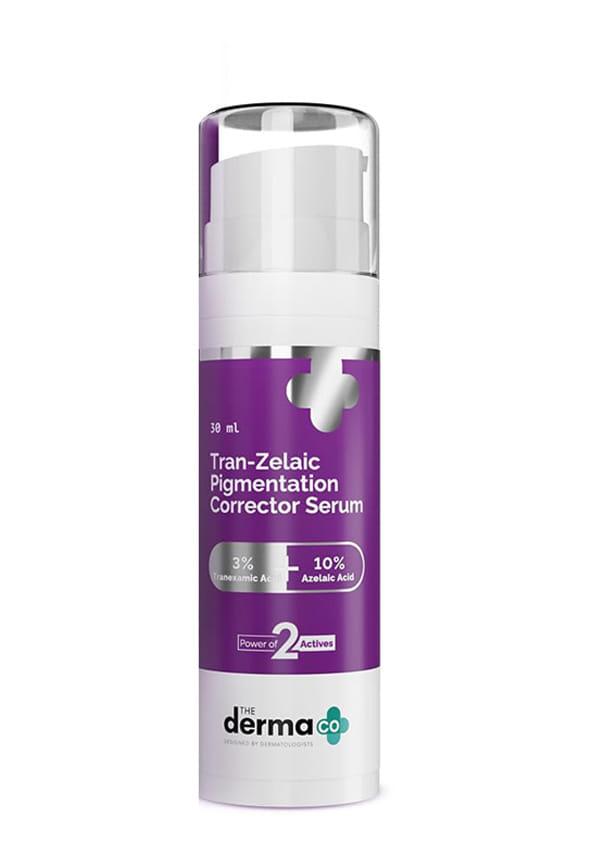 30 gm
30 gmTran-Zelaic Pigmentation Corrector Serum with Tranexamic Acid & Azelaic Acid
Tranexamic acid plays well with most ingredients. You can safely combine it with niacinamide for enhanced skin brightening effects, or layer it under vitamin C in the morning. However, start slowly when combining active ingredients to gauge your skin's tolerance.
Not all tranexamic acid products are created equal, and finding the best dark spot corrector for your specific needs requires understanding concentrations and formulations. Most effective products contain between 2-5% tranexamic acid, with beginners starting at the lower end of this range.
Serums tend to offer the highest concentration and fastest absorption, making them ideal for targeted treatment. However, if you have sensitive skin, starting with a moisturiser containing tranexamic acid might be a gentler introduction to the ingredient.
Look for formulations that combine tranexamic acid with soothing ingredients like centella asiatica or ceramides. These help buffer any potential irritation while still delivering effective results.
Lightweight, gel-based serums work best for oily skin types. Look for products that combine tranexamic acid with niacinamide or salicylic acid for additional pore-clearing benefits.
Cream-based formulations or serums with added hyaluronic acid provide the hydration dry skin needs while delivering the pigmentation-fighting benefits of tranexamic acid.
When it comes to tackling stubborn pigmentation, you've got options. But understanding how tranexamic acid stacks up against other popular treatments can help you make the right choice for your skin's needs.
Compared to hydroquinone, tranexamic acid offers a gentler approach with fewer side effects and no risk of rebound pigmentation. While hydroquinone might work faster for some people, tranexamic acid provides sustainable, long-term results without the potential for skin sensitisation that comes with prolonged hydroquinone use.
Retinol works by accelerating cell turnover, which can help fade dark spots over time. However, it can be quite irritating, especially for sensitive skin. Tranexamic acid offers a gentler alternative that specifically targets melanin production without the potential for irritation that comes with retinoids.
Vitamin C is excellent for prevention and mild pigmentation, but tranexamic acid tends to be more effective for stubborn, established dark spots. The good news? They work beautifully together when layered properly.
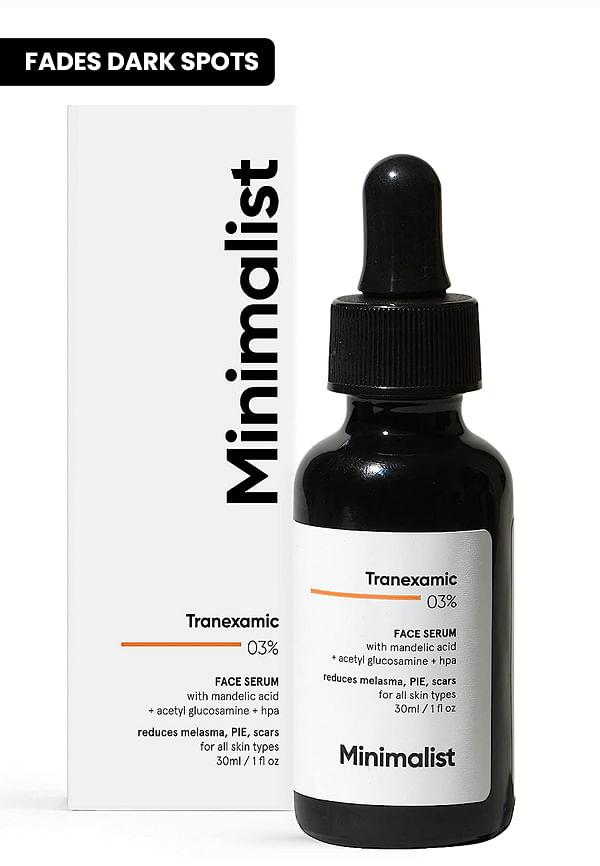 30 ml
30 ml3% Tranexamic Acid Face Serum
Many dermatologists recommend combining tranexamic acid with other ingredients for enhanced results. A routine that includes tranexamic acid, vitamin C, and consistent sun protection often yields the best outcomes for comprehensive pigmentation treatment.
One of the biggest advantages of tranexamic acid is its excellent safety profile. Unlike some other pigmentation treatments, it's generally well-tolerated by most skin types, including sensitive skin. However, as with any active ingredient, there are some considerations to keep in mind.
The most common side effect is mild irritation when first starting use, which typically subsides as your skin adjusts. Some people might experience slight redness or dryness, particularly if they're using a high concentration or applying it too frequently initially.
While tranexamic acid is generally safe, pregnant and breastfeeding women should consult their healthcare provider before use, as with any skincare active. People with a history of blood clotting disorders should also seek medical advice before incorporating tranexamic acid into their routine.
Always patch test new products containing tranexamic acid. Apply a small amount to your inner arm and wait 24-48 hours to check for any adverse reactions before applying to your face.
While tranexamic acid doesn't increase photosensitivity like some other actives, consistent sun protection is crucial for preventing new dark spots and protecting the progress you're making with treatment.
Getting the most out of your tranexamic acid routine goes beyond just applying the product. Consistency is absolutely key—sporadic use won't give you the results you're after. Set a routine and stick to it, whether that's morning, evening, or both.
Your lifestyle choices significantly impact how well tranexamic acid works. Daily sun protection, a healthy diet rich in antioxidants, and adequate sleep all support your skin's natural renewal process and help maximise the benefits of your dark spot treatment.
Week 1-2: Your skin might feel calmer and look slightly brighter as the anti-inflammatory effects kick in.
Week 3-4: You'll likely notice improved overall skin tone and the beginning of dark spot fading.
Week 6-8: Visible reduction in dark spots becomes apparent, with continued improvement in skin evenness.
3+ months: Maximum results are typically achieved, with significantly faded dark spots and improved overall skin clarity.
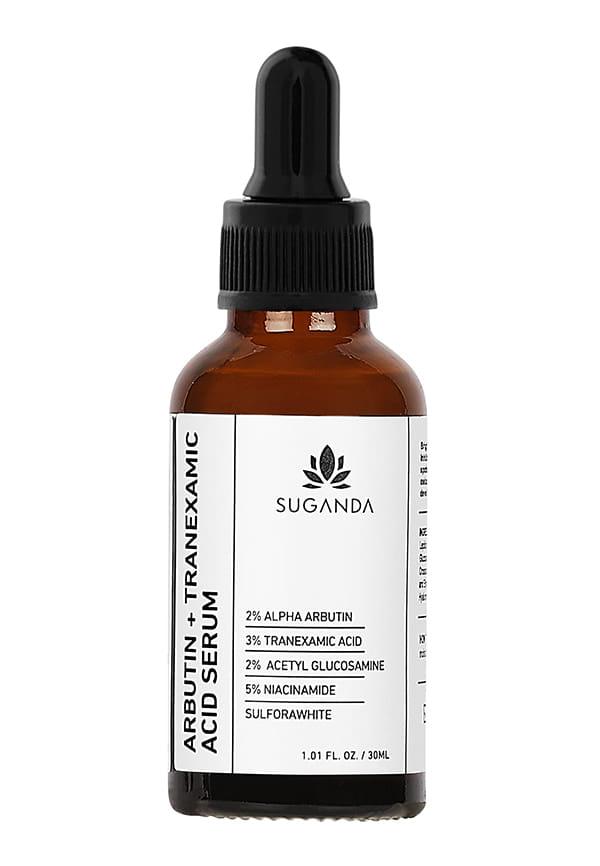 30 ml
30 mlArbutin + Tranexamic Acid Serum
If you don't see any improvement after 12 weeks of consistent use, or if your dark spots seem to be getting worse, it's worth consulting a dermatologist. Some types of pigmentation may require professional treatments or prescription-strength ingredients.
Once you've achieved your desired results, you can often reduce frequency to 3-4 times per week for maintenance. However, continuing with sun protection and a good skincare routine is essential for preventing new dark spots from forming.
Finding the right tranexamic acid product for your skin doesn't have to involve expensive trial and error. Smytten's curated trial packs let you explore different formulations from trusted brands without committing to full-size purchases. With options from over 1,500 brands and the ability to try up to 8 minis for just ₹249, you can discover your perfect dark spot treatment match while earning 100% cashback for future orders.
Tranexamic acid can significantly fade dark spots, with many people seeing 50-80% improvement in pigmentation. However, complete removal depends on factors like the depth and age of the spots, your skin type, and consistency of use. Most people achieve noticeable improvement within 6-8 weeks of regular use.
You might notice brighter, more even skin tone within 2-4 weeks, but significant dark spot fading typically becomes visible around 6-8 weeks. Maximum results usually occur after 3-6 months of consistent use. Patience is key—gradual improvement is more sustainable than quick fixes.
Both have their strengths. Tranexamic acid is gentler and specifically targets melanin production, making it ideal for sensitive skin or those who can't tolerate retinoids. Retinol works through cell turnover and can address multiple skin concerns but may cause irritation. Many people find success using both in their routine.
Yes, tranexamic acid and vitamin C work well together. Apply vitamin C in the morning and tranexamic acid in the evening, or layer them with vitamin C first, followed by tranexamic acid. Start slowly to ensure your skin tolerates the combination.
Tranexamic acid is generally well-tolerated by sensitive skin due to its anti-inflammatory properties. It's much gentler than hydroquinone or strong retinoids. However, always patch test first and start with lower concentrations or less frequent application to build tolerance.
Beginners should start with 2-3% concentration and use it 2-3 times per week initially. You can gradually increase frequency and concentration as your skin adjusts. Most effective products contain 2-5% tranexamic acid, with 3-5% being optimal for established dark spots.
Tranexamic acid represents a gentler yet effective approach to tackling stubborn dark spots that have resisted other treatments. Its unique ability to target melanin production while reducing inflammation makes it particularly valuable for those with sensitive skin or persistent pigmentation issues. The key to success lies in consistency, patience, and proper application—results don't happen overnight, but they tend to be long-lasting when achieved.
Remember that skincare is deeply personal, and what works brilliantly for one person might not be the perfect fit for another. That's where Smytten's approach to product discovery becomes invaluable. Rather than investing in full-size products that might not suit your skin, you can explore different tranexamic acid formulations through curated trial packs. With over 25 million users trusting the platform for smarter skincare choices, you can discover your ideal hyperpigmentation treatment without the guesswork. After all, why settle for maybe when you can try it all and find what truly works for your unique skin needs?
