How to Use Tranexamic Acid for Sensitive Skin Pigmentation


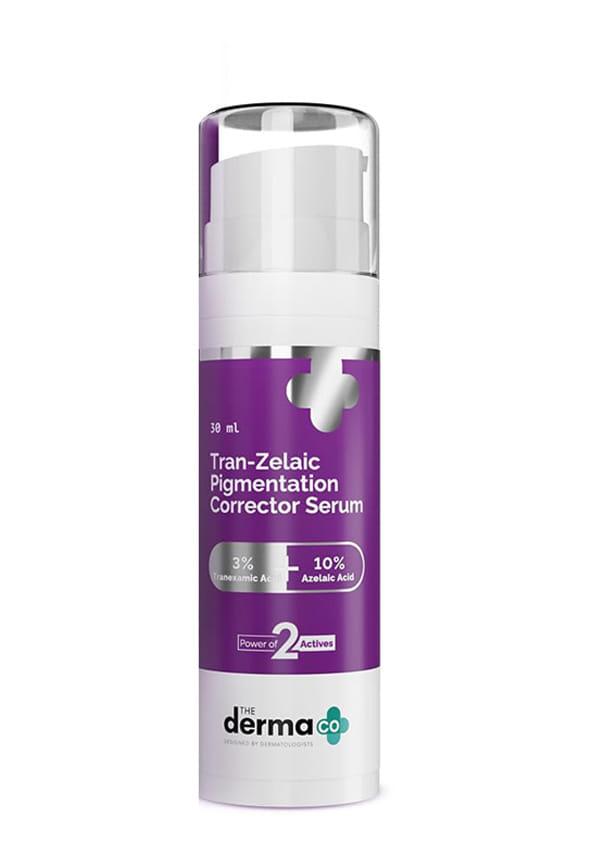
Tran-Zelaic Pigmentation Corrector Serum with Tranexamic Acid & Azelaic Acid
Dealing with sensitive skin hyperpigmentation feels like being stuck between a rock and a hard place. You want those dark spots gone, but most pigmentation treatments leave your skin angrier than before. Enter tranexamic acid for sensitive skin pigmentation—the gentle giant that's been quietly revolutionising how we tackle stubborn discolouration. Unlike harsh brightening agents that can trigger irritation, this ingredient works behind the scenes to fade pigmentation whilst actually calming your skin. Real talk: if you've been avoiding pigmentation treatments because your skin throws a tantrum at the slightest provocation, this might just be your game-changer.
Think of tranexamic acid as the diplomatic negotiator in your skincare routine. Originally developed as a medication to reduce bleeding, this amino acid derivative has found its calling in skincare by tackling pigmentation through multiple pathways. The tranexamic acid benefits go beyond just lightening—it actively reduces inflammation whilst blocking melanin production, making it ideal for reactive skin types.
Here's where things get interesting. Tranexamic acid doesn't just attack pigmentation from one angle—it's like having a multi-tool for your skin concerns:
Melanin inhibition: Blocks the enzyme plasmin, which triggers melanin production
Anti-inflammatory action: Reduces the inflammation that often worsens pigmentation
Vascular benefits: Improves blood flow, helping skin heal more effectively
Barrier support: Strengthens your skin's natural defence system
Let's be real—most pigmentation treatments are basically controlled irritation. Ingredients like hydroquinone and high-concentration acids can trigger the very inflammation that creates more pigmentation. It's a frustrating cycle where the cure becomes part of the problem.
Unlike vitamin C that can sting or retinoids that cause peeling, tranexamic acid takes a gentler approach. It works at a cellular level without disrupting your skin's surface, making it perfect for those who've been burned by harsh treatments before.
Not all pigmentation is created equal, and tranexamic acid's versatility makes it particularly effective for various types of discolouration. Whether you're dealing with hormonal changes or post-breakout marks, this ingredient adapts to your skin's specific needs.
Melasma is notoriously stubborn, especially when your skin is already sensitive. Melasma treatment with tranexamic acid offers hope because it addresses both the pigmentation and the inflammation that often accompanies hormonal changes. Studies show it can reduce melasma by up to 50% when used consistently.
Those dark spots left behind after breakouts? Tranexamic acid excels here because it tackles both the pigmentation and any lingering inflammation. The tranexamic acid for redness properties help calm irritated skin whilst gradually fading those stubborn marks.
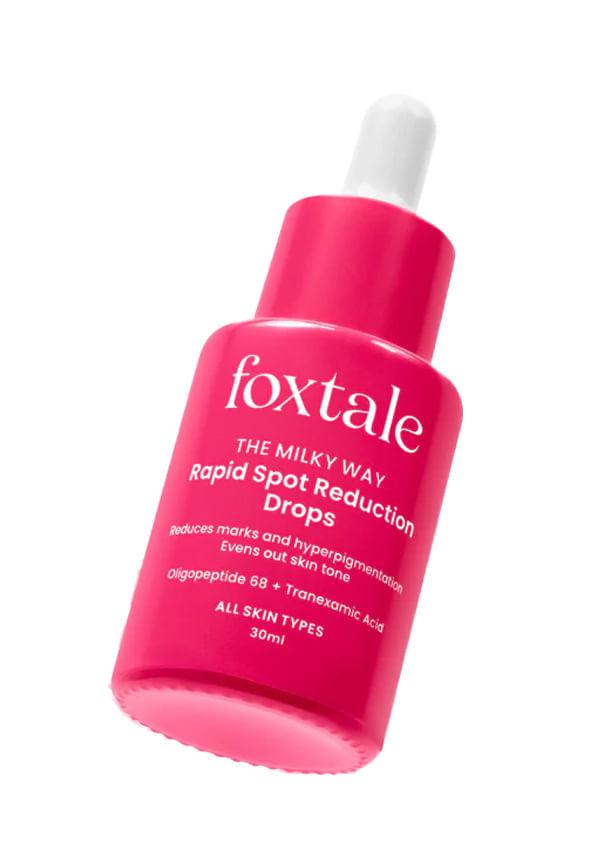
3% Tranexamic Acid & Peptide Serum for Hyperpigmentation, Reduces Marks
UV-induced pigmentation responds well to tranexamic acid's gentle approach. Unlike aggressive treatments that can further damage sun-compromised skin, this ingredient helps repair whilst preventing future damage.
Choosing the right tranexamic acid skincare product can make or break your results. The concentration, formulation, and additional ingredients all play crucial roles in how your sensitive skin responds to treatment.
A tranexamic acid serum typically offers the most targeted approach for pigmentation. Look for concentrations between 2-5% for sensitive skin—enough to be effective without overwhelming your skin's tolerance levels.
Serums: Best for targeted treatment, lighter texture
Creams: Ideal for dry, sensitive skin needing extra moisture
Oral supplements: Consult a dermatologist for systemic treatment options
The best skin brightening serum formulations pair tranexamic acid with complementary ingredients. Niacinamide strengthens your skin barrier, whilst hyaluronic acid provides essential hydration. These combinations create a gentler, more effective treatment approach.
Whilst tranexamic acid plays well with most ingredients, timing matters. Avoid using it simultaneously with high-concentration acids or retinoids initially. Your skin needs time to adjust to each active ingredient.
Starting any new pigmentation treatment requires patience and strategy, especially with sensitive skin. The key is introducing tranexamic acid gradually whilst monitoring your skin's response at every step.
Never skip the patch test—apply a small amount behind your ear or on your inner wrist for 48 hours. If there's no reaction, start with every third night for the first week, then gradually increase frequency as your skin adjusts.
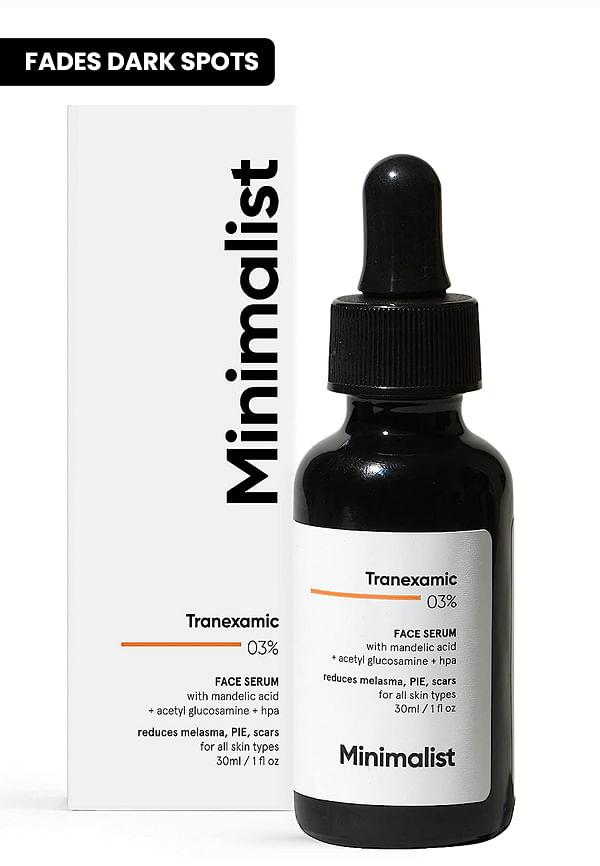
3% Tranexamic Acid Face Serum
For sensitive skin, evening application works best initially. Apply tranexamic acid after cleansing but before heavier moisturisers. Start with 2-3 times weekly and build up to daily use as tolerance improves.
Less is more with sensitive skin. Use 2-3 drops for your entire face, gently patting rather than rubbing. Focus on pigmented areas but don't neglect surrounding skin—uneven application can create patchy results.
Even gentle ingredients can cause adjustment periods, and knowing what to expect helps you stay on track. Most people experience minimal side effects with tranexamic acid, but being prepared ensures you don't panic at the first sign of change.
Mild tingling or slight redness during the first week is normal. However, persistent burning, excessive dryness, or worsening pigmentation signals you need to slow down or consult a professional.
Patience is crucial when using tranexamic acid to reduce skin discoloration. Initial improvements appear around 4-6 weeks, with significant changes visible after 3 months of consistent use. Remember, gentle treatments take time but offer lasting results.
Sun protection isn't optional—it's essential. Use broad-spectrum SPF 30+ daily, even indoors. Consider vitamin C in the morning for additional antioxidant protection, but introduce it slowly if you're already using tranexamic acid.
The best ingredients for pigmentation often work better together than alone. Creating a comprehensive routine that supports your skin barrier whilst targeting pigmentation requires careful planning and patience.
Tranexamic acid pairs beautifully with niacinamide—both ingredients support barrier function whilst addressing pigmentation. Hyaluronic acid provides essential hydration, whilst gentle peptides support skin repair processes.
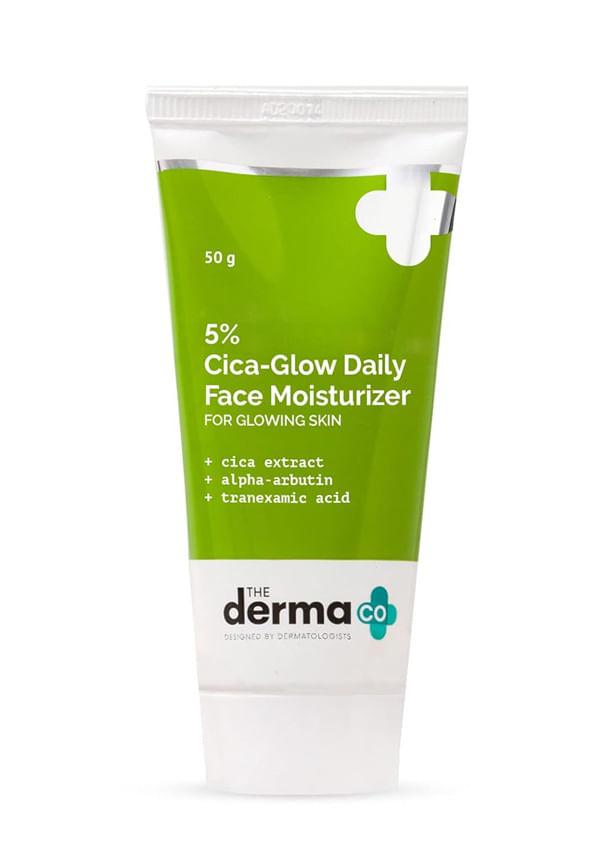
5% Cica-Glow Daily Face Moisturizer with Alpha Arbutin & Tranexamic Acid
LED light therapy and gentle chemical peels can enhance tranexamic acid's effects. However, space treatments appropriately and always inform your aesthetician about your current routine to avoid over-treatment.
Morning: gentle cleanser, vitamin C (if tolerated), moisturiser, SPF. Evening: gentle cleanser, tranexamic acid serum, nourishing moisturiser. Weekly: gentle exfoliation with lactic acid or enzymes.
When exploring new pigmentation treatments, platforms like Smytten make it easier to find your perfect match. With curated trial packs from trusted brands, you can test different tranexamic acid formulations before committing to full-size products. This approach is particularly valuable for sensitive skin, where finding the right product can take several attempts.
Absolutely. Tranexamic acid is one of the gentlest pigmentation-fighting ingredients available. Its anti-inflammatory properties actually help calm sensitive skin whilst addressing discolouration. Start slowly and patch test first.
Most people notice initial improvements around 4-6 weeks, with significant results after 3-4 months of consistent use. Sensitive skin may take slightly longer as you'll likely start with lower frequencies.
For sensitive skin, tranexamic acid is often the better choice initially. It's gentler and less likely to cause irritation. Once your skin builds tolerance, you might consider adding retinol for additional anti-ageing benefits.
Yes, tranexamic acid is safe for long-term use. Many people continue using it as maintenance therapy even after achieving their desired results to prevent new pigmentation from forming.
Tranexamic acid works by blocking melanin production and reducing inflammation, whilst vitamin C prevents oxidation and supports collagen production. Tranexamic acid is typically gentler for sensitive skin.
Tranexamic acid for sensitive skin pigmentation represents a breakthrough for those who've struggled with harsh treatments. Its gentle yet effective approach makes it possible to address stubborn discolouration without compromising your skin's health. Remember, consistency trumps intensity—slow and steady wins the pigmentation race.
The key to success lies in choosing quality formulations and introducing them gradually. With platforms offering trial-sized products, you can explore different options without the commitment of full-size purchases. After all, why settle for maybe when you can try different formulations and find what truly works for your unique skin needs?
