
Skincare
•07 min read

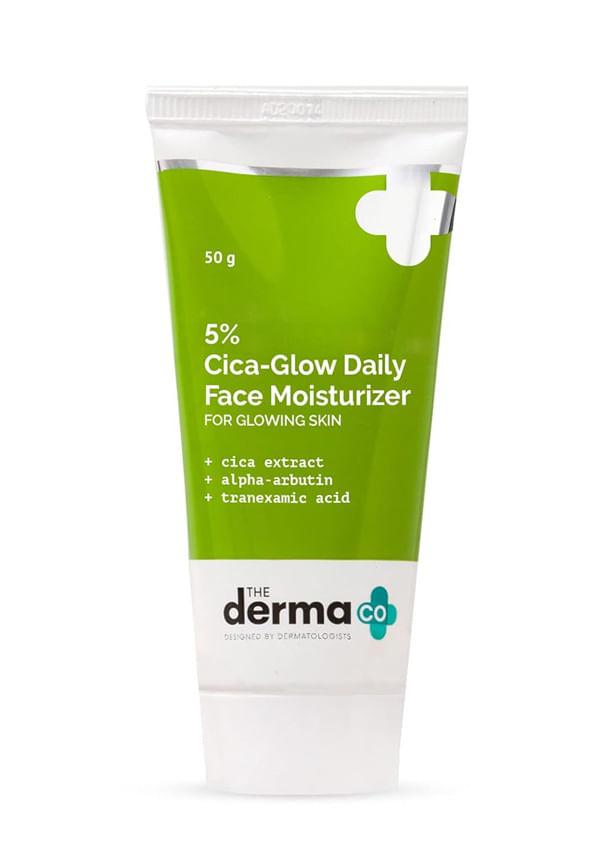 50 gm
50 gm5% Cica-Glow Daily Face Moisturizer with Alpha Arbutin & Tranexamic Acid
Post acne marks can be proper stubborn, can't they? Those dark spots that linger long after your breakout has cleared, making your skin look uneven and dull. If you've been dealing with hyperpigmentation from old acne, you've probably heard whispers about tranexamic acid being the new game-changer. Real talk—this ingredient has been quietly revolutionising how we tackle post acne pigmentation, and it might just become your skin's new best friend.
Let's break down what tranexamic acid actually is before diving into the good stuff. Originally developed as a medication to control bleeding, this clever ingredient found its way into skincare when researchers discovered its impressive ability to tackle skin discoloration. Unlike harsh bleaching agents, tranexamic acid works by gently interrupting the process that creates those pesky dark spots in the first place.
Here's where it gets interesting—tranexamic acid doesn't just mask pigmentation; it actually stops it from forming. The ingredient works by blocking plasmin, an enzyme that triggers inflammation and melanin production. When your skin gets inflamed from acne, it goes into overdrive producing melanin, which creates those dark marks. Tranexamic acid essentially tells your skin to chill out and stop overproducing pigment.
What makes this particularly brilliant for post acne marks is its anti-inflammatory properties. It's not just about pigmentation correction—it's about preventing future discoloration whilst treating existing spots. Think of it as your skin's personal bodyguard against uneven skin tone.
The science behind tranexamic acid benefits is pretty solid. Studies show it can reduce melanin production by up to 50%, making it incredibly effective for treating post-inflammatory hyperpigmentation. What's even better? It's gentler than many traditional treatments, so you're less likely to experience irritation or dryness.
Unlike some hyperpigmentation treatments that can be quite harsh, tranexamic acid plays well with most skin types. It's particularly effective for those stubborn marks that seem to stick around forever, gradually fading them without causing additional sensitivity.
Not all tranexamic acid products are created equal, and knowing which type suits your needs can make all the difference. You'll typically find this ingredient in two main forms, each with its own perks and considerations.
Topical tranexamic acid is your go-to for targeted treatment. You'll find it in serums, creams, and even some cleansers, typically ranging from 2% to 5% concentration. For beginners, starting with a lower concentration (around 2%) is your safest bet—you can always work your way up as your skin gets used to it.
Serums tend to be the most popular choice because they penetrate deeper and deliver the ingredient more effectively. Look for formulations that combine tranexamic acid with other skin brightening ingredients like niacinamide or vitamin C for enhanced results.
Oral tranexamic acid is typically prescribed by dermatologists for more severe cases of pigmentation. The usual dosage ranges from 500-1500mg daily, but this should always be determined by a healthcare professional. Oral treatment can be more effective for widespread pigmentation issues, but it requires medical supervision due to potential side effects.
Most people find success with topical applications alone, so don't feel like you need to jump straight to oral treatment. It's worth trying topical options first and seeing how your skin responds.
Ready to give tranexamic acid a proper go? Here's how to incorporate it into your routine without overwhelming your skin. The key is starting slowly and building up gradually—your skin will thank you for the gentle approach.
Before diving in, take a good look at your skin and identify the areas you want to target. Post acne marks typically appear as flat, discoloured spots rather than raised scars. If you're dealing with textural issues, you might need a different approach altogether.
Always do a patch test first—apply a small amount to your inner arm and wait 24 hours to check for any reactions. This is especially important if you have sensitive skin or are prone to allergic reactions.
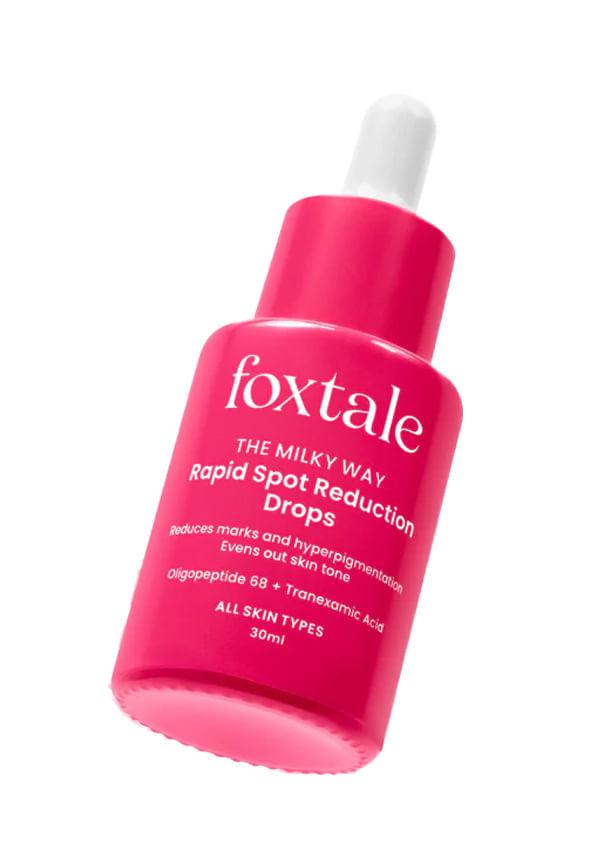 30 ml
30 ml3% Tranexamic Acid & Peptide Serum for Hyperpigmentation, Reduces Marks
Start by using tranexamic acid every other evening, after cleansing but before moisturiser. Apply a thin layer to the affected areas—a little goes a long way with this ingredient. If you're using a serum, 2-3 drops should be plenty for your entire face.
Morning application is also fine, but you'll need to be extra diligent about sun protection. Tranexamic acid doesn't make your skin photosensitive like some ingredients, but protecting your skin from UV damage is crucial for preventing new pigmentation from forming.
The beauty of tranexamic acid is how well it plays with other ingredients. You can safely combine it with vitamin C in the morning for extra skin brightening power, or use it alongside niacinamide for enhanced anti-inflammatory benefits.
Avoid using it with strong acids like glycolic or salicylic acid initially—your skin might find this combination too intense. Once your skin adjusts (usually after 4-6 weeks), you can gradually introduce other active ingredients if needed.
Let's set realistic expectations here—skincare isn't magic, and good things take time. With tranexamic acid, patience is definitely a virtue, but the results are worth the wait.
In the first month, you might notice your skin looking a bit brighter overall, but don't expect dramatic changes just yet. Some people see subtle improvements in their post acne marks around the 6-week mark, whilst others need a bit longer.
Your skin might go through a brief adjustment period where it looks slightly different—this is totally normal. Stick with it, and don't be tempted to increase frequency or concentration too quickly.
The real magic happens between 8-16 weeks of consistent use. This is when you'll likely see significant fading of your post acne marks and a more even skin tone overall. Some stubborn marks might take up to 6 months to fade completely, but most people see substantial improvement by the 3-month mark.
Once you've achieved your desired results, you can reduce frequency to maintain the benefits. Many people find that using tranexamic acid 2-3 times per week is enough to keep their skin looking clear and even.
Wondering how tranexamic acid stacks up against other popular pigmentation fighters? Let's break down the competition and see where this ingredient truly shines.
Retinol is often considered the gold standard for skin concerns, but it can be quite harsh, especially for sensitive skin. Tranexamic acid offers similar pigmentation-fighting benefits without the irritation, making it a brilliant alternative for those who can't tolerate retinoids.
Hydroquinone is incredibly effective but comes with potential side effects and isn't suitable for long-term use. Tranexamic acid provides a gentler, safer option for ongoing maintenance of clear, even skin.
Sometimes, combining treatments gives you the best results. Tranexamic acid pairs beautifully with azelaic acid for enhanced anti-inflammatory benefits, or with vitamin C for extra antioxidant protection.
Professional treatments like chemical peels or laser therapy can work alongside topical tranexamic acid to accelerate results. Many dermatologists recommend using tranexamic acid as part of a comprehensive approach to pigmentation correction.
One of the best things about tranexamic acid is how well-tolerated it generally is. However, like any active ingredient, there are a few things to keep in mind to ensure you're using it safely.
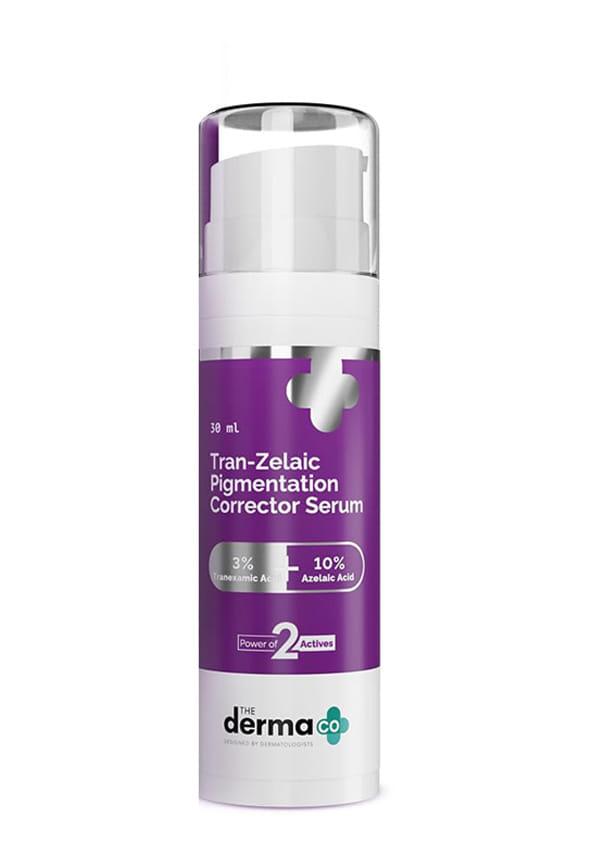 30 gm
30 gmTran-Zelaic Pigmentation Corrector Serum with Tranexamic Acid & Azelaic Acid
Most people experience minimal side effects with topical tranexamic acid. Some might notice slight dryness or mild irritation when first starting, but this usually settles within a week or two. If irritation persists, try reducing frequency or switching to a lower concentration.
Rarely, some people might experience allergic reactions. If you notice persistent redness, swelling, or itching, discontinue use and consult a dermatologist.
Pregnant and breastfeeding women should avoid oral tranexamic acid, though topical use is generally considered safe. If you have a history of blood clots or are taking blood-thinning medications, consult your doctor before using any form of tranexamic acid.
People with very sensitive skin should start with the lowest concentration possible and build up gradually. When in doubt, it's always worth checking with a dermatologist first.
With so many tranexamic acid products flooding the market, finding the right one can feel overwhelming. The good news? You don't have to commit to full-size products straight away. Smytten's trial packs let you test different formulations from trusted brands like Dot & Key and other skincare favourites before making a bigger investment.
This approach is particularly brilliant when you're dealing with post acne pigmentation—what works for your friend might not work for your skin, and that's totally normal. Being able to try multiple products helps you find your perfect match without the financial stress of buying full sizes that might not suit you.
Absolutely! Tranexamic acid is particularly effective for post-inflammatory hyperpigmentation caused by acne. Its anti-inflammatory properties help prevent new dark spots whilst gradually fading existing ones.
Most people start seeing improvements around 6-8 weeks, with significant results typically visible by 12-16 weeks. Patience is key—consistent use over several months gives the best results.
Yes, once your skin has adjusted to it. Start with every other day for the first few weeks, then gradually increase to daily use if your skin tolerates it well.
Both are effective, but tranexamic acid is generally gentler and better suited for sensitive skin. Retinol might work faster but can cause more irritation. The choice depends on your skin's tolerance and specific needs.
A combination approach works best: consistent use of tranexamic acid, proper sun protection, gentle exfoliation, and patience. Consider adding vitamin C and niacinamide to boost results.
Tranexamic acid for post acne pigmentation isn't just another skincare trend—it's a genuinely effective ingredient that can transform your skin's appearance over time. The key is consistency, patience, and finding the right formulation for your skin type.
Remember, skincare is deeply personal, and what works brilliantly for others might need tweaking for your skin. That's where platforms like Smytten become invaluable—with over 1,500 trusted brands and the ability to try products before committing to full sizes, you can explore different tranexamic acid formulations without the guesswork. After all, why settle for 'maybe' when you can try it all and find what actually works for your unique skin needs?
