How to Use Tranexamic Acid for Hyperpigmentation Effectively


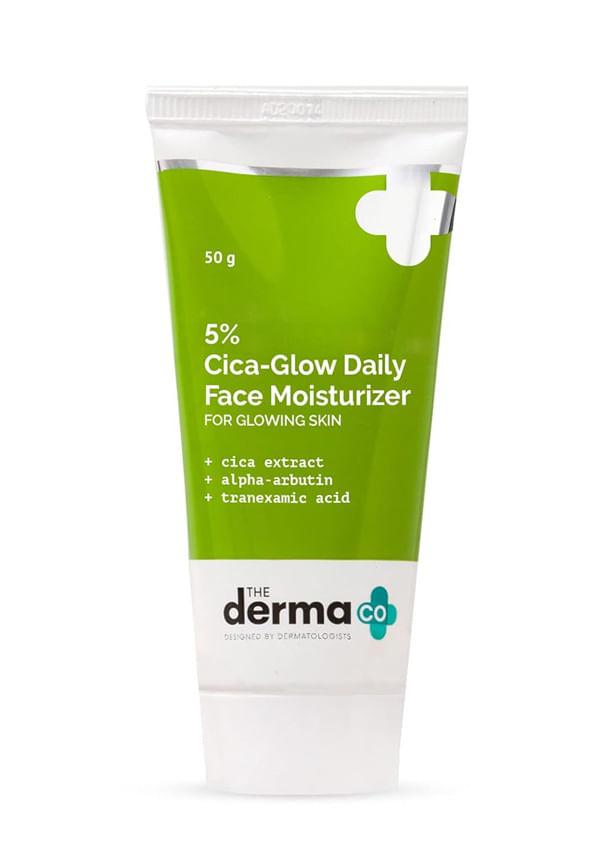 50 gm
50 gm5% Cica-Glow Daily Face Moisturizer with Alpha Arbutin & Tranexamic Acid
You've probably stared at those stubborn dark spots in the mirror, wondering if there's something new that actually works. Enter tranexamic acid — the ingredient that's been quietly revolutionising hyperpigmentation treatment. Originally used in hospitals to control bleeding, this powerhouse has found its way into skincare with impressive results for melasma, post-inflammatory hyperpigmentation, and uneven skin tone. If you're tired of playing ingredient roulette with your dark spots, understanding how to use tranexamic acid effectively might just be the game-changer your routine needs.
Real talk: tranexamic acid benefits go beyond typical brightening ingredients because of how it works at the cellular level. Unlike vitamin C or kojic acid that primarily target existing melanin, topical tranexamic acid actually interrupts the conversation between skin cells that leads to pigment production in the first place. The magic happens through plasmin inhibition — essentially, tranexamic acid blocks certain enzymes that trigger melanocytes (pigment-producing cells) to go into overdrive. Clinical studies show this mechanism is particularly effective for melasma, where hormonal triggers often make other treatments less reliable. Research published in dermatology journals demonstrates that 2-3% tranexamic acid formulations can reduce melasma severity by up to 40% over 12 weeks. What makes tranexamic acid skincare particularly exciting is its gentleness compared to hydroquinone. You get significant brightening power without the irritation or potential rebound hyperpigmentation that stronger bleaching agents sometimes cause. Many dermatologists now consider it a first-line treatment for sensitive skin types dealing with stubborn pigmentation.
Not all tranexamic acid products are created equal, and understanding tranexamic acid formulation considerations helps you choose wisely. The concentration sweet spot sits between 2-5% for most skin types — enough to see results without overwhelming sensitive skin. Stability is crucial here. Tranexamic acid serum formulations need careful pH balancing (ideally between 5.0-7.0) to remain effective. Look for products that include chelating agents like EDTA, which prevent the ingredient from breaking down when exposed to light or air. Some brands use encapsulation technology to protect the active ingredient until it reaches your skin.
When shopping for tranexamic acid products, check for these formulation features:
Dark or opaque packaging to protect from light degradation
Airless pump dispensers that minimise oxidation
Complementary ingredients like niacinamide or sodium hyaluronate
Clear concentration listing (avoid products that don't specify percentages)
The texture matters too. Lightweight serums tend to penetrate better than heavy creams, making them ideal for layering under moisturiser and SPF during your morning routine.
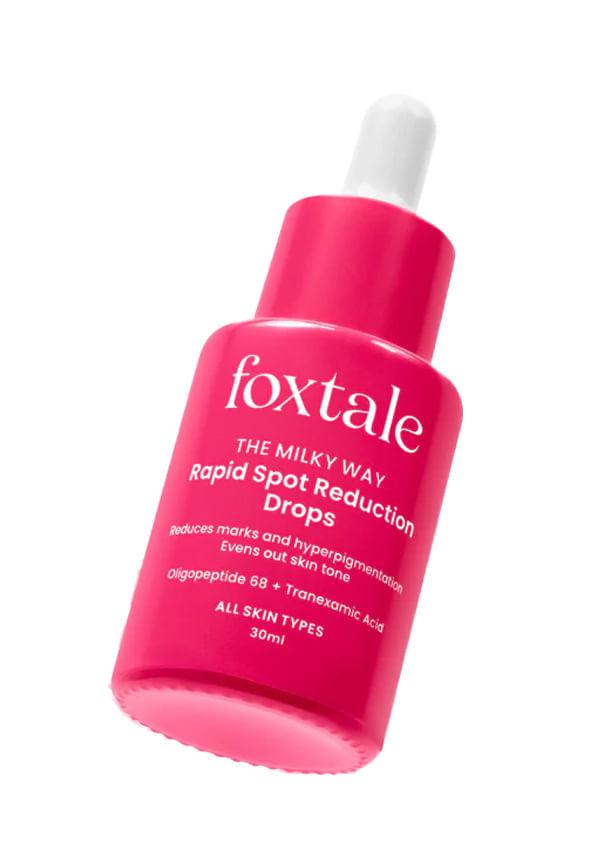 30 ml
30 ml3% Tranexamic Acid & Peptide Serum for Hyperpigmentation, Reduces Marks
Tranexamic acid uses extend beyond just treating existing dark spots. This ingredient shines particularly bright for tranexamic acid for melasma — those symmetrical patches that often appear during pregnancy or with hormonal changes. Unlike some treatments that can worsen melasma with sun exposure, tranexamic acid actually helps prevent new pigmentation from forming. Post-inflammatory hyperpigmentation (PIH) from acne responds beautifully to consistent tranexamic acid use. Those lingering marks from summer breakouts or hormonal spots often fade more predictably with this ingredient than with vitamin C alone. The key is patience — PIH typically takes 8-12 weeks to show significant improvement.
Smart skincare enthusiasts use tranexamic acid proactively, especially during periods when pigmentation tends to flare up. Think pre-summer prep, hormonal cycle management, or post-procedure care after treatments like chemical peels or laser therapy. For sun spots and age spots, tranexamic acid works gradually but effectively. The results might not be as dramatic as with stronger treatments, but the gentleness makes it suitable for long-term use without the concern of skin thinning or sensitivity that comes with some alternatives.
Getting your tranexamic acid dosage and application right makes all the difference between seeing results and wondering why nothing's happening. Start with once daily application, preferably in the evening, to gauge your skin's response. Tranexamic acid serum application is straightforward: cleanse, apply 2-3 drops to affected areas, wait for absorption, then follow with moisturiser. If you're using it in the morning, SPF becomes non-negotiable — not because tranexamic acid increases photosensitivity, but because UV exposure can trigger new pigmentation.
Tranexamic acid cream formulations work well for dry skin types or those who prefer fewer layering steps. The trade-off is typically lower concentration and slower penetration compared to serums. Creams excel for overnight treatment when your skin has hours to absorb the active ingredients without interference from makeup or environmental factors. For combination or oily skin, serums remain the gold standard. They layer beautifully under other products and won't contribute to congestion around the T-zone where many people experience both oiliness and pigmentation concerns.
The good news about tranexamic acid side effects is that they're relatively rare with topical use. Most people tolerate it well, even those with sensitive skin who struggle with other brightening ingredients. Mild irritation or dryness can occur during the first few weeks, particularly if you're also using retinoids or AHAs. However, there are important safety considerations. Pregnant and breastfeeding women should avoid tranexamic acid due to its systemic effects when used orally (though topical absorption is minimal, it's better to err on caution). People with a history of blood clotting disorders should consult their dermatologist before starting any tranexamic acid routine.
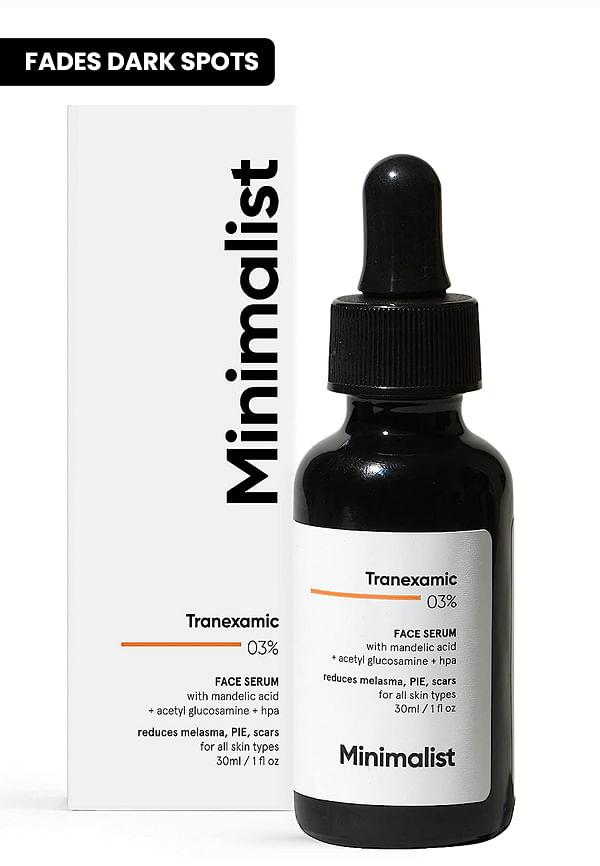 30 ml
30 ml3% Tranexamic Acid Face Serum
Always patch test new tranexamic acid products behind your ear or on your inner wrist for 24-48 hours. Look for redness, itching, or unusual reactions before applying to your face. If you experience persistent irritation, reduce frequency or concentration rather than stopping entirely — sometimes skin just needs time to adjust.
The beauty of tranexamic acid lies in how well it plays with other ingredients. Niacinamide and tranexamic acid make an excellent duo — niacinamide helps with overall skin texture while tranexamic acid targets pigmentation specifically. Many people see enhanced results when using both consistently. Vitamin C during the day and tranexamic acid at night creates a comprehensive brightening routine without overwhelming your skin. Just avoid mixing them in the same application, as the pH requirements differ slightly.
Be cautious with strong exfoliating acids (glycolic, salicylic) during your first month of tranexamic acid use. Your skin needs time to adjust, and over-exfoliation can actually worsen hyperpigmentation. Retinoids can be introduced gradually after your skin tolerates tranexamic acid well. Realistic expectations matter here. Most people notice subtle improvements around week 4-6, with significant changes becoming apparent by week 8-12. Melasma and deeper pigmentation may take longer — sometimes 16-20 weeks for substantial improvement.
Effective tranexamic acid formulations require careful attention to pH stability (5.0-7.0), appropriate concentration (2-5%), and protective packaging. Look for products with chelating agents and consider encapsulated formulations for enhanced stability and penetration.
Monitor for any unusual skin reactions, particularly during the first month. Watch for excessive dryness, irritation, or paradoxical darkening of pigmentation. If you have a history of blood clotting issues, consult your healthcare provider before starting treatment.
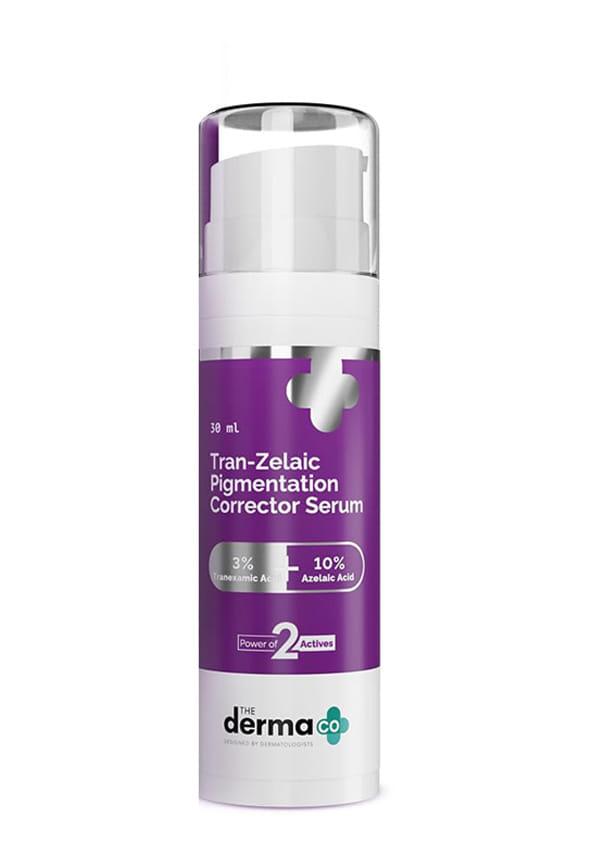 30 gm
30 gmTran-Zelaic Pigmentation Corrector Serum with Tranexamic Acid & Azelaic Acid
Yes, most people can use tranexamic acid daily once their skin adjusts. Start with every other day for the first two weeks, then gradually increase to daily use if no irritation occurs. Some people prefer twice-daily application for stubborn pigmentation.
Topical tranexamic acid should be avoided during pregnancy and breastfeeding as a precautionary measure. While systemic absorption is minimal with topical use, the oral form affects blood clotting, so it's better to choose pregnancy-safe alternatives like vitamin C or azelaic acid.
Most people see initial improvements around 4-6 weeks, with significant results by 8-12 weeks of consistent use. Melasma and deeper pigmentation may require 16-20 weeks. Results depend on pigmentation type, skin type, and consistent product use.
Yes, but introduce them gradually. Use tranexamic acid for 4-6 weeks first, then slowly add retinol on alternate nights. Once your skin tolerates both, you can use tranexamic acid in the morning and retinol at night for comprehensive anti-ageing and brightening benefits.
Tranexamic acid for hyperpigmentation represents a gentler yet effective approach to achieving more even skin tone. Its unique mechanism of action, combined with excellent tolerability, makes it worth adding to your routine if you're dealing with stubborn dark spots, melasma, or post-inflammatory hyperpigmentation. The key to success lies in choosing well-formulated products, starting slowly, and maintaining realistic expectations about timeline. Remember that consistency trumps intensity — gentle, daily use typically yields better long-term results than aggressive, sporadic treatment. Smytten Shop offers curated selections from trusted skincare brands, making it easier to find quality tranexamic acid formulations without the guesswork. With over 28 million users discovering their perfect products through the platform, you're in good company when exploring new ingredients for your skincare journey. If you're curious about trying tranexamic acid but want to test before committing to full-size products, Smytten also offers minis from many leading brands — a smart way to discover what works for your unique skin needs.
