How to Use Tranexamic Acid for Even Skin Tone


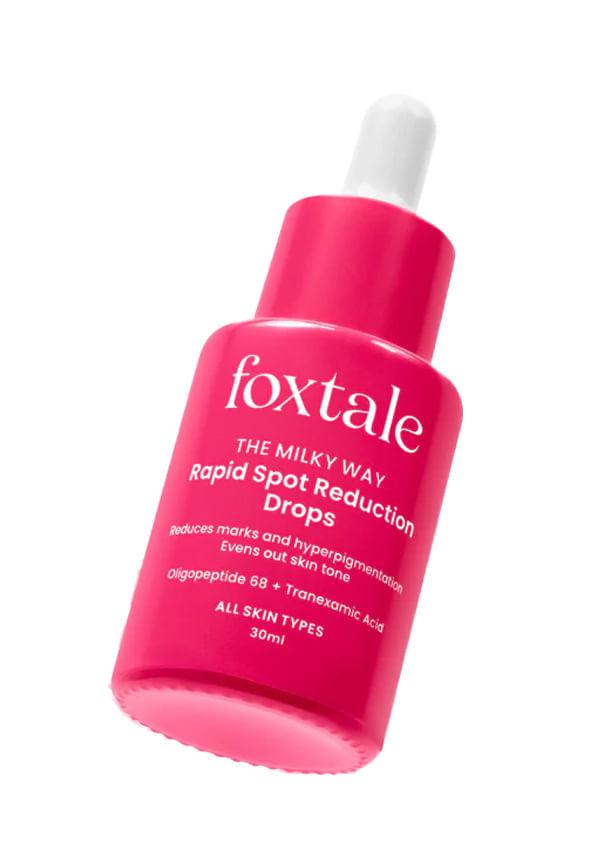 30 ml
30 ml3% Tranexamic Acid & Peptide Serum for Hyperpigmentation, Reduces Marks
Dealing with uneven skin tone can feel like an endless battle, especially when dark spots and patches seem to appear out of nowhere. Whether it's stubborn melasma, post-acne marks, or sun damage that's been hanging around way too long, finding the right solution can be overwhelming. Enter tranexamic acid—a game-changing ingredient that's been quietly revolutionising skincare routines worldwide. Unlike harsh treatments that leave your skin feeling raw, this gentle yet effective acid works behind the scenes to tackle hyperpigmentation at its source. Real talk: it might just become your new fave for achieving that even, radiant complexion you've been dreaming of.
Let's break down the science without getting too technical. Tranexamic acid is a synthetic amino acid that was originally developed to prevent excessive bleeding during medical procedures. But here's where it gets interesting—researchers discovered it had some pretty impressive tranexamic acid benefits for skin too.
The magic happens at the cellular level. When your skin gets irritated or inflamed (think acne, sun exposure, or hormonal changes), it triggers a cascade of reactions that ultimately lead to excess melanin production. Tranexamic acid steps in like a bouncer at an exclusive club, blocking the pathways that allow this pigment transfer to happen.
Unlike vitamin C or kojic acid that work on the surface, tranexamic acid tackles the root cause of pigmentation. It specifically targets the plasmin pathway, which is responsible for inflammation-induced melanin production. This makes it particularly brilliant for treating stubborn pigmentation that doesn't respond well to other treatments.
If your dark spots tend to appear after breakouts or skin irritation, tranexamic acid might be your skin's new best friend. It's especially effective because it addresses both the inflammation and the resulting pigmentation in one go.
The beauty of tranexamic acid skincare lies in its versatility. It's not just a one-trick pony—this ingredient can tackle multiple types of pigmentation issues that contribute to uneven skin tone.
Melasma can be particularly stubborn because it's often triggered by hormonal changes. Clinical studies show that tranexamic acid can reduce melasma by up to 63% when used consistently. It's particularly effective because it targets the specific pathways involved in hormone-induced pigmentation.
Those dark marks left behind after acne or skin injuries respond brilliantly to tranexamic acid. It helps prevent new pigmentation from forming while gradually fading existing marks.
Years of sun exposure can leave your skin looking patchy and uneven. Tranexamic acid helps reduce dark spots by inhibiting the melanin production that creates these age-related pigmentation issues.
Beyond targeting specific spots, regular use of tranexamic acid creates a more uniform skin tone overall. Users often report that their complexion looks brighter and more radiant after consistent use.
Getting the most out of your tranexamic acid serum is all about proper application and timing. Here's how to incorporate it into your routine without causing irritation or reducing its effectiveness.
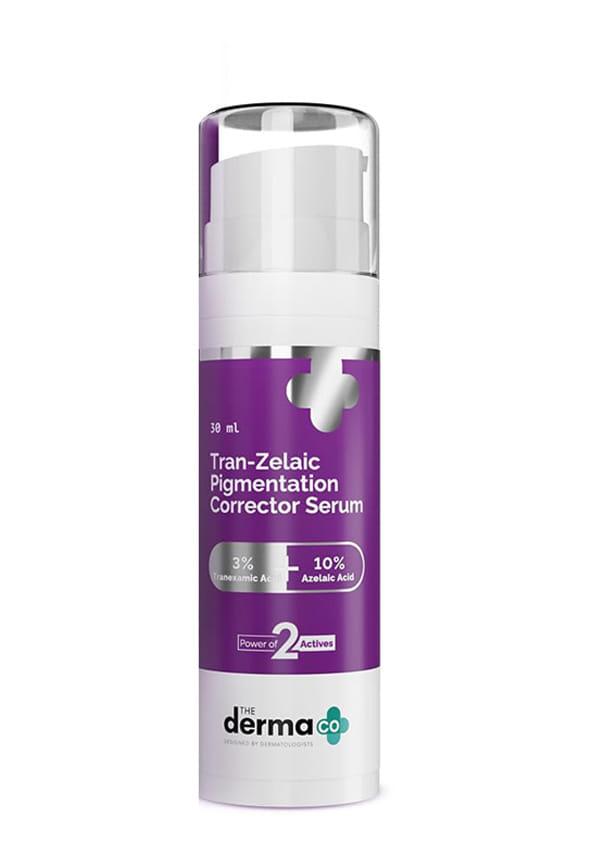 30 gm
30 gmTran-Zelaic Pigmentation Corrector Serum with Tranexamic Acid & Azelaic Acid
Most dermatologists recommend using tranexamic acid in the evening, as it can make your skin slightly more photosensitive. However, if you prefer morning application, always follow up with a broad-spectrum SPF.
Apply tranexamic acid after cleansing and toning but before heavier serums or moisturisers. The rule of thumb is to go from thinnest to thickest consistency. Wait about 5-10 minutes between layers to allow proper absorption.
Start with a 1-2% concentration if you're new to the ingredient. More experienced users can work up to 3-5% formulations. Remember, higher isn't always better—consistency matters more than concentration.
Begin with 2-3 times per week and gradually increase to daily use as your skin builds tolerance. If you experience any irritation, scale back and give your skin time to adjust.
Tranexamic acid for melasma has gained significant attention in dermatology circles, and for good reason. This particular type of pigmentation can be incredibly resistant to traditional treatments, making tranexamic acid's targeted approach a welcome relief for many.
Melasma involves complex interactions between hormones, UV exposure, and genetic factors. Tranexamic acid's ability to interrupt the inflammatory cascade that triggers melanin production makes it uniquely suited for this condition.
For best results with melasma, consider combining tranexamic acid with other proven ingredients like vitamin C, niacinamide, or azelaic acid. This multi-pronged approach often yields better results than using any single ingredient alone.
Melasma typically requires patience. You might notice initial improvements around 4-6 weeks, with more significant changes becoming visible after 12-16 weeks of consistent use.
Let's set realistic expectations about your skin brightening journey. Understanding the timeline helps you stay motivated and avoid the temptation to switch products too quickly.
Don't expect dramatic changes yet, but you might notice your skin looking slightly brighter or more even. Some people report that their existing dark spots appear less prominent.
This is when things start getting exciting. Many users begin to see visible fading of dark spots and a more uniform skin tone. Post-inflammatory hyperpigmentation often responds particularly well during this period.
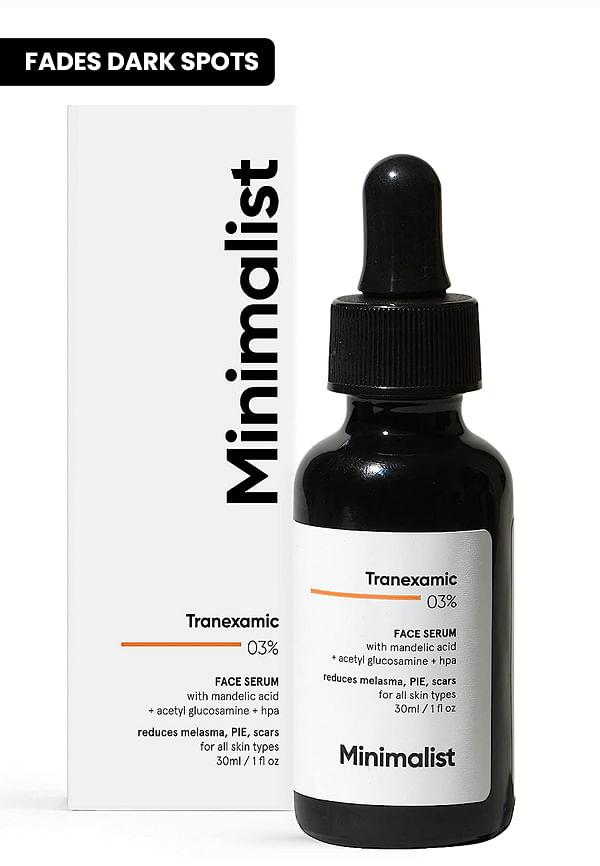 30 ml
30 ml3% Tranexamic Acid Face Serum
Clinical studies show that maximum benefits typically occur after 12-16 weeks of consistent use. This is when you'll see the most significant improvement in overall skin tone and pigmentation reduction.
Your skin type, the severity of pigmentation, consistency of use, and sun protection habits all play a role in how quickly you'll see results. Those with lighter pigmentation typically see faster improvements than those with deeper, more established dark spots.
The beauty of tranexamic acid lies in its compatibility with other skincare actives. When used thoughtfully, these combinations can accelerate your journey to even skin tone while maintaining skin health.
Vitamin C and tranexamic acid make an excellent team for comprehensive hyperpigmentation treatment. Use vitamin C in the morning and tranexamic acid in the evening for maximum benefits without irritation.
While generally well-tolerated, be mindful when combining tranexamic acid with strong exfoliating acids like glycolic or salicylic acid. Start slowly and monitor your skin's response to avoid over-exfoliation.
A simple yet effective routine might include a gentle cleanser, tranexamic acid serum, niacinamide for additional brightening benefits, and a moisturiser with SPF during the day. Keep it simple and consistent for best results.
While tranexamic acid is generally considered gentle and well-tolerated, it's important to understand potential side effects and safety considerations before incorporating it into your routine.
Most people experience minimal side effects, but some may notice mild irritation, dryness, or slight redness when first starting. These typically subside as your skin adjusts to the ingredient.
If you have very sensitive skin or a history of allergic reactions to skincare ingredients, patch test any new tranexamic acid product before full application. Those with bleeding disorders should consult a healthcare provider before use.
While topical tranexamic acid is generally considered safe, it's always best to consult with your healthcare provider if you're pregnant or breastfeeding before adding new skincare ingredients to your routine.
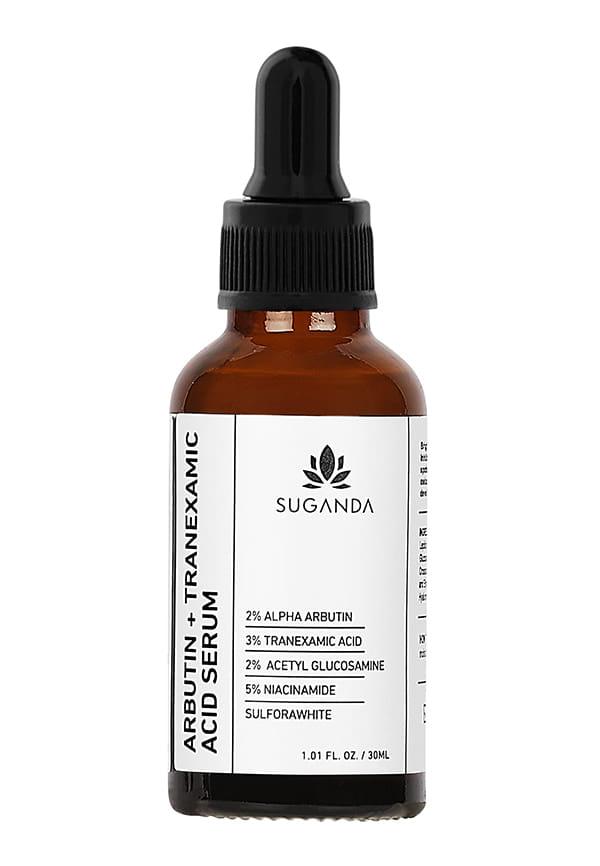 30 ml
30 mlArbutin + Tranexamic Acid Serum
With so many options available, finding the right tranexamic acid product for your needs can feel overwhelming. Here's how to navigate the choices and find your perfect match.
Serums typically offer the highest concentration of active ingredients and are ideal for targeted treatment of specific areas. Look for formulations that combine tranexamic acid with complementary ingredients like vitamin C or niacinamide.
If you have dry or sensitive skin, a cream formulation might be more suitable. These tend to be gentler and provide additional moisturising benefits alongside the brightening effects.
Seek products that list tranexamic acid within the first few ingredients, indicating a meaningful concentration. Avoid formulations with too many potential irritants if you have sensitive skin.
This is where platforms like Smytten become invaluable for your skincare journey. With curated trial packs from trusted brands, you can explore different tranexamic acid formulations without committing to full-size products. Whether you're curious about a serum from Dot & Key or want to try a cream formulation from another brand, Smytten's trial approach lets you discover what works best for your skin type and concerns.
Yes, but introduce them gradually. Use retinol on alternate nights initially, then slowly increase frequency as your skin builds tolerance. Always start with lower concentrations of both ingredients.
Most people see optimal results after 12-16 weeks of consistent use. However, you can continue using it long-term for maintenance, as it's generally well-tolerated for extended periods.
Tranexamic acid is generally suitable for most skin types, including sensitive skin. However, those with very reactive skin should patch test first and start with lower concentrations.
While tranexamic acid is excellent for post-inflammatory hyperpigmentation (the dark marks left after acne), it won't help with textural acne scars. For those, you'd need treatments that stimulate collagen production.
Patience is key with any pigmentation treatment. Give tranexamic acid at least 8-12 weeks of consistent use before evaluating its effectiveness. Premature discontinuation is one of the main reasons people don't see results.
Tranexamic acid represents a gentle yet effective approach to achieving more even skin tone. Its unique mechanism of action makes it particularly valuable for treating stubborn pigmentation issues that don't respond well to other treatments. The key to success lies in consistency, patience, and proper application.
Remember that skincare is deeply personal—what works brilliantly for your friend might not be your perfect match. This is where Smytten's approach to product discovery becomes particularly valuable. With access to trial packs from over 1,500 trusted brands, you can explore different tranexamic acid formulations and find the one that truly works for your skin. Whether you're dealing with melasma, post-acne marks, or general uneven tone, there's likely a formulation that's worth a try. After all, why settle for maybe when you can discover what actually works for your unique skin needs?
