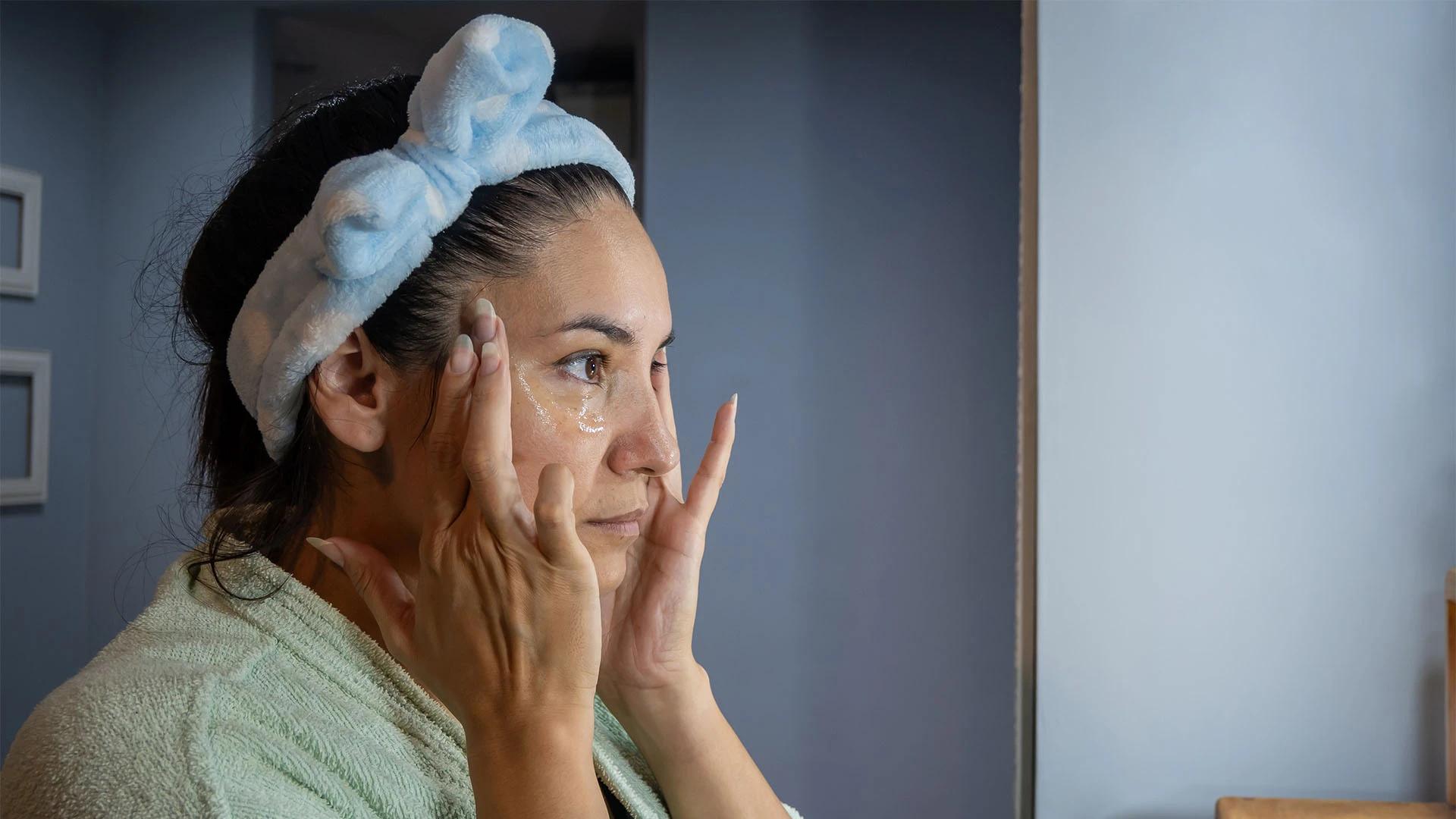
Skincare
•07 min read

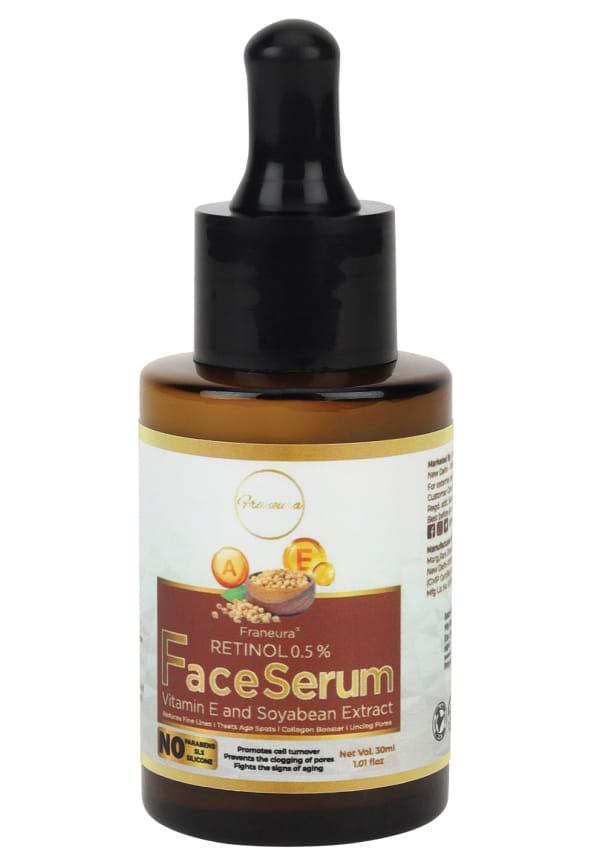 30 ml
30 mlRetinol Anti-Aging Face Serum to Reduce Fine Lines & Wrinkles
Let's be real—fine lines and wrinkles are basically life's way of saying "surprise!" when you're just trying to live your best life. But here's the thing: retinol for fine lines and wrinkles isn't just some skincare myth your mum's been going on about. It's actually the closest thing we have to a time machine in a bottle. Whether you're spotting your first laugh line or dealing with deeper wrinkles, retinol might just become your new skincare obsession. The best part? You don't have to commit to expensive full-size products right away—there are ways to try different retinol formulations without the drama of buyer's remorse.
Think of retinol as your skin's personal trainer—it's tough love that actually works. This vitamin A derivative is basically the overachiever of the skincare world, and there's solid science backing up why dermatologists won't stop raving about it.
Here's where it gets interesting: retinol works by speeding up your skin's natural renewal process. When you apply it, your skin starts producing new cells faster and sheds old, damaged ones more efficiently. This process also kicks your collagen production into high gear—and collagen is what keeps your skin plump and bouncy. It's like giving your skin a gentle nudge to remember how to be young again.
The magic happens on multiple levels. Retinol doesn't just work on the surface—it dives deep to stimulate elastin production, which helps your skin snap back into place. Plus, it's brilliant at repairing sun damage that's been lurking beneath the surface for years. Your skin texture improves, those pesky fine lines start to soften, and deeper wrinkles become less noticeable over time.
While peptides, vitamin C, and AHAs all have their place in anti-aging skincare, retinol is the one ingredient that ticks all the boxes. Vitamin C is great for prevention, AHAs work on surface texture, but retinol? It's the multitasker that addresses everything from fine lines to uneven tone. That's why it's considered the gold standard—it's been proven to work time and time again.
Choosing between a retinol serum and retinol cream isn't just about personal preference—it's about what your skin actually needs. Both have their place in the anti-aging game, but knowing which one suits you can make all the difference.
Retinol serums are your go-to if you want something lightweight that absorbs quickly. Start with a 0.1% concentration if you're new to retinol—trust me, your skin will thank you for not going full throttle from day one. Serums are perfect for layering under moisturiser and work brilliantly for oily or combination skin types.
If your skin leans dry or you're dealing with sensitivity, a retinol cream might be your best friend. These formulations often combine retinol with moisturising ingredients, giving you the anti-aging benefits without the potential dryness. It's like getting a two-in-one deal that your skin will actually appreciate.
Prescription retinoids like tretinoin are stronger, but they're not always necessary. Over-the-counter retinol products can be incredibly effective, especially when you're starting out. Plus, they're more accessible and often gentler on your skin. The key is finding what works for you without breaking the bank or your skin barrier.
Using retinol isn't rocket science, but there's definitely a right way to do it. Think of it as introducing a new friend to your skincare routine—you want to take it slow and steady.
Week one: Use retinol just once. Your skin needs time to adjust, and jumping in too fast is a recipe for irritation. Week two: Bump it up to twice weekly if your skin is happy. Week three: Three times weekly if all is going well. This gradual approach helps build tolerance without the dreaded retinol burn.
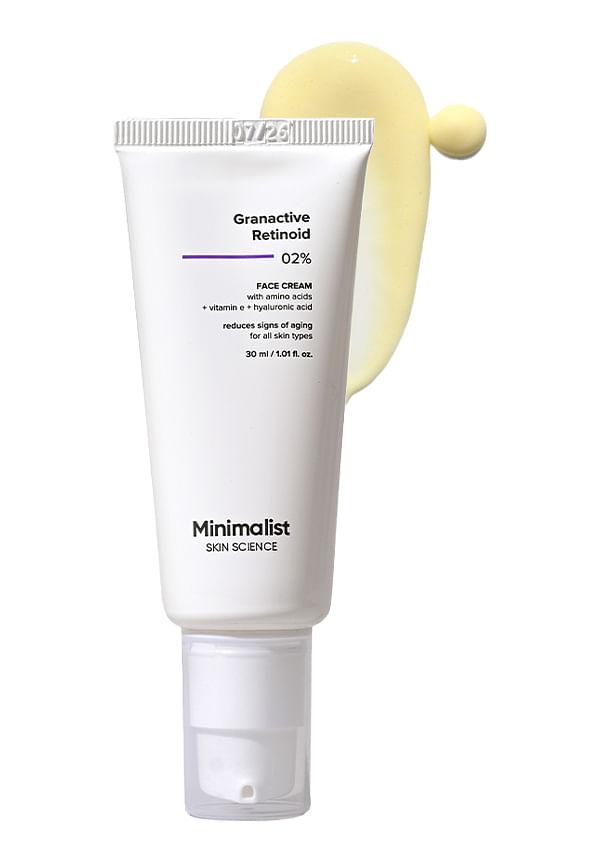 30 ml
30 ml2% Retinoid Anti Ageing Night Cream For Wrinkles & Fine Lines
A pea-sized amount is genuinely enough for your entire face—more isn't better with retinol. Apply it to clean, completely dry skin (wait about 20 minutes after cleansing). Always use retinol at night only, as it can make your skin more sensitive to sunlight. Think of it as your skin's beauty sleep companion.
The secret to retinol success? Patience and proper hydration. Pair your retinol with hyaluronic acid to keep your skin plump and happy. Follow up with a good moisturiser to create a protective barrier. If you experience irritation, dial back the frequency—your skin will catch up eventually.
Real talk: retinol isn't an overnight miracle worker, but the results are worth the wait. Understanding the timeline helps set realistic expectations and keeps you motivated during the journey.
Within the first few months, you'll notice your skin texture becoming smoother and more refined. Fine lines around your eyes and mouth start to look less prominent. Your skin might also appear brighter and more even-toned—that's the increased cell turnover working its magic.
This is where the real transformation happens. Deeper wrinkles begin to soften, your skin feels firmer, and that overall aged look starts to reverse. The enhanced collagen production really kicks in around this time, giving you that plump, youthful bounce back in your skin.
Your results will depend on your age, skin condition, and consistency of use. Someone in their 30s might see dramatic improvements in fine lines, while someone in their 50s might notice more gradual but still significant changes. The key is sticking with it—retinol rewards consistency.
Using retinol safely isn't just about avoiding irritation—it's about protecting your skin and getting the best possible results. These guidelines are non-negotiable if you want to reduce wrinkles effectively.
Retinol makes your skin more photosensitive, which means you're more prone to sun damage. Daily SPF 30 or higher isn't just recommended—it's essential. Think of sunscreen as your retinol's bodyguard, protecting all that hard work you're putting in at night.
If you're pregnant or breastfeeding, retinol is off the table—no exceptions. People with extremely sensitive skin conditions like rosacea should also proceed with caution and possibly consult a dermatologist first. When in doubt, patch test or seek professional advice.
Dryness, peeling, and mild redness are normal when starting retinol—your skin is just adjusting. However, if you experience severe burning, persistent redness, or excessive peeling, it's time to reduce frequency or take a break. Listen to your skin; it knows what it needs.
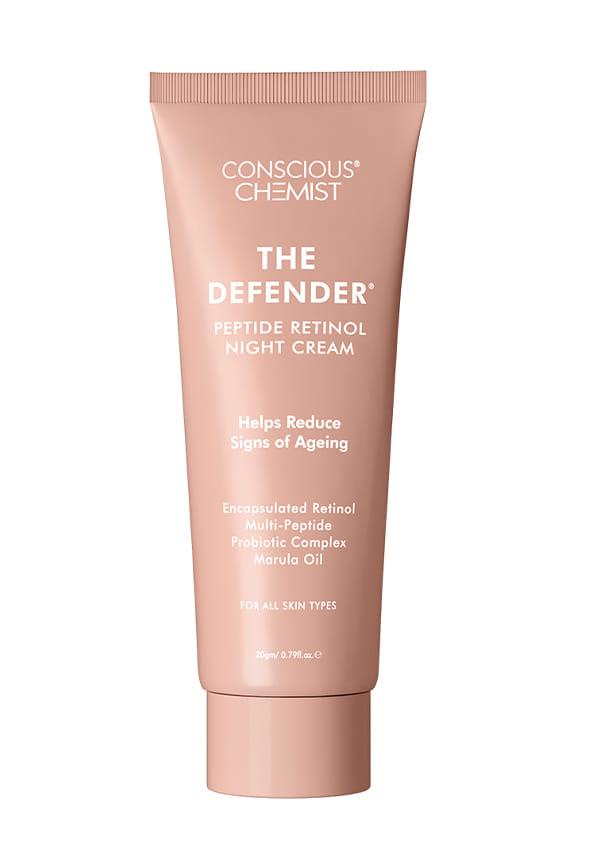 20gm
20gmMulti Peptide Retinol Anti Aging Night Cream For Fine Lines & Sagging Skin
Once you've mastered basic retinol use, there are ways to supercharge your anti-aging skincare routine. It's all about smart layering and knowing what plays well together.
Hyaluronic acid and niacinamide are retinol's best friends—they help counteract dryness and irritation while boosting the overall benefits. However, avoid using vitamin C and retinol at the same time (use vitamin C in the morning, retinol at night). AHAs and retinol together can be too much for most skin types, so alternate nights if you want to use both.
Starting retinol at 40+ isn't too late—it's actually perfect timing. Your skin might be more tolerant than younger skin, and you'll likely see dramatic improvements. Consider starting with a slightly higher concentration (0.25% instead of 0.1%) if your skin can handle it, but always build up gradually.
While at-home retinol products are incredibly effective, combining them with professional treatments can accelerate results. Consider consulting a dermatologist for personalised advice, especially if you're dealing with deeper wrinkles or specific skin concerns.
When it comes to finding the right retinol products for your skin, Smytten makes the discovery process so much easier. Instead of committing to full-size products that might not work for you, you can try curated trial packs from trusted brands. With over 1,500 brands available, including skincare favourites like Cetaphil and Dot & Key, you can explore different retinol formulations without the financial commitment. The platform's trial system lets you test products properly before deciding what's worth adding to your routine.
Absolutely. Retinol is scientifically proven to reduce the appearance of fine lines and wrinkles by boosting collagen production and accelerating cell turnover. Multiple studies show significant improvements in skin texture and wrinkle depth with consistent use.
The best retinol depends on your skin type and tolerance. Beginners should start with 0.1% concentration in a serum form for normal to oily skin, or a cream formulation for dry skin. Look for products that combine retinol with hydrating ingredients like hyaluronic acid.
Not at all! Starting retinol at 40 can still provide significant anti-aging benefits. Your skin might actually tolerate retinol better than younger, more reactive skin. Many people see dramatic improvements in fine lines and skin texture when starting retinol in their 40s and beyond.
You'll typically notice initial improvements in skin texture within 6-8 weeks. Fine lines start to diminish around 8-12 weeks, while deeper wrinkles and significant anti-aging benefits become apparent after 3-6 months of consistent use.
Eventually, yes, but not right away. Start with once weekly and gradually build up to nightly use over several months. Some people find their sweet spot is every other night, while others can tolerate daily use. Listen to your skin and adjust accordingly.
Retinol for fine lines and wrinkles isn't just hype—it's one of the most effective anti-aging ingredients available. The key to success lies in starting slowly, being consistent, and protecting your skin with daily SPF. Whether you choose a retinol serum or cream, the most important thing is finding a formulation that works for your skin type and lifestyle.
Remember, great skincare is about making informed choices, not expensive mistakes. With platforms like Smytten, you can explore different retinol products through trial packs, making it easier to find your perfect match without the commitment. The platform connects you with over 1,500 trusted brands, offering trial minis for just ₹249 with 100% cashback redeemable for future purchases. It's the perfect way to discover what works for your skin before investing in full-size products. After all, why settle for maybe when you can try it all?
