How to Use Retinol for Beginners in India: A Simple Guide


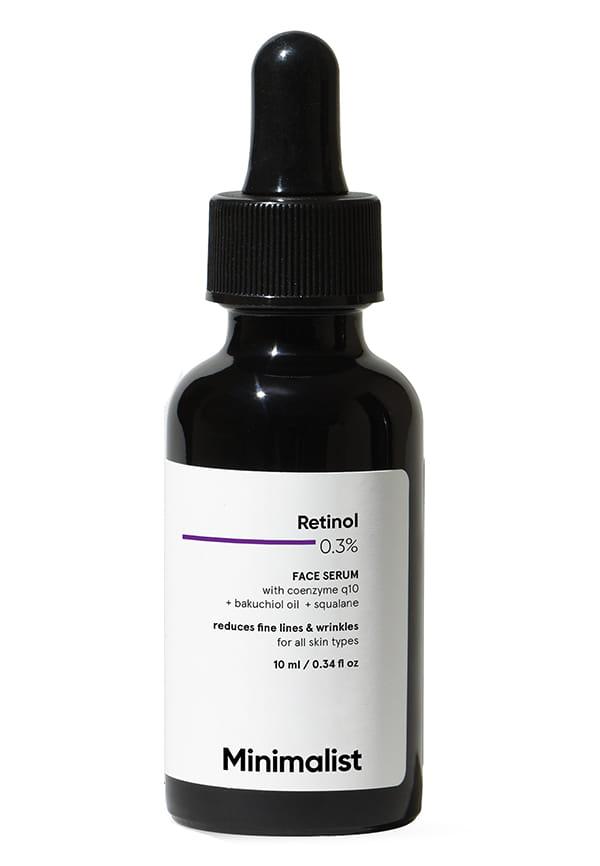 10 ml
10 ml0.3% Retinol Face Serum With Anti-Aging Property With Q10
Starting your retinol journey can feel like navigating a maze, especially with all the conflicting advice floating around. If you're in India and wondering how to use retinol for beginners without turning your face into a peeling mess, you've landed in the right spot. Let's break down everything you need to know about incorporating this powerhouse ingredient into your routine, from choosing the right percentage to managing those infamous side effects. Think of this as your friendly guide to retinol success, tailored specifically for Indian skin and climate conditions.
Retinol is basically vitamin A in its purest form, and it's been the gold standard in skincare for decades. This ingredient works by speeding up cell turnover, which means it helps your skin shed old, damaged cells faster and reveals fresh, healthy ones underneath. The retinol benefits for skin are pretty impressive – we're talking about smoother texture, reduced fine lines, clearer complexion, and that coveted glow everyone's after.
For Indian skin specifically, retinol can be a game-changer. Our skin often deals with hyperpigmentation, acne scars, and uneven tone due to sun exposure and pollution. Retinol tackles these issues head-on by promoting faster cell renewal and boosting collagen production. However, our climate does present some unique challenges – the humidity, heat, and intense UV exposure mean we need to be extra careful about how we introduce and use retinol.
Indian skin tends to be more reactive to active ingredients, partly due to our genetic makeup and environmental factors. The high humidity levels can make retinol feel more intense, whilst the strong sun exposure means we absolutely cannot skip sunscreen when using this ingredient.
Let's clear up some misconceptions. Retinol doesn't actually thin your skin – it thickens the deeper layers whilst helping the surface layer shed more efficiently. It's also not just for anti-ageing; younger users can benefit from its acne-fighting and texture-improving properties too.
Starting retinol is all about patience and gradual introduction. Think of it like training for a marathon – you wouldn't run 26 miles on day one, right? Your skin needs time to build tolerance, especially in our Indian climate where environmental stressors are already high.
The key is starting slow and listening to your skin. Every person's tolerance is different, and what works for your friend might not work for you. That's perfectly normal and expected.
When you're just starting out, retinol percentage for beginners should be between 0.25% to 0.5%. Anything higher is asking for trouble. Many Indian brands now offer these gentler concentrations, making it easier to find suitable options. Look for products that clearly state their retinol concentration on the packaging.
This rule is your best friend when starting retinol. Week 1: use it once. Week 2: twice. Week 3: three times. This gradual approach helps your skin adapt without overwhelming it. If you experience irritation at any stage, stay at that frequency until your skin calms down before progressing.
Here's how to apply retinol like a pro. First, cleanse your face thoroughly and wait for it to dry completely – damp skin absorbs retinol more intensely, which can lead to irritation. Apply a pea-sized amount to your entire face, avoiding the eye area. Follow with a good moisturiser to lock in hydration.
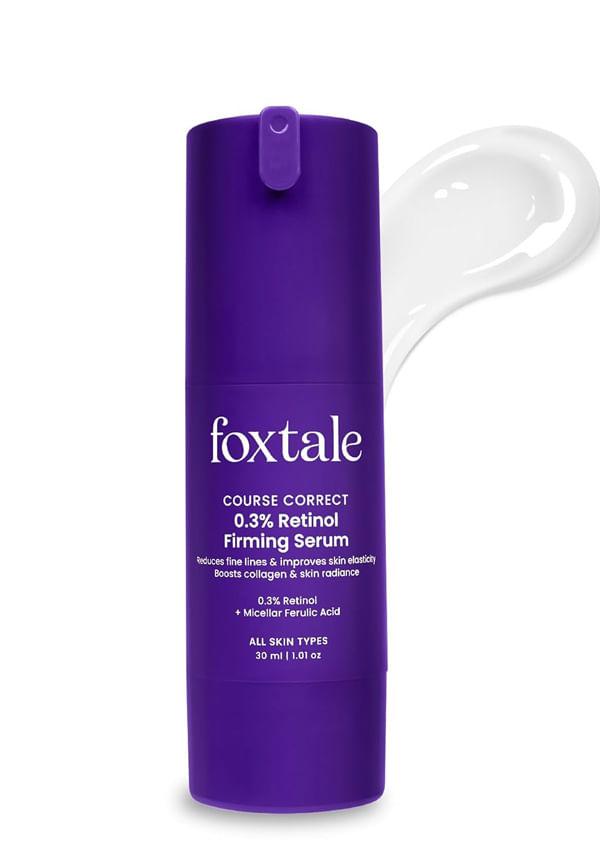 30 ml
30 ml0.3% Retinol Serum – Targets 8 Signs of Ageing
The choice between serum and cream often comes down to your skin type and personal preference. Both have their merits, and understanding which works better for your skin can make all the difference in your retinol journey.
Consider your skin's current condition, the climate you live in, and how your skin typically reacts to new products. There's no universal right answer – it's about finding what works for you.
A retinol serum for beginners is typically lighter and absorbs faster, making it ideal for oily or combination skin types. In India's humid climate, serums can feel less heavy and are less likely to clog pores. They also layer well under moisturisers and other skincare products.
Retinol cream for acne can be particularly effective because it combines the benefits of retinol with moisturising ingredients. This is perfect for those with dry skin or anyone experiencing retinol-induced dryness. The cream format also tends to be more gentle and less likely to cause irritation.
Let's be real – retinol side effects are pretty much guaranteed when you're starting out. The good news is that most of these are temporary and manageable with the right approach. Understanding what to expect can help you push through the initial adjustment period without panicking.
Remember, some level of irritation is normal and doesn't mean retinol isn't right for you. It's your skin's way of adjusting to increased cell turnover.
The most common side effects include dryness, peeling, redness, and sometimes a temporary increase in breakouts (called purging). This typically happens in the first 2-4 weeks and gradually improves as your skin builds tolerance.
If you have sensitive skin, retinol for sensitive skin requires extra care. Start with an even lower frequency – maybe once every three days initially. Consider using the sandwich method: apply moisturiser, then retinol, then another layer of moisturiser. This buffers the retinol and reduces irritation.
If you experience severe burning, persistent redness that doesn't improve after a few weeks, or any signs of an allergic reaction, it's time to stop and seek professional advice. A dermatologist can help you determine if retinol is right for you or suggest alternatives.
The Indian market has exploded with retinol options in recent years, from affordable drugstore finds to premium formulations. When choosing best retinol products india has to offer, consider factors like concentration, packaging (retinol degrades in light), and additional soothing ingredients.
Price doesn't always indicate quality, and some of the most effective retinol products are surprisingly affordable. The key is finding something that works for your skin type and budget.
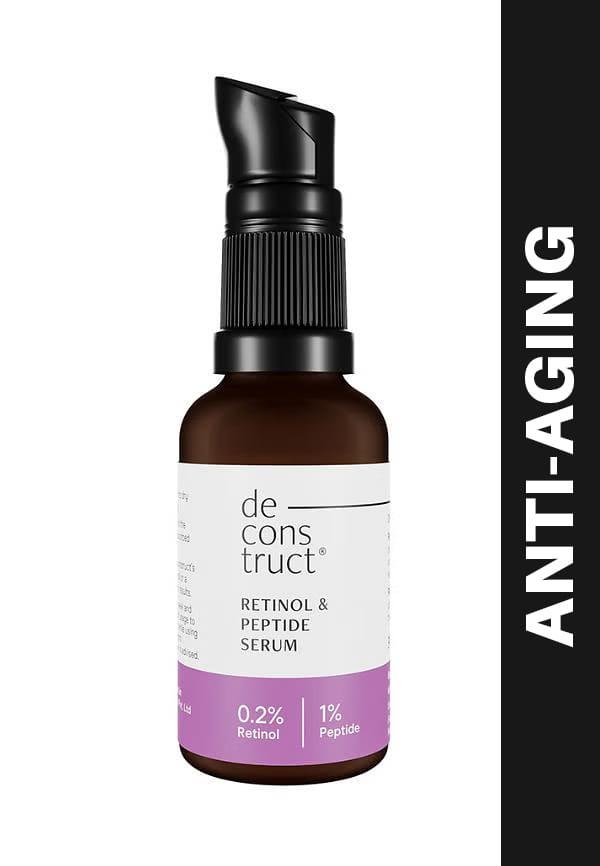 30 ml
30 mlRetinol Face Serum with Peptide
Many dermatologists recommend starting with brands like Cetaphil, which offers gentle formulations perfect for beginners. Other popular choices include products from Dot & Key and various international brands now available in India.
Look for products in dark, opaque packaging to protect the retinol from light degradation. Check for additional ingredients like hyaluronic acid or niacinamide, which can help counteract dryness and irritation. Price-wise, expect to spend anywhere from ₹500 to ₹3000 for a good beginner retinol product.
Not everyone can tolerate retinol, and that's perfectly fine. Retinol alternatives can provide similar benefits without the harsh side effects. These alternatives are particularly worth considering if you have very sensitive skin or are pregnant.
The beauty of having alternatives is that you can still achieve great skin results without compromising your comfort or skin health.
Bakuchiol has gained massive popularity as a plant-based alternative to retinol. It provides similar anti-ageing benefits without the irritation. Other options include peptides and vitamin C, which can help with texture and brightness respectively.
AHAs like glycolic acid or BHAs like salicylic acid can provide some similar benefits to retinol, particularly for texture and acne. These might be easier to tolerate for some people, especially in our humid climate.
Creating a routine that works in India's diverse climate conditions requires some strategic thinking. You'll need to adjust your approach based on the season, your location, and your skin's response to environmental factors.
The key is flexibility – what works during Mumbai's monsoon might need tweaking during Delhi's dry winter or Chennai's humid summer.
Your morning routine should focus on protection. Start with a gentle cleanser, follow with a vitamin C serum if your skin tolerates it, moisturise, and finish with broad-spectrum SPF 30 or higher. Sunscreen is absolutely non-negotiable when using retinol – our Indian sun is intense enough to cause serious damage to retinol-sensitised skin.
Evenings are when retinol shines. Cleanse thoroughly, wait for skin to dry, apply your retinol product, and follow with a good moisturiser. On non-retinol nights, you can use other actives like niacinamide or hyaluronic acid to support your skin barrier.
 30 ml
30 ml0.1% Retinol Serum
During monsoon season, you might need to reduce retinol frequency as humidity can make your skin more sensitive. In winter, you might need richer moisturisers to combat dryness. Summer requires extra diligence with sun protection.
Start with a 0.25% concentration, apply once weekly initially, always use at night, and follow with moisturiser. Gradually increase frequency as your skin builds tolerance, and never skip sunscreen during the day.
Use retinol once in the first week, twice in the second week, and three times in the third week. This gradual introduction helps your skin adapt without overwhelming it with too much too soon.
Retinol before and after results typically become noticeable after 4-6 weeks of consistent use, with more dramatic improvements appearing after 12 weeks. Patience is key – good things take time.
Yes, retinol can be excellent for oily skin as it helps regulate oil production and prevents clogged pores. Choose a lightweight serum formula that won't feel heavy in humid conditions.
If you experience severe burning, persistent redness, or signs of allergic reaction, stop using retinol immediately and consult a dermatologist. Mild irritation is normal, but severe reactions require professional attention.
It's best to avoid mixing retinol with other strong actives like AHAs, BHAs, or vitamin C in the same routine. Use retinol at night and other actives in the morning, or alternate nights.
Starting your retinol journey doesn't have to be intimidating. With the right approach, patience, and understanding of how this ingredient works with Indian skin and climate, you can successfully incorporate retinol into your routine and enjoy its amazing benefits. Remember, consistency trumps intensity every time – it's better to use a lower concentration regularly than to go too strong and damage your skin barrier.
The beauty of skincare lies in finding what works for your unique skin, and platforms like Smytten make this discovery process so much easier. As India's largest product discovery and trial platform, Smytten connects you with over 1,500 trusted brands including skincare favourites like Cetaphil and Dot & Key. Instead of committing to full-size products and potentially wasting money on something that doesn't work for your skin, you can try curated trial packs first. With up to 8 minis for just ₹249 and 100% cashback redeemable for future purchases, you can explore different retinol formulations risk-free. When you find that perfect retinol product that your skin loves, buying the full-size version is just a click away. After all, why settle for 'maybe' when you can Try It All and find your perfect match?
