How to Use Retinol and Sunscreen for Maximum Anti-Aging Benefits

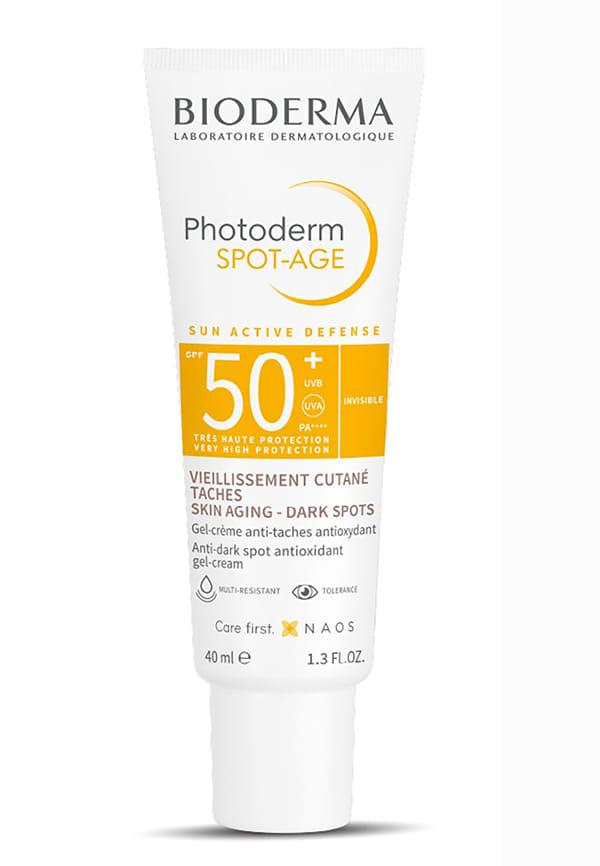 40 ml
40 mlPhotoderm Spot Age SPF 50+ Reduces Spots And Wrinkles Antioxidant Boosted Suncare
Let's be real—if you're serious about anti-aging skincare, you've probably heard about retinol and sunscreen being the ultimate power duo. But here's the thing: most people either use them wrong or skip one entirely, which is basically like doing half the work and expecting full results. The retinol and sunscreen importance explained isn't just skincare theory—it's the foundation of any effective anti-aging routine. Think of retinol as your skin's personal trainer, working overnight to rebuild and repair, while sunscreen acts as your daily bodyguard, protecting all that hard work from getting undone. When you nail this combination, you're not just preventing future damage—you're actively reversing what's already there.
Understanding why these two ingredients work so brilliantly together starts with knowing what each one actually does for your skin. It's not just marketing hype—there's solid science backing why dermatologists won't shut up about this combination.
Retinol is basically vitamin A's overachieving cousin that gets things done while you sleep. When you apply it, it gets to work speeding up your skin's natural cell turnover process—think of it as hitting the fast-forward button on your skin's renewal cycle.
Here's what those retinol benefits actually look like in action:
Accelerated cell turnover: Fresh, new skin cells replace old, damaged ones faster
Collagen production boost: Your skin starts making more of the stuff that keeps it plump and firm
Fine line reduction: Those early signs of aging start to smooth out over time
Hyperpigmentation fading: Dark spots and uneven skin tone gradually improve
Improved texture: Your skin feels smoother and looks more refined
The science bit? Retinol works by binding to specific receptors in your skin cells, essentially telling them to behave like younger, healthier cells. It's like giving your skin a pep talk that actually works.
While retinol is busy repairing your skin at night, sunscreen is your daytime hero preventing new damage from happening. The sunscreen benefits go way beyond just avoiding sunburn—though that's obviously important too.
Daily sun protection delivers these game-changing benefits:
UV damage prevention: Blocks both UVA and UVB rays that cause premature aging
Photoaging protection: Prevents sun-induced wrinkles, dark spots, and texture changes
Free radical defence: Shields your skin from environmental damage
Collagen preservation: Keeps existing collagen from breaking down
Even skin tone maintenance: Prevents new hyperpigmentation from forming
Here's where it gets interesting—retinol and sunscreen don't just work well together, they actually make each other more effective. It's like having a skincare routine that's greater than the sum of its parts.
The magic happens because retinol repairs existing damage while sunscreen prevents new damage from occurring. You're essentially working on two fronts: fixing what's already happened and stopping future problems before they start. This dual approach means you see faster, more dramatic results than using either ingredient alone.
Now here's where things get serious—using retinol without proper sun protection isn't just ineffective, it can actually make your skin worse. This is the part of retinol and sun protection that many people learn the hard way.
When you start using retinol, your skin becomes more photosensitive—basically, it becomes more vulnerable to sun damage. Think of it like your skin's protective barrier is temporarily thinner while it's regenerating.
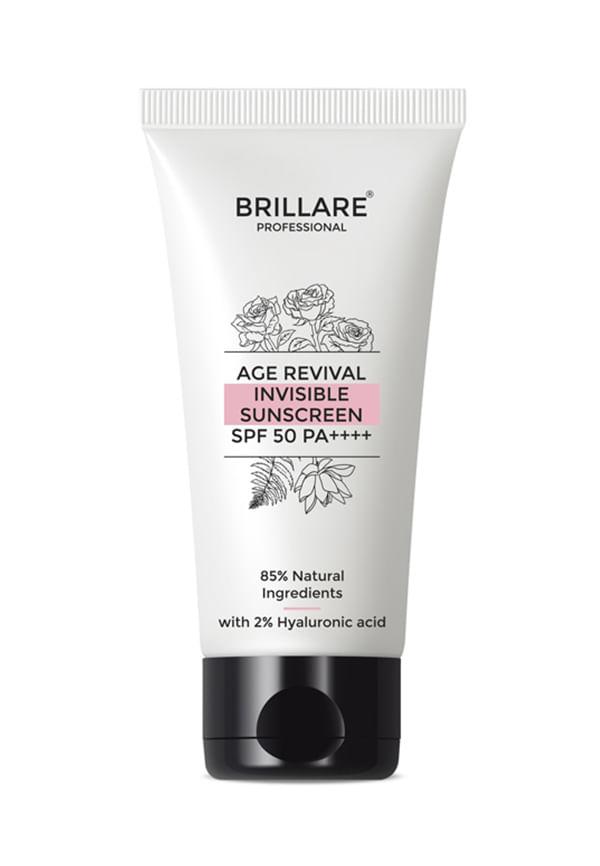 50ml
50mlAge Revival INVISIBLE Sunscreen
This increased sensitivity means that without proper protection, you could end up with worse sun damage than before you started using retinol. It's like renovating your house but leaving the roof off during a storm—you're asking for trouble.
Real talk: skipping sunscreen while using retinol can seriously backfire. You might experience increased hyperpigmentation, more severe sunburn, and even counteract all the good work your retinol is doing overnight.
Some people notice their skin getting darker or more uneven when they start retinol without upping their sun protection game. It's frustrating because you're trying to improve your skin, but without sunscreen, you're essentially taking one step forward and two steps back.
Getting your skincare routine right means more than just slapping on products randomly. There's a method to the madness, and timing is everything when it comes to maximising your anti-aging skincare results.
If you're new to retinol, don't dive in headfirst—your skin needs time to adjust. The 1-2-3 rule helps you build tolerance gradually without dealing with major irritation.
Here's how to ease into it:
Week 1: Use retinol once weekly, preferably on a night when you can sleep in the next day
Weeks 2-3: Bump it up to twice weekly if your skin is handling it well
Week 4 onwards: Gradually increase to three times weekly or more, based on your skin's response
Knowing how to use retinol properly can make the difference between amazing results and a irritated, flaky mess. Here's the foolproof method that actually works:
Start with a gentle cleanser to remove makeup and daily grime. Wait about 20-30 minutes after cleansing—this gives your skin time to fully dry and reduces the chance of irritation. Apply a pea-sized amount of retinol to your entire face, avoiding the eye area unless you're using a specific eye retinol. Follow up with a good moisturiser to lock everything in and provide a protective barrier.
Your morning routine is where sun damage prevention happens. This isn't negotiable when you're using retinol—it's literally the most important part of your entire routine.
Apply your best sunscreen for face as the final step in your morning routine, using about a quarter teaspoon for your face and neck. Reapply every two hours if you're spending time outdoors, and don't forget often-missed spots like your ears and the back of your neck.
Let's address the elephant in the room—retinol side effects are real, but they're usually temporary and manageable. Knowing what to expect and how to handle it makes all the difference in sticking with your routine long enough to see results.
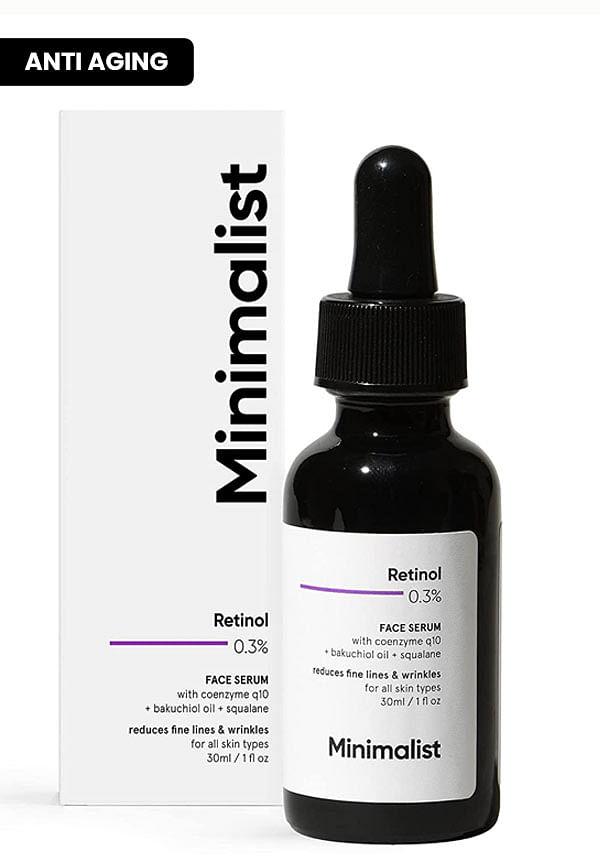 30 ml
30 ml0.3% Retinol Face Serum With Anti-Aging Property With Q10
The most common side effects include dryness, peeling, redness, and increased sensitivity. Some people call this the "retinol uglies," which sounds dramatic but is actually a normal part of the adjustment process.
To minimise these effects:
Start slow: Follow the 1-2-3 rule religiously
Buffer with moisturiser: Apply moisturiser before retinol if you have sensitive skin
Use a gentle cleanser: Skip harsh scrubs and acids on retinol nights
Listen to your skin: If irritation is severe, take a break and restart more slowly
Beyond daily sunscreen, there are other ways to protect your retinol-treated skin from sun damage. Wearing wide-brimmed hats, seeking shade during peak hours (10 AM to 4 PM), and choosing clothing with UPF protection all add extra layers of defence.
Consider adding antioxidant serums with vitamin C to your morning routine—they work alongside sunscreen to neutralise free radicals and boost your skin's natural protection.
Not all retinols and sunscreens are created equal. Knowing what to look for can save you time, money, and potential skin disasters. The key is finding products that work well together and suit your specific skin needs.
For beginners, start with a lower concentration (0.25% to 0.5%) and work your way up. Look for products that combine retinol with soothing ingredients like niacinamide or hyaluronic acid to minimise irritation.
More experienced users can handle higher concentrations (1% or more) or even prescription retinoids. The key is finding your sweet spot where you get results without excessive irritation.
When choosing the best sunscreen for face, prioritise broad-spectrum protection with at least SPF 30. Zinc oxide and titanium dioxide are excellent choices for sensitive, retinol-treated skin because they're less likely to cause irritation than chemical sunscreens.
Look for lightweight formulas that won't clog pores or feel heavy under makeup. Some people prefer tinted sunscreens for a bit of coverage, while others like invisible formulas that work under any makeup look.
Once you've mastered the basics, these advanced strategies can help you get even better results from your retinol and sunscreen routine. It's about fine-tuning your approach based on your lifestyle and skin's changing needs.
Your skin's needs change with the seasons, and your routine should adapt accordingly. In summer, you might need to reduce retinol frequency due to increased sun exposure and humidity. Winter might allow for more frequent use but require richer moisturisers to combat dryness.
Holiday planning is crucial too—if you're heading somewhere sunny, start scaling back retinol use a week before travel and be extra diligent about reapplying sunscreen.
 30 ml
30 ml0.1% Retinol Serum
Retinol plays well with some ingredients and clashes with others. Hyaluronic acid, niacinamide, and peptides are great companions that can enhance retinol's benefits without causing irritation.
Avoid using retinol on the same night as AHAs, BHAs, or vitamin C to prevent over-exfoliation. Instead, alternate these ingredients or use them at different times of day.
This is where platforms like Smytten become invaluable for your skincare journey. With access to trial packs from trusted brands like Cetaphil and Dot & Key, you can experiment with different retinol and sunscreen combinations without committing to full-size products. Getting up to 8 minis for just ₹249 means you can find your perfect anti-aging routine without the usual trial-and-error expense.
No, you don't need sunscreen at night. Retinol is applied in your evening routine, and sunscreen is for daytime protection. Your nighttime routine should focus on repair and hydration, while morning is all about protection.
The 1-2-3 rule helps you introduce retinol gradually: use it once weekly for the first week, twice weekly for weeks 2-3, then three times weekly from week 4 onwards. This prevents irritation and helps your skin build tolerance.
Skipping sunscreen while using retinol can lead to increased sun sensitivity, worse hyperpigmentation, and potential sunburn. You might actually end up with more skin damage than before starting retinol.
Absolutely! In fact, it's often better to choose each product based on its individual merits rather than sticking to one brand. Focus on finding the best retinol for your skin type and the most effective sunscreen for daily wear.
Most people notice improvements in skin texture within 4-6 weeks, with more significant changes in fine lines and pigmentation appearing after 3-6 months of consistent use. The importance of sunscreen becomes evident in preventing new damage during this time.
Mastering the retinol and sunscreen combination isn't just about following a routine—it's about understanding how these ingredients work together to give you the best possible results. The retinol and sunscreen importance explained comes down to this: one repairs while the other protects, creating a comprehensive approach to anti-aging that actually works.
Remember, consistency beats perfection every time. It's better to use a lower concentration of retinol regularly with diligent sun protection than to go all-out with high-strength products you can't tolerate. Your skin will thank you for the steady, patient approach.
Whether you're just starting your anti-aging journey or looking to optimise your existing routine, the key is finding products that work for your specific skin type and lifestyle. With Smytten's extensive range of trial packs from over 1,500 trusted brands, you can discover your perfect retinol and sunscreen combination without the guesswork. After all, why settle for 'maybe' when you can Try It All and find exactly what your skin needs to look its absolute best?
