
Skincare
•07 min read

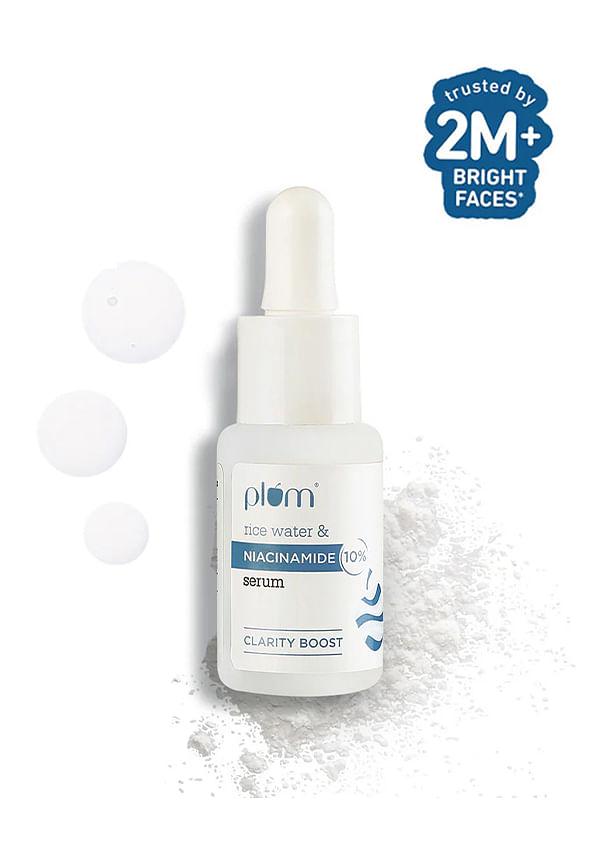 15 ml
15 ml10% Niacinamide Face Serum For Clear Skin | Fades Blemishes| With Rice Water
If you've ever tried introducing a new active ingredient into your skincare routine only to end up with angry, red, irritated skin, you're definitely not alone. The struggle is real when you have sensitive skin but still want the benefits of powerful actives like retinol, AHAs, or vitamin C. Here's where niacinamide steps in as your skin's best friend. This gentle yet effective ingredient has become a game-changer for reducing skin sensitivity to actives whilst actually improving your skin's tolerance over time. Let's dive into how niacinamide can transform your sensitive skin journey from reactive to resilient.
Real talk—niacinamide benefits for sensitive skin go way beyond just being "gentle." This powerhouse ingredient works on multiple levels to actually strengthen your skin's defences whilst calming existing irritation. Think of it as your skin's personal bodyguard that also happens to be a brilliant multitasker.
Niacinamide works its magic through some pretty impressive mechanisms. It boosts your skin's natural ceramide production, which are essentially the building blocks of a healthy skin barrier. When your barrier is strong, irritants can't penetrate as easily, and your skin retains moisture better. Plus, it has anti-inflammatory properties that help calm down overactive immune responses—basically telling your skin to chill out when it encounters new ingredients.
Unlike harsh actives that can strip or irritate your skin, niacinamide is pH-neutral and works with your skin's natural processes rather than against them. Whilst ingredients like glycolic acid or retinol can initially cause purging or irritation, niacinamide actually helps reduce these reactions. It's like having a mediator in your skincare routine that helps everyone get along.
Before we get into the solutions, let's understand what's actually happening when your skin freaks out over actives. Sensitive skin reactions aren't just about being "dramatic"—there are real physiological reasons why some people struggle more than others with active ingredients.
Recognising the signs early can save you from weeks of irritation. Watch out for immediate stinging or burning sensations when applying products, persistent redness that doesn't fade within a few hours, increased dryness or flaking, and that tight, uncomfortable feeling that makes you want to slather on moisturiser constantly.
The root cause often comes down to a compromised skin barrier. When your barrier isn't functioning optimally, it can't regulate what gets in and what stays out effectively. This leads to an overactive inflammatory response where your skin treats beneficial ingredients like invaders. Additionally, sensitive skin types often have lower tolerance thresholds for concentration levels that others might handle just fine.
This is where things get exciting. Niacinamide doesn't just mask sensitivity—it actually addresses the underlying causes whilst providing immediate relief. The way niacinamide and active ingredients work together is pretty brilliant when you understand the mechanisms involved.
Niacinamide supercharges your skin's lipid barrier restoration process. It increases the production of essential fatty acids and ceramides that keep your skin's protective barrier intact. This improved barrier function means better moisture retention and enhanced protection against environmental stressors that can trigger sensitivity reactions.
The anti-inflammatory action of niacinamide is what makes it so effective for soothing skin with niacinamide. It regulates cytokine production—basically the chemical messengers that tell your skin to get inflamed. By keeping these in check, niacinamide helps prevent the cascade of reactions that lead to redness, irritation, and discomfort.
Perhaps most importantly, regular niacinamide use actually helps build your skin's tolerance to other actives over time. It acts as a buffer, reducing the harsh impact of stronger ingredients whilst allowing you to gradually introduce more potent treatments. This means you can eventually use that retinol or vitamin C serum you've been eyeing without the drama.
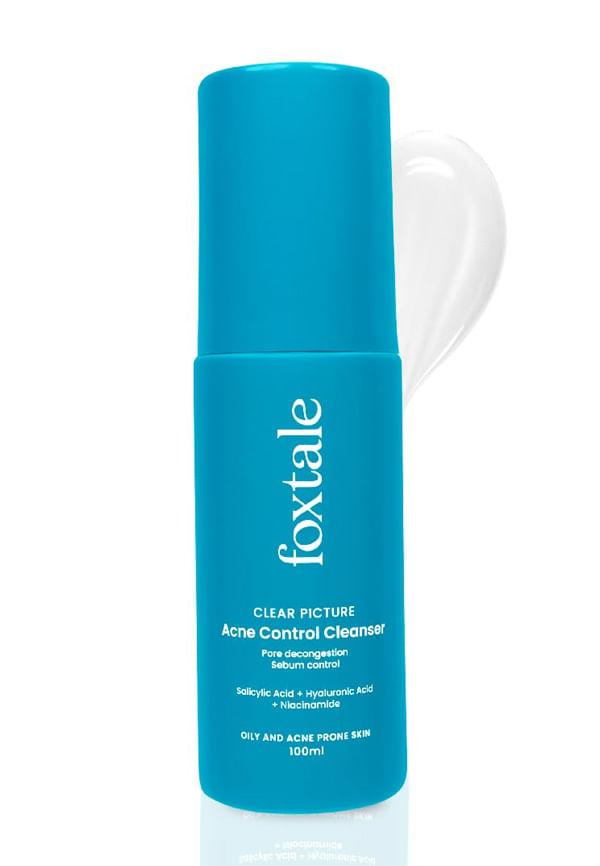 100 ml
Acne Control Cleanser with Salicylic Acid || Hyaluronic Acid and Niacinamide
Now for the practical bit—how to actually incorporate niacinamide into your routine for maximum calming benefits. Getting the application right is crucial for seeing results without any unwanted reactions.
Start with 2-5% if you're new to niacinamide or have very reactive skin. This concentration is effective yet gentle enough for daily use. Once your skin adapts (usually after 4-6 weeks), you can consider moving up to 5-10% formulations. Signs you need to adjust include persistent irritation, increased sensitivity, or no improvement after consistent use.
Apply niacinamide serum for redness after cleansing but before heavier creams or oils. A few drops are enough—more isn't always better. You can use it both morning and evening, but if you're introducing other actives, consider using niacinamide in the morning and your other active at night to minimise potential interactions.
Niacinamide plays beautifully with hyaluronic acid for added hydration and ceramides for enhanced barrier repair. Avoid mixing it directly with vitamin C (use them at different times) and be cautious with high-pH products that might affect its stability.
Different skin conditions require slightly different approaches, even when using gentle ingredients like niacinamide. Understanding your specific skin concerns helps tailor your approach for better results.
For rosacea, start with the lowest concentration (2%) and patch test thoroughly. The anti-inflammatory properties make niacinamide excellent for managing rosacea flare-ups, but individual tolerance varies. Monitor your skin closely for the first few weeks and discontinue if you notice increased flushing or irritation.
Niacinamide for irritated skin works particularly well for eczema-prone areas. Its barrier-repairing properties help restore the compromised skin barrier that's characteristic of eczema. Use it consistently to see long-term improvements in skin health and reduced frequency of flare-ups.
After chemical peels or laser treatments, niacinamide can accelerate healing and reduce downtime. Its anti-inflammatory action helps manage post-treatment redness whilst supporting the skin's natural repair processes. Always check with your dermatologist before introducing any new products post-treatment.
Even with gentle ingredients, there are ways to go wrong. Understanding common pitfalls helps you maximise niacinamide skin tolerance whilst avoiding unnecessary setbacks.
The biggest mistake is jumping straight to high concentrations. Even though niacinamide is gentle, your skin needs time to adapt. Start low, go slow, and give your skin at least 4-6 weeks to adjust before increasing concentration. If you experience irritation, step back to a lower concentration rather than stopping altogether.
Layering order matters more than you might think. Applying niacinamide over heavy creams reduces its effectiveness, whilst mixing it with incompatible ingredients can cause irritation. Stick to the thin-to-thick rule and space out potentially reactive combinations.
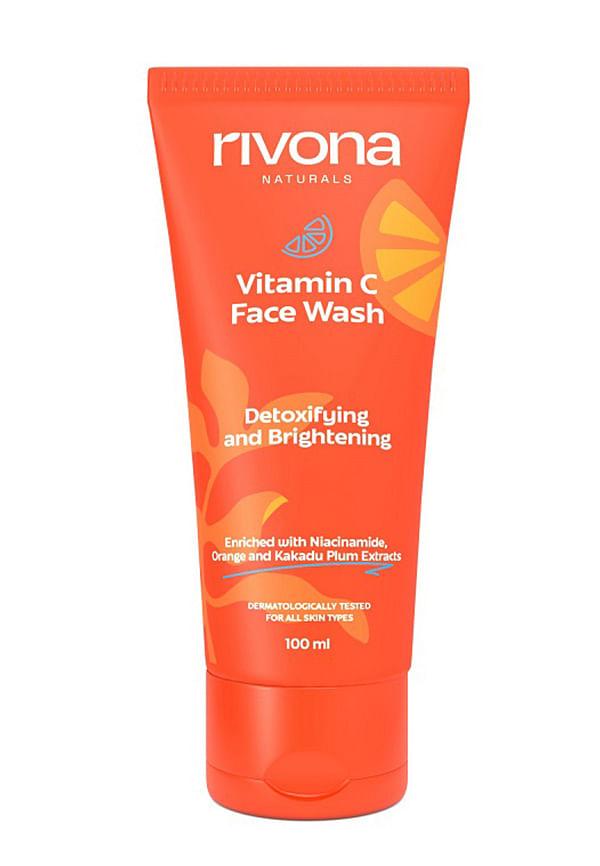 100 ml
Vitamin-C Facewash with Niacinamide for Deep Cleanse
Not all niacinamide products are created equal. Look for stable formulations from reputable brands and avoid products with unnecessary fragrances or harsh preservatives that might trigger sensitivity. Reading ingredient labels becomes crucial when you have reactive skin.
Creating a comprehensive routine that supports calming sensitive skin requires thoughtful planning. Niacinamide should be the cornerstone that allows you to gradually introduce other beneficial ingredients without overwhelming your skin.
Start with a gentle, pH-balanced cleanser, followed by your niacinamide serum, a lightweight moisturiser, and broad-spectrum SPF. This simple routine provides protection and nourishment without overloading sensitive skin. The niacinamide helps your skin handle environmental stressors throughout the day.
Evening is when your skin does most of its repair work. After cleansing, apply niacinamide followed by a more nourishing moisturiser. Once your skin tolerance improves, you can introduce other actives on alternate nights, using niacinamide as your calming base.
Consistency is key for seeing long-term improvements in skin barrier function and reduced sensitivity. Track your skin's progress and adjust your routine seasonally—you might need more hydration in winter or lighter formulations in summer. The goal is building resilient, healthy skin that can handle a wider range of ingredients over time.
When you're ready to explore niacinamide products, platforms like Smytten make it easy to discover what works for your skin without the commitment of full-size purchases. With curated trial packs from trusted brands, you can test different niacinamide formulations to find your perfect match before investing in full sizes.
Yes, niacinamide is gentle enough for daily use on sensitive skin. Start with once daily application and gradually increase to twice daily as your skin builds tolerance. Its anti-inflammatory properties actually make it beneficial for daily use in calming reactive skin.
Most people notice reduced redness and irritation within 2-4 weeks of consistent use. However, significant improvements in skin barrier function and overall sensitivity reduction typically take 8-12 weeks of regular application.
No, niacinamide doesn't cause purging because it doesn't increase cell turnover like exfoliating acids or retinoids. If you experience breakouts when starting niacinamide, it's likely a sensitivity reaction rather than purging, and you should reduce frequency or concentration.
Niacinamide is generally safe to combine with most ingredients, but sensitive skin requires extra caution. Avoid direct mixing with vitamin C and high-pH products. Instead, use them at different times or on alternate days to prevent potential irritation.
For very sensitive skin, start with 2-5% niacinamide formulations. This concentration provides benefits whilst minimising the risk of irritation. You can always increase concentration later as your skin tolerance improves.
Niacinamide truly is a game-changer for anyone struggling with sensitive skin reactions to active ingredients. Its unique ability to strengthen your skin barrier whilst providing immediate calming benefits makes it an essential ingredient for building tolerance and achieving healthier skin. Remember, the key is starting slowly and being consistent—your skin will thank you for the patience.
The beauty of niacinamide lies in its versatility and gentleness, making it suitable for virtually all skin types and concerns. Whether you're dealing with rosacea, eczema, or just general sensitivity, this ingredient can help you achieve the resilient, healthy skin you've been working towards. With consistent use and the right approach, you'll find that your skin becomes more tolerant of other actives, opening up a world of skincare possibilities you might have thought were off-limits.
