How to Use Niacinamide for Barrier Repair After Chemical Exfoliation

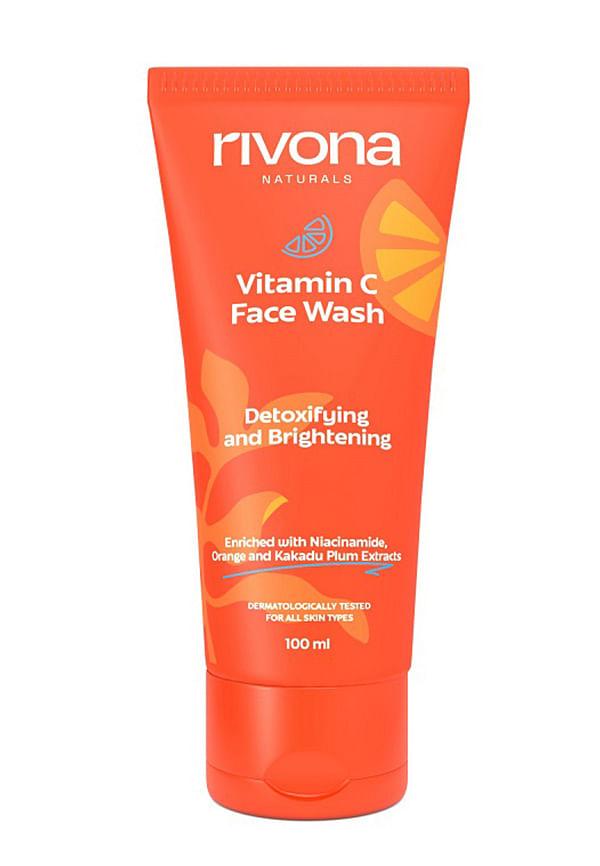 100 ml
Vitamin-C Facewash with Niacinamide for Deep Cleanse
That stinging sensation after your latest chemical peel wasn't supposed to last this long. Your skin feels tight, looks red, and every product you touch it with seems to make things worse. If you've pushed your skin a bit too far with chemical exfoliation, you're not alone. The good news? Niacinamide might just be the gentle hero your compromised skin barrier needs right now.
Chemical exfoliation works by dissolving the bonds between dead skin cells, revealing fresh skin underneath. AHAs like glycolic acid work on the surface, whilst BHAs like salicylic acid dive deeper into pores. It's brilliant for tackling everything from dull skin to stubborn hyperpigmentation, but here's what happens when we overdo it.
Your skin barrier is like a brick wall - lipids act as mortar holding skin cells together. Chemical peels temporarily weaken this structure, which is normal and expected. Problems arise when the barrier becomes severely compromised, leading to increased water loss, sensitivity, and inflammation.
Signs your barrier needs serious attention include persistent redness lasting more than 48 hours, excessive dryness that doesn't respond to moisturiser, stinging when applying gentle products, and that tight, uncomfortable feeling that won't budge. Your skin might also look shiny or feel rough to touch.
The science is straightforward: damaged barriers lose their ability to retain moisture and protect against irritants. This creates a cycle where compromised skin becomes more reactive, making recovery slower and more challenging.
Niacinamide, also known as vitamin B3, is particularly brilliant for barrier repair because it works on multiple levels. Unlike some ingredients that can irritate already sensitive skin, niacinamide actually calms inflammation whilst strengthening your skin's natural defences.
The ingredient boosts ceramide production - those essential lipids that keep your barrier intact. Studies show that 5% niacinamide can increase ceramide synthesis by up to 34% over eight weeks. It also enhances the production of other barrier components like cholesterol and fatty acids.
Niacinamide benefits for skin extend beyond just barrier function. It reduces inflammation through its anti-inflammatory properties, making it perfect for post-exfoliation sensitivity. The ingredient also regulates sebum production, which is helpful if your compromised barrier is triggering reactive oiliness.
Clinical evidence consistently supports niacinamide for repair damaged skin barrier protocols. Research demonstrates that regular use can improve barrier function within two weeks, with significant strengthening visible after four to six weeks of consistent application.
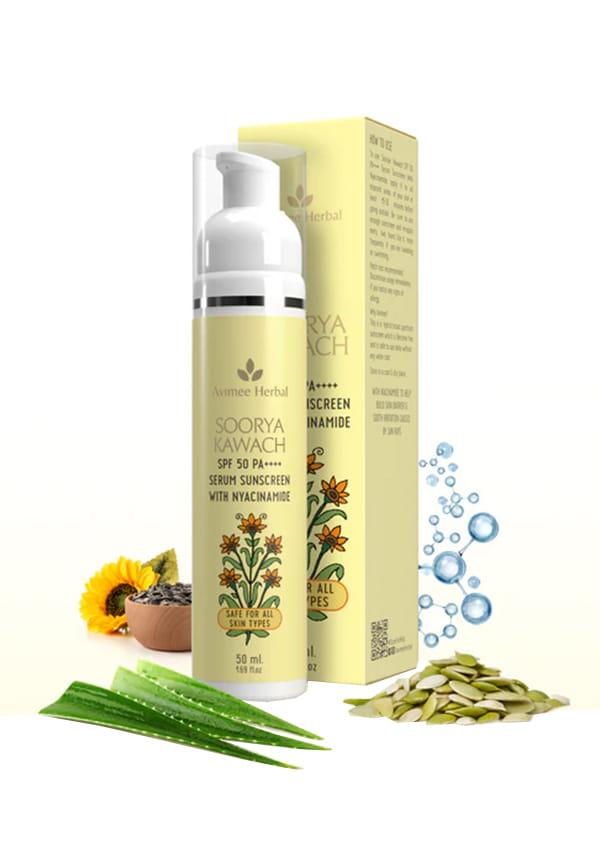 50 ml
50 mlSoorya Kawach Sunscreen with Niacinamide
Timing is everything when it comes to post-exfoliation skincare. Your skin needs time to begin its natural healing process before you introduce new products, even gentle ones like niacinamide.
Wait at least 24-48 hours after your chemical peel before applying niacinamide. If your skin is still stinging or visibly irritated, extend this waiting period. Your skin will tell you when it's ready - it should feel calm and no longer reactive to gentle cleansing.
Start with thoroughly cleansed skin using a gentle, non-foaming cleanser. Pat dry with a clean towel - no rubbing. Apply your niacinamide serum for sensitive skin to slightly damp skin, which helps with absorption and reduces any potential irritation.
Use gentle patting motions rather than rubbing. Start with a lower concentration (2-5%) if your skin is particularly sensitive. Follow with a rich, occlusive moisturiser to seal everything in. Always finish with SPF during the day, as your skin will be more photosensitive.
When combining niacinamide with other recovery products, apply it after cleansing but before heavier serums or moisturisers. If you're using hyaluronic acid, apply that first on damp skin, then niacinamide, then your moisturiser.
Effective chemical peel aftercare requires more than just niacinamide. Your compromised barrier needs a comprehensive approach that prioritises healing and protection above all else.
Morning routines should focus on protection. Start with gentle cleansing, apply niacinamide, follow with a hydrating serum containing hyaluronic acid, then a rich moisturiser, and always finish with broad-spectrum SPF 30 or higher. Your skin is more vulnerable to UV damage during recovery.
Evening routines can be slightly more intensive. Double cleanse if you've worn SPF, apply niacinamide, layer on a hydrating serum, and finish with a barrier-repairing moisturiser containing ceramides or cholesterol. Consider adding a facial oil as the final step for extra protection.
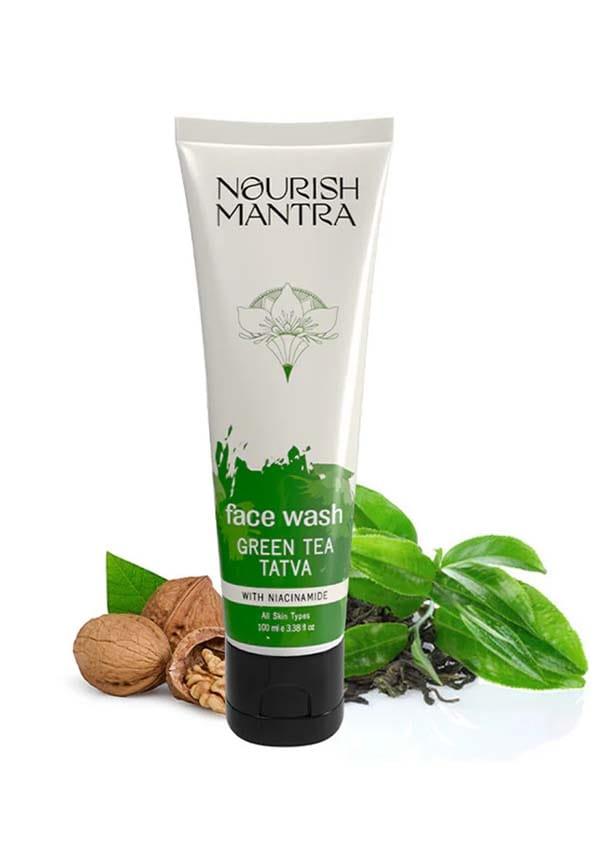 100 ml
Green Tea Tatva Face Wash with Niacinamide to Remove Dead Skin & Build Up
Soothing skincare after chemical peel benefits from ingredients that work synergistically with niacinamide. Hyaluronic acid provides immediate hydration, whilst peptides support skin repair. Centella asiatica offers additional anti-inflammatory benefits.
The best serum for skin barrier repair often combines multiple beneficial ingredients. Look for formulations that pair niacinamide with ceramides, cholesterol, or fatty acids for comprehensive barrier support.
Understanding realistic timelines helps manage expectations during your skin barrier repair journey. Recovery isn't linear, and everyone's skin responds differently based on the extent of damage and individual healing capacity.
Week one typically brings initial relief from irritation and slight improvements in hydration. Your skin should feel less tight and reactive. Week two often shows more noticeable improvements in texture and comfort levels.
Weeks four to six mark significant milestones in barrier strengthening. Your skin should feel more resilient, look healthier, and respond better to your regular skincare products. This is when many people notice their skin can handle gentle actives again.
Long-term benefits of consistent niacinamide and exfoliation protocols include improved barrier resilience, better tolerance to future treatments, and overall healthier skin function. Many find they can eventually return to their regular exfoliation schedule with proper barrier support.
The biggest mistake people make is rushing back to their normal routine too quickly. Your skin needs time to rebuild its protective barrier, and pushing too hard too soon can set back recovery significantly.
Another common error is using too high a concentration of niacinamide on compromised skin. Start with 2-5% formulations and gradually increase if needed. Higher concentrations aren't always better, especially for sensitive, damaged skin.
Avoid combining niacinamide with other actives during the initial recovery phase. Skip retinoids, vitamin C, and any additional exfoliating acids until your barrier is fully restored. Even gentle actives can be too much for compromised skin.
Watch for signs that indicate you need professional help: persistent irritation lasting more than a week, signs of infection, or worsening sensitivity. Sometimes professional intervention is necessary for severe barrier damage.
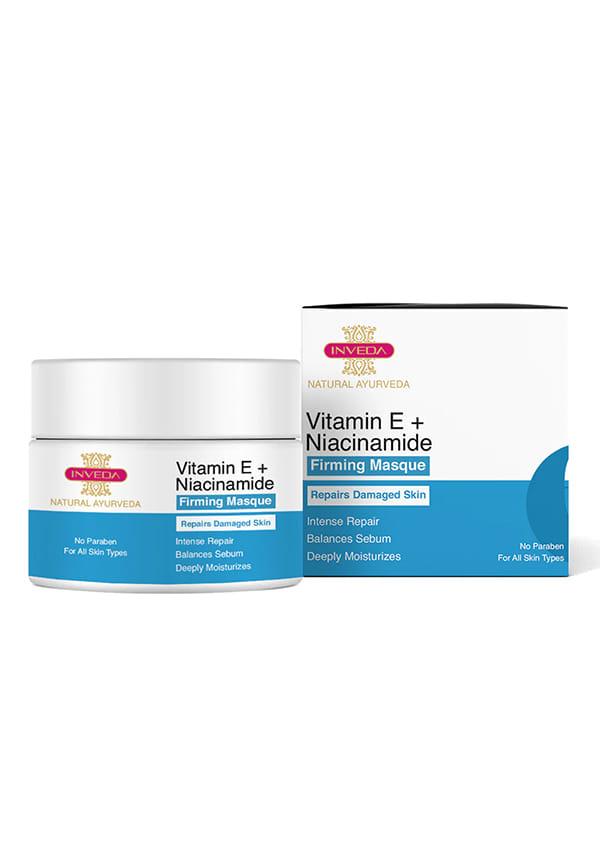 100 ml
Vitamin E+Niacinamide Firming Masque, For Detox, Sebum, Tanning
Yes, niacinamide is one of the safest and most effective ingredients for post-exfoliation care. Wait 24-48 hours after your peel, then introduce it gradually. Start with lower concentrations and monitor your skin's response.
Absolutely. Niacinamide is specifically beneficial for damaged barriers due to its barrier-strengthening and anti-inflammatory properties. It helps boost ceramide production and reduces inflammation, making it ideal for compromised skin.
Initial improvements typically appear within 1-2 weeks, with significant strengthening occurring after 4-6 weeks of consistent use. Complete barrier restoration can take 8-12 weeks, depending on the extent of damage.
Yes, niacinamide is excellent for over-exfoliated skin. It helps restore the barrier by reducing inflammation and supporting natural repair mechanisms. Its gentle nature makes it suitable even for severely compromised skin.
This combination is highly effective for post-peel recovery. Apply hyaluronic acid first on damp skin for hydration, then niacinamide for barrier repair. Both ingredients are gentle and work synergistically to support healing.
Recovery from chemical exfoliation doesn't have to be a lengthy, uncomfortable process. Niacinamide for barrier repair after chemical exfoliation offers a science-backed approach to restoring your skin's natural defences whilst maintaining the benefits of your treatment.
Remember that patience is key. Your skin has been through a controlled injury and needs time to rebuild. Consistent, gentle care with the right ingredients will get you back to healthy, resilient skin that can handle your regular routine.
If you're curious about trying different niacinamide formulations but not ready to commit to full-size products, Smytten's curated selection lets you explore various brands and concentrations. With over 28 million users discovering their perfect skincare matches, it's a smart way to find what works for your unique skin needs without the guesswork.
