How to Use Hydrating Face Mask Like a Pro

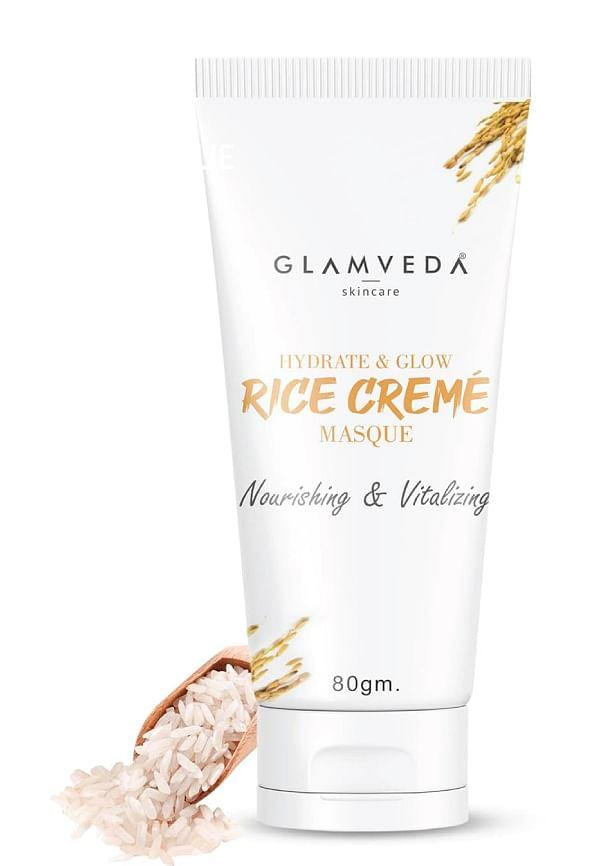 80 gm
80 gmRice water hydrate & glow cream mask
Let's be real—hydrating face masks are everywhere these days, but knowing how to use them properly? That's where most of us get a bit lost. You've probably grabbed a sheet mask or two, slapped it on for the recommended time, and wondered why your skin doesn't look like those glowing Instagram posts. The truth is, there's actually a proper technique to getting the most out of your hydrating face mask, and once you nail it, your skin will thank you. Whether you're dealing with dry patches, dullness, or just want that extra boost of moisture, mastering the art of mask application can transform your skincare routine from basic to brilliant.
Before we dive into the how-to, let's chat about what makes these masks worth your time. Hydrating mask benefits go way beyond just feeling fancy for 20 minutes. These little moisture bombs are designed to deliver intense hydration directly to your skin cells, something your regular moisturiser might struggle with on particularly thirsty skin days.
The magic lies in the hydrating ingredients skincare enthusiasts swear by. Think hyaluronic acid (which can hold up to 1,000 times its weight in water), glycerin that pulls moisture from the air, and ceramides that help repair your skin barrier. These ingredients work together to not just add moisture, but help your skin hold onto it longer.
When it comes to types of face masks, you've got options. Sheet masks are brilliant for targeted hydration and are pretty foolproof to use. Cream masks tend to be richer and perfect for seriously dry skin, while gel masks offer lightweight hydration that won't feel heavy. Each type delivers benefits of face masks differently, so knowing which one suits your skin's current mood is key.
The best part? A good face mask for dry skin doesn't just hydrate—it can also calm irritation, boost your skin's natural glow, and give you that plump, healthy look we're all after. It's like giving your skin a tall glass of water after a long day.
Here's where most people go wrong—they skip the prep work. Think of your skin like a sponge. A dirty, clogged sponge won't absorb water properly, right? Same logic applies here.
Your face mask application success starts with clean skin. Use your regular cleanser to remove makeup, sunscreen, and daily grime. If you're feeling extra, a gentle exfoliation (think mild scrub or chemical exfoliant) can help remove dead skin cells that might block your mask's goodness from penetrating properly.
Evening application tends to work best because your skin naturally repairs itself overnight. Plus, you won't have to worry about makeup or rushing out the door. If you're planning a special event, do your mask the night before rather than the morning of—this gives your skin time to settle and reduces any potential redness.
Now for the main event—actually applying your mask like you know what you're doing. The technique varies slightly depending on what type of mask you're working with, but the principles remain the same.
Sheet masks might seem straightforward, but there's definitely a right way to do it. Start by unfolding your mask carefully—these things can be slippery when they're soaked in serum. Begin with the upper half of your face, smoothing out any air bubbles as you go. The key is getting good contact between the mask and your skin, especially around the nose and eye areas where the fit can be tricky.
Don't forget about your neck! Most sheet masks are big enough to extend down your neck area, and this skin needs hydration too. Gently press the mask down to ensure it's adhering properly—you want maximum contact for maximum absorption.
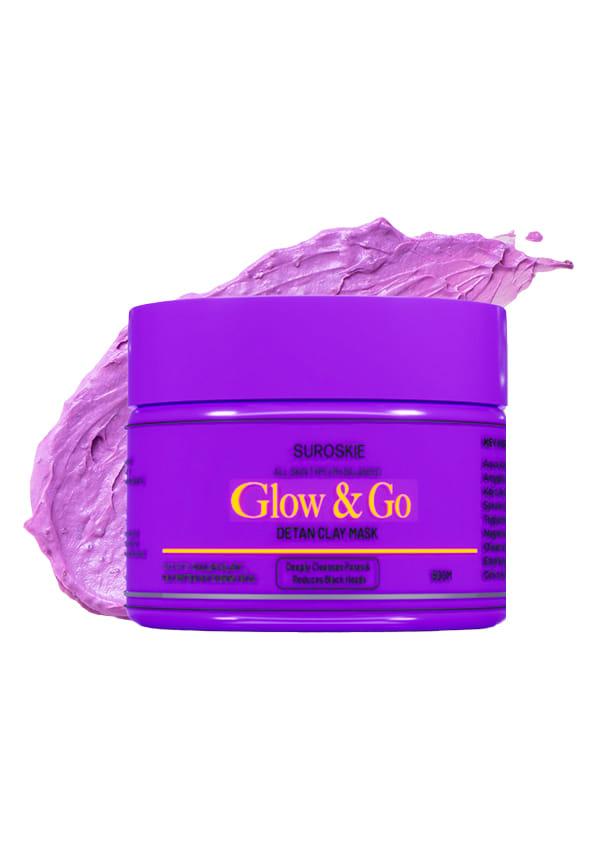 50 gm
50 gmGlow and Go De-Tan Clay Mask
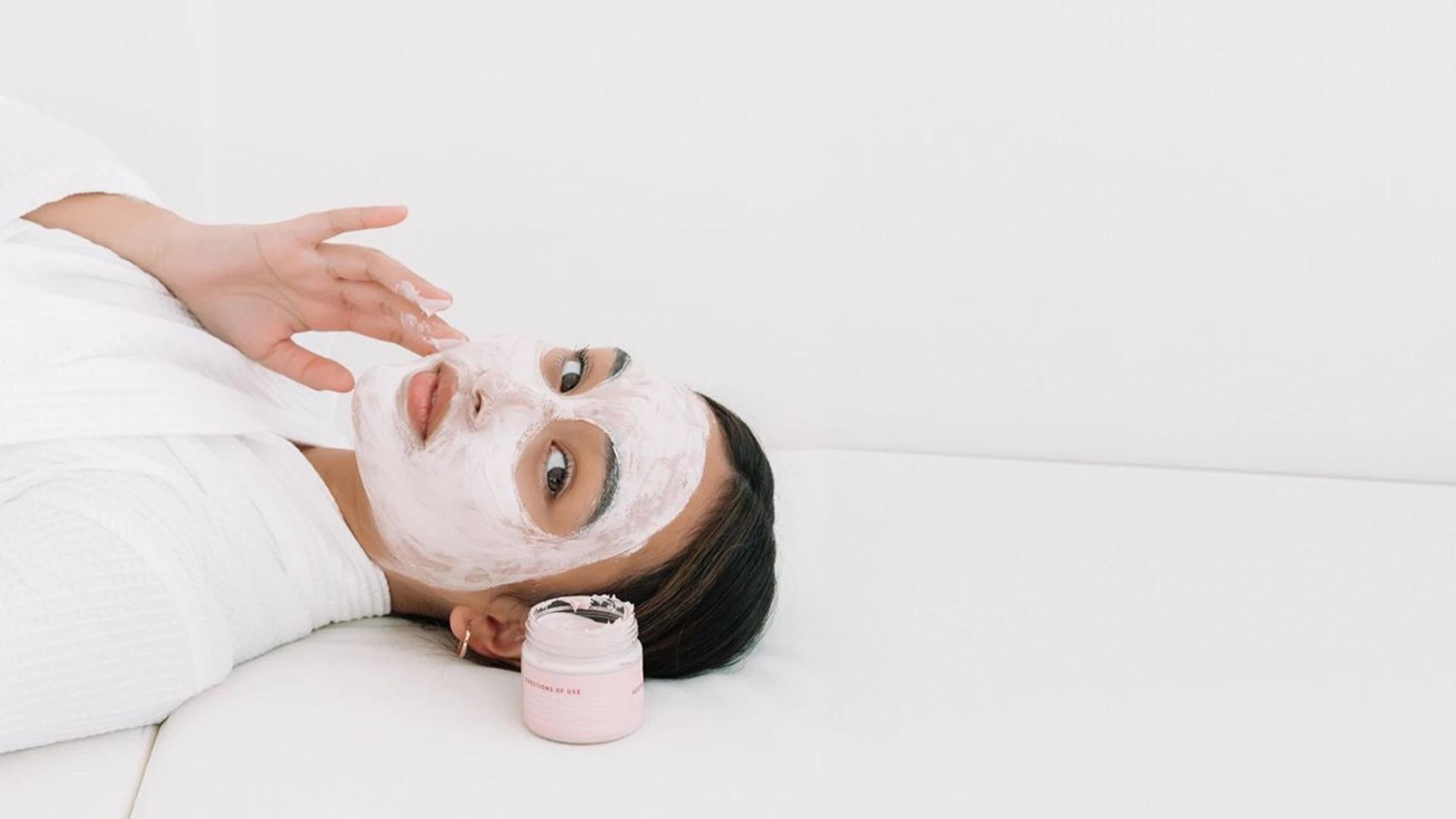
For cream or gel masks, think even coverage without going overboard. You want a layer thick enough that you can't see your skin through it, but not so thick that it's dripping off your face. Use clean fingers or a mask brush to apply, starting from the centre of your face and working outward.
Avoid the immediate eye area and lips unless your mask specifically says it's safe for these zones. These areas have thinner, more sensitive skin that can react differently to active ingredients.
Want to know how to use hydrating face mask for truly glowing results? Create the right environment. Dim the lights, put on some chill music, and actually relax. Stress hormones can interfere with your skin's ability to absorb nutrients, so those 15-20 minutes of zen time aren't just luxury—they're functional.
Consider the temperature too. Slightly warm (not hot!) masks can help with absorption, while cool masks can be soothing if your skin is irritated or inflamed.
The standard 15-20 minute rule exists for good reason, but it's not set in stone. Your skin will tell you when it's had enough. Sheet masks should never be left on until they're completely dry—this can actually pull moisture back out of your skin, defeating the whole purpose.
For overnight face mask products, follow the specific instructions. These are formulated differently and are meant to work while you sleep. Regular hydrating masks, however, should be removed within the recommended timeframe.
Frequency matters too. Most skin types benefit from hydrating masks 2-3 times per week. If your skin is particularly dry or you're dealing with environmental stressors (hello, air conditioning and heating), you might bump this up slightly. Listen to your skin—if it's looking plump and happy, you're on the right track.
What you do after removing your mask is just as important as the application itself. This is where you either maximise your results or accidentally undo all that good work.
For sheet masks, gently peel off starting from the edges. Don't rinse immediately—instead, pat any remaining serum into your skin with clean hands. Your skin is primed to absorb every last drop, so don't waste it.
For wash-off masks, use lukewarm water and gentle circular motions. Avoid scrubbing or using harsh cloths that might irritate your newly pampered skin.
This is where your hydrating skincare routine knowledge comes in handy. After your mask, your skin is like a sponge that's ready to soak up whatever you apply next. If you use serums, now's the time to apply them. Follow with your regular moisturiser to seal everything in.
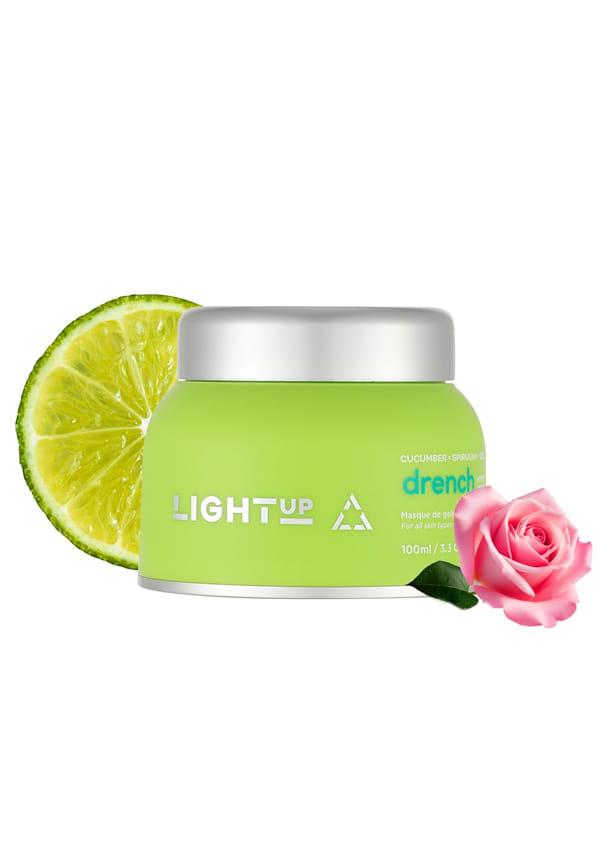 100gm
100gmDrench Hydrating Jelly Mask for Glowing Skin, De-tanning and Brightening
Don't forget about that excess serum from sheet mask packets—it's perfect for your neck, décolletage, or even your hands. No point in wasting the good stuff!
The eternal question: should you make your own masks or stick to the professionals? Both have their place, honestly.
When shopping for the best hydrating face mask, ingredient lists are your best friend. Look for those powerhouse hydrating ingredients we mentioned earlier. Avoid masks with lots of fragrance or alcohol, which can be drying rather than hydrating.
Price doesn't always equal quality, but extremely cheap masks might skimp on active ingredients. The sweet spot is often in the mid-range, where you're getting good ingredients without paying for fancy packaging.
If you're feeling crafty, DIY hydrating face mask recipes can be surprisingly effective. Honey is naturally humectant (draws moisture to skin), while ingredients like oatmeal and yogurt can soothe and hydrate. Avocado masks are rich in healthy fats that can help repair your skin barrier.
Just remember—DIY doesn't mean risk-free. Always patch test homemade masks, and stick to simple, food-grade ingredients. If you have sensitive skin or allergies, store-bought might be the safer bet.
Even with the best intentions, sometimes things don't go to plan. Here's how to handle the most common mask-related issues.
If you experience redness, itching, or burning, remove the mask immediately and rinse with cool water. This could be a reaction to an ingredient, or you might have left it on too long. Don't power through discomfort—your skin is trying to tell you something.
Over-masking is a real thing. More isn't always better, and using masks too frequently can actually disrupt your skin's natural balance. If your skin starts looking irritated or feeling tight despite using hydrating products, take a break for a few days.
To get the most from your masks, consistency beats intensity. Regular use of a decent mask will give you better results than occasional use of an expensive one. Track how your skin responds to different masks and timing—this helps you build a routine that actually works for your lifestyle.
Consider building a small collection of different masks for different needs. Sometimes your skin wants lightweight hydration, other times it needs something richer. Having options means you can respond to what your skin actually needs rather than forcing a one-size-fits-all approach.
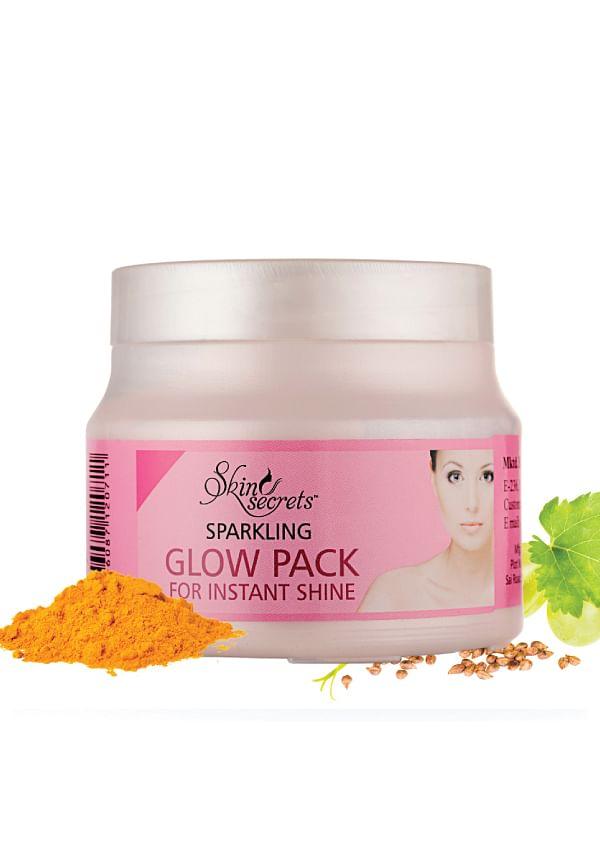 500 gm
Sparkling Glow Pack
Platforms like Smytten make this exploration so much easier. Instead of committing to full-size products that might not work for you, you can try mini versions of different hydrating masks from trusted brands. With over 1,500 brands available and the ability to get up to 8 minis for just ₹249, you can experiment with various formulations until you find your perfect match—all while earning 100% cashback for future purchases.
Most skin types benefit from hydrating masks 2-3 times per week. If your skin is particularly dry or you're dealing with environmental stressors, you might use them more frequently, but always listen to your skin's response.
For sheet masks, don't rinse immediately—pat the remaining serum into your skin. For cream or gel masks, gently rinse with lukewarm water. Always follow with your regular skincare routine to lock in the benefits.
Yes, but timing matters. Use masks on clean skin, then follow with serums and moisturisers. Avoid using active ingredients like retinol or strong acids immediately before or after masking to prevent irritation.
Hydrating masks add water to your skin cells, while moisturising masks focus on adding oils and creating a barrier to prevent water loss. Many masks do both, but understanding the difference helps you choose what your skin needs most.
Most masks work best when left on for 15-20 minutes. Never leave sheet masks on until they're completely dry, as this can actually pull moisture back out of your skin. Always follow the specific product instructions.
Absolutely! Simple ingredients like honey, oatmeal, and yogurt can create effective DIY masks. However, always patch test first and stick to simple, food-grade ingredients if you have sensitive skin.
Mastering how to use hydrating face mask properly isn't rocket science, but it does make a real difference in your results. The key is understanding that it's not just about slapping on a mask and waiting—it's about preparation, proper application, timing, and follow-up care. When you get all these elements right, you'll notice your skin looking more plump, glowing, and healthy.
Remember, skincare is personal. What works brilliantly for your friend might not be your skin's cup of tea, and that's completely normal. The beauty of having access to trial sizes through platforms like Smytten means you can explore different options without the commitment or expense of full-size products. With over 25 million users discovering their perfect products through trial minis, you're in good company on this journey to finding what works best for your unique skin.
Start with the basics we've covered here, pay attention to how your skin responds, and don't be afraid to adjust your routine as needed. Your skin's needs can change with seasons, stress levels, and life stages, so staying flexible and curious about new products and techniques will serve you well. After all, why settle for okay skin when you can discover what makes yours truly glow?
