How to Use Daily Sunscreen for Maximum Skin Protection


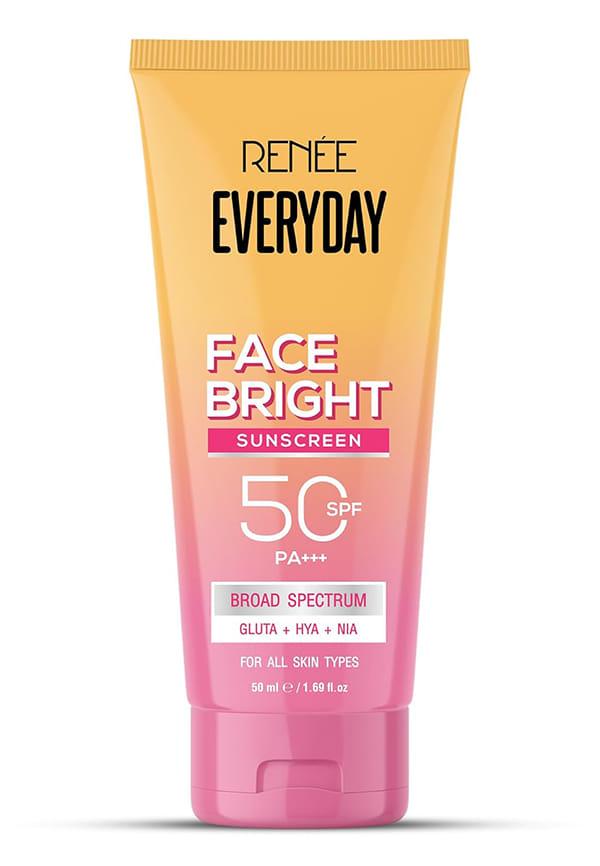 50 ml
50 mlEveryday Face Bright Sunscreen
You know that moment when you step outside and immediately feel the sun on your face? Whether it's a quick dash to the corner shop or your morning commute, your skin is constantly exposed to UV rays. Yet somehow, daily sunscreen still feels like an optional extra rather than the non-negotiable step it actually is. If you've ever wondered whether you're applying enough, reapplying correctly, or even choosing the right formula, you're not alone. Let's sort through the confusion and get your daily sun protection routine spot on.
The sunscreen benefits extend far beyond preventing that painful lobster-red burn after a beach day. UV damage is happening every single day, even when you're sitting by your office window or walking under cloudy skies. UVA rays, the ones responsible for premature ageing, penetrate through glass and clouds with remarkable persistence.
Think about it this way: every unprotected moment adds to your skin's UV "bank account" - and unfortunately, this is one account where you don't want a high balance. The cumulative effect of daily UV exposure leads to fine lines, dark spots, uneven skin tone, and in more serious cases, skin cancer. Daily sunscreen acts like a protective shield, preventing new hyperpigmentation from forming and stopping existing dark spots from getting darker.
Your skin has a memory, and it remembers every sunburn, every unprotected afternoon, every time you thought "it's just a quick trip outside." The good news? Starting a consistent sunscreen routine today means you're investing in how your skin will look and feel years from now. Real talk: there's no skincare ingredient more powerful for preventing ageing than a good SPF.
Not all sunscreens are created equal, and understanding the difference can help you choose the best sunscreen for your specific needs. The sunscreen world essentially splits into two camps: physical (mineral) and chemical formulas, each with their own superpowers.
Physical sunscreens contain zinc oxide and titanium dioxide - think of these as tiny mirrors that sit on your skin's surface, reflecting UV rays away. They work immediately upon application and are brilliant for sensitive skin types. The trade-off? They can leave a white cast, though modern formulations have come a long way in addressing this.
Chemical sunscreens absorb UV rays and convert them into heat, which is then released from the skin. Ingredients like avobenzone, octinoxate, and oxybenzone fall into this category. They tend to blend seamlessly into the skin without any white residue, making them popular choices for sunscreen for face application under makeup.
SPF numbers can be confusing, but here's what you actually need to know: SPF 30 blocks about 97% of UVB rays, whilst SPF 50 blocks about 98%. The difference isn't as dramatic as the numbers suggest, but SPF 30 is considered the minimum for daily use, with SPF 50+ being ideal for extended outdoor time.
However, SPF only tells you about UVB protection - the rays that cause burning. You need broad-spectrum protection to shield against UVA rays too, which penetrate deeper and cause long-term damage. Always look for "broad-spectrum" on the label; it's non-negotiable for proper protection.
Your facial skin deserves special attention when it comes to sunscreen for face selection. Look for lightweight, non-comedogenic formulas that won't clog pores or feel heavy under makeup. Many facial sunscreens now come with added benefits like niacinamide for oil control or hyaluronic acid for hydration.
Tinted sunscreens can be game-changers for those who want light coverage whilst protecting their skin. They're particularly helpful for deeper skin tones, as they eliminate any potential white cast whilst providing an even base for makeup.
Here's where most people go wrong: they're simply not using enough sunscreen. The amount matters just as much as the formula you choose, and getting this right can make the difference between adequate protection and optimal protection.
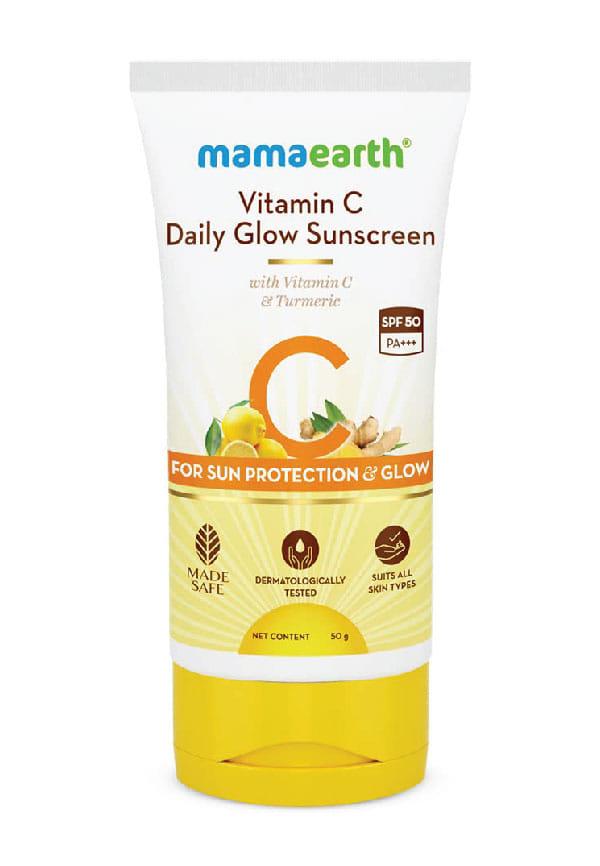 50 gm
50 gmDaily Glow Sunscreen SPF 50 PA+++
For your face and neck, you need about 1/4 to 1/2 teaspoon of sunscreen. The "two-finger rule" is a helpful visual: squeeze sunscreen along the length of your index and middle fingers - that's roughly the right amount for your face. It might seem like a lot at first, but your skin will absorb it, and this amount ensures you're getting the SPF protection stated on the bottle.
For full body coverage, you're looking at about 6-8 teaspoons total. Most people use far less than this, which significantly reduces the protection they're actually getting from their sunscreen.
Start with clean, dry skin. If you're using a moisturiser, let it absorb for a few minutes before applying sunscreen. Dot the sunscreen across your forehead, cheeks, nose, and chin, then gently pat and blend it in rather than rubbing vigorously. This patting motion helps ensure even coverage without disturbing any skincare products underneath.
Don't forget the often-missed areas: your ears, the back of your neck, your hairline, and the delicate skin around your eyes. These spots are particularly vulnerable to sun damage but frequently get overlooked during application. Allow 15-30 minutes for the sunscreen to properly set before heading outside.
Getting the order right in your morning routine ensures each product can do its job effectively. The general rule is to apply products from thinnest to thickest consistency, with sunscreen being the final step before makeup.
Your morning routine should flow like this: cleanser, any serums or treatments, moisturiser, then sunscreen. This order allows each product to absorb properly without interference. If you're using a vitamin C serum or niacinamide, apply these after cleansing but before moisturiser.
Some people prefer combination moisturiser-sunscreen products for simplicity, and whilst these can work, dedicated sunscreens typically offer better protection. If you do choose a combination product, make sure it offers broad-spectrum protection with at least SPF 30.
If you wear makeup, sunscreen goes on first, followed by primer (if you use one), then your usual makeup routine. Look for makeup-friendly sunscreen formulas that create a smooth base rather than pilling or feeling sticky. Some sunscreens double as primers, which can streamline your routine.
Setting your makeup with a light dusting of powder can help lock everything in place and make reapplication easier throughout the day.
Here's the truth that nobody wants to hear: sunscreen isn't a once-and-done deal. Even the best formulas need refreshing throughout the day to maintain their protective power.
The golden rule is reapplication every 2-3 hours, but this can vary based on your activities. If you're swimming, sweating heavily, or towelling off, you need to reapply immediately. Even if you're indoors most of the day, a midday reapplication is worth doing, especially if you're near windows or planning to step outside.
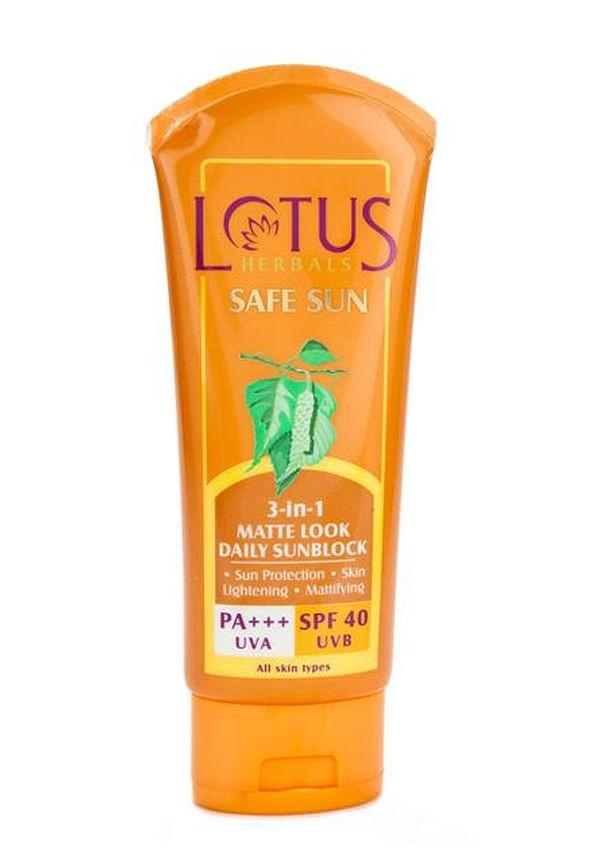 50 gm
50 gmSafe Sun 3 In 1 Matte-Look Daily Sunscreen SPF 40 PA+++
For office workers, this might mean a quick reapplication before lunch or before heading home. It's not about being obsessive; it's about maintaining consistent protection when your skin needs it most.
This is where many people throw in the towel, but reapplying over makeup doesn't have to ruin your look. SPF setting sprays can work for light touch-ups, though they're not as reliable as cream formulas. SPF powders are another option, applied with a fluffy brush for even coverage.
For the most effective reapplication, gently dab cream sunscreen over your makeup using a clean makeup sponge. Focus on the high points of your face - forehead, nose, cheeks - where the sun hits most directly.
Your sunscreen routine should work with your lifestyle, not against it. Whether you're desk-bound or constantly on the move, there's a strategy that fits.
Even if you spend most of your day indoors, UV protection remains important. UVA rays penetrate through windows, and that afternoon sun streaming across your desk is still affecting your skin. A lightweight, comfortable formula that plays well under makeup is your best bet.
For minimal outdoor exposure, one thorough morning application with a possible midday touch-up should suffice. Keep a small tube in your desk drawer for those unexpected outdoor lunch meetings.
If you're frequently outdoors or exercise regularly, water-resistant formulas become essential. Look for sunscreens specifically designed for sport or outdoor activities - they're formulated to stay put through sweat and movement.
Plan for more frequent reapplication, and don't forget about often-exposed areas like your hands, arms, and the back of your neck. A stick sunscreen can be handy for quick touch-ups on the go.
Sensitive skin types often do best with mineral sunscreens containing zinc oxide or titanium dioxide. These ingredients are less likely to cause irritation compared to chemical filters. Look for fragrance-free, hypoallergenic formulas, and always patch test new products.
For acne-prone skin, non-comedogenic formulas are crucial. Many modern sunscreens are specifically designed not to clog pores, and some even contain beneficial ingredients like niacinamide to help control oil production.
Even with the best intentions, it's easy to fall into sunscreen traps that compromise your protection. The most common mistake? Simply not using enough. Most people apply about half the recommended amount, which significantly reduces the SPF protection they're actually getting.
Skipping reapplication is another big one. Your morning sunscreen isn't protecting you at 3 PM the same way it was at 9 AM. UV filters break down over time, especially with sun exposure, heat, and natural skin oils.
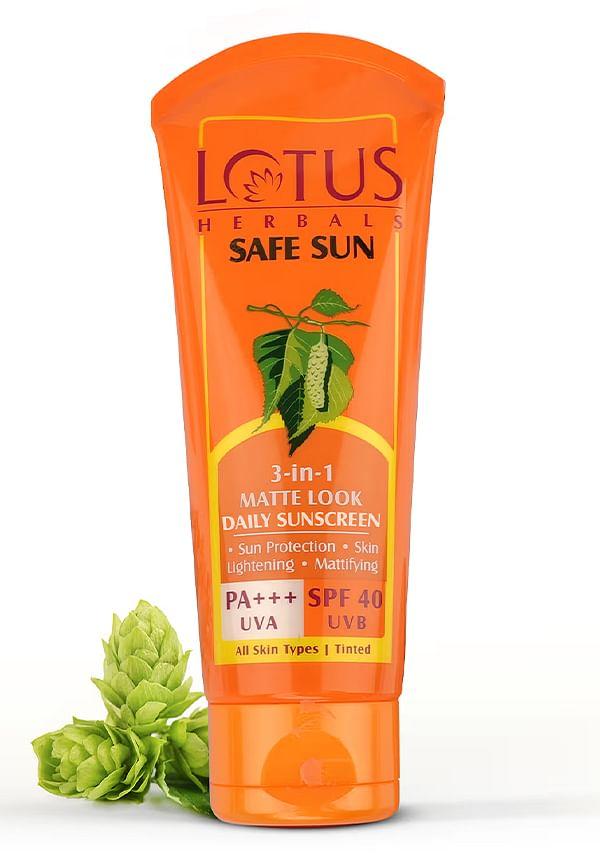 100 gm
Safe Sun 3 In 1 Matte-Look Daily Sunscreen SPF 40 PA+++
Don't forget about expiration dates either. Sunscreen does lose its effectiveness over time, and using expired products can leave you vulnerable to burns and damage. Most sunscreens last about three years unopened, but once you start using them regularly, aim to replace them annually.
Finally, relying solely on makeup with SPF isn't enough. Whilst SPF in foundation or powder can provide some protection, you're unlikely to apply enough makeup to get the stated SPF protection. Use these as bonus protection, not your primary defence.
Apply sunscreen as the final step in your morning skincare routine, after moisturiser and before makeup. Use about 1/4 teaspoon for your face and neck, and allow 15-30 minutes for it to set before sun exposure.
Whilst you can use the same formula, facial sunscreens are typically lighter and more cosmetically elegant. Body sunscreens might feel too heavy for daily facial use, especially under makeup.
Sunscreen doesn't actively fade dark spots, but it prevents them from getting darker and stops new ones from forming. For fading existing hyperpigmentation, you'll need additional ingredients like vitamin C, niacinamide, or gentle AHAs.
Absolutely. Up to 80% of UV rays can penetrate clouds, so you're still getting significant exposure even when it doesn't feel sunny. Make daily sunscreen application a habit regardless of weather.
Most sunscreens provide effective protection for about 2-3 hours under normal conditions. This time decreases with sweating, swimming, or towelling off, which is why reapplication is so important.
It's better to apply them separately to ensure you're getting the full SPF protection. Mixing can dilute the sunscreen and reduce its effectiveness. If you want to streamline your routine, look for a dedicated moisturiser-sunscreen combination product instead.
Getting your daily sunscreen routine right isn't about perfection - it's about consistency and finding a system that works for your lifestyle. Whether you prefer a lightweight chemical formula that disappears under makeup or a gentle mineral sunscreen that doubles as a primer, the best sunscreen is the one you'll actually use every day.
Remember, your skin will thank you for this daily habit years down the line. Every day you protect your skin is a day you're preventing future damage, maintaining your skin's health, and keeping that natural glow intact. The key is making sunscreen application as automatic as brushing your teeth - just another essential step in taking care of yourself.
If you're curious about trying different sunscreen formulas to find your perfect match, Smytten offers a brilliant way to test products before committing to full sizes. With curated trial packs from trusted brands, you can explore various sunscreen types and find the one that feels right for your skin and routine. After all, the best protection comes from a sunscreen you genuinely enjoy using every single day.
