How to Use Ceramides for Long Term Skin Barrier Health


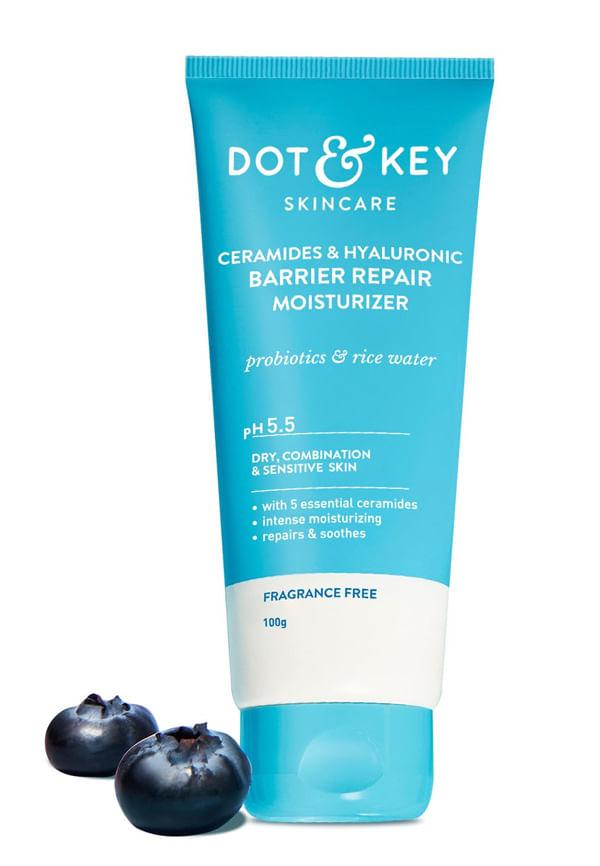 100 g
100 gCeramides & Hyaluronic Barrier Repair Moisturizer
You've probably heard the term 'skin barrier' thrown around in skincare conversations, but have you ever wondered what actually keeps your skin healthy and hydrated? The answer lies in tiny lipid molecules called ceramides that work tirelessly to maintain your skin's protective barrier. If you're dealing with persistent dryness, sensitivity, or that tight feeling after cleansing, your skin might be crying out for more ceramide support. Understanding how to use ceramides for long term barrier health could be the game-changer your skincare routine has been missing.
Ceramides are naturally occurring lipid molecules that make up about 50% of your skin's outermost layer, the stratum corneum. Think of them as the mortar between bricks in a wall – they fill the spaces between skin cells, creating a protective barrier that keeps moisture in and irritants out. Your skin naturally produces these essential lipids, but factors like age, environmental stress, harsh skincare products, and certain skin conditions can deplete your natural ceramide levels.
There are several types of ceramides, including Ceramide NP, AP, and EOP, each playing a slightly different role in maintaining skin barrier function. When your ceramide levels drop, you might notice increased dryness, sensitivity, redness, or that uncomfortable tight feeling. This is your skin's way of telling you that its protective barrier has been compromised and needs reinforcement.
Skincare products typically contain synthetic ceramides that are bioidentical to those your skin produces naturally. These lab-created versions are just as effective as natural ones and often more stable in formulations. The key is finding products with the right concentration and combination of ceramide types for your specific skin needs.
When you apply ceramide cream or serums, these lipid molecules integrate into your skin's existing barrier structure, essentially patching up gaps and strengthening weak spots. This process helps restore your skin's ability to retain moisture whilst protecting against environmental aggressors like pollution, UV rays, and harsh weather conditions.
Clinical research has shown that regular use of ceramide-containing products can significantly improve skin hydration levels and reduce transepidermal water loss – the fancy term for moisture escaping through your skin. Unlike some skincare ingredients that provide temporary benefits, ceramides benefits compound over time, making them ideal for long-term barrier health maintenance.
Ceramides strengthen the intercellular matrix by forming organised lipid bilayers between skin cells. This creates a more robust barrier that's better equipped to handle daily stressors whilst maintaining optimal hydration levels. The result is skin that feels softer, looks plumper, and responds better to other skincare products.
One of the most common questions about ceramide skincare is how quickly you can expect to see results. The timeline for skin barrier repair varies depending on the extent of damage and your skin's natural healing ability, but here's what you can generally expect.
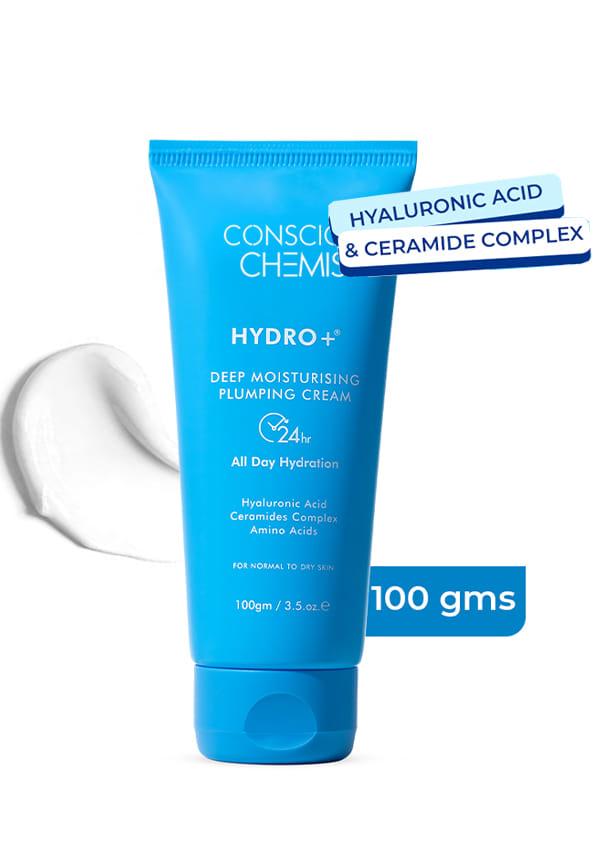 100g
100gHyaluronic Acid Lightweight Gel Cream with Ceramides
For mild barrier disruption – perhaps from over-exfoliation or a new climate – you might notice improvements in skin hydration within one to two weeks of consistent ceramide use. Your skin will feel less tight after cleansing, and that uncomfortable pulling sensation should start to fade.
More significant barrier damage, such as that from chronic eczema or prolonged use of harsh products, typically requires four to eight weeks of dedicated ceramide therapy. During this time, you'll gradually notice reduced sensitivity, improved moisture retention, and a more comfortable overall skin feel.
Signs that your barrier is healing include decreased redness, less reactivity to products you previously couldn't tolerate, and that coveted healthy glow that comes from well-hydrated skin. Remember, consistency is key – sporadic use won't give you the cumulative benefits that make ceramides so effective for long-term barrier health.
Not all ceramide products are created equal, and choosing the right formulation for your skin type can make a significant difference in results. Ceramide cream formulations tend to be richer and more occlusive, making them ideal for very dry or mature skin that needs intensive barrier repair.
For oily or combination skin, lightweight ceramide serums or gel-creams provide barrier benefits without feeling heavy or potentially clogging pores. Look for products that combine ceramides with complementary ingredients like niacinamide, which can help regulate oil production whilst supporting barrier function.
The most effective ceramide products often contain a blend of different ceramide types along with other barrier-supporting ingredients. Hyaluronic acid works beautifully with ceramides to boost hydration, whilst ingredients like cholesterol and fatty acids help create an optimal lipid environment for barrier repair.
For sensitive skin, avoid ceramide products with potential irritants like strong fragrances or high concentrations of acids. Instead, opt for gentle formulations that focus on barrier repair without unnecessary additives.
Incorporating ceramides into your routine doesn't require a complete skincare overhaul. Start by introducing one ceramide product and gradually building from there. The key is consistency and proper application technique to maximise absorption and effectiveness.
Begin with freshly cleansed skin – preferably using a gentle, non-stripping cleanser that won't further compromise your barrier. Apply your ceramide product to slightly damp skin, as this helps with absorption and creates an optimal environment for the ceramides to integrate into your skin's barrier.
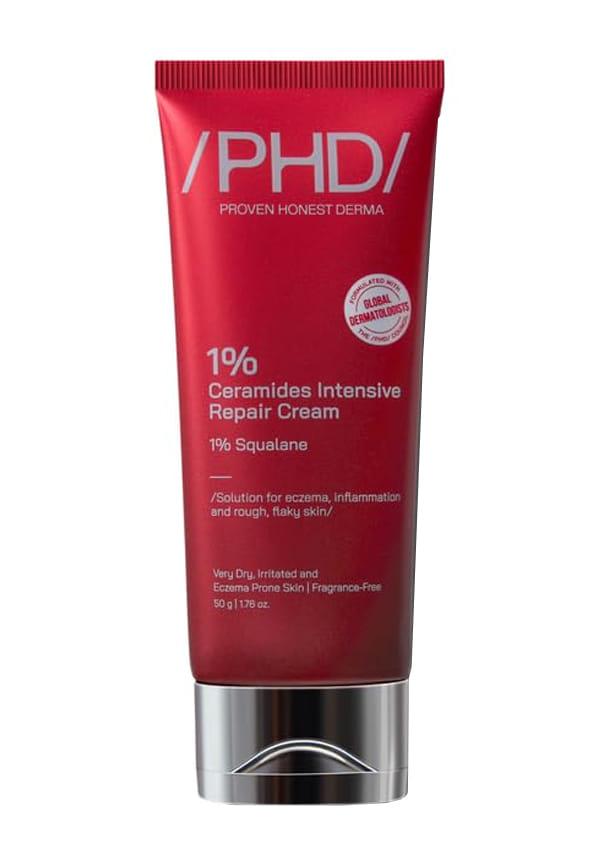 50g
50g1% Ceramides Intensive Repair Cream
Ceramides work well both morning and evening, but many people find evening application particularly beneficial as it gives the ingredients time to work whilst your skin undergoes its natural repair processes during sleep. In the morning, follow your ceramide product with SPF to protect your newly strengthened barrier from UV damage.
When layering products, apply ceramides after water-based serums but before heavier creams or oils. This ensures optimal penetration whilst allowing you to seal in the benefits with more occlusive products if needed.
Eczema treatment often involves ceramide therapy as a cornerstone approach. People with atopic dermatitis typically have lower natural ceramide levels, making topical supplementation particularly beneficial. Regular use of ceramide-rich products can help reduce flare-ups and maintain skin comfort between episodes.
For those dealing with post-treatment sensitivity – perhaps after starting retinoids or recovering from aggressive exfoliation – ceramides provide gentle yet effective barrier support. They help rebuild the skin's protective function without interfering with other active ingredients.
Your ceramide needs might change with the seasons. Winter's harsh, dry air can strip natural ceramides from your skin, whilst summer's heat and humidity might require lighter ceramide formulations. Adjusting your ceramide routine seasonally helps maintain optimal barrier health year-round.
Air conditioning and heating systems can also impact your skin's ceramide levels, so don't be surprised if you need to boost your ceramide routine during times of environmental stress.
One of the beautiful things about ceramides is their excellent safety profile. Since they're naturally present in your skin, topical ceramides are generally well-tolerated by most people, including those with sensitive skin conditions. This makes them suitable for daily, long-term use without the concerns associated with some other skincare ingredients.
Side effects are rare but can include mild irritation if you're sensitive to other ingredients in the formulation. If you experience any redness, stinging, or increased sensitivity, discontinue use and consult with a dermatologist. Sometimes, what seems like a ceramide reaction is actually sensitivity to preservatives or fragrances in the product.
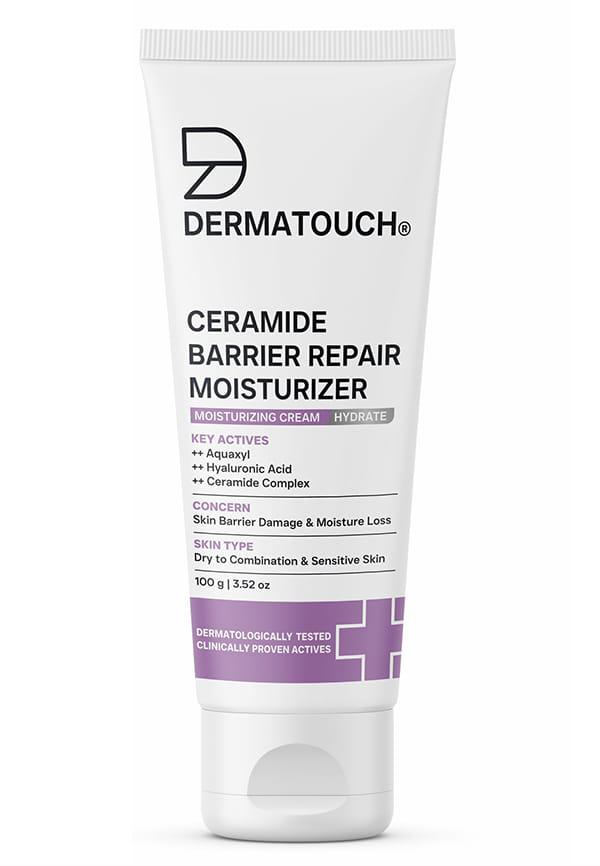 100g
100gCeramide Barrier Repair Moisturizer
Unlike acids or retinoids, ceramides don't require a gradual introduction period. You can typically start using them daily from the beginning. For long-term maintenance, many dermatologists recommend incorporating ceramides as a permanent part of your routine, especially if you have naturally dry skin or live in a harsh climate.
Yes, ceramides are gentle enough for daily use and actually work best with consistent application. Unlike some active ingredients that require cycling, ceramides provide cumulative benefits that improve over time with regular use.
Most people notice initial improvements in skin comfort and hydration within 1-2 weeks, whilst more significant barrier repair typically takes 4-8 weeks of consistent use, depending on the extent of damage.
Yes, ceramides are often recommended for eczema management as they help restore the compromised skin barrier that's characteristic of this condition. Regular use can help reduce flare-ups and maintain skin comfort.
Pure ceramides themselves don't typically cause breakouts, but heavy formulations might not suit oily skin. Choose lightweight, non-comedogenic ceramide products if you're prone to congestion.
Understanding how to use ceramides for long term barrier health is about more than just adding another product to your routine – it's about giving your skin the fundamental building blocks it needs to protect and repair itself. Whether you're dealing with chronic dryness, sensitivity, or simply want to maintain healthy skin as you age, ceramides offer a science-backed approach to barrier care.
The beauty of ceramide skincare lies in its simplicity and effectiveness. You don't need complicated routines or harsh treatments – just consistent use of well-formulated products that support your skin's natural protective mechanisms. With over 28 million users discovering new skincare solutions, platforms like Smytten make it easier than ever to explore ceramide products from trusted brands before committing to full sizes. This approach lets you find the perfect ceramide formulation for your unique skin needs whilst building confidence in your skincare choices.
