How to Use Alpha Arbutin for Sensitive Skin Safely


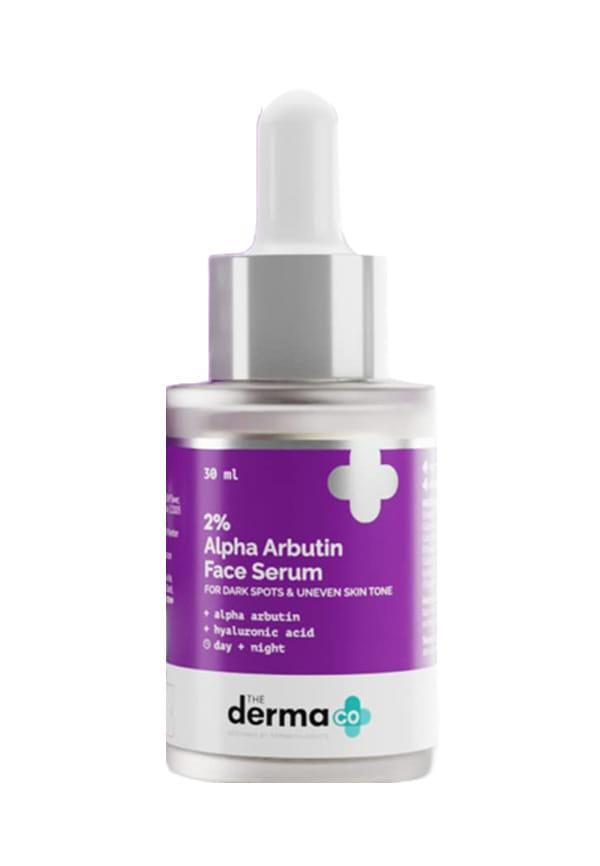 30 ml
30 ml2% Alpha Arbutin Face Serum
Let's be real—finding the right skin brightening ingredient when you have sensitive skin feels like walking through a minefield. One wrong step and you're dealing with redness, irritation, or worse. Enter alpha arbutin for sensitive skin, the gentle hero that's been quietly revolutionising skincare routines without the drama. Unlike harsh alternatives that leave your skin feeling angry, this natural skin lightener works its magic slowly but surely. If you've been curious about trying an arbutin serum for skin but worried about reactions, you're in the right place. We're breaking down everything you need to know about using this gentle skin brightener safely, so you can finally tackle those stubborn dark spots without compromising your skin's comfort.
Alpha arbutin is basically nature's answer to safe skin brightening. Derived from the bearberry plant, this gentle powerhouse is what happens when science meets botanical wisdom. Think of it as the calm, collected cousin of more aggressive brightening ingredients—it gets the job done without causing a scene.
What makes alpha arbutin benefits so impressive for sensitive skin types is its unique approach to tackling hyperpigmentation. Instead of bulldozing through your skin barrier like some ingredients do, alpha arbutin works by gently inhibiting tyrosinase—the enzyme responsible for melanin production. It's like having a polite conversation with your skin cells rather than shouting at them.
The key difference between alpha and beta arbutin lies in their molecular structure. Alpha arbutin is more stable and bioavailable, which means it penetrates your skin more effectively whilst remaining incredibly gentle. This makes it a brilliant choice for anyone whose skin tends to throw tantrums at the first sign of active ingredients.
When you compare arbutin vs hydroquinone, the difference is night and day. Hydroquinone might work faster, but it comes with a laundry list of potential side effects that can leave sensitive skin worse off. Alpha arbutin takes the scenic route—slower but infinitely safer, making it perfect for long-term use without the worry.
The beauty of using alpha arbutin lies in its ability to deliver real results without the typical drama that comes with hyperpigmentation treatment. For sensitive skin types, this ingredient is like finding that perfect friend who's supportive but never overwhelming.
Here's what makes this gentle skin brightener worth obsessing over:
Gradual dark spot fading - Works on post-acne marks, sun spots, and melasma without causing irritation
Even skin tone improvement - Helps create that coveted smooth, uniform complexion
Anti-ageing properties - Prevents new dark spots from forming whilst addressing existing ones
Barrier-friendly formula - Actually supports your skin's natural protective barrier rather than compromising it
Compatibility champion - Plays well with other sensitive skin favourites like hyaluronic acid and ceramides
What's particularly brilliant about arbutin for dark spots is its consistency. Unlike ingredients that work in fits and starts, alpha arbutin provides steady, predictable results. You won't wake up one morning to find your skin looking angry or irritated—just gradually clearer and more radiant.
The skin brightening serum effect happens because alpha arbutin doesn't just mask pigmentation issues—it addresses them at the source. This means the improvements you see are genuine and long-lasting, not just temporary fixes that disappear when you stop using the product.
Using alpha arbutin safely starts with respecting your skin's boundaries. Even the gentlest ingredients deserve a proper introduction, especially when sensitive skin is involved.
Your journey with this natural skin lightener should begin with patience and preparation. Here's how to build an effective arbutin skincare routine that actually works:
Before diving in, spend 48 hours getting acquainted. Apply a small amount of your chosen alpha arbutin product to your inner forearm or behind your ear. Wait and watch—no redness, itching, or irritation means you're good to go.
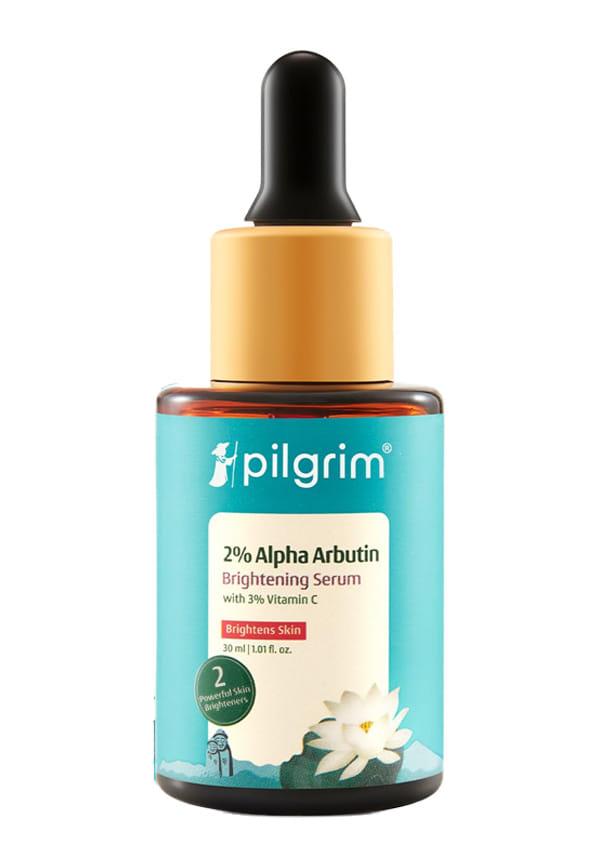 30 ml
30 mlSkin Brightening Serum With Alpha Arbutin & Vitamin C For Glowing Skin
Begin with products containing 1-2% alpha arbutin concentration. Your skin needs time to adjust, even to gentle ingredients. Start by using it just twice a week, preferably in the evening when your skin is in repair mode.
Apply alpha arbutin to clean, dry skin before heavier products like moisturisers or oils. A few drops of serum or a thin layer of cream is plenty—more isn't better when it comes to active ingredients. Gently pat it in rather than rubbing, letting your skin absorb it naturally.
In your evening routine, alpha arbutin should come after cleansing and toning but before moisturiser. If you're using multiple serums, apply them from thinnest to thickest consistency. Morning use is fine too, but always follow with SPF—this ingredient can make your skin more photosensitive.
After two weeks of twice-weekly use without issues, you can gradually increase to every other night, then eventually daily use if your skin tolerates it well. Listen to your skin—if it starts feeling tight or looks irritated, scale back.
Choosing the right arbutin serum for skin involves more than just checking the alpha arbutin percentage. The supporting cast of ingredients matters just as much, especially for sensitive skin types.
When hunting for the best serum for sensitive skin containing alpha arbutin, look for formulations that include these skin-loving companions:
Hyaluronic acid - Provides hydration without heaviness
Niacinamide - Enhances brightening effects whilst calming inflammation
Ceramides - Strengthen your skin barrier
Panthenol (Pro-Vitamin B5) - Soothes and heals
Allantoin - Reduces irritation and promotes healing
Steer clear of formulations that combine alpha arbutin with potentially irritating ingredients like high-concentration vitamin C, glycolic acid, or fragrances. These combinations can overwhelm sensitive skin and counteract the gentle nature of alpha arbutin.
For sensitive skin, 1-2% alpha arbutin concentration is the sweet spot. Higher concentrations don't necessarily mean better results—they just increase the risk of irritation. Look for products that clearly state their alpha arbutin percentage on the packaging.
Platforms like Smytten make discovering your perfect alpha arbutin product so much easier. With trial packs from trusted brands, you can test different formulations without committing to full-size purchases. This approach is particularly valuable for sensitive skin types who need to be selective about what they introduce to their routine.
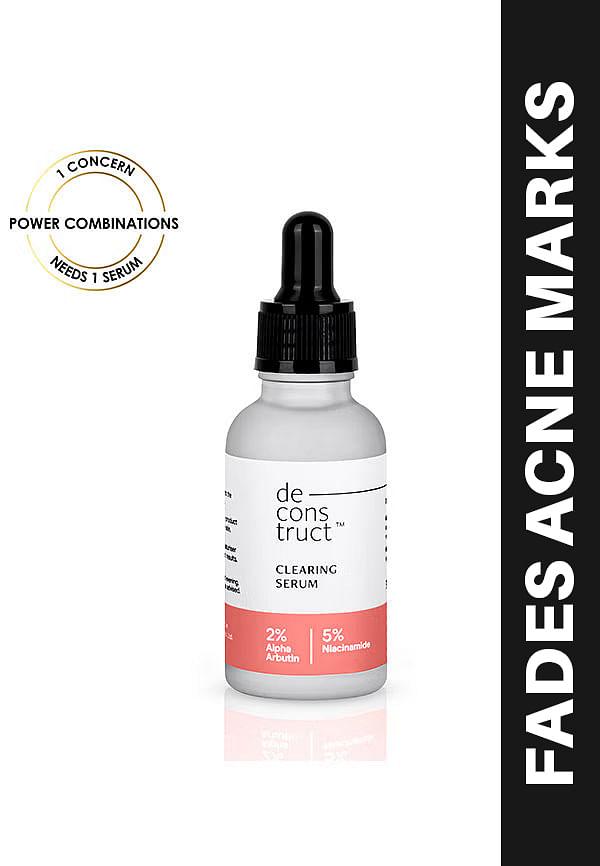 30 ml
30 mlClearing Serum - 2% Alpha Arbutin + 5% Niacinamide
Understanding how alpha arbutin stacks up against other brightening ingredients helps you make informed choices for your sensitive skin. Each ingredient has its place, but not all are suitable for delicate skin types.
The arbutin vs hydroquinone debate often comes up in skincare circles, and for good reason. Hydroquinone is undeniably effective but comes with significant risks, including potential skin thinning and rebound hyperpigmentation. Alpha arbutin offers similar benefits with a fraction of the risk, making it the smarter long-term choice for sensitive skin.
Kojic acid can be quite irritating, especially for sensitive skin types. It's more likely to cause redness, stinging, and photosensitivity. Alpha arbutin delivers comparable brightening effects with much better tolerance, making it the gentler alternative for daily use.
These two actually work beautifully together rather than competing. Niacinamide focuses on regulating oil production and reducing inflammation, whilst alpha arbutin targets pigmentation specifically. Many sensitive skin types find this combination particularly effective and well-tolerated.
Vitamin C can be tricky for sensitive skin, especially in higher concentrations or certain forms like L-ascorbic acid. Alpha arbutin provides antioxidant benefits without the potential for irritation that comes with many vitamin C formulations. However, they shouldn't be used together as vitamin C can destabilise alpha arbutin.
What makes alpha arbutin the standout choice is its consistency and predictability. You know what you're getting—steady, gentle improvement without the guesswork or potential setbacks that come with harsher alternatives.
Even the gentlest ingredients can sometimes cause issues, especially if you're not using them correctly. Being aware of potential side effects helps you use alpha arbutin safely and effectively.
The most common side effects of alpha arbutin are typically mild and manageable. You might experience slight dryness, minimal redness, or temporary skin sensitivity, particularly when you first start using it. These effects usually subside as your skin adjusts to the ingredient.
Persistent redness that doesn't fade after a few hours
Burning or stinging sensation during or after application
Increased breakouts or skin congestion
Unusual dryness or flaking that doesn't improve with moisturiser
Development of new dark spots (rare but possible with overuse)
Start slowly and build gradually—this cannot be overstated for sensitive skin types. Use alpha arbutin every few days initially, and only increase frequency if your skin shows no signs of distress. Always follow up with a good moisturiser to maintain your skin barrier, and never skip SPF during the day.
If irritation does occur, don't panic. Stop using the product temporarily, focus on gentle, hydrating skincare, and give your skin time to recover. You can often reintroduce alpha arbutin later at a lower frequency or concentration.
Some people should avoid alpha arbutin altogether, including those with known allergies to bearberry or related plants, pregnant or breastfeeding women (as a precaution), and anyone currently using prescription retinoids without dermatologist guidance.
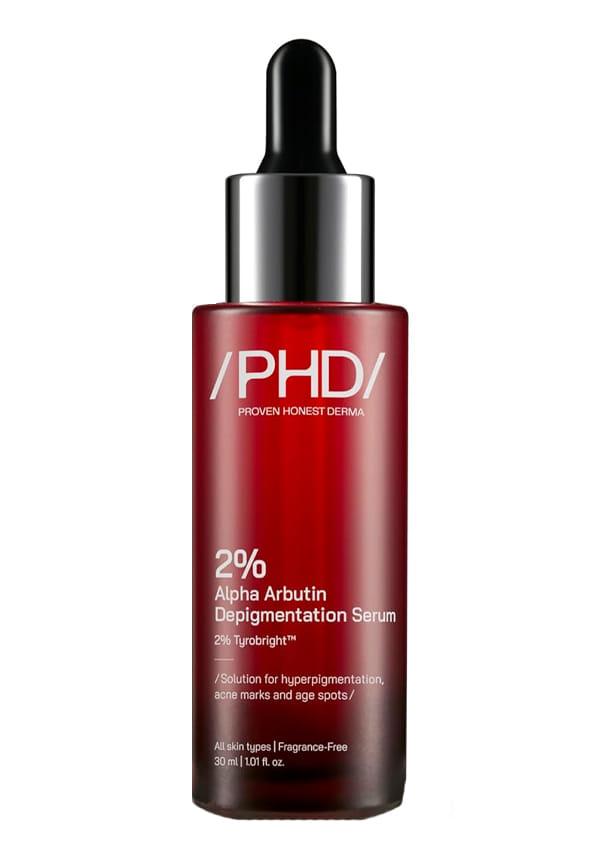 30ml
30ml2% Alpha Arbutin Depigmentation Serum
Yes, alpha arbutin is considered one of the safest brightening ingredients for sensitive skin. Its gentle mechanism of action and natural origin make it well-tolerated by most skin types, including those prone to irritation.
The main disadvantages include slower results compared to harsher alternatives, potential for mild irritation in very sensitive individuals, and the need for consistent long-term use to maintain results. It also requires sun protection to prevent new pigmentation.
Both ingredients work differently and can complement each other beautifully. Niacinamide regulates oil production and reduces inflammation, whilst alpha arbutin specifically targets pigmentation. For sensitive skin, using both together often provides the best results.
Alpha arbutin is significantly better for sensitive skin. Kojic acid can be quite irritating and may cause stinging, redness, and increased photosensitivity. Alpha arbutin provides similar brightening benefits with much better tolerance.
Most people notice improvements in skin tone and brightness within 4-6 weeks of consistent use. Significant dark spot fading typically takes 8-12 weeks. Results depend on the severity of pigmentation and individual skin response.
It's generally not recommended to use both simultaneously, especially for sensitive skin. If you want to use both, alternate nights or use alpha arbutin in the morning and retinol at night. Always introduce one at a time and ensure your skin tolerates each individually first.
For sensitive skin, 1-2% alpha arbutin is ideal for daily use. Higher concentrations (up to 5%) exist but aren't necessary and may increase irritation risk. Start with lower concentrations and only increase if needed and well-tolerated.
Alpha arbutin for sensitive skin represents a perfect balance between effectiveness and gentleness—something that's often hard to find in the world of active skincare ingredients. Unlike harsh alternatives that promise quick fixes but deliver irritation, this natural skin lightener works steadily and safely to give you the clear, even-toned skin you're after.
The key to success lies in patience and proper application. Start slowly, listen to your skin, and remember that gentle doesn't mean ineffective—it just means sustainable. With consistent use and the right approach, alpha arbutin can become your skin's new best friend, delivering the brightening results you want without the drama you don't need.
When you're ready to explore alpha arbutin products, platforms like Smytten make the discovery process so much easier and safer. With curated trial packs from trusted brands, you can test different formulations before committing to full-size purchases. This approach is particularly valuable for sensitive skin types who need to be selective about their skincare choices. After all, why settle for guesswork when you can try it all and find what truly works for your unique skin?
