How to Use Alpha Arbutin for Melasma Management

 30 ml
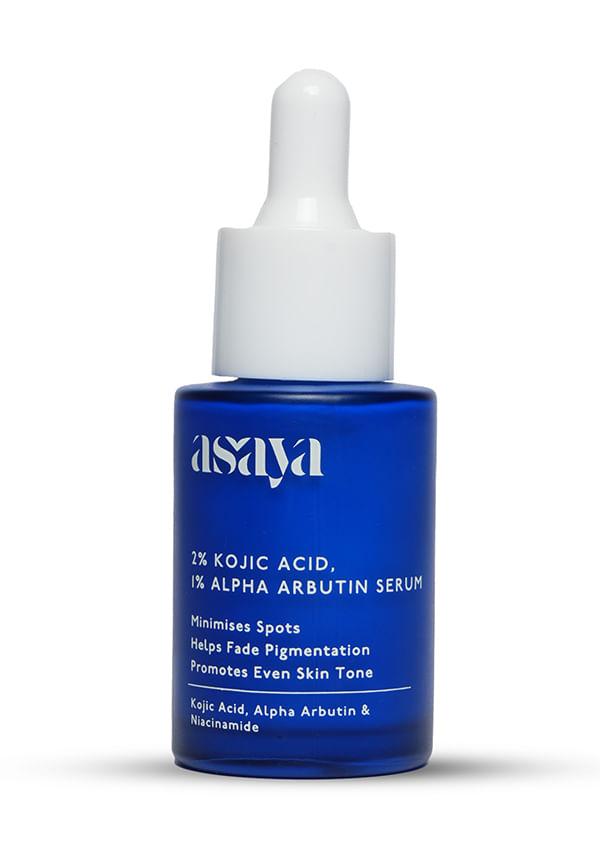
30 ml2% Kojic Acid & 1% Alpha Arbutin Face Serum
Those stubborn dark patches on your face that seem impossible to shift? You're not alone. Melasma affects millions, and finding the right treatment can feel like searching for a needle in a haystack. Enter alpha arbutin—a gentle yet effective ingredient that's been making waves in the skincare world. Unlike harsh treatments that can leave your skin irritated and worse off, alpha arbutin offers a science-backed approach to melasma management that actually works with your skin, not against it. Let's dive into how this powerhouse ingredient can become your new secret weapon against those persistent patches.
Real talk—melasma isn't just your average dark spot. It's a complex skin condition that shows up as brown or greyish patches, usually on your face, and it's notoriously stubborn. The melasma causes are varied, but the main culprits are hormonal changes (hello, pregnancy and birth control), sun exposure, and genetics.
There are three types of melasma to know about. Epidermal melasma sits in the top layer of your skin and responds best to treatment. Dermal melasma goes deeper and is trickier to tackle. Mixed melasma combines both layers, making it the most challenging to treat.
Many people turn to hydroquinone as their first line of defence, but here's the thing—it can be harsh. Side effects like skin irritation, redness, and even a condition called ochronosis (where skin actually gets darker) have left many searching for gentler skin discoloration remedies.
The problem with aggressive treatments is they often work short-term but fail long-term. Your skin becomes sensitised, and the melasma can return with a vengeance once you stop treatment. That's where alpha arbutin steps in as a game-changer.
Alpha arbutin is derived from bearberry leaves and works as a natural skin lightener that's both effective and gentle. Unlike its cousin beta arbutin, alpha arbutin is more stable and potent, making it worth obsessing over for melasma management.
Here's the science bit made simple: alpha arbutin works by inhibiting tyrosinase, the enzyme responsible for melanin production. Think of it as putting the brakes on your skin's pigment factory, but in a controlled, gentle way.
Studies show alpha arbutin can reduce melanin content by up to 40% when used consistently. What makes it special is its safety profile—it delivers results without the harsh side effects associated with stronger treatments.
Research comparing alpha arbutin to hydroquinone found similar effectiveness but with significantly fewer adverse reactions. For those with sensitive skin or anyone wanting a gentler approach, this makes alpha arbutin a brilliant choice for long-term melasma treatment.
The beauty of alpha arbutin lies in its gentle nature. It doesn't strip or irritate your skin barrier, making it suitable for daily use. Plus, being naturally derived, it aligns perfectly with the growing trend towards cleaner skincare ingredients.
Recent 2026 clinical studies have been particularly exciting for alpha arbutin enthusiasts. Research comparing alpha arbutin-kojic acid (AAK) cream with traditional triple combination therapy showed some impressive results that might just change how we approach melasma treatment.
The study found that while both treatments were effective, the alpha arbutin combination showed lower recurrence rates and significantly fewer adverse events. This is huge news for anyone dealing with persistent melasma who's tired of treatments that work temporarily but leave their skin worse off.
 30 ml
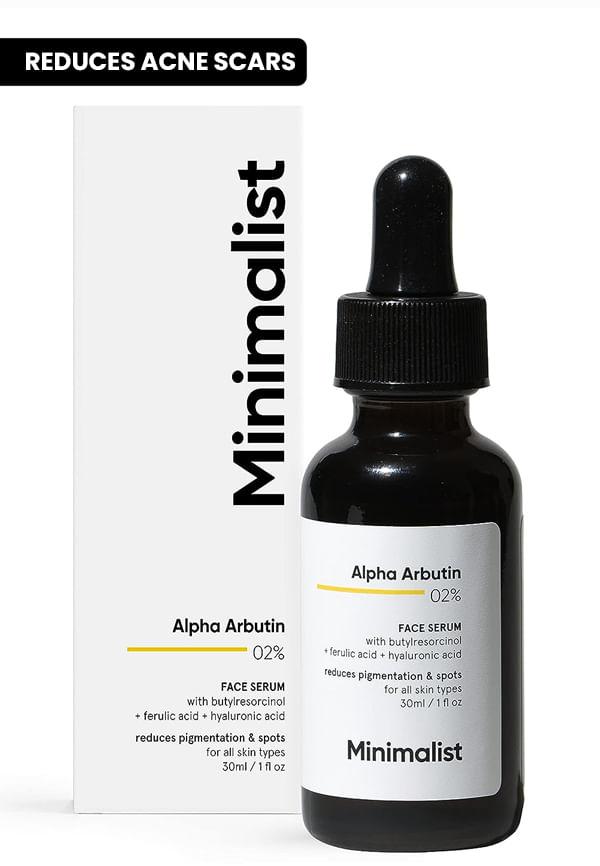
30 ml2% Alpha Arbutin Face Serum For Hyperpigmentation
Week 1-2: Your skin adjusts to the treatment. You might not see visible changes yet, but the ingredient is starting to work at a cellular level.
Week 3-6: This is when things get interesting. Many users start noticing their patches looking less intense and more even with their natural skin tone.
Week 8-12: The real magic happens here. Significant improvement in melasma appearance, with patches becoming noticeably lighter and less defined.
Clinical trials show success rates of 70-85% for mild to moderate melasma when alpha arbutin is used consistently over 12 weeks. Even stubborn cases showed improvement, though they typically require longer treatment periods and combination approaches.
Getting the most out of your arbutin serum or skin brightening serum isn't rocket science, but there are some key steps that'll make all the difference. The concentration matters—2% alpha arbutin is perfect for beginners, while 5% is for those who've built up tolerance.
Start with evening application only. Your skin is in repair mode at night, making it the ideal time for active ingredients to work their magic.
Cleanse your face thoroughly with a gentle cleanser. Pat dry—never rub.
Apply 2-3 drops of alpha arbutin serum to clean, dry skin. Focus on affected areas but don't neglect the surrounding skin for even results.
Wait 10-15 minutes before applying moisturiser. This gives the alpha arbutin time to absorb properly.
Always follow with SPF 30+ during the day. This isn't optional—sun protection is crucial for preventing melasma from worsening.
If you're using other actives, apply alpha arbutin after cleansing but before heavier serums or moisturisers. Think of it as the thin-to-thick rule—lightest consistency first.
Alpha arbutin plays well with others, and smart combinations can accelerate your hyperpigmentation correction journey. The alpha arbutin and kojic acid 2% combination is particularly effective—kojic acid works through a different mechanism, creating a synergistic effect that tackles pigmentation from multiple angles.
 30 ml
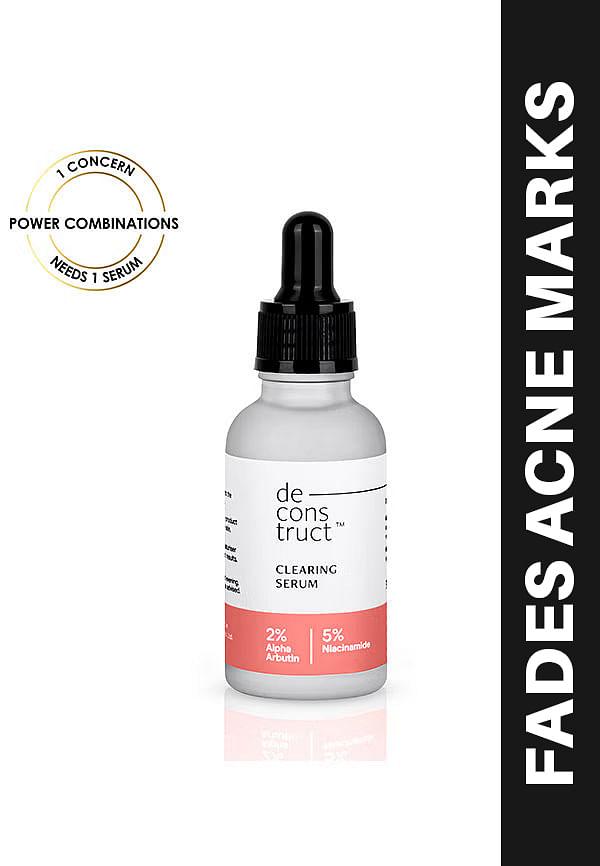
30 mlClearing Serum - 2% Alpha Arbutin + 5% Niacinamide
Niacinamide is another brilliant partner. While alpha arbutin targets melanin production, niacinamide helps with overall skin tone and barrier function. Use them together for comprehensive pigmentation treatment.
Morning routine: Vitamin C serum, followed by alpha arbutin (if tolerated), then moisturiser and SPF.
Evening routine: Alpha arbutin, wait 15 minutes, then niacinamide or retinoid (if using), followed by moisturiser.
Don't mix alpha arbutin with strong acids like glycolic or salicylic acid in the same application. This can increase irritation without boosting effectiveness.
Avoid using with benzoyl peroxide, as it can oxidise and reduce the effectiveness of arbutin for skin treatments.
Alpha arbutin is generally well-tolerated, but like any active ingredient, it's not without potential side effects. The good news? They're typically mild and manageable when you know what to expect.
Common side effects include mild irritation, slight redness, or dryness, especially when you first start using it. These usually subside as your skin builds tolerance.
Always patch test new products. Apply a small amount to your inner arm and wait 24-48 hours. If you experience significant redness, itching, or irritation, alpha arbutin might not be your kind of pick.
Pregnant and breastfeeding women should consult their healthcare provider before using alpha arbutin, though it's generally considered safer than hydroquinone during these periods.
If you have very sensitive skin or conditions like eczema, start with lower concentrations and less frequent application.
While alpha arbutin is highly effective, complete clearance depends on various factors including melasma severity, consistency of use, and individual skin response. Most people see significant improvement rather than complete elimination, which is still a major win for skin confidence.
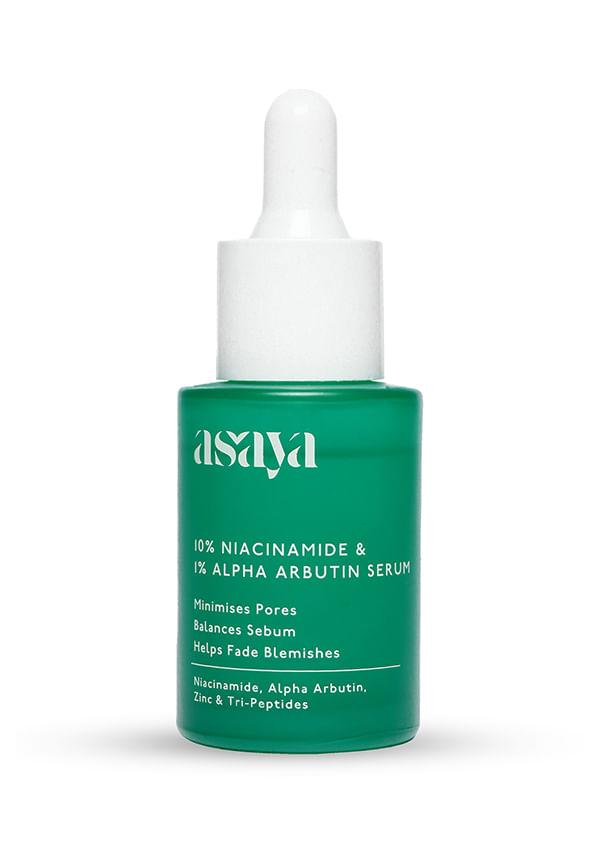 30 ml
30 ml10% Niacinamide & 1% Alpha Arbutin Face Serum
Most users notice initial improvements around 6-8 weeks of consistent use. Significant results typically appear after 12-16 weeks. Remember, melasma took time to develop, so patience is key for lasting results.
Yes, alpha arbutin is considered safe for long-term use, unlike some harsher alternatives. Its gentle nature makes it suitable for maintenance therapy to prevent melasma recurrence.
Absolutely! This combination can be particularly effective for overall skin brightening. Use vitamin C in the morning and alpha arbutin in the evening, or layer them with vitamin C first if your skin tolerates it.
Alpha arbutin tends to be gentler and more stable, while kojic acid can be more potent but potentially irritating. Many find the combination of both ingredients most effective for stubborn melasma.
Creating an effective routine isn't about using every product under the sun—it's about consistency and smart choices. Start simple and build up gradually to avoid overwhelming your skin.
Your 4-week starter protocol should focus on introducing alpha arbutin slowly. Week 1: Use every third night. Week 2: Every other night. Week 3-4: Nightly if tolerated.
Month 1: Establish tolerance with alpha arbutin alone. Month 2: Introduce complementary ingredients like niacinamide. Month 3: Fine-tune your routine based on results and add maintenance strategies.
Summer requires extra vigilance with sun protection. Consider using alpha arbutin only in the evening during peak sun months. Winter allows for more intensive treatment as UV exposure is typically lower.
Alpha arbutin for melasma management represents a shift towards gentler, more sustainable skincare approaches. While it might not work overnight, its combination of effectiveness and tolerability makes it worth a try for anyone dealing with persistent melasma.
The key to success lies in consistency, patience, and realistic expectations. Remember, melasma is a marathon, not a sprint, and alpha arbutin gives you a sustainable way to manage it long-term without compromising your skin's health.
When you're ready to explore alpha arbutin products, platforms like Smytten make it easy to discover what works for your skin. With trial packs from trusted brands, you can test different formulations before committing to full-size purchases. After all, why settle for 'maybe' when you can try it all and find what truly works for your unique skin needs?
